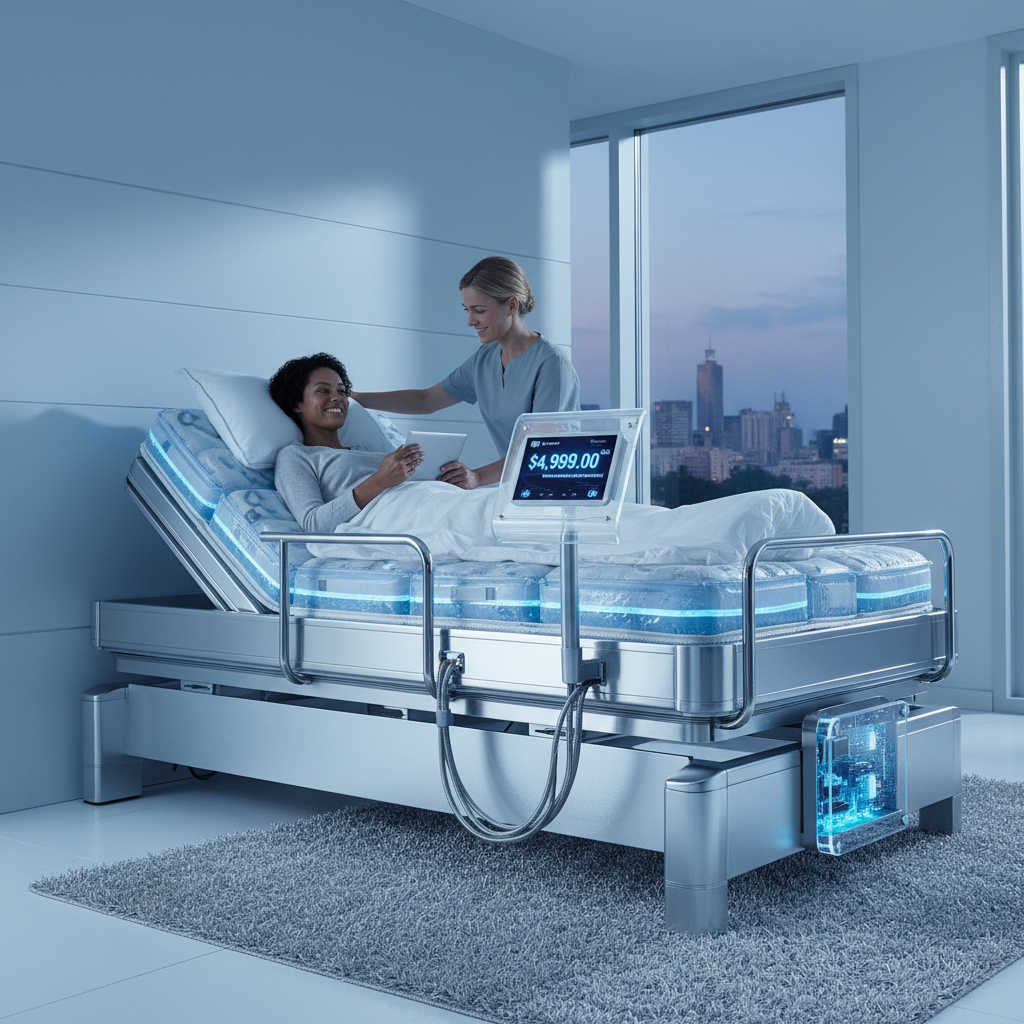
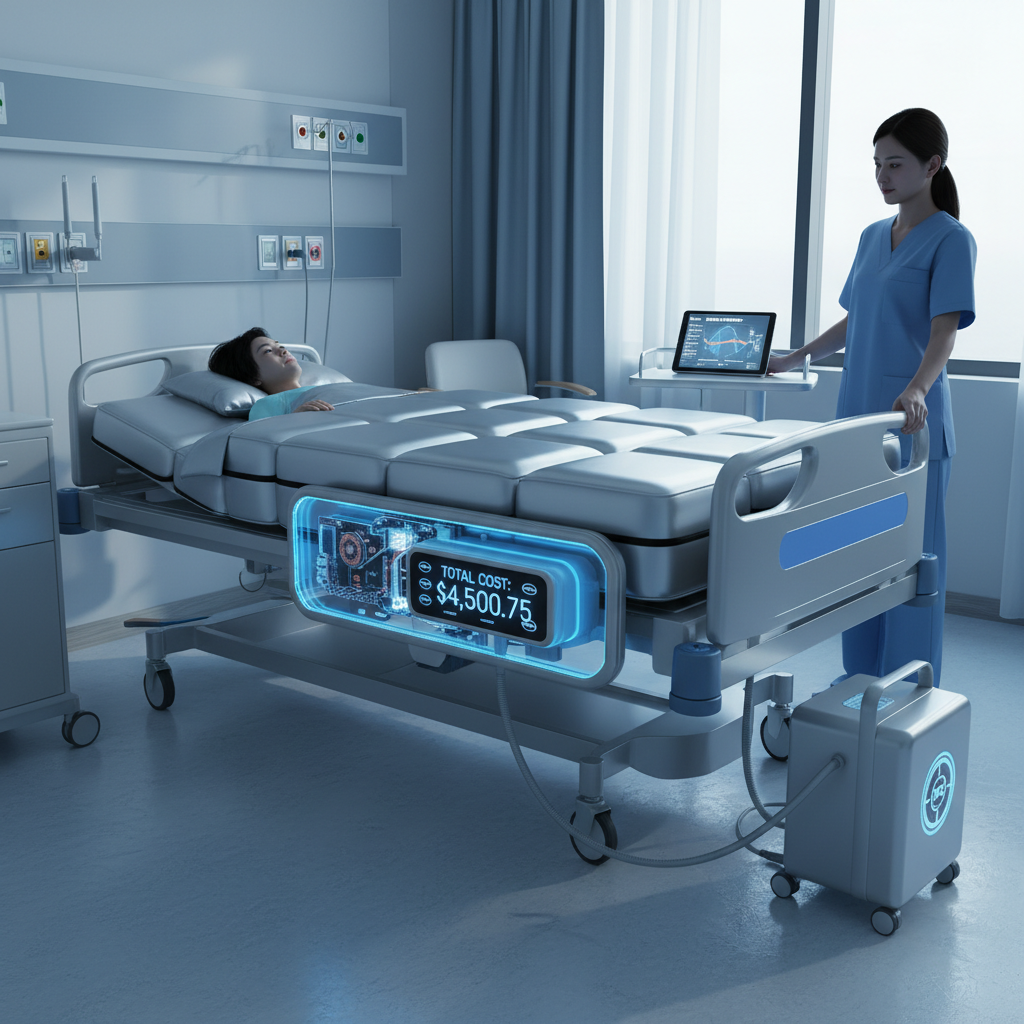
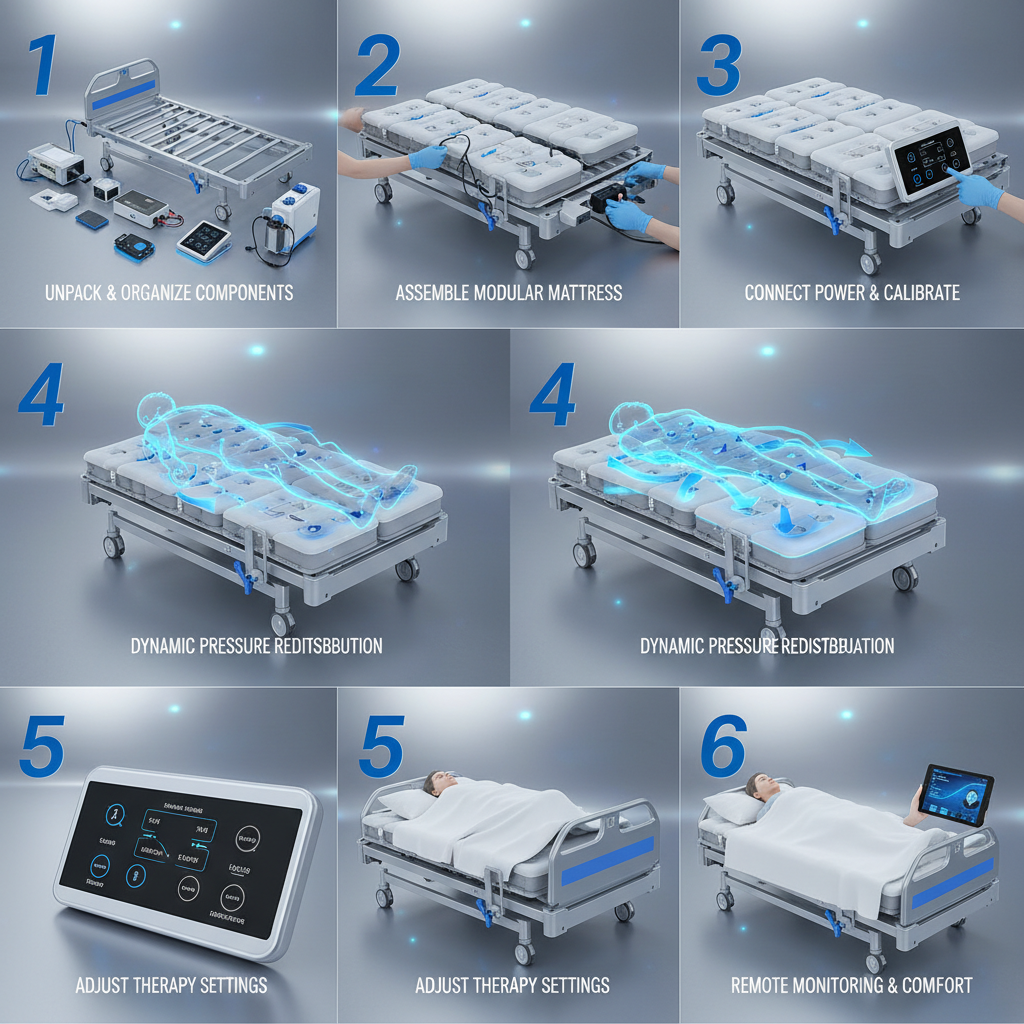
The global need for effective bedsore prevention and management is increasing due to aging populations, rising rates of chronic illnesses, and prolonged hospital stays. Understanding the nuances of bedsore bed price – encompassing not just the initial cost, but also long-term operational expenses, maintenance, and potential for reducing healthcare burdens – is crucial for healthcare providers, facilities, and individuals seeking optimal care solutions. The effective implementation of appropriate bedsore beds significantly impacts patient well-being and reduces the economic strain on healthcare systems.
The bedsore bed price landscape is complex, varying widely based on features, technology, and manufacturer. Factors like pressure redistribution capabilities, material quality, and adjustability all contribute to the overall cost. Analyzing these factors in conjunction with projected patient outcomes is essential for informed decision-making. Properly selected bedsore beds can minimize the incidence of pressure injuries, shortening hospital stays and enhancing the quality of life for vulnerable patients.
Navigating the bedsore bed price considerations requires a comprehensive understanding of available options and their respective benefits. This includes exploring specialized features like low-air-loss technology, integrated scales, and adjustable positioning systems. Investing in a quality bedsore bed isn't merely an expenditure; it’s a strategic investment in patient safety, resource optimization, and long-term healthcare efficiency, ultimately affecting the total bedsore bed price when considering preventative care.
Introduction to Bedsore Bed Price
Understanding the total cost of ownership associated with a bedsore bed extends beyond the initial purchase price. It encompasses factors such as ongoing maintenance, repair costs, replacement parts, and the indirect costs associated with pressure injury prevention and treatment. A seemingly inexpensive bedsore bed may, in the long run, prove more costly if it requires frequent repairs or fails to adequately prevent pressure ulcers, impacting overall bedsore bed price.
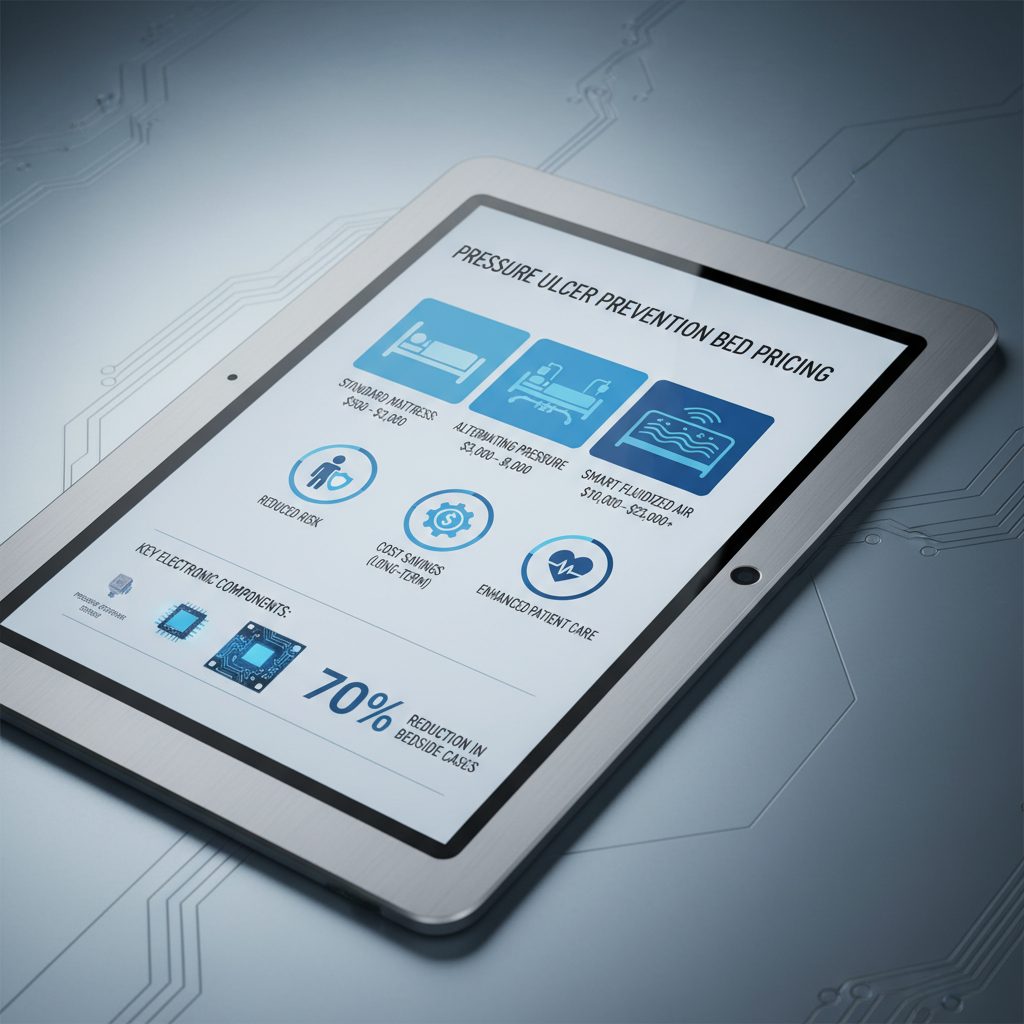
The bedsore bed price spectrum reflects a diverse range of features and technologies designed to address specific patient needs and risk levels. High-end models often incorporate advanced pressure redistribution systems, integrated scales, and customizable positioning options, resulting in a higher upfront cost. However, these features can contribute to improved patient outcomes and reduced healthcare expenses over time, thereby influencing the perceived value of the bedsore bed price.
Defining Bedsore Bed Price and its Significance
Bedsore bed price refers to the total cost associated with acquiring and maintaining a specialized bed designed to prevent and manage pressure injuries (bedsores). This cost isn’t simply the purchase price; it’s a multifaceted calculation including delivery, installation, staff training, routine maintenance, potential repairs, and the cost of consumables like mattress covers. The significance lies in striking a balance between affordability and efficacy – securing a bed that effectively prevents pressure ulcers without straining budgetary constraints.
In the context of modern healthcare, the bedsore bed price isn’t just an expense, but an investment. Preventing pressure ulcers reduces the length of hospital stays, decreases the need for costly wound care treatments, and improves patient quality of life. Therefore, a comprehensive evaluation of the bedsore bed price must consider these long-term benefits.
The relevance of accurately assessing the bedsore bed price extends to humanitarian efforts. In disaster relief or resource-limited settings, durable, reliable, and appropriately priced bedsore beds can significantly improve patient outcomes and reduce the burden on already strained medical resources. This makes understanding the price-performance ratio critical in various global healthcare scenarios.
Key Factors Influencing Bedsore Bed Price
Several key factors directly impact the bedsore bed price. The type of pressure redistribution technology – whether it’s alternating pressure, low air loss, or dynamic air flotation – is a primary determinant. More sophisticated systems generally command higher prices. Furthermore, the materials used in construction, such as the durability of the mattress surface and the quality of the bed frame, significantly influence the cost.
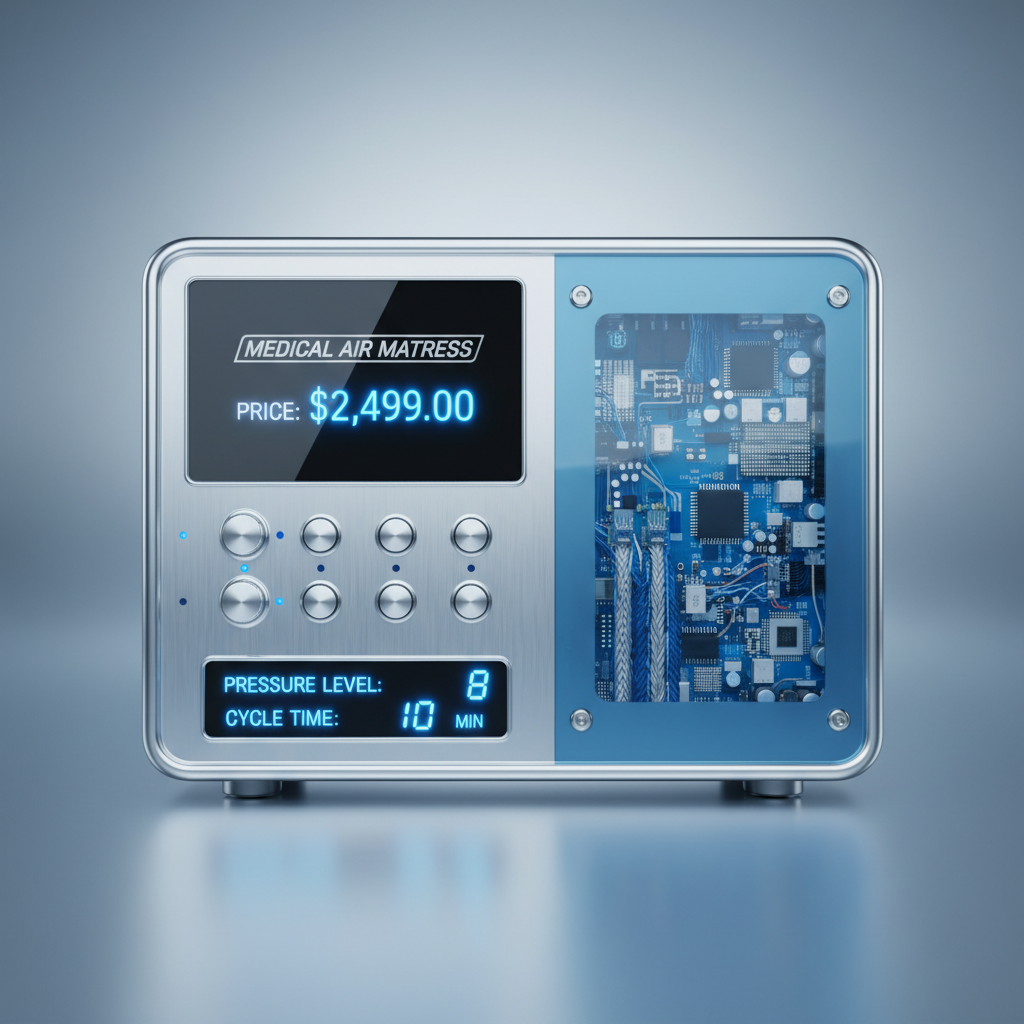
The inclusion of additional features also affects the bedsore bed price. Integrated weighing scales, adjustable side rails, head and foot elevation capabilities, and digital control panels all contribute to a higher overall cost. The level of customization offered by the manufacturer – allowing for tailored support surfaces or personalized settings – can also play a role. Finally, brand reputation and warranty coverage can impact the price, with established brands and comprehensive warranties typically commanding a premium.
The scale of procurement also impacts the bedsore bed price. Bulk purchases often result in discounted rates, making it more cost-effective for larger healthcare facilities. However, smaller clinics or individual patients may not have access to these discounts. Understanding these nuances is vital when evaluating the total cost of ownership.
Global Applications and Use Cases of Bedsore Beds
Bedsore beds find application across a diverse range of healthcare settings globally. Hospitals and long-term care facilities are primary users, employing these beds to prevent and manage pressure injuries in patients with limited mobility. Home healthcare services also utilize bedsore beds for patients receiving care in their residences.
In post-disaster relief operations, where medical resources are often scarce, bedsore beds are critical for providing essential care to injured individuals, minimizing the risk of secondary complications like pressure ulcers. Remote industrial zones and offshore platforms, where access to advanced medical facilities may be limited, also rely on bedsore beds to ensure the well-being of workers.
Furthermore, specialized rehabilitation centers frequently incorporate bedsore beds into patient treatment plans, aiding in the recovery process and preventing further complications. The demand for bedsore beds is particularly high in countries with aging populations and increasing rates of chronic diseases, reflecting the growing need for effective pressure injury prevention strategies.
Comparison of Bedsore Bed Price Based on Technology
Advantages and Long-Term Value
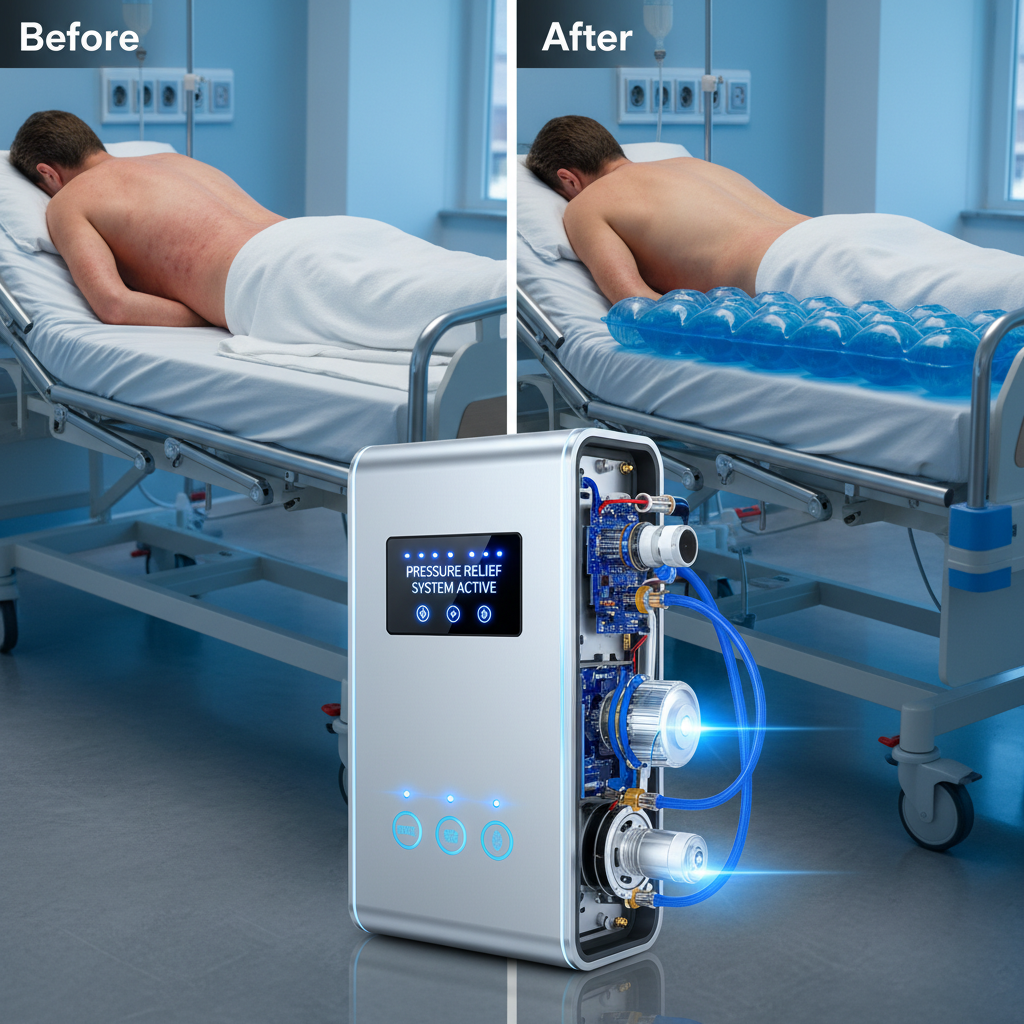
The primary advantage of investing in a quality bedsore bed is, undoubtedly, the prevention of pressure injuries. This translates into reduced patient suffering, shorter hospital stays, and lower healthcare costs associated with wound care. The long-term value extends beyond direct medical savings; it encompasses improved patient satisfaction and enhanced quality of life.
The reliability and durability of a well-constructed bedsore bed contribute to its long-term value. A robust bed with minimal maintenance requirements minimizes the risk of downtime and replacement costs. Furthermore, the peace of mind knowing that patients are receiving optimal pressure injury prevention is an invaluable benefit for healthcare providers and families.
Future Trends and Innovations in Bedsore Bed Technology
Future trends in bedsore bed technology are focused on integration with digital health platforms and the development of smart beds. These beds will incorporate sensors to continuously monitor patient movement, pressure distribution, and skin temperature, providing real-time data to healthcare providers.
Another emerging trend is the use of advanced materials in mattress construction, such as shear-reducing polymers and breathable fabrics. These materials enhance pressure redistribution and improve microclimate control, further minimizing the risk of pressure injuries. The integration of artificial intelligence (AI) for personalized pressure adjustment is also on the horizon.
Challenges and Solutions in Bedsore Bed Implementation
A key challenge in bedsore bed implementation is the cost barrier, particularly for smaller facilities or individuals. Exploring financing options, leasing programs, and refurbished equipment can help overcome this obstacle. Another challenge is staff training – healthcare professionals need to be adequately trained on the proper use and maintenance of bedsore beds.
Addressing the challenge of patient compliance requires engaging patients and their families in the care plan, explaining the benefits of using the bedsore bed, and providing clear instructions on proper positioning and movement. Finally, ensuring consistent monitoring and evaluation of bed performance is crucial to identify any issues and optimize pressure injury prevention strategies.
Investing in preventative maintenance contracts can also minimize long-term costs and ensure optimal performance, ultimately maximizing the return on investment in bedsore bed technology.
Summary of Key Factors Impacting Bedsore Bed Implementation
| Challenge |
Impact on Bedsore Bed Price |
Mitigation Strategy |
Long-Term Cost Reduction |
| High Initial Investment |
Increases upfront bedsore bed price |
Leasing, Refurbished Options |
Reduced capital expenditure |
| Inadequate Staff Training |
Incorrect usage, reduced efficacy |
Comprehensive Training Programs |
Fewer pressure injuries, reduced treatment costs |
| Poor Patient Compliance |
Reduced effectiveness, potential injury |
Patient Education, Family Involvement |
Improved patient outcomes, shorter hospital stays |
| Lack of Preventative Maintenance |
Increased repair costs, downtime |
Scheduled Maintenance Contracts |
Extended bed lifespan, reduced emergency repairs |
| Incorrect Bed Selection |
Suboptimal pressure redistribution |
Thorough needs assessment |
Better patient comfort and reduced risk |
| Limited Monitoring & Evaluation |
Inability to identify performance issues |
Regular Performance Assessments |
Data-driven improvements, optimized care |
FAQS
The most significant factors impacting bedsore bed price include the pressure redistribution technology (alternating pressure, low air loss, etc.), the materials used in construction, and any additional features like integrated scales or adjustable positioning. The brand reputation and warranty coverage also play a role. These elements directly affect both the initial purchase price and the long-term operational costs.
Generally, more sophisticated pressure redistribution systems come with a higher bedsore bed price. Static air mattresses are typically the least expensive, while dynamic air fluidized beds and hybrid systems (combining multiple technologies) are the most costly. However, the increased investment in advanced systems can be justified by their superior ability to prevent pressure injuries and reduce healthcare expenses in the long run.
Several strategies can help reduce the bedsore bed price without sacrificing quality. Considering refurbished equipment, exploring leasing options, and negotiating bulk purchase discounts are effective approaches. Additionally, carefully assessing the patient's specific needs and selecting a bed with only the necessary features can help avoid unnecessary expenses.
Maintenance costs include regular inspections, cleaning, repairs, and replacement of consumables like mattress covers and air filters. It's prudent to budget for annual maintenance checks and potential component replacements. Consider investing in a preventative maintenance contract with the manufacturer to minimize unexpected repair costs and ensure optimal bed performance.
Not necessarily. While a higher price often reflects advanced features and higher-quality materials, it doesn't guarantee superior performance. It’s crucial to research the manufacturer’s reputation, read reviews, and evaluate the bed’s specific features in relation to the patient’s needs. Focusing on value – the balance between price and performance – is essential.
Selecting the appropriate bedsore bed has a significant impact on long-term healthcare costs. Effective pressure injury prevention reduces the incidence of bedsores, which translates to fewer wound care treatments, shorter hospital stays, and improved patient outcomes. This ultimately leads to substantial savings for healthcare facilities and reduces the overall burden on healthcare systems.
Conclusion
In conclusion, the bedsore bed price is a complex consideration that extends beyond the initial purchase. Understanding the myriad factors influencing the price – from technology and materials to maintenance and long-term patient outcomes – is vital for making informed decisions. Investing in a quality bedsore bed is not simply an expense, but a strategic investment in patient care, resource optimization, and ultimately, a reduction in the overall cost of healthcare.
As technology advances, the bedsore bed landscape will continue to evolve, with a greater emphasis on smart beds, data-driven insights, and personalized pressure injury prevention strategies. By staying abreast of these trends and proactively addressing the challenges, healthcare providers can ensure that patients receive the optimal care and achieve the best possible outcomes. To learn more about bedsore beds and find the right solution for your needs, visit our website: bedsore bed price.