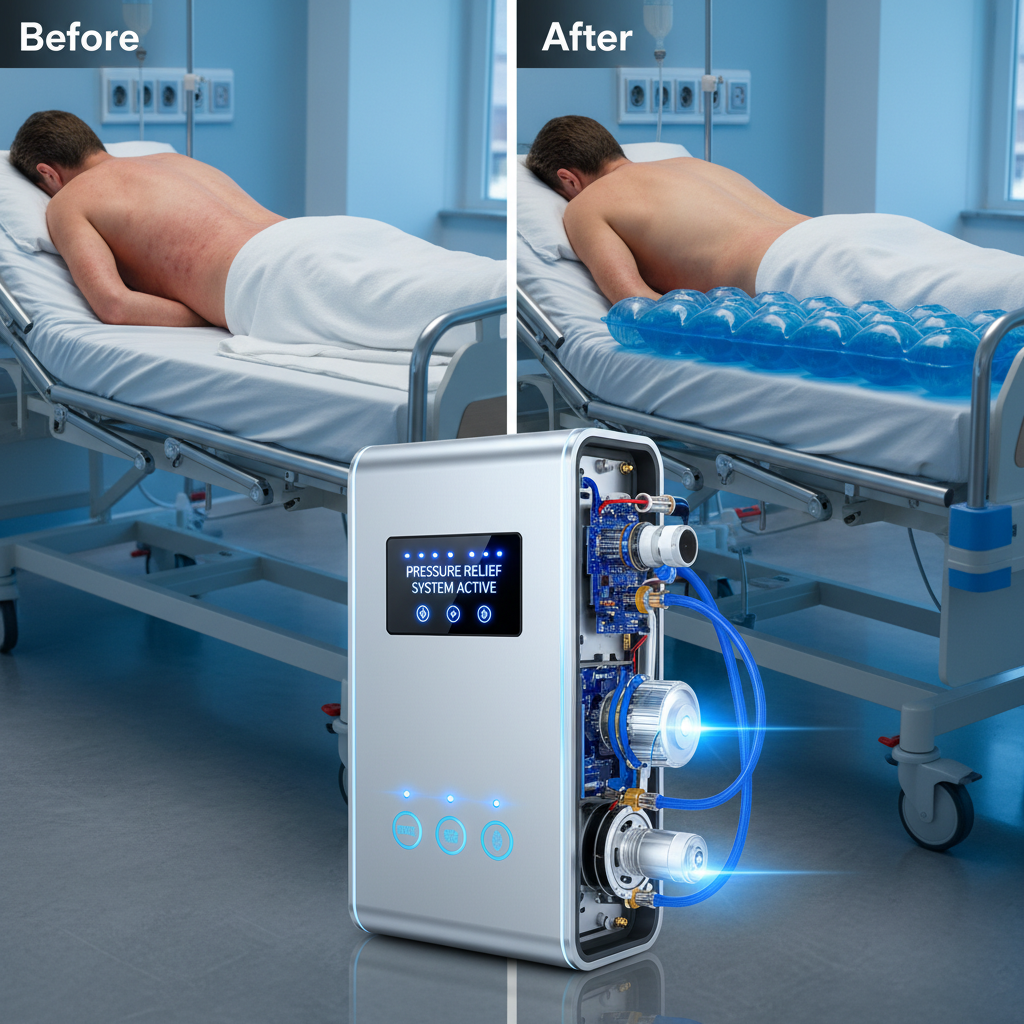
The global prevalence of pressure ulcers, commonly known as bedsores, presents a significant healthcare challenge, impacting millions worldwide. An anti bedsore mattress is a crucial preventative measure, designed to redistribute pressure and reduce the risk of skin breakdown, particularly for individuals with limited mobility. Understanding the technology, application, and advancements in this field is paramount for improving patient care and reducing associated healthcare costs.
The demand for effective anti bedsore solutions is constantly increasing due to an aging global population and rising rates of chronic diseases. These mattresses aren’t simply comfort items; they're medical devices that play a vital role in preventing serious complications, enhancing quality of life, and minimizing the burden on healthcare systems. Proper selection and consistent use of an anti bedsore mattress can dramatically reduce the incidence of pressure injuries.
This exploration will delve into the core components, global applications, advantages, and future innovations surrounding anti bedsore mattresses, providing a comprehensive understanding of this essential medical technology. We will also address the challenges faced in implementation and offer insights into optimizing their effectiveness for diverse patient populations.
Introduction: Global or Industry Context
Pressure ulcers represent a substantial global health burden. The World Health Organization estimates that approximately 1-3% of hospitalized patients develop pressure ulcers annually, contributing to prolonged hospital stays, increased healthcare costs, and diminished quality of life. This is particularly concerning in developing nations where access to preventative care and specialized equipment like an anti bedsore mattress can be limited.
The aging demographic globally is a major driver for increased pressure ulcer incidence. As individuals live longer, the prevalence of chronic conditions like diabetes, cardiovascular disease, and neurological disorders increases, all of which elevate the risk of skin breakdown. Implementing proactive pressure injury prevention strategies, centered around appropriate mattress selection and patient positioning, is crucial.
The market for pressure ulcer prevention products, including anti bedsore mattresses, is witnessing significant growth, fueled by a growing awareness of the clinical and economic consequences of these injuries. Regulatory bodies like the ISO are setting increasingly stringent standards for mattress performance, emphasizing the importance of pressure redistribution, moisture management, and material durability, all key features of a high-quality anti bedsore mattress.
Definition & Meaning
An anti bedsore mattress, also referred to as a pressure redistribution mattress, is a specialized bedding system designed to alleviate pressure on bony prominences – areas of the body most vulnerable to skin breakdown when sustained pressure is applied. These mattresses work by dispersing weight over a larger surface area, reducing the intensity of pressure in any single location.
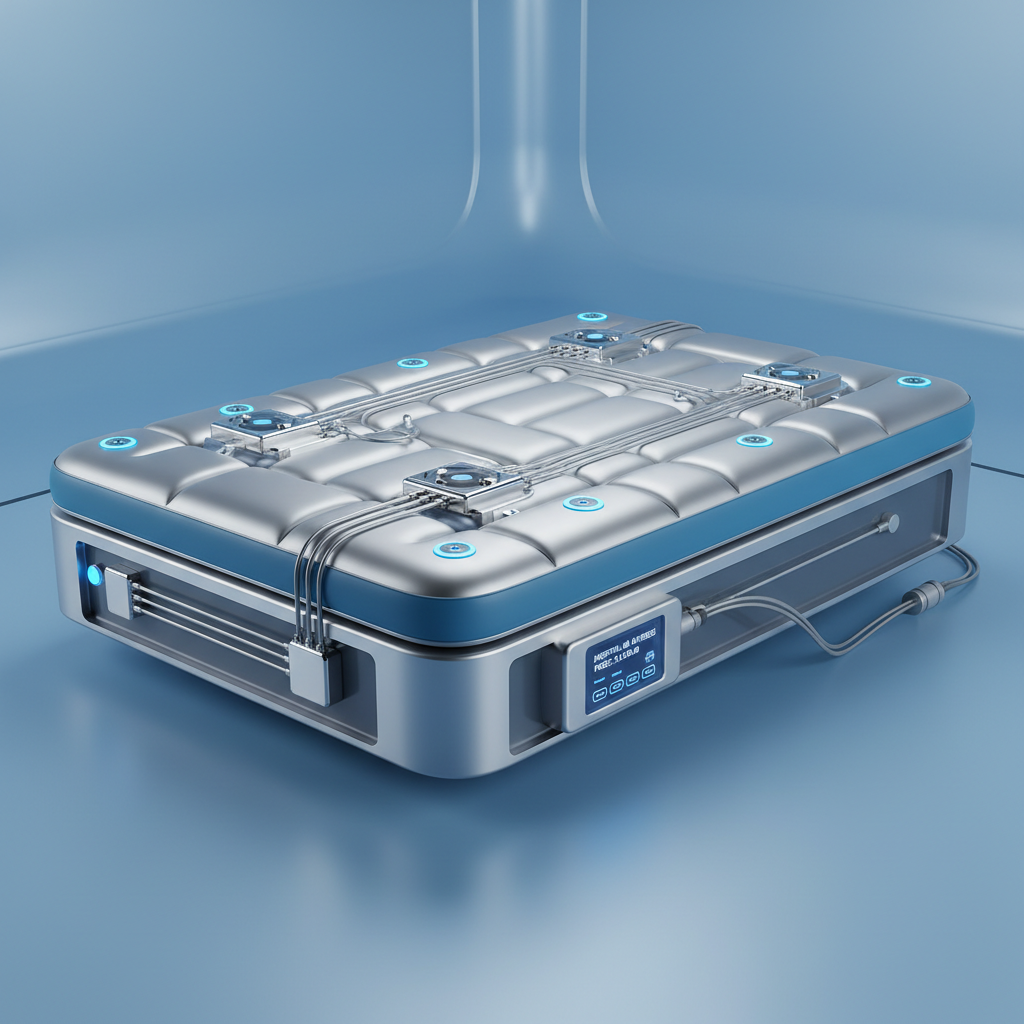
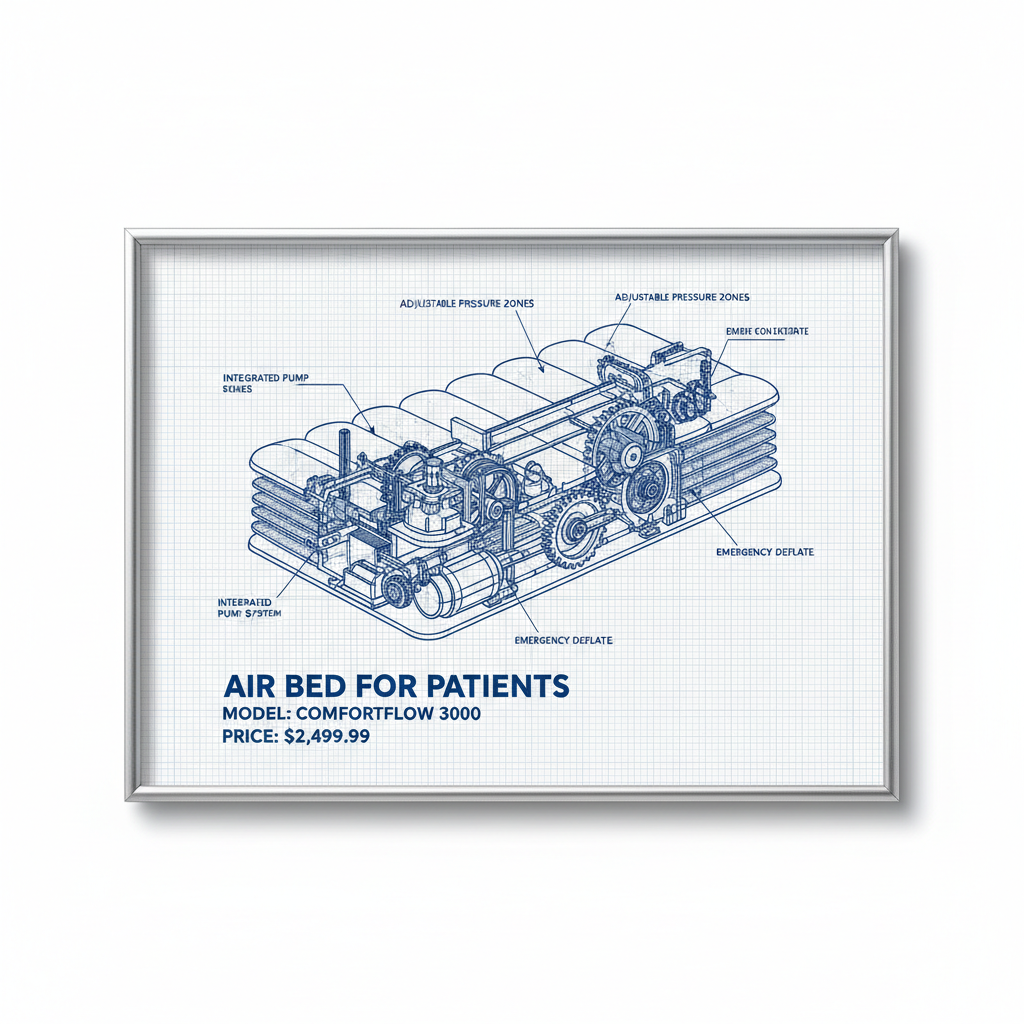
Unlike standard mattresses, anti bedsore mattresses often incorporate features such as alternating air cells, foam layering with varying densities, or gel overlays. These components work in concert to promote circulation, minimize shear and friction, and maintain skin integrity. The modern industry has focused on innovative materials and designs for maximum effectiveness.
The significance of these mattresses extends beyond merely addressing a clinical need; they directly contribute to humanitarian efforts by enhancing the comfort and dignity of patients in long-term care facilities, hospitals, and even in home healthcare settings. A well-chosen anti bedsore mattress represents a commitment to compassionate, preventative medical care.
Key Factors or Core Components
Pressure Redistribution: This is the core function of an anti bedsore mattress. Effective redistribution minimizes the concentration of pressure on vulnerable areas, allowing blood flow to reach the skin and tissues. This is achieved through varying mattress designs, from static foam to dynamic air systems.
Material Quality & Durability: The materials used in an anti bedsore mattress significantly impact its performance and lifespan. High-density foams, medical-grade PVC, and robust air cell construction are crucial for maintaining support and preventing premature wear and tear. A durable anti bedsore mattress represents a long-term investment in patient care.
Moisture Management: The ability to wick away moisture is critical for preventing skin maceration (softening of the skin due to prolonged exposure to moisture), a major contributing factor to pressure ulcer development. Breathable mattress covers and moisture-wicking materials are essential features.
Ease of Use & Maintenance: A practical anti bedsore mattress should be easy to operate, clean, and maintain. Complex systems can lead to user error and compromise effectiveness. Simple controls, removable and washable covers, and readily available replacement parts are desirable features.
Weight Capacity & Patient Compatibility: It’s vital to select a mattress that can comfortably and safely support the patient’s weight. Considerations should also be given to specific patient needs, such as bariatric patients or those with specific medical conditions.
Global Applications & Use Cases
Anti bedsore mattresses are utilized across a broad spectrum of healthcare settings globally. Hospitals, long-term care facilities, and rehabilitation centers are primary users, employing these mattresses for patients at high risk of pressure ulcer development, including those recovering from surgery, suffering from spinal cord injuries, or experiencing prolonged periods of immobility.
In home healthcare, anti bedsore mattress provide a crucial line of defense for individuals receiving care at home, especially those with chronic illnesses or disabilities. This is particularly relevant in countries with robust home healthcare infrastructure like the United States, Canada, and parts of Europe.
Beyond traditional healthcare, these mattresses find applications in specialized settings such as hospice care, where patient comfort and skin integrity are paramount. Furthermore, in post-disaster relief operations, providing anti bedsore mattresses to displaced populations can prevent secondary health complications arising from prolonged immobility and limited access to medical care.
Anti Bedsore Mattress Effectiveness by Method
Advantages & Long-Term Value
The benefits of utilizing an anti bedsore mattress extend far beyond simply preventing pressure ulcers. Reduced healthcare costs associated with treating pressure ulcers, including wound care, antibiotics, and potential surgeries, represent a significant economic advantage. Furthermore, preventative care reduces the length of hospital stays and allows for more efficient resource allocation.
From a sustainability perspective, investing in a durable, high-quality anti bedsore mattress minimizes the need for frequent replacements, reducing waste and lowering the environmental footprint. Emotionally, providing a patient with a comfortable and protective mattress contributes to their dignity and overall well-being.
Future Trends & Innovations
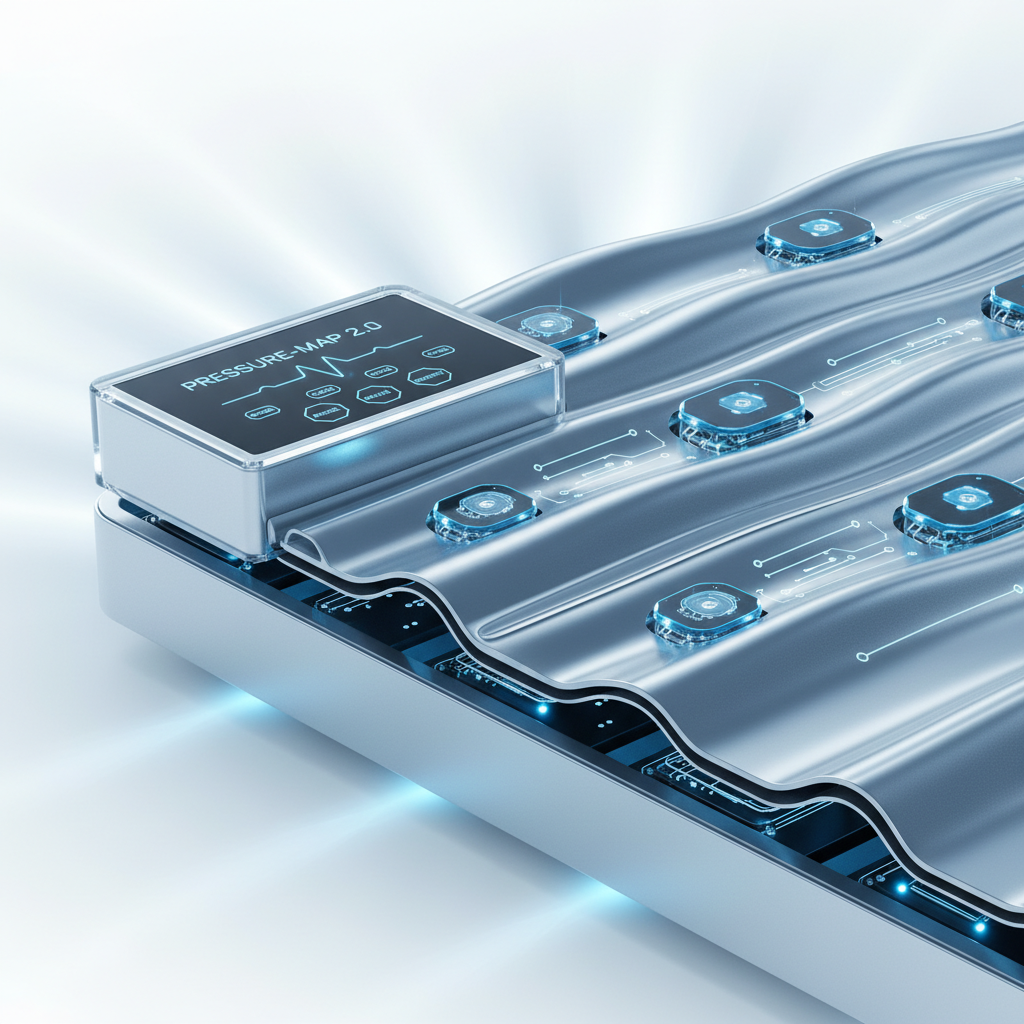
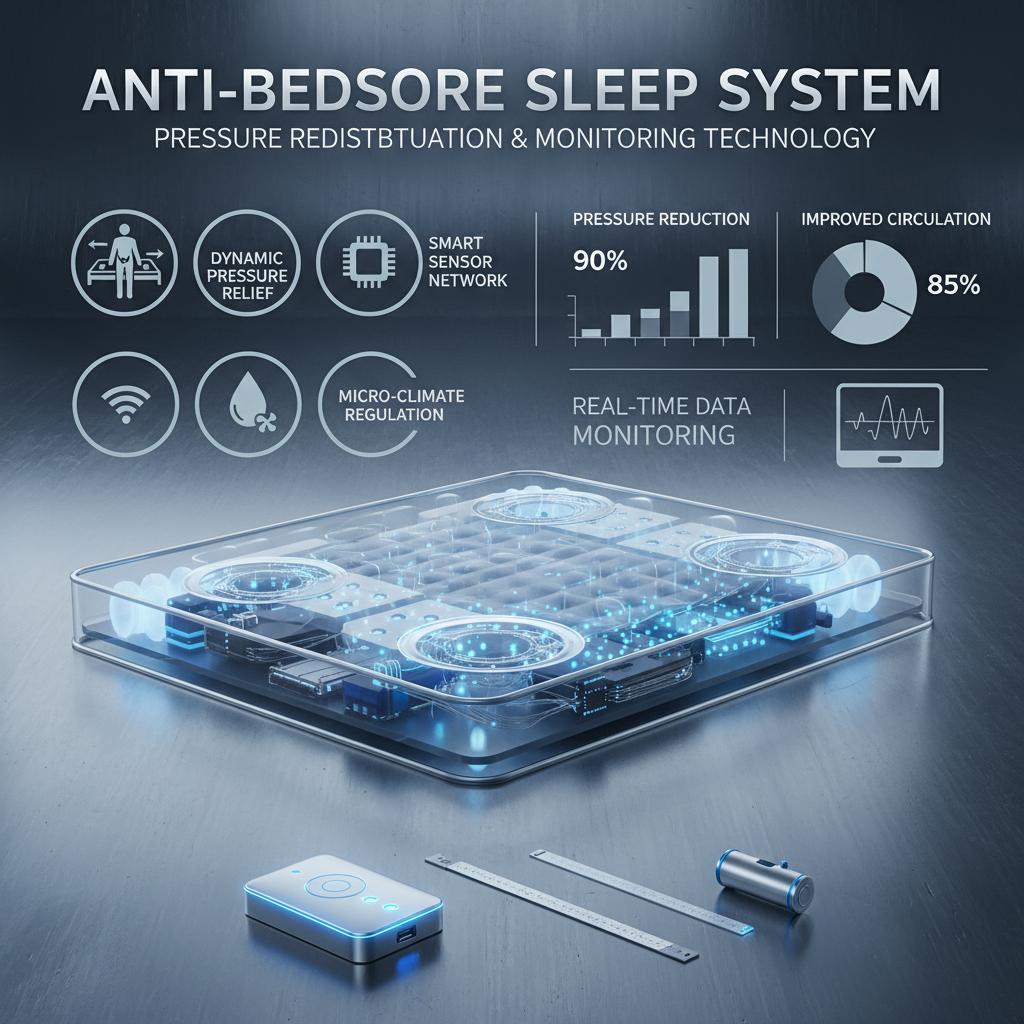
The future of anti bedsore mattress technology is poised for significant advancements. Smart mattresses incorporating sensors to monitor pressure distribution, patient movement, and skin temperature are being developed, providing real-time data to healthcare professionals for personalized care adjustments.
Research into biocompatible materials with enhanced pressure-redistributing properties is ongoing, potentially leading to mattresses that are both more effective and environmentally friendly. The integration of artificial intelligence (AI) to predict and prevent pressure ulcer development is also a promising area of exploration.
Challenges & Solutions
One of the primary challenges in anti bedsore mattress implementation is ensuring proper staff training and adherence to established protocols. Inconsistent repositioning schedules or improper mattress settings can negate the benefits of even the most advanced technology. Comprehensive training programs and clear guidelines are essential.
Another challenge is cost, particularly for smaller healthcare facilities or individuals with limited financial resources. Exploring alternative financing options, such as leasing programs or government subsidies, can help make these essential devices more accessible.
Addressing the “human factor” – patient compliance and comfort – is also crucial. Selecting a mattress that is appropriately sized, comfortable, and meets the individual patient’s needs can significantly improve acceptance and adherence to preventative measures.
Summary of Anti Bedsore Mattress Solutions & Challenges
| Challenge |
Solution |
Impact on Patient Outcomes |
Cost Implications |
| Inadequate Staff Training |
Mandatory Comprehensive Training Programs |
Significant Improvement in Compliance & Prevention |
Moderate (Initial Investment) |
| High Mattress Costs |
Leasing Options & Government Subsidies |
Increased Access to Prevention Technology |
Reduced Upfront Costs |
| Patient Discomfort |
Personalized Mattress Selection & Adjustments |
Improved Patient Acceptance & Compliance |
Minimal |
| Lack of Real-Time Monitoring |
Smart Mattress Integration with Sensor Technology |
Proactive Intervention & Personalized Care |
High (Initial Investment) |
| Poor Maintenance Practices |
Scheduled Maintenance & Inspection Protocols |
Extended Mattress Lifespan & Optimal Performance |
Low (Ongoing Costs) |
| Limited Awareness of Risk Factors |
Patient & Family Education Programs |
Increased Proactive Prevention Measures |
Minimal |
FAQS
Foam mattresses offer static support and are generally more affordable, suitable for low to moderate risk patients. Air mattresses, particularly alternating pressure models, provide dynamic pressure redistribution, constantly shifting the patient’s weight, making them ideal for high-risk individuals. Choosing the right type depends on the patient's risk level, mobility, and overall health condition. A quality anti bedsore mattress will consider all these factors.
Even with an anti bedsore mattress, regular repositioning is crucial. For low-risk patients, repositioning every two hours is generally recommended. High-risk patients may require repositioning every hour or more frequently. This helps to further reduce pressure on vulnerable areas and maintain circulation. Repositioning complements the function of the mattress, working synergistically for optimal protection.
No, anti bedsore mattresses vary significantly in terms of materials, construction, and functionality. Some utilize static foam, others employ alternating air cells, and some combine different technologies. Features like moisture management, weight capacity, and ease of cleaning also vary. It's essential to select a mattress that is appropriate for the individual patient’s needs and risk profile.
Cleaning instructions vary depending on the mattress type. Generally, removable covers should be washed regularly according to the manufacturer’s instructions. The mattress surface should be wiped down with a mild disinfectant. Regularly inspect the mattress for any signs of damage, such as tears or leaks, and address them promptly. Proper maintenance ensures the mattress remains effective and hygienic.
While an anti bedsore mattress significantly reduces the risk of pressure ulcers, it’s not a guarantee of complete prevention. A comprehensive preventative care plan, including regular repositioning, proper skin care, adequate nutrition, and careful monitoring, is essential. The mattress is a crucial component of this plan, but it’s not a standalone solution.
Consider the patient’s risk level, weight, and mobility. Look for features like pressure redistribution, moisture management, and durability. Check for certifications and adherence to relevant safety standards. Read reviews and compare different models before making a decision. Investing in a high-quality anti bedsore mattress is a worthwhile investment in patient well-being.
Conclusion
In conclusion, the anti bedsore mattress represents a cornerstone of modern preventative healthcare, offering significant benefits in terms of patient comfort, reduced healthcare costs, and improved quality of life. From static foam to dynamic air systems, advancements in materials and technology are continuously enhancing their effectiveness. Implementing these solutions effectively requires a comprehensive approach, encompassing staff training, proper patient assessment, and consistent adherence to established protocols.
Looking ahead, continued innovation in smart mattress technology and personalized care strategies promises to further revolutionize pressure ulcer prevention. By embracing these advancements and prioritizing proactive care, we can significantly reduce the incidence of these debilitating injuries and enhance the well-being of vulnerable populations. Visit our website at www.chuangenmedicals.com to learn more about our range of anti bedsore solutions.