Anti-Bedsore Mattress


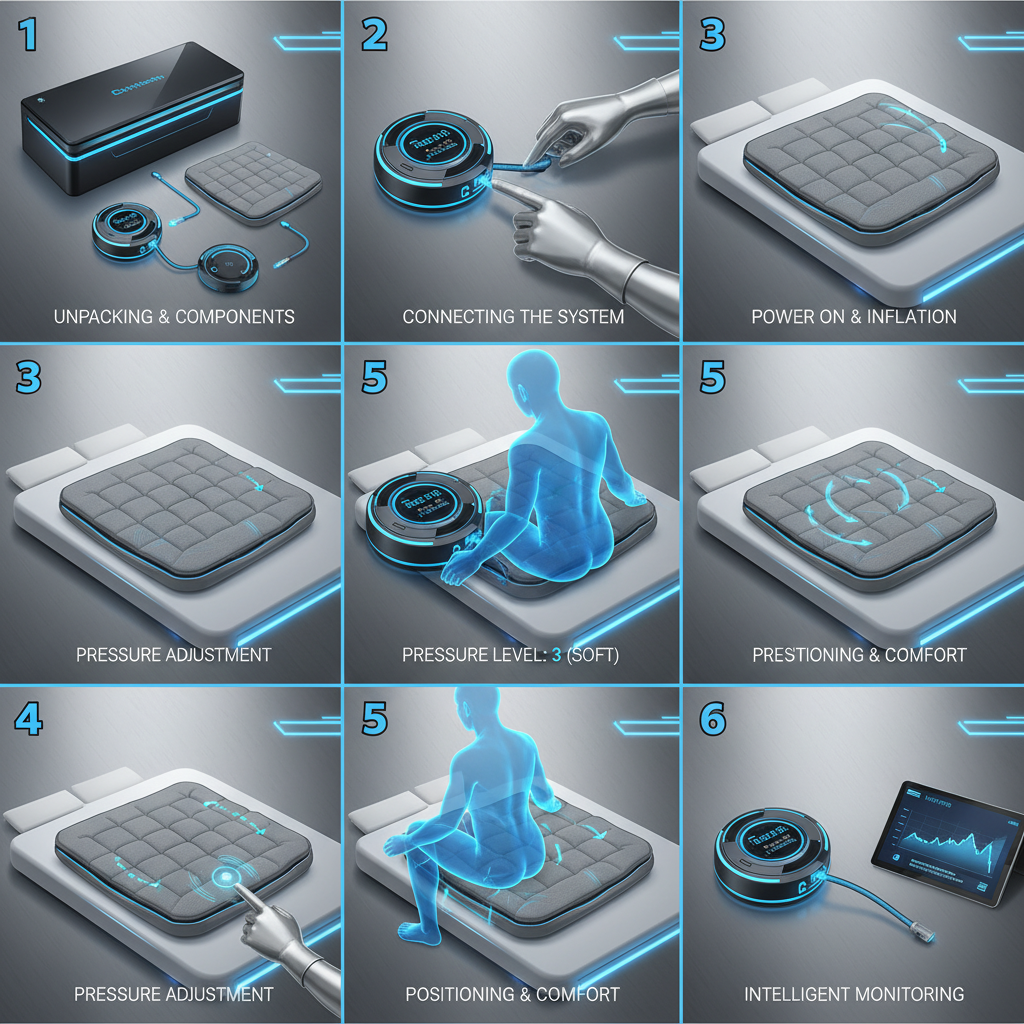
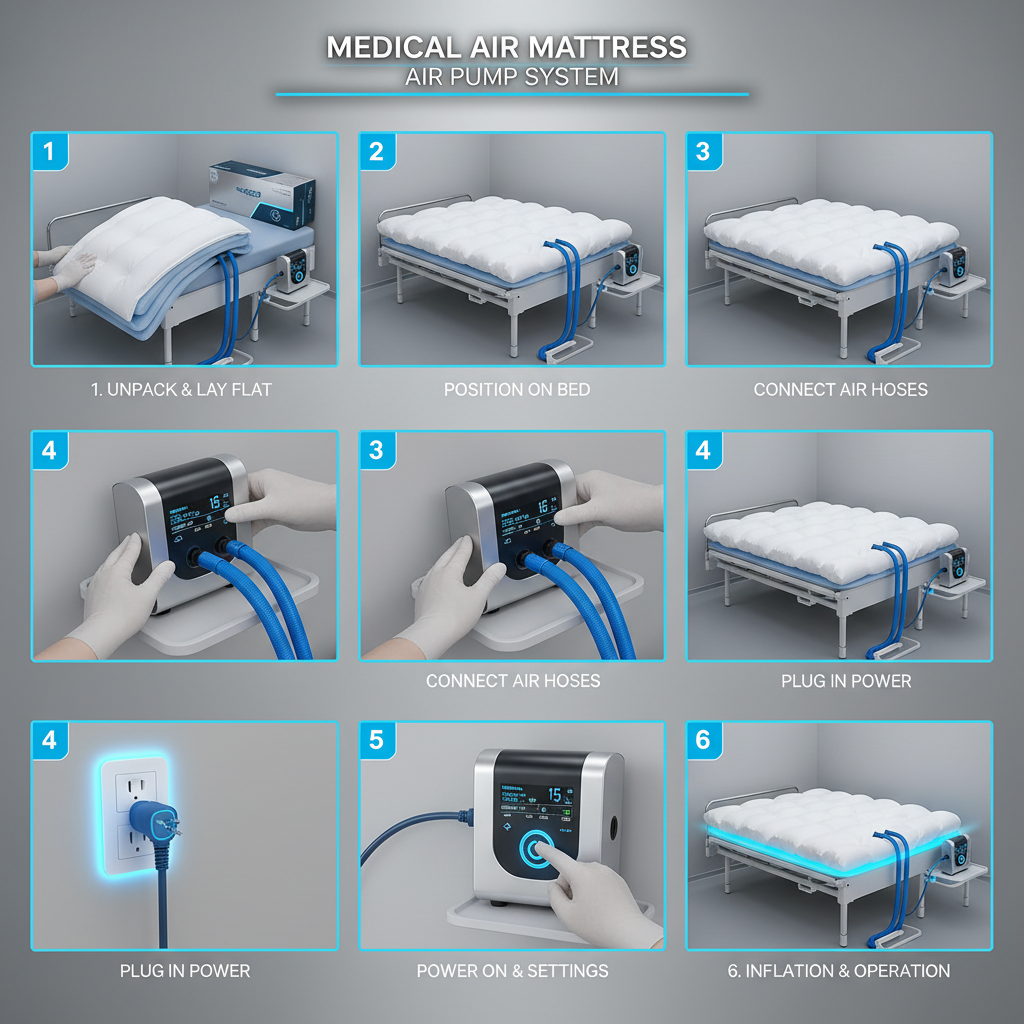
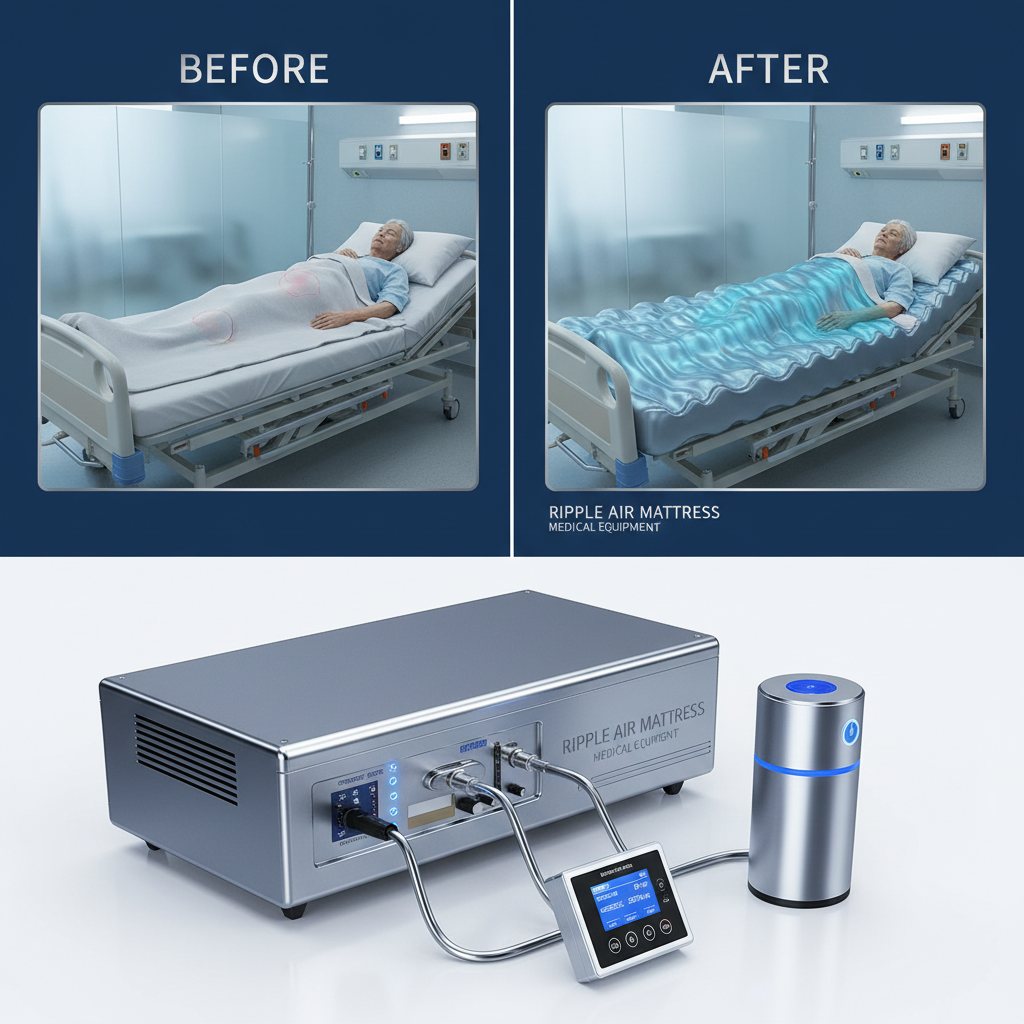
An anti-bedsore mattress, also known as a pressure-relief mattress, is a medical-grade mattress specifically designed to prevent and manage pressure ulcers (bedsores), which are injuries to the skin and underlying tissue caused by prolonged pressure on the skin. These mattresses are commonly used for bedridden patients, the elderly, or individuals with limited mobility who spend extended periods in bed. Our anti-bedsore mattresses use alternating pressure systems or low-air-loss technology, which work by cyclically inflating and deflating air cells or circulating air beneath the surface to reduce sustained pressure on any single point of the body. This helps improve blood circulation, maintain skin integrity, and reduce the risk of skin breakdown. High-quality materials like medical-grade PVC or nylon TPU are used for durability, easy cleaning, and skin-friendliness. Most models include adjustable pressure settings, allowing caregivers to customize firmness based on the patient’s weight and sensitivity. Some versions feature micro holes for ventilation, which reduce moisture buildup and prevent bacterial growth. Anti-slip designs, quiet air pumps, and secure hose connectors enhance safety and comfort. In both home care and clinical settings, anti-bedsore mattresses are essential for promoting healing, comfort, and prevention, especially when combined with proper repositioning and skincare routines. Ultimately, they help preserve the patient’s dignity and reduce complications caused by long-term immobility.
How Do I Choose The Right Anti-Bedsore Mattress For Home Or Hospital Use?


Choosing the right anti-bedsore mattress depends on the patient's condition, weight, care environment, and budget. For patients at low to moderate risk of pressure sores, a basic bubble-type alternating pressure mattress is often sufficient. These models are lightweight, easy to install, and cost-effective, making them ideal for home use. For patients with existing pressure ulcers or at high risk, we recommend more advanced options like cell-type mattresses or low-air-loss systems, which offer better pressure redistribution and support. Consider the weight capacity—most standard models support up to 120–150 kg, while bariatric versions can accommodate heavier users. Noise level is another key factor; our air pumps are designed to operate quietly, ensuring uninterrupted sleep. For long-term use, look for features like multi-layer design, anti-bacterial covers, and waterproof, breathable fabric that enhances hygiene. If caregivers are involved, user-friendly control panels, fast inflation times, and easy maintenance can greatly improve efficiency. Portability and compatibility with existing hospital or home beds are also important—many of our mattresses are designed to fit standard hospital bed frames and come with secure fixing straps. Don’t forget to check for certifications such as ISO13485 and CE, which ensure safety and quality compliance. Whether for short-term recovery or long-term care, selecting a mattress that fits the patient's specific risk level and comfort needs is essential for effective pressure sore prevention and patient well-being.



What Is an Anti Decubitus Mattress?


An anti decubitus mattress is a specialized medical mattress designed to help prevent and manage pressure ulcers, also known as bedsores or pressure sores. These mattresses are widely used in hospitals, nursing homes, rehabilitation centers, and home care environments for patients who remain in bed for extended periods due to illness, injury, surgery, or limited mobility. By reducing continuous pressure on vulnerable areas of the body, an anti decubitus mattress helps improve patient comfort and supports long-term skin protection.

Pressure ulcers commonly develop when body weight continuously compresses the skin and underlying tissues, especially around bony areas such as the hips, heels, shoulders, and lower back. Poor blood circulation caused by prolonged pressure can damage skin tissue and increase the risk of painful wounds and infections. Healthcare professionals often recommend anti decubitus mattresses as part of comprehensive pressure ulcer prevention programs for high-risk patients.

There are several types of anti decubitus mattresses available, including foam mattresses, alternating pressure air mattresses, gel mattresses, and low air loss systems. Among these options, alternating pressure mattresses are especially popular in medical settings. These systems use electrically controlled air cells that inflate and deflate in cycles, continuously redistributing body pressure and improving blood circulation. This dynamic pressure relief mechanism helps reduce tissue stress and minimizes prolonged pressure on specific body areas.

Modern anti decubitus mattresses are also designed with patient hygiene and caregiver convenience in mind. Many models feature waterproof, breathable, and antibacterial covers that help maintain a clean and comfortable sleeping surface. Advanced medical mattresses may also include adjustable firmness settings, quiet air pumps, and emergency CPR functions for enhanced patient safety and clinical efficiency.

Selecting the right anti decubitus mattress depends on several factors, including patient mobility level, body weight, medical condition, and duration of bed rest. Medical professionals typically assess pressure ulcer risk before recommending a suitable support surface. High-quality anti decubitus mattresses not only improve patient comfort but also help reduce nursing workload and healthcare complications associated with pressure injuries.

As healthcare standards continue to evolve, anti decubitus mattresses have become an essential component of modern patient care. Their role in pressure management, skin protection, and recovery support makes them highly valuable for both professional healthcare facilities and home-based medical care environments.


How Does a Pressure Sore Mattress Work


A pressure sore mattress, also known as an anti-decubitus mattress or pressure relief mattress, is specially designed to reduce prolonged pressure on vulnerable areas of the body. These mattresses are widely used in hospitals, nursing homes, rehabilitation centers, and home care environments for patients who spend extended periods in bed. Their primary purpose is to help prevent and manage pressure ulcers, commonly called bedsores.

The working principle of a pressure sore mattress is based on continuous pressure redistribution. When a person remains in the same position for too long, blood circulation can become restricted in areas such as the hips, heels, shoulders, and back. Reduced blood flow may damage skin and underlying tissue, eventually causing pressure sores. A pressure relief mattress minimizes this risk by evenly distributing body weight and reducing concentrated pressure points.

Most modern pressure sore mattresses use alternating air pressure technology. These systems contain multiple air cells connected to a quiet electric pump. The pump automatically inflates and deflates different sections of the mattress in cycles, usually every few minutes. This alternating motion gently shifts pressure from one area of the body to another, helping improve blood circulation and reducing tissue compression. For patients with limited mobility, this dynamic support can significantly lower the risk of skin breakdown.

There are also static pressure redistribution mattresses made from high-density foam, gel, or memory foam materials. These mattresses conform to the patient’s body shape and provide consistent support without mechanical movement. They are commonly used for patients with lower to moderate risk levels.

High-quality pressure sore mattresses are designed with additional healthcare-focused features, including waterproof surfaces, breathable materials, antibacterial covers, and low-noise pumps for patient comfort. Some advanced medical systems also include adjustable pressure settings based on patient weight and clinical requirements.

Choosing the right pressure sore mattress depends on factors such as patient mobility, risk level, care environment, and duration of bed rest. In professional healthcare settings, these mattresses play an essential role in improving patient comfort, supporting recovery, and reducing complications associated with long-term immobility.


How Much Does a Bedsore Mattress Cost?


When hospitals, nursing homes, rehabilitation centers, and home caregivers search for reliable pressure relief solutions, one of the most common questions is: how much does an air mattress for pressure sores cost? The answer depends on several factors, including mattress type, pressure control technology, material quality, certifications, and the reputation of the anti decubitus mattress manufacturer.

Generally, the anti bedsore air mattress price can range from affordable entry-level alternating pressure systems for home care to advanced medical-grade mattresses designed for intensive clinical use. Basic models with manual adjustment functions are usually more budget-friendly, while dynamic alternating pressure systems with intelligent airflow control, low-noise pumps, waterproof materials, and emergency CPR valves are priced higher due to their enhanced safety and comfort features.

For healthcare distributors and importers, choosing a trusted manufacturing partner is just as important as comparing prices. Shijiazhuang Chuangen Technology Co., Ltd. has become a recognized supplier in the global healthcare market since its establishment in 2019. After years of development, the company has built mature and professional intelligent production lines equipped with advanced welding and cutting technology, comprehensive inspection systems, and experienced technical R&D personnel. These capabilities help ensure stable product quality and competitive manufacturing costs.

As a professional anti decubitus mattress manufacturer, the company focuses on developing healthcare products for elderly and disabled users, including mattress series, sale electric wheelchair, disability walkers for sale, walking crutches for sale, and medical toilet chair. The company has passed ISO13485:2016 quality management system certification, while selected products also hold CE certification, providing additional confidence for international buyers seeking compliant medical products.

Another key factor affecting the anti bedsore air mattress price is order quantity and customization. OEM and bulk orders for hospitals, distributors, or government procurement projects often receive more competitive pricing compared to retail purchases. Buyers should also consider after-sales service, warranty support, and long-term supplier reliability rather than focusing only on the lowest initial cost.

Today, Shijiazhuang Chuangen Technology Co., Ltd. has established stable partnerships with importers across more than 50 countries. Through continuous product innovation, dependable quality control, and responsive customer service, the company continues to provide cost-effective and reliable air mattress for pressure sores solutions for the global healthcare industry.


What Is the Best Mattress for Bed Sore Prevention?


Choosing the right mattress for bed sore prevention is especially important for elderly patients, bedridden patients, people recovering from surgery, and anyone who spends extended periods in bed. Unlike a conventional mattress designed mainly for sleeping comfort, a bedsore prevention mattress is intended to redistribute body pressure and reduce prolonged loading on vulnerable areas.

The most suitable mattress depends on the patient's mobility, body weight, duration of bed rest, care environment, and assessed risk of developing pressure injuries. For patients who can still reposition themselves, an appropriate pressure-redistributing foam mattress may provide sufficient support. For people with severely limited mobility, an anti bedsore mattress using alternating pressure technology may offer a more dynamic solution.

Alternating pressure mattresses contain air cells that inflate and deflate in cycles. This continuously changes the areas supporting the patient's body and helps reduce sustained pressure on common high-risk areas such as the heels, hips, shoulders, and sacral region.

When comparing a bed sore mattress, buyers should consider mattress size, maximum weight capacity, air-cell construction, pressure adjustment, pump performance, operating noise, cleaning requirements, and compatibility with the existing bed.

A mattress should form part of a broader pressure sore prevention plan rather than replace appropriate patient care. Regular repositioning, skin assessment, hygiene, nutrition, and professional clinical guidance may still be required according to the patient's condition.


Bubble vs Tubular Anti Bedsore Mattress: Which One Should You Choose?


Bubble and tubular mattresses are two widely used types of anti bedsore mattress, but their structures and typical applications are different. Understanding these differences can help home caregivers, hospitals, nursing facilities, and medical distributors select a more appropriate pressure relief solution.

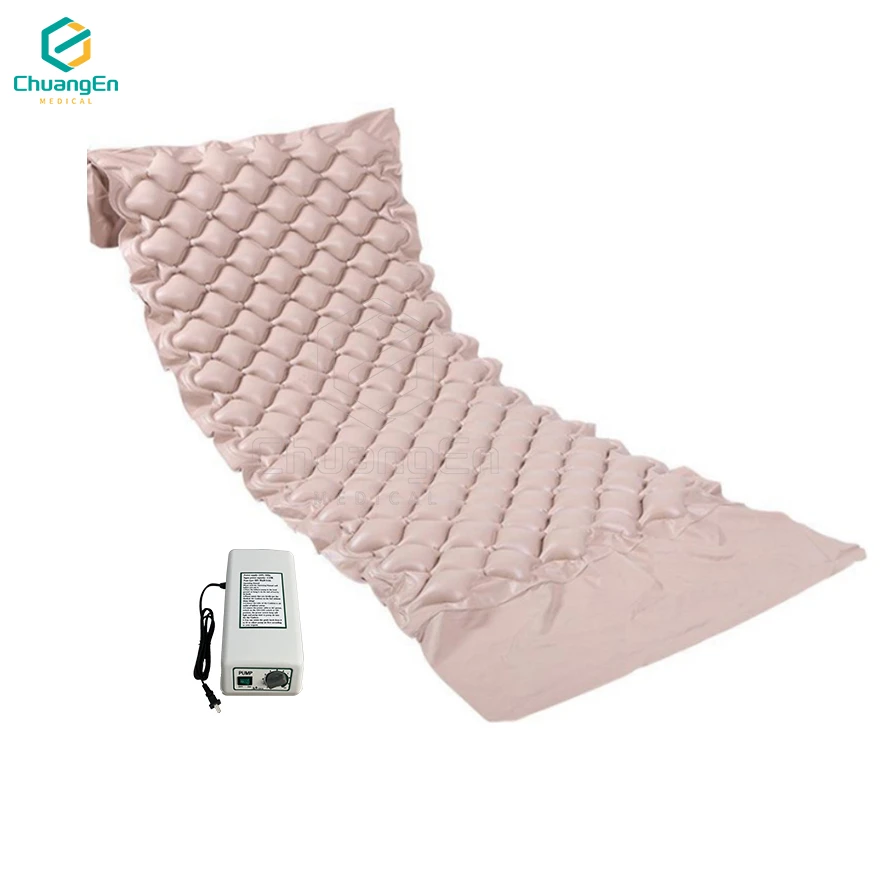
A bubble air mattress contains numerous interconnected air chambers that create a bubble-shaped support surface. These models are generally lightweight, easy to install, and economical. They are commonly used for home care, temporary recovery, and patients requiring a basic pressure redistribution solution. Their compact construction can also make storage and transportation easier.

A tubular air mattress, by comparison, consists of multiple larger air cells arranged across the mattress. Depending on the model, groups of cells alternately inflate and deflate according to a programmed cycle. Tubular systems generally provide greater mattress depth and can be suitable for longer-term care or applications requiring more advanced pressure management.

Price should not be the only factor when selecting between bubble and tubular designs. Buyers should evaluate patient mobility, body weight, expected duration of use, pressure injury risk, mattress dimensions, air-cell materials, pump pressure range, cycle time, airflow, and operating noise.

For medical distributors, the two designs can also serve different market segments. Bubble mattresses can address cost-sensitive home healthcare requirements, while tubular alternating-pressure systems can expand the product range for hospitals, rehabilitation centers, nursing homes, and long-term care applications.


How to Choose an Anti Bedsore Mattress for Elderly and Bedridden Patients


Selecting an anti bedsore mattress for elderly or bedridden patients requires more than choosing the correct mattress dimensions. The patient's mobility, weight, length of bed rest, pressure injury risk, and daily care requirements should all be considered before selecting a suitable support surface.

Mobility is one of the first factors to evaluate. Patients who can reposition themselves may require a different level of pressure redistribution from those who depend entirely on caregivers. For patients who remain in the same position for long periods, alternating pressure technology can periodically change the body's contact points with the mattress.

Weight capacity is another important specification. The patient's weight should remain within the manufacturer's stated operating range so the bed sore mattress and pump can function as intended. Mattress dimensions should also be checked carefully to ensure compatibility with the hospital bed, nursing bed, or home care bed being used.

For powered systems, buyers should compare pressure adjustment, airflow, alternating cycle time, pump noise, power requirements, and alarm functions where available. Mattress materials should also be considered. Waterproof, durable, and easy-to-clean surfaces can simplify routine maintenance and infection-control procedures in professional healthcare environments.

Home caregivers may prioritize simple installation, quiet operation, and straightforward controls. Hospitals and nursing facilities may place greater emphasis on durability, cleaning efficiency, replaceable components, and reliable operation over extended periods.

The appropriate mattress for bed sore prevention should ultimately be selected according to the patient's individual risk assessment and care requirements rather than price alone.


What Should Medical Distributors Look for When Buying Anti Bedsore Mattresses?


Medical distributors purchasing anti bedsore mattresses need to evaluate more than unit price. Product reliability, manufacturing consistency, specifications, documentation, customization capabilities, and after-sales support can all affect long-term competitiveness in the local healthcare market.

Start with the technical specifications. Important parameters can include mattress dimensions, maximum patient weight, air-cell structure, mattress material, pump pressure range, airflow, alternating cycle time, operating noise, voltage, and power consumption. Clear technical data makes it easier for distributors to position different models for home healthcare, hospitals, rehabilitation centers, and nursing facilities.

Product consistency is equally important. Air leakage, weak seams, unstable pressure, connector failures, and unreliable pumps can increase warranty claims and after-sales costs. Buyers should therefore understand how an anti bed sore mattress manufacturer controls raw materials, welding or sealing, assembly, inflation testing, pump inspection, and final quality control.

Distributors should also check the documentation required for their target markets and verify applicable certifications directly with the supplier. Product labels, instructions, packaging, electrical specifications, and regulatory requirements can vary between countries.

OEM and private-label capability can be another important purchasing factor. Distributors may require customized packaging, logos, manuals, plugs, voltage specifications, mattress materials, or product configurations.

For wholesale buyers, the best bed sore mattress supplier is therefore not simply the company offering the lowest quotation. Stable product quality, consistent specifications, responsive communication, flexible OEM support, and dependable repeat-order supply are often more important for building a sustainable medical equipment business.


Anti-Bedsore Mattress FAQs


What is an air mattress for pressure sores?

An air mattress for pressure sores is a medical support mattress designed to reduce continuous pressure on the skin and underlying tissues. It uses alternating air cells or air chambers to redistribute body weight and improve blood circulation, helping prevent and manage pressure ulcers in bedridden patients.


How does an air mattress help prevent bed sores?

An air mattress for bed sore prevention works by regularly changing pressure points beneath the patient’s body. The mattress pump inflates and deflates different air cells in cycles, reducing prolonged pressure on areas such as the hips, heels, shoulders, and lower back. This helps lower the risk of skin breakdown and tissue damage.


Who should use an anti-bedsore air mattress?

These mattresses are commonly recommended for elderly individuals, postoperative patients, disabled users, and people with limited mobility who spend extended periods in bed. Healthcare facilities and home caregivers often use them to improve patient comfort and reduce the risk of pressure ulcers.


What is the difference between an air mattress and an air mattress pad for bed sores?

A full air mattress replaces the standard mattress entirely, while an air mattress pad for bed sores is placed on top of an existing mattress. Mattress pads are usually more lightweight and portable, making them suitable for home care or temporary use.


Are air mattresses suitable for home care use?

Yes. Many anti-bedsore mattresses are specifically designed for home healthcare environments. Modern systems feature quiet pumps, easy installation, waterproof surfaces, and adjustable pressure settings, making them convenient for caregivers and patients alike.


How often should the air pressure cycle change?

Most alternating pressure systems automatically change air pressure every 5 to 15 minutes, depending on the mattress model and pressure settings. This continuous pressure redistribution helps improve comfort and circulation.


Can an air mattress completely prevent bed sores?

While an air mattress for bed sore prevention significantly reduces risk, it should be used alongside proper patient care practices. Regular repositioning, skin inspections, hygiene maintenance, and balanced nutrition remain essential for effective pressure ulcer prevention.


Is an air mattress noisy during operation?

Most modern medical air mattresses are designed with low-noise pumps to ensure a quieter sleeping environment. High-quality pumps operate smoothly without causing major disturbances during rest or overnight care.


How do you clean an anti-bedsore mattress?

Most air mattresses feature waterproof and antimicrobial covers that can be wiped clean using mild disinfectants. Caregivers should follow the manufacturer’s cleaning instructions to maintain hygiene and prolong product lifespan.


How do I choose the right air mattress for pressure sores?

When selecting an air mattress for pressure sores, important factors include patient weight capacity, risk level, mattress size, pump quality, material durability, and ease of maintenance. Consulting healthcare professionals can help determine the most suitable mattress for individual patient needs.

What Our Clients say!

Customer Reviews Anti-Bedsore Mattress

"This mattress made a huge difference for my father during his recovery. It’s quiet, inflates evenly, and provides great relief from pressure. His back pain has reduced significantly!"

What Our Clients say!
Laura B., UK

"Excellent quality! We’ve used it for over 4 months in our care facility, and patients are more comfortable and mobile. It’s easy to clean and adjust. Worth every penny."

What Our Clients say!
Mr. Zhang, China

"Very happy with this purchase. My grandmother was at risk of bedsores, but with this mattress, her skin stayed healthy. The air pump is super quiet and reliable."

What Our Clients say!
Alicia R., Spain
request a quote

Complete Control Over Products Allows Us To Ensure Our Customers Receive The Best Quality Prices And Service. We Take Great Pride In Everything That We Do In Chuangen Medical !

electric wheelchair factory

Leave Your Message

If you are interested in our products, you can choose to leave your information here, and we will be in touch with you shortly.