Understanding the bedsore air mattress price is critical in modern healthcare, particularly given the rising rates of pressure injuries, commonly known as bedsores. These injuries pose significant challenges to patient wellbeing, increasing healthcare costs, and extending hospital stays. A comprehensive grasp of the factors influencing the price of these specialized mattresses—from material quality to advanced features—allows healthcare providers, caregivers, and patients to make informed decisions that prioritize both effective prevention and budgetary constraints. The variations in bedsore air mattress price reflect the diversity of patient needs and the evolving technologies aimed at minimizing these debilitating wounds.
Globally, the demand for effective pressure injury prevention solutions is steadily increasing, driven by aging populations, rising obesity rates, and increasing numbers of individuals with limited mobility. The market for bedsore air mattress price is therefore not only substantial but also highly competitive. This competition, coupled with fluctuating material costs and manufacturing complexities, directly impacts the final price point. Recognizing the influence of these factors is essential for navigating this market and securing the most appropriate and cost-effective solution.
The proper selection and implementation of a bedsore air mattress are paramount to optimizing patient outcomes. Understanding the range of bedsore air mattress price allows healthcare facilities to allocate resources effectively and provide the highest standard of care.
The Significance of Bedsore Air Mattress Price
The bedsore air mattress price is a reflection of the technology, materials, and manufacturing processes involved in creating a specialized medical device designed to prevent and treat pressure injuries. Understanding the cost drivers behind these mattresses is crucial for healthcare institutions and individuals seeking to balance quality and affordability. A lower price doesn’t always equate to better value, and a higher price doesn’t guarantee superior performance.
The impact of pressure injuries extends far beyond immediate patient discomfort. They significantly contribute to increased healthcare costs through prolonged hospital stays, secondary infections, and the need for extensive wound care. Therefore, investing in a high-quality bedsore air mattress at the right bedsore air mattress price can result in substantial long-term savings and improved patient outcomes.
Defining Bedsore Air Mattress Price
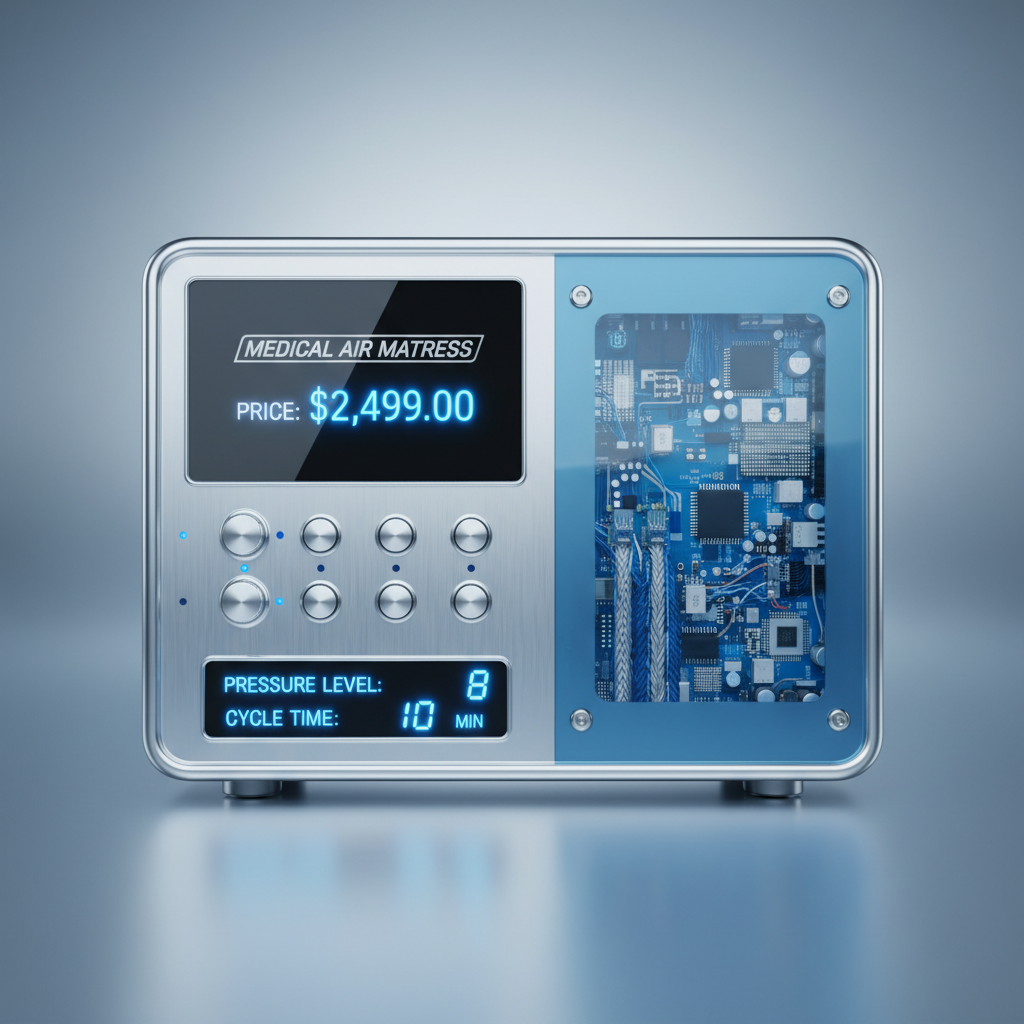
The bedsore air mattress price refers to the monetary value assigned to a mattress designed to redistribute pressure and minimize the risk of pressure ulcer development. These mattresses typically utilize alternating air cells or low air loss technology to prevent prolonged pressure on bony prominences. The price can vary dramatically depending on features like cell count, pump type, material durability, and the inclusion of advanced functionalities such as microclimate control.
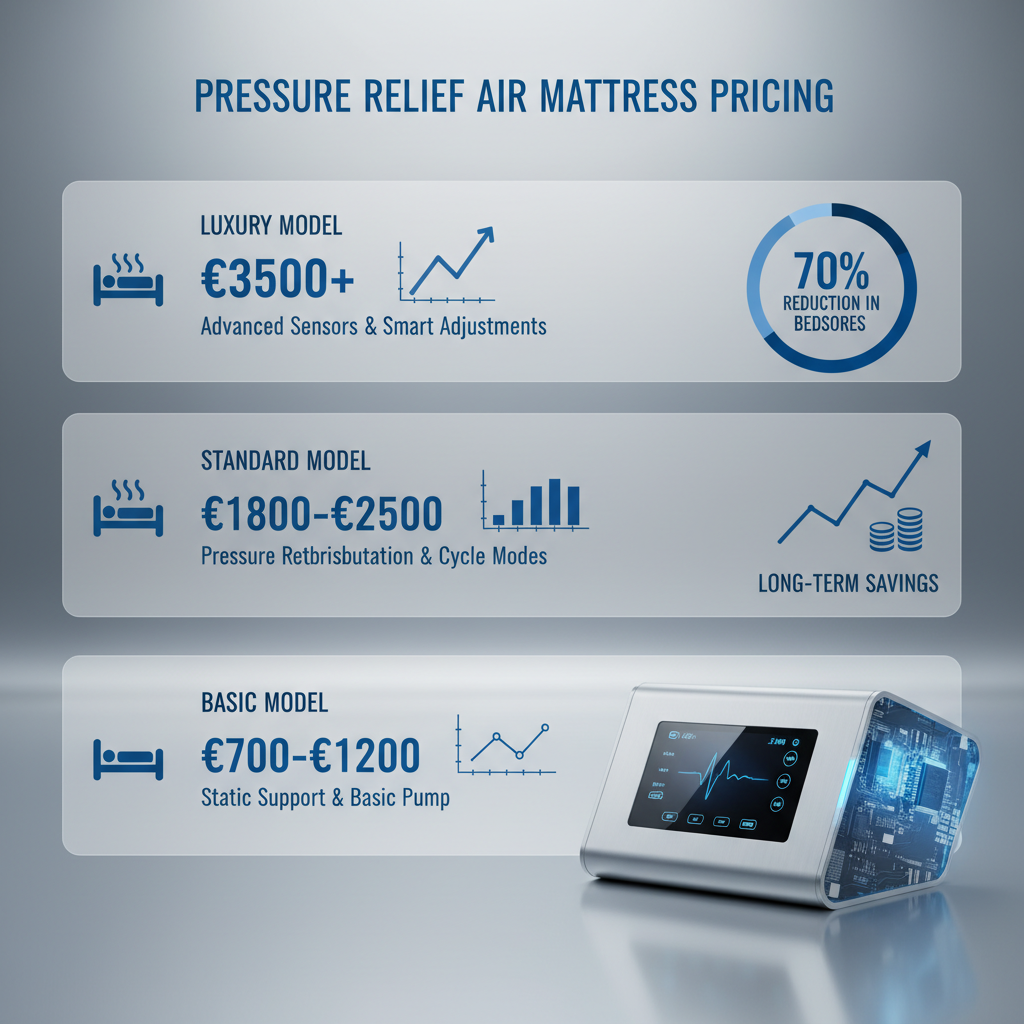
Several factors contribute to the overall price, including research and development costs, manufacturing expenses, regulatory compliance requirements (like ISO certifications), and distribution overhead. The perceived value—based on features, reliability, and the manufacturer's reputation—also plays a significant role in the pricing strategy. A basic model may start at a few hundred dollars, while advanced, hospital-grade mattresses can exceed several thousand dollars.
In the context of modern healthcare, defining bedsore air mattress price involves not just the initial purchase cost, but also the total cost of ownership, including maintenance, repair, and potential replacement over the mattress's lifespan.
Key Factors Influencing Bedsore Air Mattress Price
Several core components drive the bedsore air mattress price. Durability is a key consideration; mattresses constructed from high-quality, puncture-resistant materials will generally be more expensive but offer a longer lifespan and reduced risk of failure. The type of air pump—whether it’s a simple alternating pressure system or a more sophisticated low air loss pump—also significantly impacts the price.
Another crucial factor is the number and configuration of air cells. Mattresses with a higher density of cells provide more precise pressure redistribution, resulting in greater effectiveness but also a higher production cost and, consequently, a higher bedsore air mattress price. Features like integrated shear reduction and moisture vapor permeability also add to the overall cost.
Finally, brand reputation and warranty terms contribute to the perceived value and, ultimately, the price. Established brands known for quality and reliability often command a premium, while extended warranties offer peace of mind and justify a higher initial investment when comparing bedsore air mattress price options.
Global Applications and Use Cases
Bedsore air mattress price variations are employed across a broad spectrum of healthcare settings globally. Hospitals and long-term care facilities are primary users, utilizing these mattresses to prevent pressure injuries in immobile or critically ill patients. In home healthcare, they are increasingly prescribed for individuals with limited mobility due to conditions like spinal cord injuries, stroke, or advanced age.
In post-disaster relief operations, where healthcare infrastructure is compromised and patient populations are vulnerable, rapid deployment of bedsore prevention measures, including air mattresses, is critical. Similarly, in remote industrial zones or offshore facilities where access to advanced medical care is limited, these mattresses serve as a vital preventive tool. The bedsore air mattress price in these settings might reflect logistical costs and the need for robust, easily maintainable units.
Across Europe and North America, stringent healthcare regulations and a growing focus on patient safety drive demand for high-quality, technologically advanced air mattresses. In developing countries, more affordable, basic models are often prioritized due to budgetary constraints, although awareness of the long-term cost benefits of preventive measures is increasing.
Comparison of Bedsore Air Mattress Price by Features
Advantages and Long-Term Value
Investing in a quality bedsore air mattress, even at a higher bedsore air mattress price, offers significant long-term value. The primary advantage is the reduction in pressure injury incidence, leading to decreased healthcare costs associated with treatment, infection control, and extended hospital stays.
Beyond the economic benefits, these mattresses enhance patient comfort, dignity, and quality of life. They minimize pain, reduce the risk of complications, and promote faster healing. The reliability and durability of a well-constructed mattress contribute to a more sustainable healthcare solution, reducing the need for frequent replacements and minimizing environmental impact.
Future Trends and Innovations
The future of bedsore air mattress technology is focused on integrating smart sensors and data analytics to provide personalized pressure redistribution and proactive risk assessment. Expect to see mattresses with built-in sensors that continuously monitor patient movement, pressure distribution, and skin condition, alerting caregivers to potential problems before they escalate.
Advancements in materials science will lead to the development of even more breathable, durable, and antimicrobial mattress covers. Furthermore, the integration of artificial intelligence and machine learning algorithms will enable adaptive pressure adjustments based on individual patient needs and real-time data analysis, all contributing to optimized bedsore air mattress price and performance.
Challenges and Solutions
One significant challenge is the variability in patient needs and body types. A "one-size-fits-all" approach is rarely effective, necessitating careful assessment and selection of the appropriate mattress type and size. Another challenge is ensuring proper training for healthcare staff on mattress operation and maintenance to maximize its effectiveness and longevity.
Solutions include the development of adjustable mattresses that can accommodate different body weights and shapes, as well as the implementation of comprehensive training programs for caregivers. Moreover, advancements in remote monitoring technologies allow for proactive identification of potential issues and timely intervention, contributing to improved patient outcomes and justifying the bedsore air mattress price.
Addressing the cost barrier for smaller healthcare facilities and individual patients requires exploring innovative financing options and promoting the long-term cost benefits of preventive measures.
Analysis of Factors Influencing Bedsore Air Mattress Price
| Material Quality |
Technology Level |
Brand Reputation |
Warranty & Support |
| Low (PVC) |
Basic Alternating |
Unknown/Generic |
Limited/None |
| Medium (PU Coated Nylon) |
Alternating with Shear Reduction |
Regional/Mid-Tier |
1-Year Limited |
| High (Durable, Puncture-Resistant Fabric) |
Low Air Loss |
Established/Well-Known |
2-Year Standard |
| Premium (Advanced Breathable Materials) |
Hybrid (Alternating & Low Air Loss) |
Leading/Innovative |
3-Year Comprehensive |
| Ultra-High (Antimicrobial, Fluid-Resistant) |
Microclimate Control & Sensors |
Market Leader/Cutting-Edge |
5-Year Extended |
| Variable (Depending on customization) |
Customizable Pressure Mapping |
Bespoke/Specialty |
Lifetime Support (with conditions) |
FAQS
The primary drivers of bedsore air mattress price include the materials used (fabric durability, pump quality), the technology employed (alternating pressure, low air loss, microclimate control), the number of air cells, brand reputation, and the length of the warranty. Higher quality materials, advanced features, and well-established brands generally command a higher price point.
Not necessarily. While higher prices often correlate with superior quality, it’s crucial to assess your specific needs. A basic alternating pressure mattress may suffice for patients with low to moderate risk, while those with higher risk or existing pressure injuries might benefit from a more advanced, albeit more expensive, low air loss or hybrid system. Carefully consider the patient's condition and budget.
The lifespan of a bedsore air mattress price varies depending on usage, maintenance, and quality. A well-maintained mattress from a reputable brand can typically last 3-5 years, although some may last longer. Regular inspection for punctures, tears, and pump malfunctions is essential for maximizing its lifespan.
Alternating pressure mattresses cycle air between different cells to redistribute pressure, preventing prolonged contact on any single area. Low air loss mattresses continuously draw air through the mattress surface, creating a cooling and drying effect that reduces moisture and shear, further minimizing the risk of pressure injuries. Low air loss mattresses are often preferred for patients with significant moisture concerns or existing wounds.
Regular maintenance includes inspecting the mattress and pump for leaks or damage, cleaning the mattress cover according to manufacturer instructions, and ensuring the pump filter is clean. It’s also important to regularly reposition patients to maximize the benefits of the pressure redistribution provided by the mattress.
The cost of treating a stage 3 or 4 pressure injury can easily exceed several thousand dollars, not to mention the pain and suffering experienced by the patient. Investing in a quality bedsore air mattress is often a cost-effective preventative measure, significantly reducing the risk of developing pressure injuries and the associated treatment costs.
Conclusion
In conclusion, the bedsore air mattress price is determined by a complex interplay of factors, including material quality, technology, brand reputation, and warranty terms. A thoughtful evaluation of these elements, coupled with an understanding of the patient’s individual needs, is crucial for making an informed decision. Prioritizing preventative measures, such as investing in a high-quality air mattress, ultimately leads to improved patient outcomes, reduced healthcare costs, and enhanced quality of life.
Looking ahead, continued innovation in materials science, sensor technology, and data analytics promises even more effective and personalized pressure injury prevention solutions. Healthcare facilities and individuals are encouraged to stay informed about these advancements and to explore the options available to ensure the best possible care for those at risk of developing pressure injuries. Visit our website at www.chuangenmedicals.com to learn more about our range of bedsore prevention solutions.