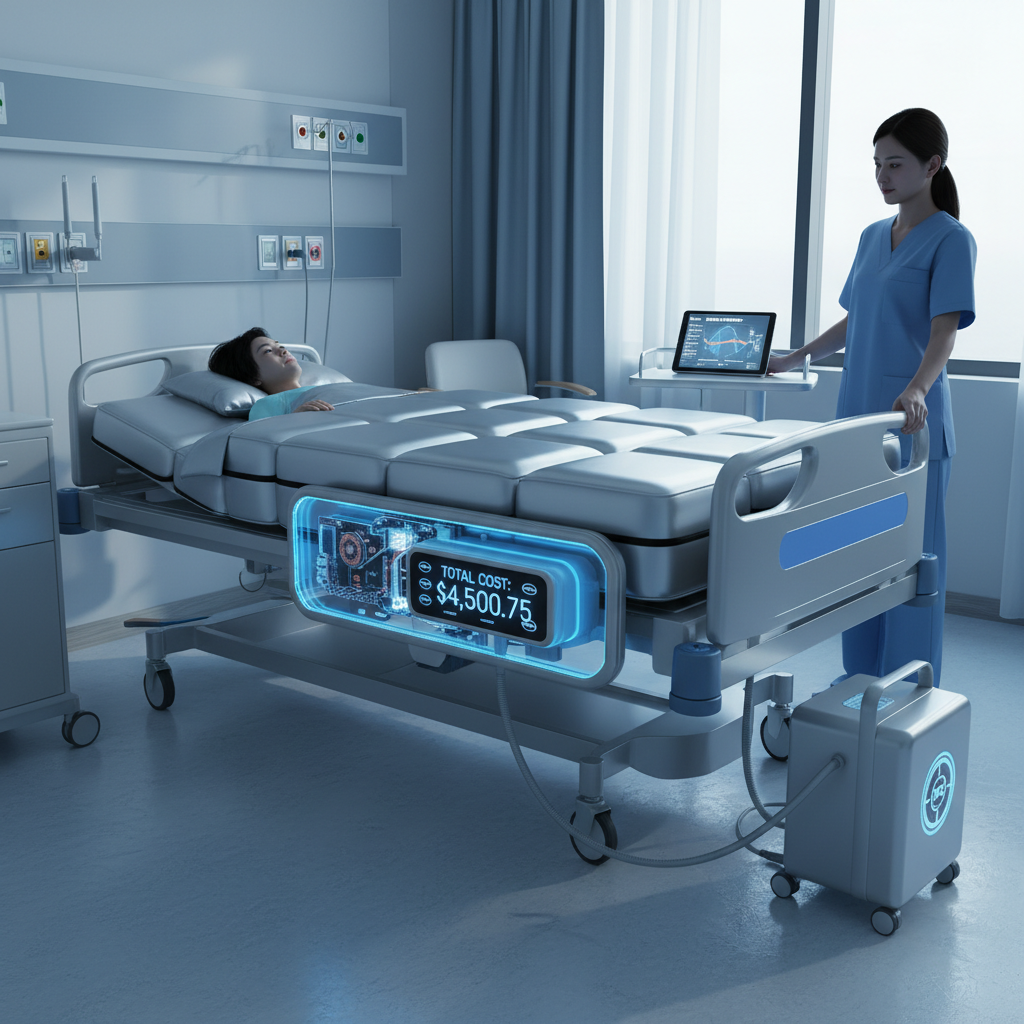
The cost of air mattress hospital beds is a critical factor in healthcare accessibility, particularly in emergency situations, resource-limited settings, and for home healthcare patients. Understanding the nuances of this cost – encompassing initial purchase price, maintenance, lifespan, and potential ancillary expenses – is paramount for hospitals, clinics, and individuals alike. This understanding extends beyond mere affordability; it touches upon patient comfort, safety, and the overall quality of care provided.
Globally, the demand for cost-effective hospital beds is increasing due to aging populations, rising healthcare needs, and the increasing frequency of natural disasters that overwhelm existing infrastructure. Air mattress hospital beds offer a viable alternative to traditional hospital beds, often at a significantly lower price point, making them a compelling option for institutions operating within tight budgets. This accessibility is especially vital in developing nations striving to improve healthcare standards.
The importance of considering air mattress hospital bed cost isn't limited to financial aspects. It also influences logistical considerations, such as storage and transport, particularly in rapid-response scenarios. Choosing the right bed involves balancing cost with functionality, durability, and the specific needs of the patient population being served. air mattress hospital bed cost can significantly impact a facility’s bottom line.
Introduction to air mattress hospital bed cost
The initial cost of an air mattress hospital bed is often considerably lower than that of a traditional bed, making them attractive for facilities with constrained budgets. However, a comprehensive understanding of air mattress hospital bed cost must extend beyond the purchase price. Factors like the quality of materials, the type of air pump used, and included features – such as adjustable side rails or integrated weighing scales – all contribute to the overall expenditure.
Furthermore, the long-term running costs, including electricity consumption for the air pump, replacement of parts (such as the mattress itself or the pump), and maintenance, should be carefully considered. Neglecting these ongoing expenses can negate the initial cost savings. A thorough cost-benefit analysis is essential for making informed decisions about air mattress hospital bed investment.
Defining Air Mattress Hospital Bed Cost
Air mattress hospital bed cost encompasses the total expense associated with acquiring, operating, and maintaining these specialized beds. This isn’t merely the sticker price; it’s a holistic figure that accounts for direct and indirect costs. Direct costs include the initial purchase price, shipping, and installation. Indirect costs comprise electricity to power the air pump, routine maintenance like cleaning and disinfection, and eventual replacement of worn or damaged components.
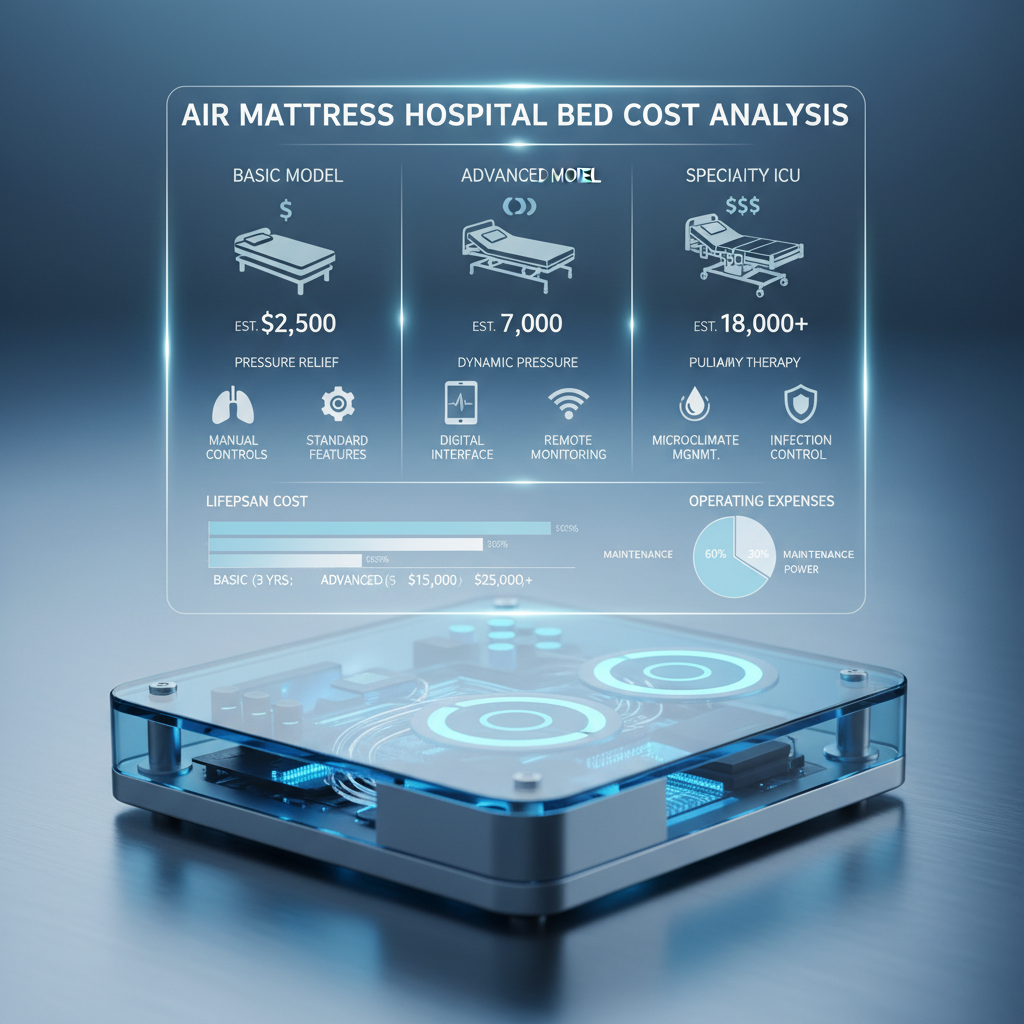
Understanding the different pricing tiers available is crucial. Basic models prioritize affordability, while more advanced models offer enhanced features like pressure mapping, integrated scales, and advanced safety mechanisms, naturally commanding a higher price. The specific needs of the patient population and the care setting should guide the selection process.
Air mattress hospital beds are frequently utilized in temporary care scenarios, such as disaster relief or field hospitals. In these cases, the total cost of ownership is calculated differently, emphasizing rapid deployment, portability, and the ability to withstand harsh conditions. The price point of these specialized models differs drastically from standard hospital-based options.
Core Components Influencing Air Mattress Hospital Bed Cost
Several key factors directly impact the air mattress hospital bed cost. Firstly, the material used in the mattress construction plays a significant role. High-quality, durable materials like medical-grade PVC offer greater longevity and resistance to punctures, but also come with a higher price tag. Secondly, the type of air pump – whether it's a standard electric pump or a more sophisticated, digitally controlled system – influences both the initial cost and ongoing energy consumption.
Another crucial component is the bed frame. Frames constructed from robust steel are more expensive than those made from lighter materials, but provide greater stability and support. Features like adjustable side rails, head/foot elevation mechanisms, and integrated weighing scales also add to the overall cost. The level of automation and sophistication of these features significantly impacts the price.
Finally, the manufacturer and the supplier play a role in determining the final cost. Established manufacturers with a reputation for quality and reliability tend to charge higher prices, but often offer superior warranties and customer support. Sourcing from reputable suppliers ensures product authenticity and adherence to safety standards, justifying a potential premium.
Global Applications & Cost Variations
Air mattress hospital beds find applications in a diverse range of settings globally. In developed nations, they are frequently used in home healthcare, providing patients with comfortable and supportive care in their own environments. In developing countries, they often serve as a cost-effective alternative to traditional hospital beds in under-resourced facilities. In post-disaster relief operations, their portability and ease of setup make them invaluable for providing immediate medical care to affected populations.
The air mattress hospital bed cost varies significantly across different regions. Factors such as import duties, transportation costs, local labor rates, and currency exchange rates all contribute to these variations. For example, the cost in North America or Europe will generally be higher than in Asia or Africa, even for the same model.
Organizations like the Red Cross and Doctors Without Borders rely heavily on affordable and readily deployable beds, frequently utilizing air mattress options due to their logistical advantages. This demand drives innovation and influences pricing strategies, with manufacturers striving to balance cost-effectiveness with quality and durability for these humanitarian applications.
Air Mattress Hospital Bed Cost Comparison by Feature
Advantages and Long-Term Value of Cost-Effective Beds
The primary advantage of choosing an air mattress hospital bed is its cost-effectiveness. This affordability allows healthcare facilities to equip more beds with the same budget, increasing patient capacity and accessibility. Moreover, these beds are often lighter and more portable than traditional beds, simplifying transport and setup in emergency situations.
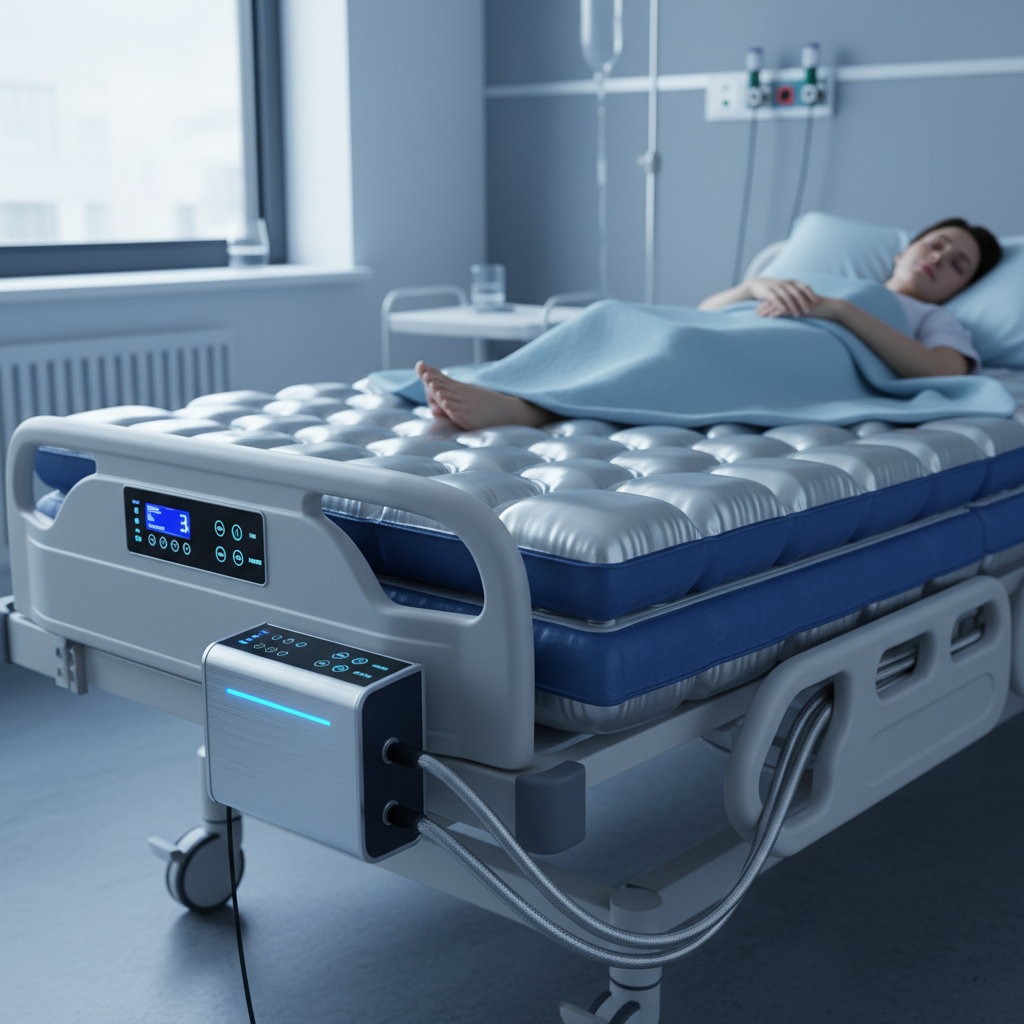
From a patient perspective, air mattresses offer excellent pressure redistribution, reducing the risk of pressure ulcers – a significant concern for bedridden patients. The adjustable firmness allows for personalized comfort and support, enhancing patient well-being. Investing in a quality air mattress bed demonstrates a commitment to patient care, even within budgetary constraints.
Future Trends in Air Mattress Hospital Bed Technology
The future of air mattress hospital bed technology is focused on integrating smart features and enhancing patient safety and comfort. We can expect to see more beds equipped with advanced pressure sensors and automated adjustments to optimize pressure redistribution and prevent pressure ulcers. The integration of wireless monitoring systems will allow healthcare professionals to remotely track patient vital signs and bed settings.
Sustainable materials and energy-efficient pump designs are also gaining prominence. Manufacturers are exploring the use of bio-based plastics and solar-powered pumps to reduce the environmental impact of these beds. These innovations align with the growing global emphasis on sustainability and responsible healthcare practices.
Challenges & Solutions: Optimizing air mattress hospital bed cost
A common challenge with air mattress hospital beds is their perceived lack of durability compared to traditional beds. However, advancements in material science and manufacturing processes are addressing this concern. Investing in beds made from high-quality, puncture-resistant materials and reinforced seams can significantly extend their lifespan.
Another challenge is the potential for air leaks, which can compromise patient safety and comfort. Regular inspection and maintenance, including leak testing, are crucial for preventing such issues. Manufacturers are also developing self-sealing mattress designs to minimize the impact of minor punctures.
Finally, ensuring proper staff training on the operation and maintenance of air mattress beds is essential for maximizing their benefits and minimizing potential risks. Clear operating procedures and regular refresher courses can help staff identify and address any issues promptly.
Summary of Air Mattress Hospital Bed Cost Considerations
| Initial Investment |
Maintenance Costs |
Lifespan & Replacement |
Total Cost of Ownership |
| $300 - $1500 |
$50 - $200 annually |
3-7 years |
$450 - $2550 |
| Material Quality (PVC, etc.) |
Frequency of pump/mattress repair |
Impact of usage intensity |
Long-term economic viability |
| Feature Complexity (Adjustable rails, scales) |
Labor Costs for Maintenance |
Warranty Coverage |
Return on Investment (ROI) |
| Supplier Reputation |
Energy Consumption of Pump |
Environmental Factors (Climate) |
Sustainability impact |
| Geographical Location & Shipping Costs |
Availability of Spare Parts |
Expected Patient Turnover Rate |
Long-term Patient Care |
| Bulk Purchase Discounts |
Preventive Maintenance Schedules |
Obsolescence & Technological Advancements |
Adapting to future healthcare needs |
FAQS
The initial purchase price is a key factor, but don’t overlook the cost of the air pump (electricity consumption and potential replacement), mattress material quality (durability and resistance to punctures), and included features like adjustable side rails or integrated weighing scales. Maintenance and repair expenses also contribute to the long-term cost.
A shorter lifespan means more frequent replacements, increasing the overall cost. Investing in a bed made from durable, high-quality materials can extend its lifespan, potentially saving money in the long run. Consider the warranty offered by the manufacturer as an indicator of expected durability. Regular preventative maintenance can also contribute to longevity.
While suitable for many applications, long-term use requires careful consideration. Pressure redistribution is excellent, but the mattress requires regular inspection for leaks and the pump needs to be reliable. Models designed specifically for long-term care, featuring advanced pressure mapping and durable materials, are often the best choice.
Regular maintenance includes cleaning and disinfecting the mattress surface, inspecting for leaks, checking the air pump for proper function, and ensuring all connections are secure. Following the manufacturer’s recommended maintenance schedule is crucial for preventing issues and extending the bed's lifespan.
Typically, air mattress hospital beds have a lower initial purchase price than traditional beds. However, traditional beds often have a longer lifespan and may require less frequent maintenance. A comprehensive cost-benefit analysis, considering both upfront and ongoing expenses, is recommended.
Yes, several financing options are available, including medical equipment loans and leases. Some manufacturers also offer financing plans. Explore these options to find a solution that fits your budget and financial needs. Consider government grants or programs designed to support healthcare facilities in acquiring essential equipment.
Conclusion
In conclusion, understanding the air mattress hospital bed cost is far more than simply comparing price tags. It requires a holistic evaluation encompassing initial investment, long-term maintenance, lifespan, and the specific needs of the healthcare setting. Prioritizing quality materials, reliable components, and proactive maintenance can maximize the value and longevity of these beds, ensuring both cost-effectiveness and optimal patient care.
Looking ahead, continued innovation in materials science and smart technologies promises to further enhance the functionality and affordability of air mattress hospital beds. By embracing these advancements and adopting a strategic approach to cost management, healthcare providers can optimize their resources and deliver high-quality care to a wider population. Learn more about air mattress hospital bed cost and find the right solution for your needs today!