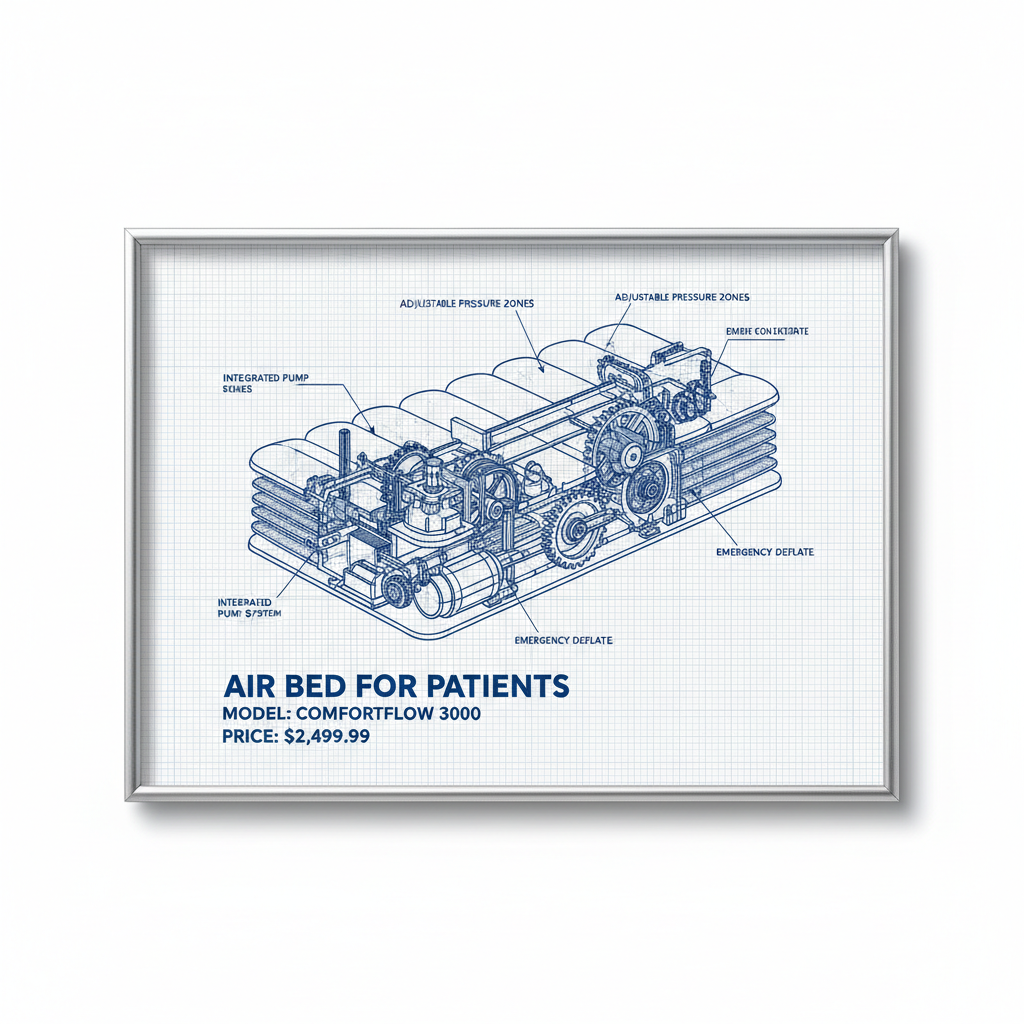
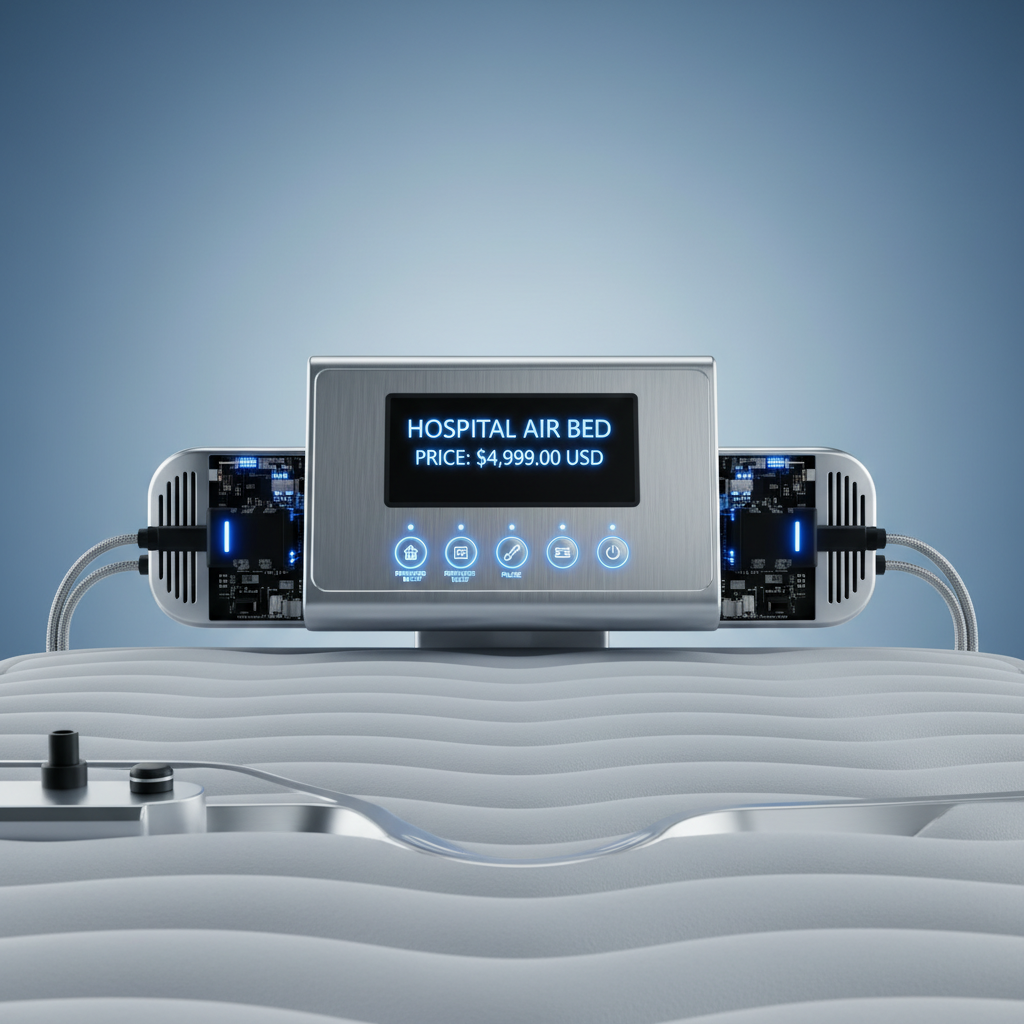
Medical air mattresses represent a crucial component of modern healthcare, offering specialized support and comfort to patients requiring extended bed rest. The medical air mattress price is influenced by factors ranging from material quality and technology to features like pressure relief and infection control. Understanding these price determinants is essential for healthcare facilities, caregivers, and patients seeking optimal solutions. Furthermore, advancements in air mattress technology continually redefine the medical air mattress price landscape, making informed decision-making paramount.
The global need for high-quality medical air mattresses is escalating due to an aging population, increasing prevalence of chronic illnesses, and advancements in surgical procedures demanding prolonged post-operative care. The medical air mattress price varies considerably based on geographical location, manufacturer reputation, and specific product features. Regulatory standards also play a significant role, impacting both the manufacturing costs and ultimately the final price.
Addressing challenges related to pressure ulcers, patient comfort, and infection prevention drives the demand for innovative medical air mattress solutions. Consequently, the medical air mattress price isn’t solely a cost factor, but an investment in patient well-being and improved healthcare outcomes. This necessitates a thorough evaluation of available options and a comprehensive understanding of the associated costs.
Understanding the Factors Affecting Medical Air Mattress Price
The medical air mattress price is not determined by a single factor, but rather a complex interplay of elements. Material composition, including the type of PVC or polyurethane used, significantly impacts cost. More durable and biocompatible materials command higher prices.
Technology integrated into the mattress, such as alternating pressure systems, low-air-loss technology, and microclimate control, also drastically influences the price point. Mattresses offering advanced features geared toward preventing pressure ulcers and optimizing patient comfort are generally more expensive, but deliver greater value in the long run.
The Definition and Significance of Medical Air Mattress Price
A medical air mattress is a specialized bedding system designed to redistribute pressure, prevent pressure ulcers (bedsores), and enhance patient comfort. The medical air mattress price reflects the engineering, materials, and features incorporated into these devices. It represents the financial investment required to provide patients with a therapeutic and supportive surface.
The significance of understanding the price is multifold. For healthcare facilities, it aids in budget allocation and informed purchasing decisions. For caregivers and patients, it ensures access to appropriate solutions that meet their needs without undue financial burden.
In the context of modern healthcare, providing optimal patient care includes mitigating risks associated with prolonged bed rest. Investing in a quality medical air mattress, even if it carries a higher medical air mattress price, can ultimately reduce healthcare costs associated with treating pressure ulcers and other complications.
Core Components Influencing Medical Air Mattress Price
Durability is a key component impacting the medical air mattress price. Mattresses constructed from high-grade materials, capable of withstanding frequent use and disinfection, are inherently more costly, but offer a longer lifespan and reduce the need for frequent replacements.
Scalability refers to the mattress’s ability to accommodate different patient sizes and weights. Mattresses with adjustable pressure settings and varying cell configurations contribute to increased versatility, and therefore a higher price.
Cost efficiency is not solely about the initial medical air mattress price; it also encompasses factors such as maintenance requirements, energy consumption, and the potential for preventing costly complications like pressure ulcers.
Global Applications and Use Cases of Medical Air Mattresses
Medical air mattresses find widespread application in hospitals, long-term care facilities, and home healthcare settings. They are crucial for patients at high risk of developing pressure ulcers, including those with limited mobility, spinal cord injuries, or chronic illnesses.
In post-disaster relief operations, medical air mattresses provide critical support for injured individuals requiring extended medical attention. They are easily transportable and can be deployed quickly in emergency situations, offering a vital component of field hospitals.
Remote industrial zones, such as oil rigs or mining camps, often utilize medical air mattresses to provide on-site medical care for workers who may be injured and require prolonged bed rest. This minimizes the need for costly and time-consuming evacuations.
Comparison of Medical Air Mattress Price Based on Features
Advantages and Long-Term Value of Investing in Quality
Investing in a high-quality medical air mattress translates to tangible benefits, including reduced incidence of pressure ulcers, improved patient comfort, and enhanced overall quality of care. Preventing pressure ulcers not only alleviates patient suffering but also significantly lowers healthcare costs associated with treatment and prolonged hospital stays.
The long-term value extends beyond financial savings. A durable, well-maintained mattress provides a consistent level of support and protection, fostering patient trust and contributing to a positive healing environment. This fosters a reputation of excellence for healthcare providers and enhances patient satisfaction.
Future Trends and Innovation in Medical Air Mattress Technology
The future of medical air mattress technology is geared towards greater personalization and integration with digital health solutions. Sensors embedded within the mattress can continuously monitor patient vital signs and adjust pressure levels accordingly, providing real-time feedback and optimized support.
Developments in materials science are leading to the creation of even more breathable and biocompatible mattress surfaces, minimizing the risk of skin irritation and promoting faster healing. The incorporation of antimicrobial technologies will further enhance infection control and patient safety.
Challenges and Solutions Related to Medical Air Mattress Price and Quality
One significant challenge is balancing the need for affordable medical air mattresses with the desire for high-quality, technologically advanced solutions. This requires manufacturers to optimize production processes and explore cost-effective materials without compromising performance.
Another challenge is ensuring consistent quality control across different manufacturers and regions. Establishing stricter regulatory standards and implementing rigorous testing protocols can help mitigate this risk and safeguard patient safety.
Finally, educating healthcare professionals and caregivers about the benefits of investing in quality medical air mattresses is crucial. Promoting awareness of the long-term cost savings and improved patient outcomes can drive demand for higher-quality products.
Summary of Key Considerations for Medical Air Mattress Selection
| Feature |
Impact on Price |
Long-Term Value |
Typical Price Range (USD) |
| Alternating Pressure System |
High |
Excellent - High pressure ulcer prevention |
$800 - $2000 |
| Low Air Loss Technology |
Medium-High |
Very Good - Improved microclimate control |
$1000 - $2500 |
| Material Quality (PVC vs. Polyurethane) |
Medium |
Good - Durability and biocompatibility |
$500 - $1500 |
| Weight Capacity |
Low-Medium |
Good – Versatility for various patient sizes |
$400 - $1200 |
| Antimicrobial Coating |
Low-Medium |
Good - Enhanced infection control |
$600 - $1800 |
| Control Panel Features |
Medium |
Good - Easy adjustment and monitoring |
$700 - $1900 |
FAQS
The medical air mattress price is largely influenced by the technology used (alternating pressure, low-air-loss), the materials employed (PVC vs. polyurethane), the weight capacity, the inclusion of antimicrobial coatings, and the sophistication of the control panel. Higher-end models boasting advanced features and durable materials naturally command a higher price point. Cost also varies with manufacturing location and brand reputation. Understanding these components will assist in making a well-informed choice.
Mattresses employing advanced technologies like alternating pressure or low-air-loss systems are typically more expensive due to their complexity and effectiveness in preventing pressure ulcers. Alternating pressure systems, continuously shifting the patient’s weight, generally cost more than static air mattresses. Low-air-loss models, promoting airflow to reduce moisture and heat, also contribute to a higher medical air mattress price, reflecting their superior therapeutic benefits.
Not necessarily. While a higher medical air mattress price often suggests better quality or advanced features, it's crucial to consider the specific needs of the patient. A less expensive, static air mattress might be sufficient for low-risk patients, while high-risk individuals require the benefits of a more sophisticated and costly system. It’s essential to evaluate features against individual requirements, not solely price.
The lifespan of a medical air mattress varies depending on usage and maintenance, but typically ranges from 3 to 5 years. Investing in a higher-quality mattress with durable materials can extend its lifespan, making it a more cost-effective choice in the long run, despite the initial higher medical air mattress price. Frequent replacements of cheaper mattresses can ultimately exceed the cost of a more durable investment.
Potential hidden costs include repair services, replacement parts (like air pumps or control panels), and ongoing maintenance. Some mattresses may require specialized cleaning solutions or protective covers, adding to the overall expense. It is essential to factor these potential costs when evaluating the total cost of ownership and comparing different medical air mattress price options.
Reliable information can be found through reputable medical supply companies like Chuangen Medicals, healthcare professional recommendations, and independent product reviews. Consulting with a qualified healthcare provider or wound care specialist is also crucial to determine the most appropriate mattress for your specific needs and budget. Beware of overly discounted offers, as these may indicate lower quality or compromised features.
Conclusion
In conclusion, the medical air mattress price is a complex calculation based on technology, durability, features, and intended use. Choosing the right mattress involves careful consideration of patient needs, long-term cost-effectiveness, and potential healthcare benefits. A well-informed decision ensures optimal patient care and minimizes the risk of costly complications.
Looking ahead, innovation in materials and technology promises even more personalized and effective medical air mattress solutions. Continued focus on affordability and accessibility will be crucial to ensure that these essential healthcare tools are available to all who need them. For more information and to explore our range of medical air mattresses, visit our website: www.chuangenmedicals.com