Walking Aids


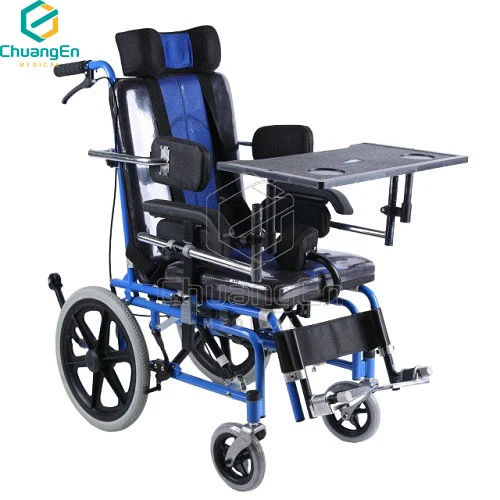
Walking aids offer essential support to individuals with limited mobility due to age, injury, surgery recovery, or chronic conditions. The main benefit is enhanced stability and balance, significantly reducing the risk of falls, especially on uneven surfaces or in crowded areas. For elderly users, walking aids such as walkers, rollators, or canes provide confidence and independence, allowing them to perform daily tasks like shopping, strolling in the park, or moving around the house without constant assistance. These aids help in reducing the load on lower limbs, particularly beneficial for individuals with arthritis, joint pain, or leg injuries, by redistributing body weight and improving posture. Our walking aids are designed with features like ergonomic hand grips, adjustable height settings, and lightweight aluminum frames for maximum comfort and customization. Many models also come with foldable designs, making them convenient for transport and storage. Some advanced options include built-in seats, storage baskets, and wheels with locking brakes, making them suitable for both indoor and outdoor use. By promoting safe, steady movement, walking aids not only reduce physical strain but also boost emotional well-being, enabling users to stay socially active and connected with their communities. Overall, they are a simple yet powerful tool to maintain mobility, dignity, and quality of life.
How Do I Choose The Right Walking Aid For My Needs Or A Family Member?


Choosing the right walking aid depends on the user's physical condition, mobility level, environment, and personal preferences. For those who need mild support, a standard cane or walking stick may be sufficient, particularly for short distances or occasional use. If the user needs more stability and weight-bearing support, a two-wheel or four-wheel walker is often more appropriate. A basic walker (without wheels) provides maximum support but is best suited for indoor use on flat surfaces. For users who are more mobile but still need balance assistance, a rollator walker with wheels, hand brakes, and a seat can be ideal. It's perfect for both indoor and outdoor activities and offers rest breaks thanks to the built-in seat. Important factors to consider include adjustable height, grip comfort, weight capacity, and ease of folding and transport. If the user travels frequently, lightweight or collapsible models are recommended. Additionally, it’s important to measure the user’s arm length and standing height to ensure ergonomic alignment. Consulting a medical professional or physiotherapist can also be helpful, especially for post-surgery recovery or individuals with neurological conditions like Parkinson’s or stroke aftermath. Our walking aids are designed to cater to a wide range of users, and we’re happy to offer suggestions based on specific needs. The right walking aid not only improves mobility and safety but also gives users the freedom to move confidently and independently in their daily lives.



Types of Walking Aids


Medical walking aids are essential mobility support devices designed to improve balance, reduce physical strain, and enhance independence for elderly individuals, rehabilitation patients, and people with mobility limitations. Selecting the right walking aid depends on factors such as physical condition, stability requirements, recovery stage, and daily activity level. Healthcare professionals often recommend different mobility solutions based on the user’s walking ability and long-term support needs. Understanding the common types of walking aids can help users make safer and more informed decisions.

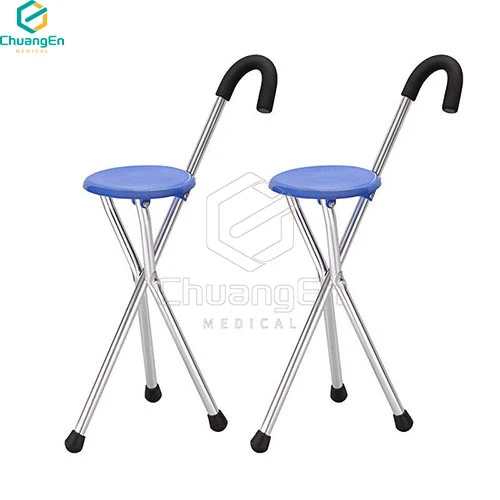
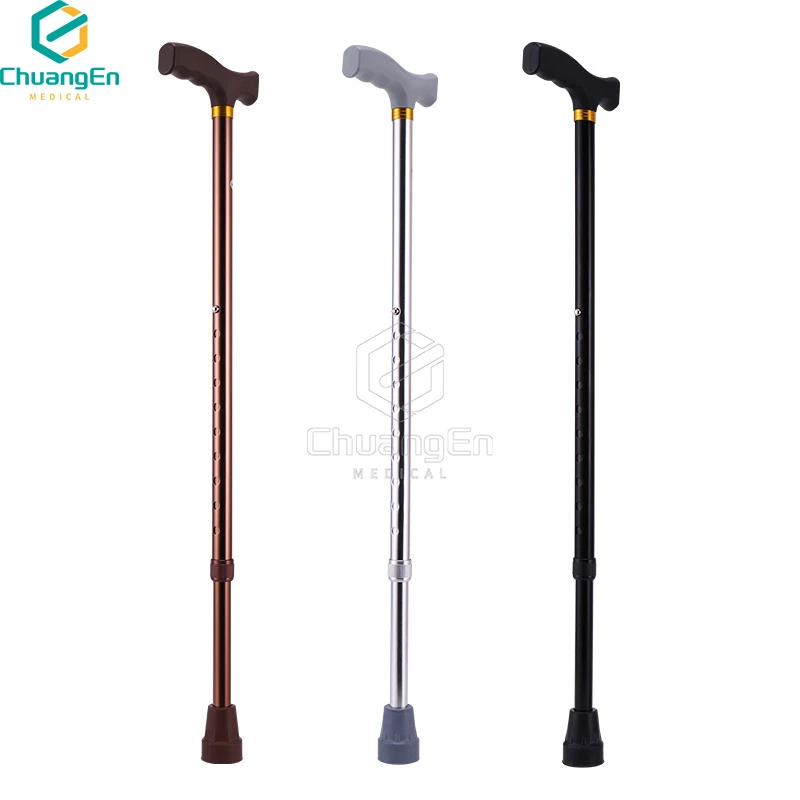
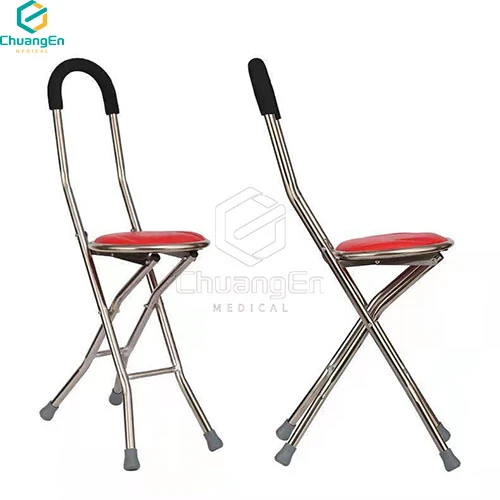
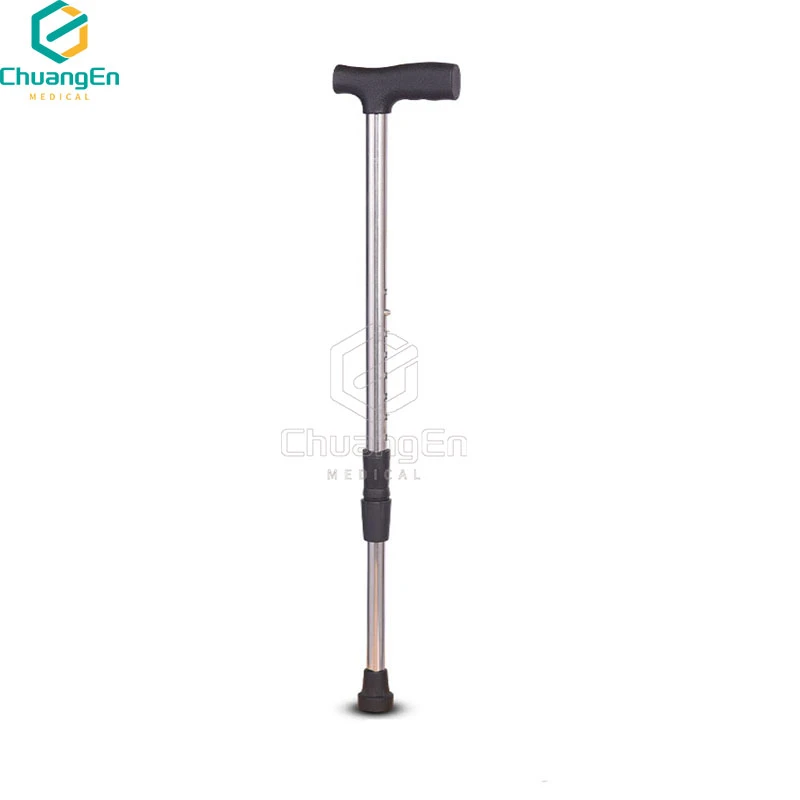
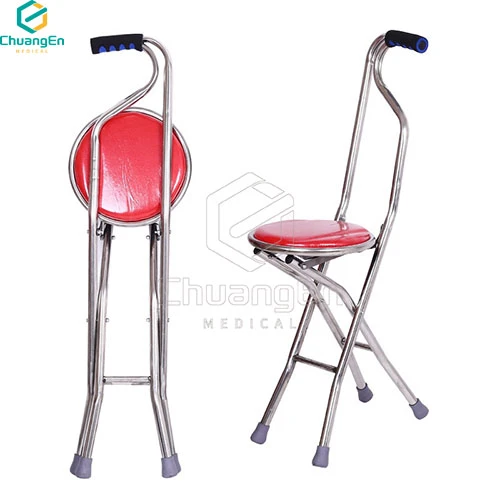
One of the most widely used mobility devices is the standard walking cane. Traditional canes provide light balance assistance for users who experience mild instability or occasional weakness. They are lightweight, portable, and suitable for everyday indoor and outdoor activities. Many modern canes also feature ergonomic handles, adjustable height settings, and anti-slip rubber tips for improved comfort and safety.

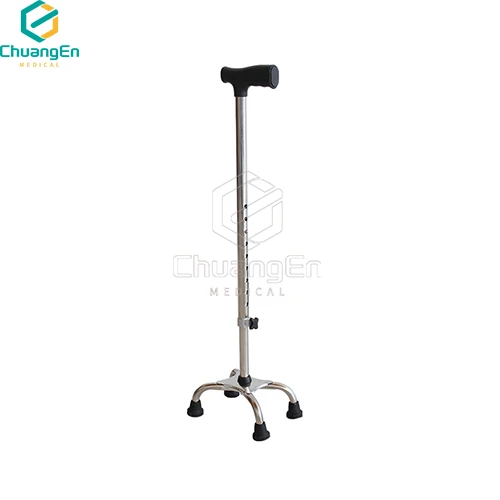
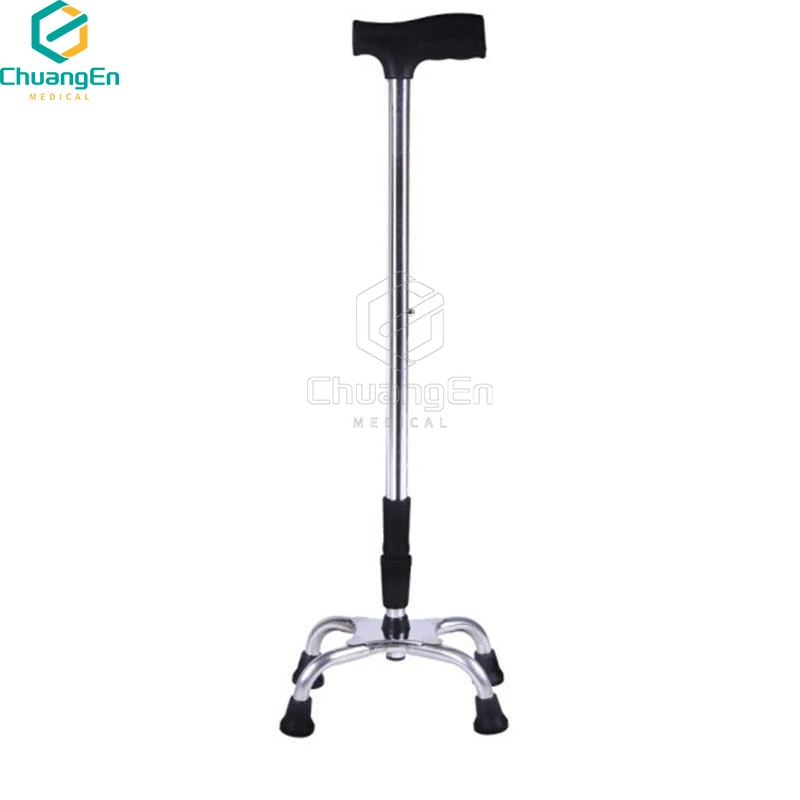
For users who require greater support, quad canes are a popular option. A quad cane, also known as a four-legged walking stick, features a wider base with four contact points that increase stability and weight distribution. Medical professionals commonly recommend quad canes for seniors recovering from surgery, stroke patients, or individuals with muscle weakness and balance disorders. The broader base design significantly reduces the risk of slipping on uneven surfaces.

Walkers are another important category of walking aids. Standard walkers for seniors provide maximum stability by surrounding the user with a rigid support frame. They are often used during rehabilitation or after lower-body injuries. Rolling walkers, also called rollators, include wheels, hand brakes, and built-in seats, allowing users to move more smoothly over longer distances while reducing fatigue.

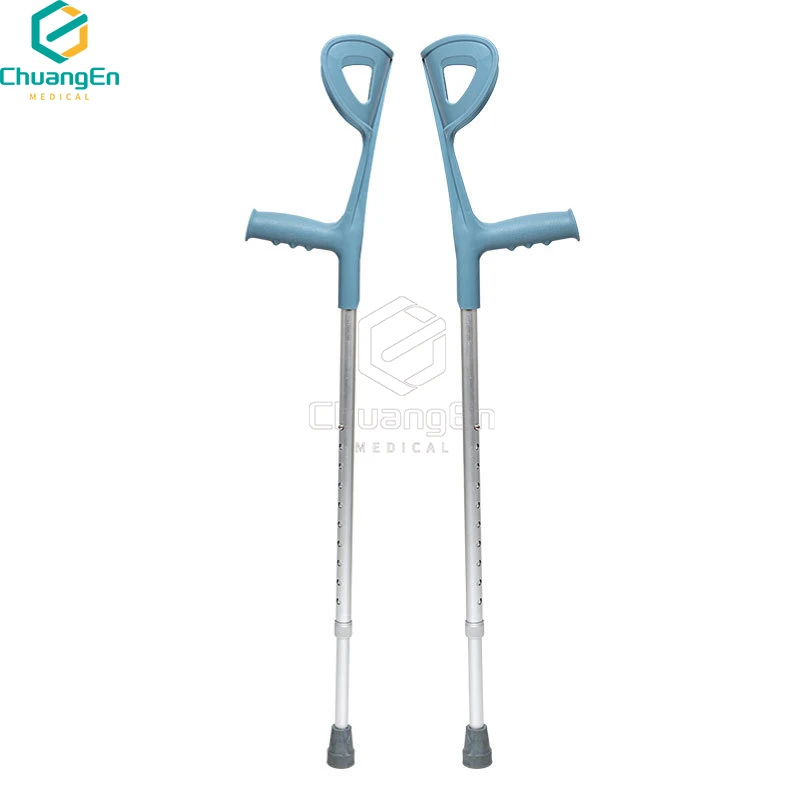
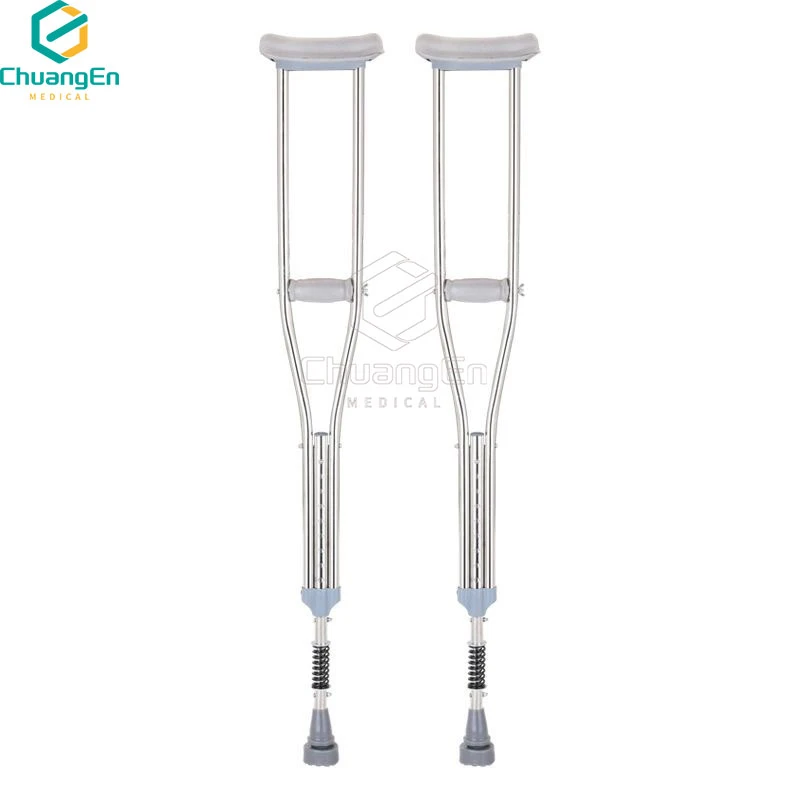
Crutches are typically used for temporary injuries involving the legs, ankles, or feet. Underarm crutches and forearm crutches help users transfer body weight away from injured lower limbs during recovery. Proper fitting and professional guidance are important to prevent strain on the shoulders and wrists.

In recent years, walking aids manufacturers have also introduced advanced designs that combine functionality with style and convenience. Foldable walker with wheels, lightweight aluminum frames, stainless steel walking canes, and ergonomic grip systems are becoming increasingly popular among active users who value both support and appearance.

Choosing the correct walking aid should always prioritize user safety, comfort, and mobility goals. Consulting healthcare providers or rehabilitation specialists can help determine the most suitable option based on individual physical conditions. A properly selected walking aid not only improves movement but also enhances confidence, independence, and overall quality of life.


What Is the Best Walking Aid for Elderly?


Choosing the best walking aid for elderly individuals depends on their mobility level, balance condition, muscle strength, and daily activity needs. Healthcare professionals generally recommend selecting a walking aid that provides adequate support while still allowing comfortable and independent movement. With aging populations growing worldwide, modern mobility products are now designed to improve both safety and quality of life for seniors.

Among the most common walking aids for seniors are standard canes, quad canes, walkers, and rollators. For elderly users with mild balance issues, a traditional walking cane may provide enough support for daily indoor and outdoor activities. Adjustable canes with ergonomic handles and anti-slip tips are especially popular because they reduce wrist strain and improve walking comfort.

For seniors who require greater stability, quad canes are often considered one of the best walking aids for balance. A quad cane features a four-point base that distributes weight more evenly and provides stronger ground contact than a single-tip cane. This design helps reduce the risk of falls, especially on uneven surfaces or during longer walking periods. Rehabilitation specialists frequently recommend quad canes for elderly individuals recovering from surgery, stroke, or muscle weakness.

Walkers and rollators are also highly effective walking aids for disabled users or seniors with significant mobility limitations. Standard walkers offer maximum support and are commonly used during rehabilitation programs. Rollators, which include wheels, brakes, and built-in seats, provide enhanced mobility and convenience for active seniors who need support over longer distances. Many rollators also include storage bags and foldable frames for travel and everyday use.

For individuals experiencing nerve-related conditions, selecting appropriate walking aids for peripheral neuropathy is especially important. Peripheral neuropathy can cause numbness, weakness, and reduced sensation in the feet and legs, increasing the likelihood of falls. Mobility aids with wider bases, shock absorption, ergonomic grips, and non-slip rubber tips can significantly improve balance and walking confidence for these users. In many cases, healthcare providers recommend quad canes or rollators because they provide more stable support than standard canes.

When choosing a walking aid, factors such as height adjustability, weight capacity, grip comfort, portability, and surface traction should all be carefully evaluated. Consulting a physician, physical therapist, or rehabilitation specialist can help determine the safest and most effective mobility solution based on the user’s medical condition and lifestyle.

The best walking aid is ultimately one that improves safety, promotes independence, and allows elderly users to maintain an active and confident daily life.


Mobility Walking Aids FAQs


What are mobility walking aids?

Mobility walking aids are supportive devices designed to help individuals improve balance, stability, and movement. These products are commonly used by seniors, rehabilitation patients, and people with temporary or permanent mobility limitations. Common walking aids include canes, quad canes, walkers, rollators, crutches, and standing walkers.


What are the most common walking aids types?

The most popular walking aids types include:

  • Standard walking canes
  • Quad canes with four-leg support
  • Standard walkers
  • Rollator walkers with wheels and seats
  • Forearm crutches
  • Knee walkers
  • Standing walkers for seniors

Each type is designed for different levels of mobility support and physical conditions.


What are standing walkers for seniors?

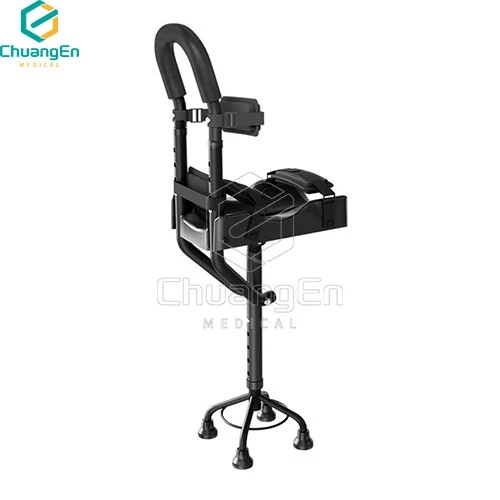
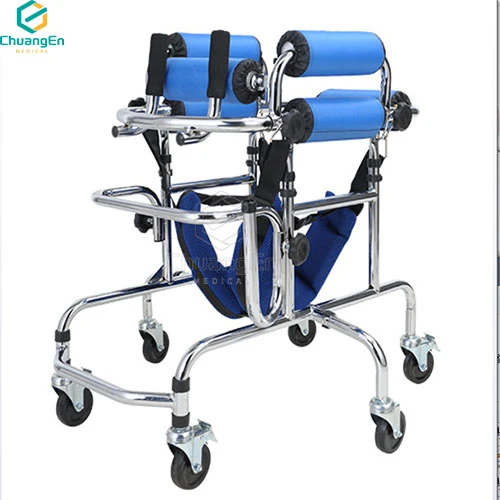
Standing walkers for seniors are specially designed mobility devices that encourage upright posture while walking. Unlike traditional walkers that require users to lean forward, standing walkers feature arm supports and ergonomic handles that help reduce pressure on the back, shoulders, and wrists. They are especially beneficial for elderly users with posture problems or limited upper-body strength.


Are mobility walkers suitable for disabled users?

Yes. Many disability walking aids are specifically designed to support individuals with reduced mobility, neurological conditions, muscle weakness, or injury recovery needs. Walkers, rollators, and quad canes provide additional stability and help users move more safely and independently during daily activities.


What should I consider before buying a walking aid?

When selecting a mobility aid, users should consider:

  • Stability and balance support
  • Weight capacity
  • Adjustable height features
  • Handle comfort
  • Portability and foldability
  • Indoor or outdoor usage
  • Surface traction and anti-slip safety

Healthcare professionals often recommend choosing a walking aid based on the user’s physical condition and daily movement requirements.


How much is the walking aids price?

The walking aids price varies depending on the product type, material quality, and functional features. Basic walking canes are generally more affordable, while advanced rollators and standing walkers with ergonomic support systems may cost more. Lightweight aluminum frames, stainless steel structures, foldable designs, and medical-grade accessories can also affect pricing.


Where can I find mobility walkers for sale?

Today, many medical equipment suppliers and online healthcare platforms offer mobility walkers for sale. Buyers should choose trusted suppliers that provide certified products, quality testing, warranty support, and professional customer service. Reading customer reviews and product specifications can also help ensure a safer purchasing decision.


Why is choosing reliable walking aids manufacturers important?

Experienced walking aids manufacturers focus on product safety, ergonomic engineering, and long-term durability. Reputable manufacturers typically follow strict quality control standards and use reliable materials such as aluminum alloy, stainless steel, and anti-slip rubber components. Choosing a professional manufacturer helps ensure better performance, user comfort, and compliance with medical safety requirements.


Are foldable walking aids better for travel?

Foldable mobility aids are highly convenient for users who travel frequently or need compact storage. Many modern walkers and rollators can be folded quickly for transportation in vehicles, airplanes, or public transit while still providing strong daily support.


Can walking aids help prevent falls?

Yes. Properly selected walking aids can significantly reduce the risk of falls by improving balance, posture, and movement control. Devices with wider bases, ergonomic grips, and anti-slip feet are especially effective for seniors and users with balance disorders.

What Our Clients say!

Customer Reviews Walking Aids

"My father has been using the rollator walker for over a year now, and it’s been a game-changer. The seat is comfortable, the wheels are smooth, and the brakes give him peace of mind on slopes. Highly recommended!"

What Our Clients say!
Sophia K., Canada

"I love how lightweight yet sturdy this walker is. It folds in seconds, fits easily in the car, and gives me the support I need when walking outside. Great value for money!"

What Our Clients say!
Liam B., United Kingdom

"We purchased several walking aids for our elderly care facility. The adjustable height, solid grip, and reliable structure have really impressed both staff and residents. We will definitely reorder!"

What Our Clients say!
Care Home Manager, Singapore
request a quote

Complete Control Over Products Allows Us To Ensure Our Customers Receive The Best Quality Prices And Service. We Take Great Pride In Everything That We Do In Chuangen Medical !

electric wheelchair factory

Leave Your Message

If you are interested in our products, you can choose to leave your information here, and we will be in touch with you shortly.