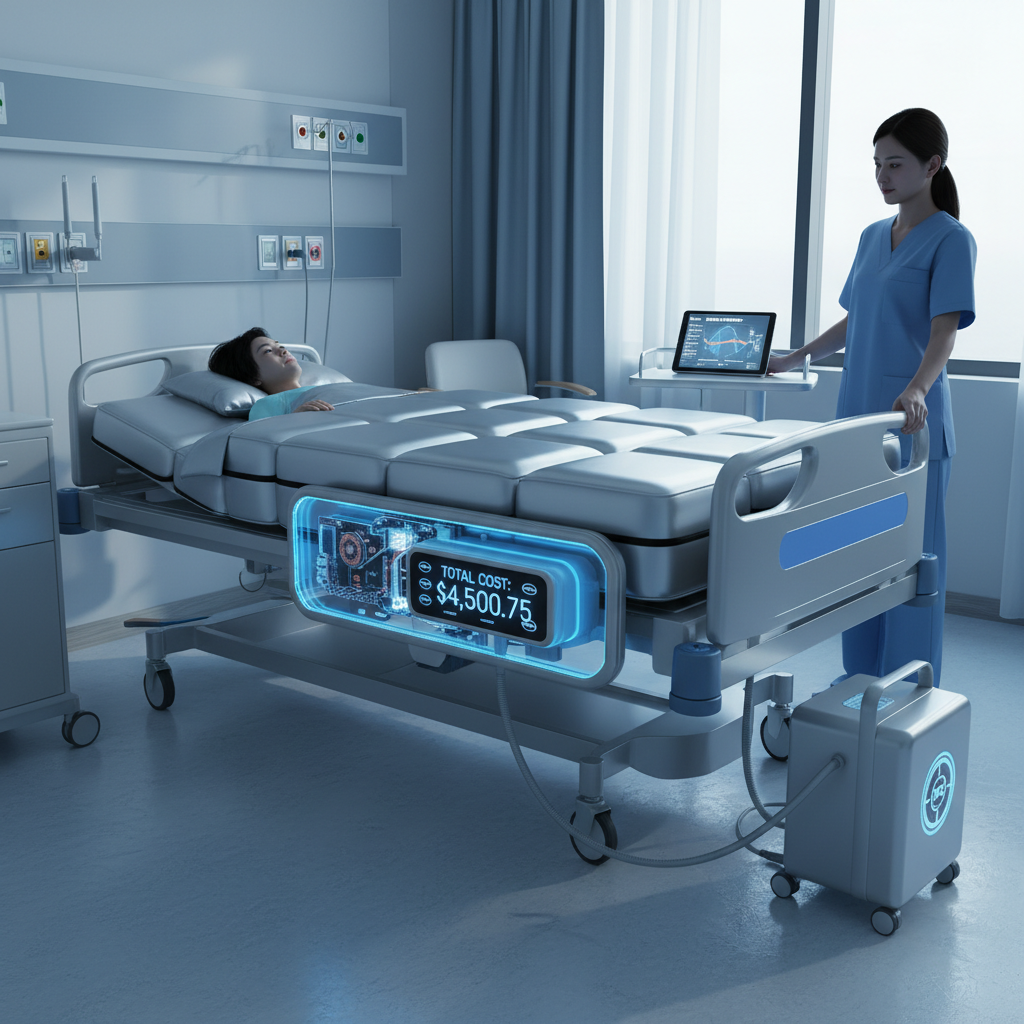
The global need for effective pressure injury prevention is paramount, impacting healthcare systems and individual well-being worldwide. Pressure injuries, commonly known as bedsores, represent a significant challenge, especially for patients with limited mobility. An anti bedsore bed is a specialized medical device designed to mitigate these risks, offering crucial support and comfort to vulnerable individuals. Understanding the principles and advancements in this technology is vital for improving patient care and reducing associated healthcare costs.
The prevalence of pressure injuries is a global concern, affecting millions annually. According to the World Health Organization, they impact an estimated 4% of hospitalized patients, with higher rates in intensive care and long-term care facilities. These injuries not only cause pain and discomfort but also lead to complications like infection, prolonged hospital stays, and increased mortality. The development and implementation of innovative solutions like the anti bedsore bed are therefore critical in addressing this significant healthcare challenge.
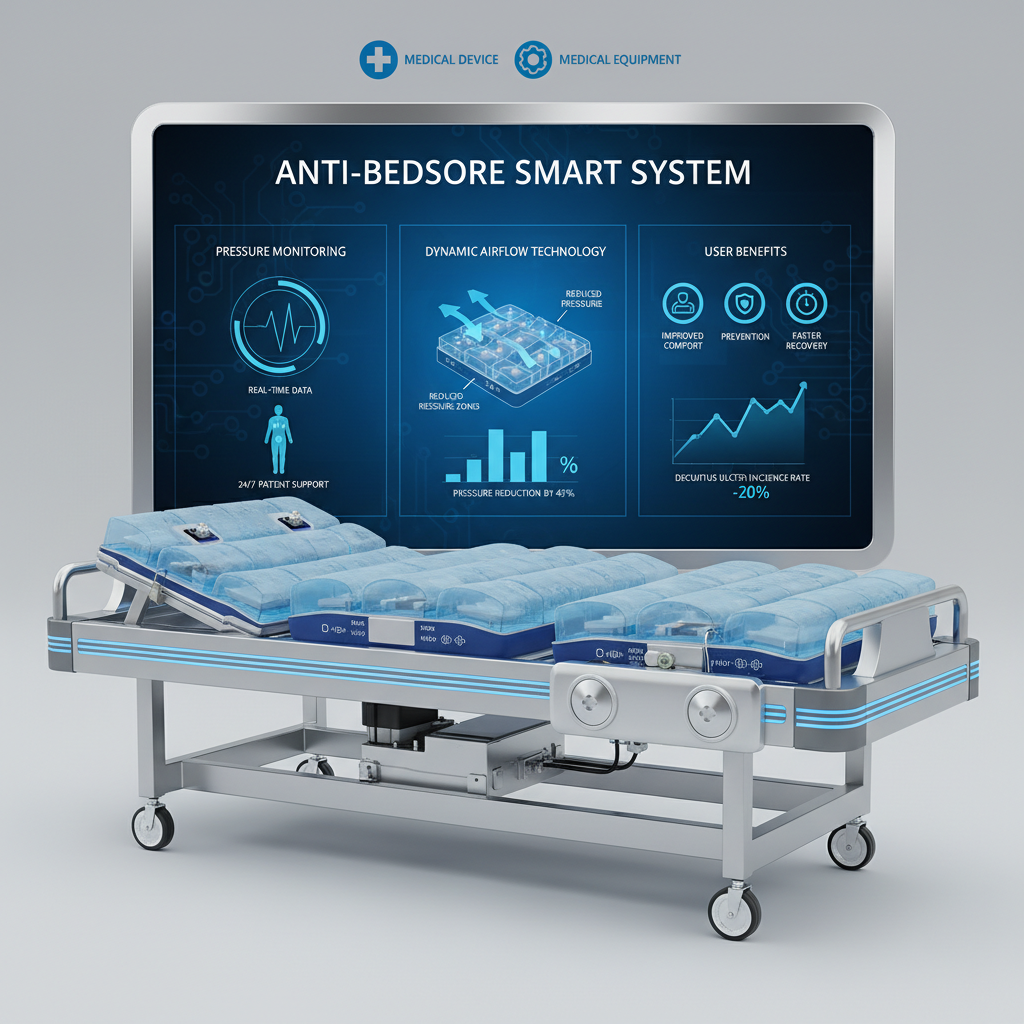
Investing in advanced medical technologies such as an anti bedsore bed showcases a commitment to patient dignity and improved quality of life. These beds go beyond simple support, offering dynamic pressure redistribution, microclimate control, and often, integrated monitoring systems. This proactive approach to pressure injury prevention contributes to reduced suffering, faster recovery times, and ultimately, a more efficient and compassionate healthcare system.
Introduction to Anti Bedsore Beds
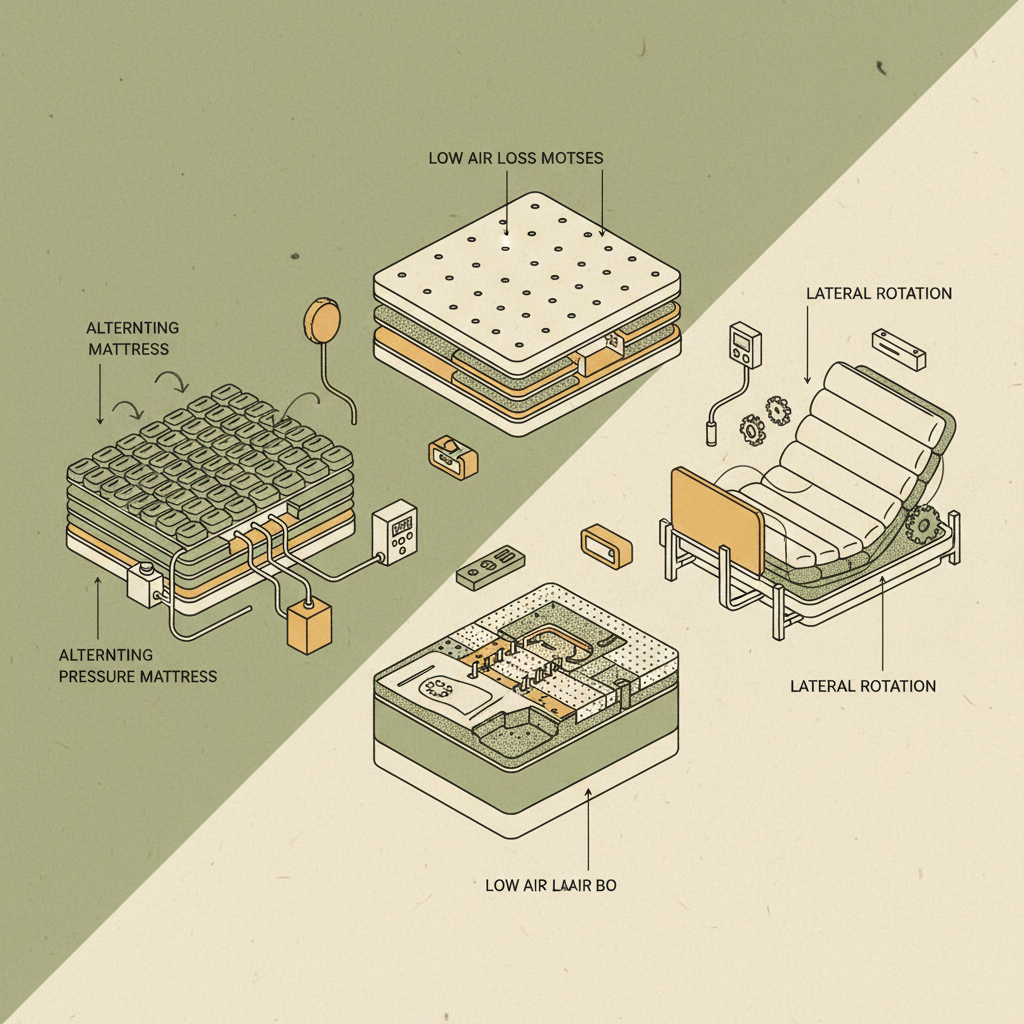
Anti bedsore beds, often referred to as low air loss beds or pressure redistribution surfaces, are specialized hospital beds designed to prevent and treat pressure injuries. These beds utilize various technologies, such as alternating air cells, low air loss, and foam mattresses, to redistribute pressure away from bony prominences, minimizing the risk of tissue damage. The need for effective anti bedsore beds is continuously growing, driven by an aging population and an increase in chronic illnesses.
The functionality of an anti bedsore bed isn't solely focused on pressure relief. Many advanced models include features like integrated scales, adjustable side rails, and caregiver-controlled positioning systems. These added capabilities enhance patient safety, comfort, and the efficiency of healthcare professionals. Selecting the right bed involves careful consideration of patient needs, clinical setting, and available resources.
Defining Anti Bedsore Beds
An anti bedsore bed is a medical bed engineered to actively prevent the development and progression of pressure injuries, also known as pressure ulcers or bedsores. Unlike standard hospital beds, these beds incorporate technologies that dynamically adjust to the patient's body weight and position, reducing concentrated pressure on vulnerable areas like the heels, sacrum, and hips. These beds are fundamental in modern healthcare for individuals at high risk.
The connection to modern healthcare and humanitarian needs is significant. In developed nations, anti bedsore beds are essential in long-term care facilities, hospitals, and rehabilitation centers. In humanitarian contexts, these beds provide critical support for individuals recovering from trauma or illness in settings with limited resources. Their proactive approach minimizes complications and improves patient outcomes.
The defining characteristic of an anti bedsore bed is its ability to proactively manage pressure, rather than reactively treat existing wounds. This preventative approach significantly reduces the incidence of pressure injuries, leading to better patient care, reduced healthcare costs, and improved quality of life.
Core Components of Anti Bedsore Beds
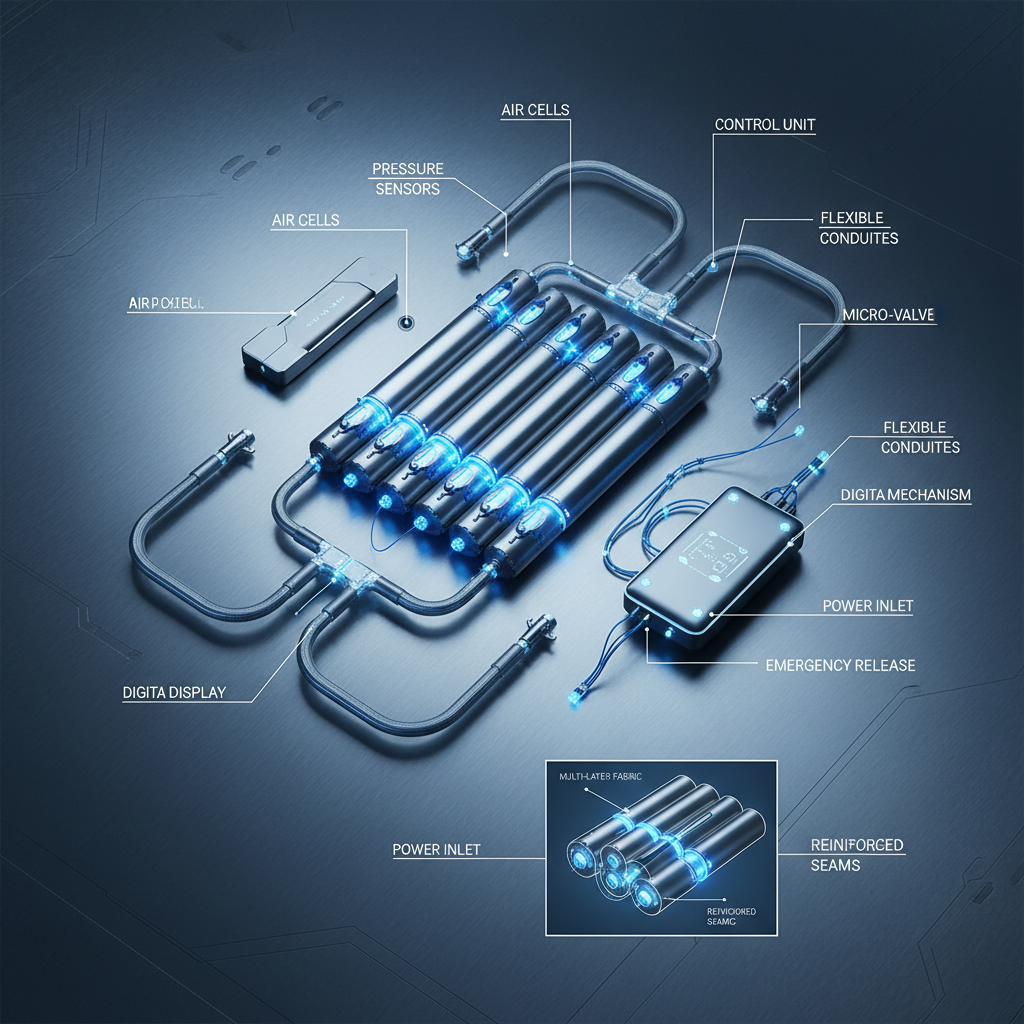
Durability is a crucial factor. Anti bedsore beds are subjected to continuous use and must withstand significant weight and movement. High-quality materials, robust construction, and rigorous testing are essential to ensure a long service life and minimize downtime. The bed’s frame, air cells (if applicable), and control system must be built to withstand daily clinical demands.
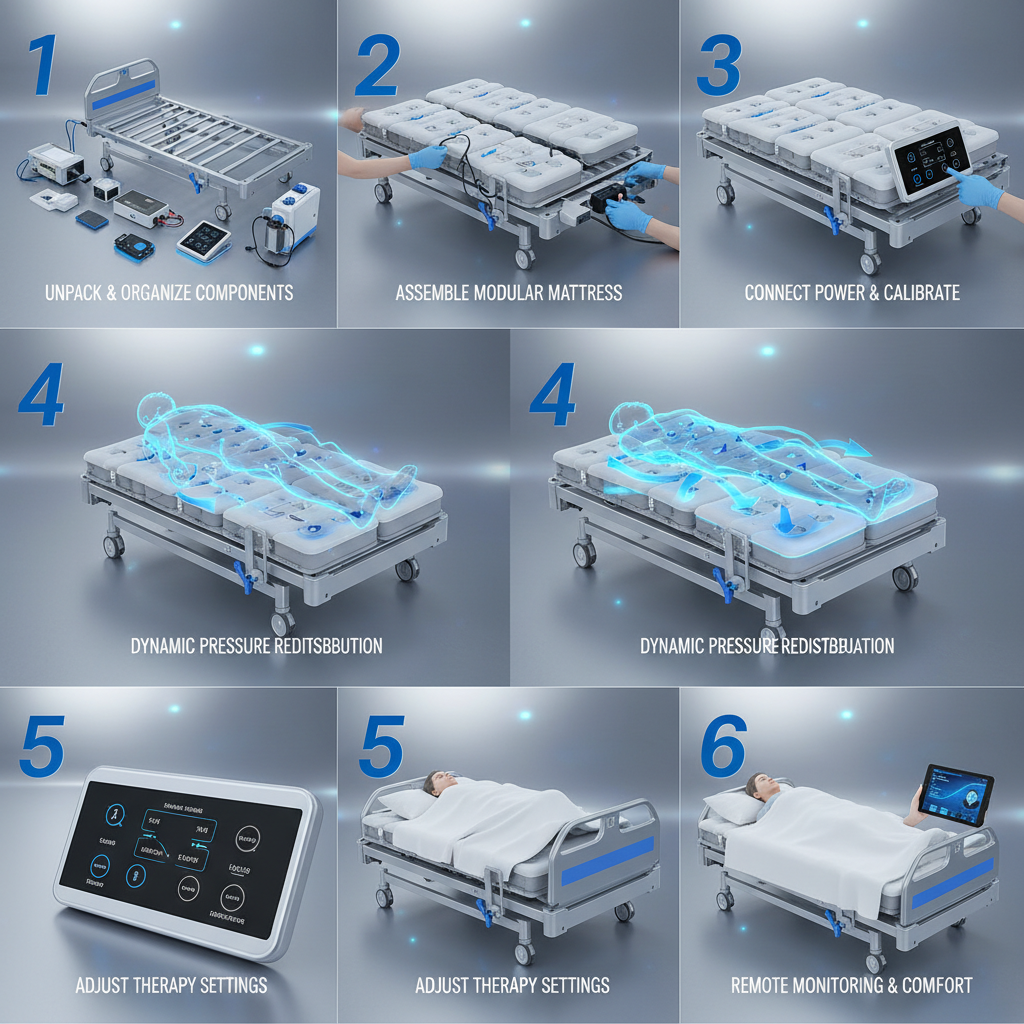
Pressure Redistribution Technology forms the core of their functionality. Different types exist – alternating pressure, low air loss, and dynamic air flotation. Alternating pressure beds cyclically inflate and deflate air cells, shifting pressure points. Low air loss beds constantly circulate air, reducing moisture and friction. Dynamic air flotation employs a specialized membrane that conforms to the body's contours.
Microclimate Control is also vital. Excessive moisture and heat contribute to skin breakdown. Many anti bedsore beds incorporate features like breathable mattress covers and airflow systems to regulate temperature and humidity, creating a healthier skin environment. This helps prevent maceration and promotes skin integrity.
Practical Applications and Use Cases
In acute care hospitals, anti bedsore beds are routinely used for patients at high risk of developing pressure injuries, such as those post-surgery, critically ill, or with neurological conditions. These beds provide a proactive approach to prevention, minimizing the need for costly and time-consuming wound care. In post-disaster relief operations, where access to standard healthcare is limited, these beds can be invaluable in providing comfort and preventing complications for injured individuals.
Long-term care facilities and nursing homes heavily rely on these specialized beds due to the resident population’s increased vulnerability. Residents with limited mobility, chronic illnesses, or advanced age are particularly susceptible to pressure injuries. Anti bedsore beds contribute to a higher quality of life and reduce the burden on healthcare staff.
Anti Bedsore Bed Technology Comparison
Advantages and Long-Term Value
The tangible benefits of using an anti bedsore bed are numerous. Reduced healthcare costs are a primary advantage. Preventing pressure injuries eliminates the need for expensive wound care, antibiotics (for infections), and prolonged hospital stays. Sustainability is also enhanced by minimizing the use of disposable wound dressings and other supplies.
From a social impact perspective, these beds significantly improve patient comfort and quality of life. Reducing pain, preventing infections, and promoting faster healing contribute to a more positive patient experience. Moreover, the trust and confidence placed in healthcare providers are strengthened by demonstrating a commitment to proactive, patient-centered care through the use of this advanced technology.
Future Trends and Innovations
Several exciting innovations are on the horizon for anti bedsore bed technology. Smart bed systems integrated with sensors and data analytics are gaining prominence. These systems can continuously monitor patient movement, pressure distribution, and skin temperature, providing real-time alerts to caregivers and enabling proactive interventions. Digital transformation is a driving force.
Material science is also playing a role. New, breathable, and antimicrobial mattress materials are being developed to further enhance microclimate control and reduce the risk of infection. Automation and robotics are being explored to assist with patient repositioning, reducing the workload on healthcare staff and ensuring consistent pressure redistribution.
Challenges and Solutions
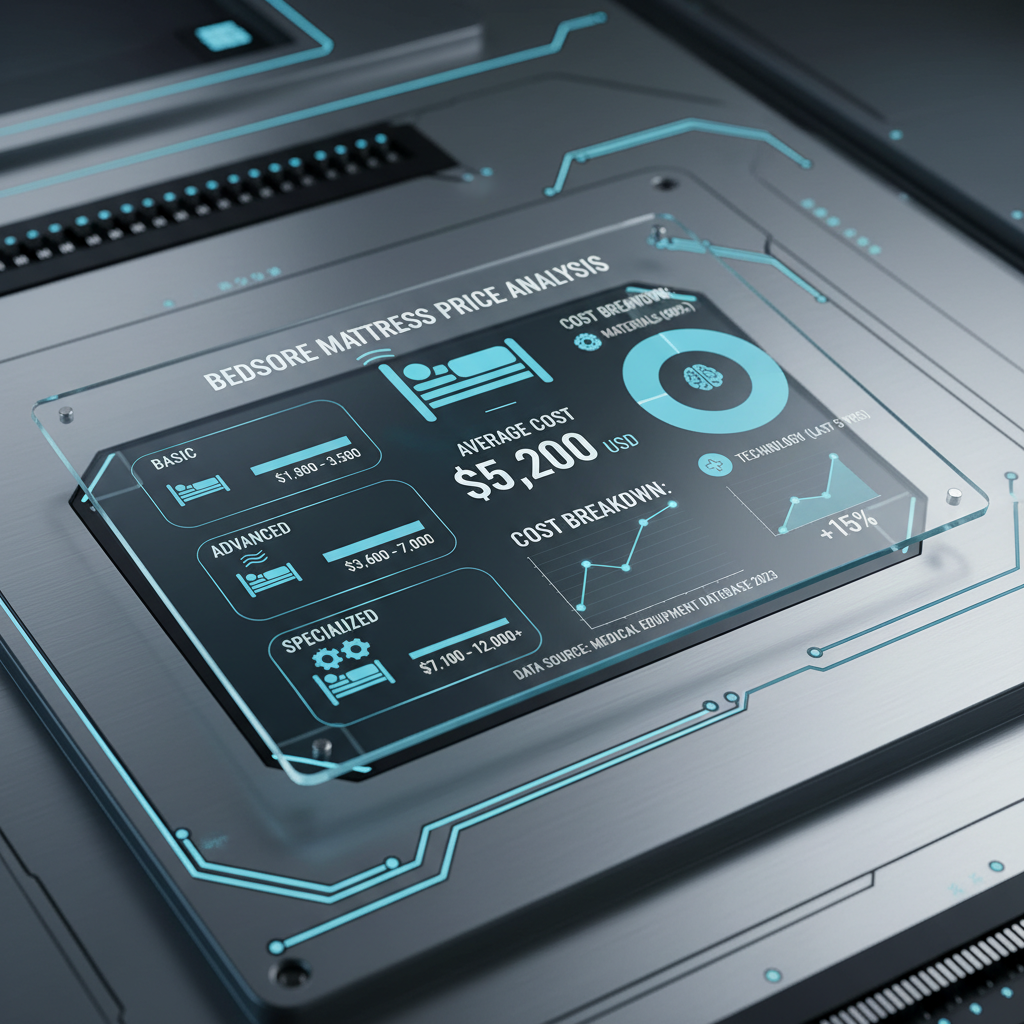
A common limitation is the initial cost of anti bedsore beds. However, the long-term cost savings associated with preventing pressure injuries often outweigh the upfront investment. Innovative financing models, such as leasing or rental options, can help make these beds more accessible to healthcare facilities with limited budgets.
Another challenge is the need for proper staff training. Healthcare professionals must be thoroughly trained on the operation, maintenance, and troubleshooting of these specialized beds. Regular in-service training and ongoing education are crucial for ensuring effective utilization. Expert insights and continuous monitoring of technology is key.
Optimizing pressure mapping technology presents an ongoing challenge. Improving the accuracy and responsiveness of sensors will allow for more personalized pressure redistribution and earlier detection of potential problem areas. Further research and development in this area will lead to more effective and tailored solutions.
Summary of Challenges and Solutions Regarding Anti Bedsore Beds
| Challenge |
Impact on Patient Care |
Potential Solution |
Implementation Cost (1-10) |
| High Initial Cost |
Limited access for smaller facilities |
Leasing/Rental programs |
6 |
| Lack of Staff Training |
Ineffective bed operation & maintenance |
Mandatory in-service education |
4 |
| Pressure Mapping Accuracy |
Delayed detection of pressure build-up |
Advanced sensor technology |
8 |
| Maintenance Requirements |
Downtime & potential malfunction |
Preventative maintenance schedules |
5 |
| Integration with EMR Systems |
Data Silos & lack of holistic view |
Standardized data interfaces |
7 |
| Patient Specific Needs |
One size doesn't fit all |
Customizable bed settings & accessories |
6 |
FAQS
An anti bedsore bed, also known as a pressure redistribution bed, incorporates technologies like alternating air cells or low air loss to dynamically adjust to a patient’s body weight and position, reducing pressure on bony prominences. Standard hospital beds lack these features, offering only static support. This proactive pressure relief significantly minimizes the risk of pressure injury development, leading to improved patient outcomes and reduced healthcare costs. Choosing an anti bedsore bed is a critical step in preventative care.
While anti bedsore beds significantly reduce pressure, repositioning remains crucial. Generally, patients should be repositioned at least every two hours, even when using a specialized bed. The frequency may vary based on individual risk factors, skin condition, and the bed's specific features. Regular repositioning, combined with the bed’s technology, provides the most effective pressure injury prevention strategy. Monitoring skin integrity and documenting position changes are also essential.
Not necessarily. The suitability of an anti bedsore bed depends on individual patient factors. While highly beneficial for many, some patients may have contraindications, such as unstable spinal injuries or certain types of wounds. A thorough assessment by a healthcare professional is crucial to determine the most appropriate pressure injury prevention strategy for each patient. Factors like skin integrity, mobility level, and overall health status must be considered.
The lifespan of an anti bedsore bed varies depending on the quality of construction, frequency of use, and maintenance practices. However, with proper care, a well-maintained bed can typically last between 5 to 7 years. Regular inspections, timely repairs, and adherence to manufacturer guidelines are essential for maximizing the bed’s lifespan and ensuring its continued effectiveness.
Cleaning and disinfection protocols vary based on the bed model and infection control guidelines. Generally, the mattress surface should be cleaned regularly with a hospital-grade disinfectant. Follow the manufacturer's instructions for specific cleaning procedures and recommended disinfectants. Ensure proper drying to prevent moisture build-up, which can contribute to skin breakdown. A consistent cleaning schedule is critical for maintaining a hygienic environment.
Regular maintenance is crucial for ensuring optimal performance. This includes inspecting air cells or flotation chambers for leaks, checking the functionality of the control panel, and verifying the proper operation of any integrated features. Preventative maintenance schedules, as recommended by the manufacturer, should be followed to identify and address potential issues before they escalate. Record keeping of all maintenance activities is essential.
Conclusion
In conclusion, anti bedsore beds represent a significant advancement in pressure injury prevention, offering tangible benefits in terms of reduced healthcare costs, improved patient comfort, and enhanced quality of life. Understanding the core components, practical applications, and future trends in this technology is vital for healthcare professionals and facilities committed to delivering optimal patient care. Investing in these solutions is an investment in patient well-being.
Looking ahead, continued innovation in sensor technology, material science, and data analytics will further enhance the effectiveness and accessibility of anti bedsore beds. Prioritizing comprehensive staff training and proactive maintenance will be crucial for maximizing the benefits of these technologies. By embracing these advancements, we can collectively strive to eliminate preventable pressure injuries and create a more compassionate and effective healthcare system.