Managing pressure distribution for patients with limited mobility is a critical challenge in modern healthcare, where the low pressure air mattress serves as a primary line of defense against pressure ulcers. By utilizing advanced pneumatic technology, these systems redistribute body weight more evenly than traditional foam, significantly reducing the risk of tissue ischemia and skin breakdown.
Across global healthcare systems, the integration of a low pressure air mattress is not merely a comfort preference but a clinical necessity for long-term care. The ability to maintain a consistent, low-pressure environment helps in stabilizing skin integrity and accelerating the healing process for existing wounds, making it an essential tool in geriatric and rehabilitative nursing.
Understanding the mechanics and application of these specialized surfaces allows caregivers and medical procurement officers to make informed decisions that improve patient outcomes. From reducing nursing workload to enhancing the dignity and comfort of the patient, the strategic use of a low pressure air mattress represents a marriage of engineering and empathetic care.
Global Context of Low Pressure Air Mattress Usage
The global burden of pressure ulcers is a significant concern for the World Health Organization (WHO), particularly as aging populations in developed nations increase the demand for long-term bed-bound care. Statistics indicate that hospital-acquired pressure ulcers (HAPUs) not only prolong patient stays but also increase healthcare costs by billions of dollars annually. The implementation of a low pressure air mattress has emerged as a standardized response to mitigate these risks.
In many developing regions, the challenge is exacerbated by a shortage of trained nursing staff to perform manual repositioning every two hours. This creates a critical gap where the low pressure air mattress provides an automated, reliable method of pressure relief, ensuring that patients receive a baseline of care that prevents severe complications even when staffing is limited.
Defining the Low Pressure Air Mattress System
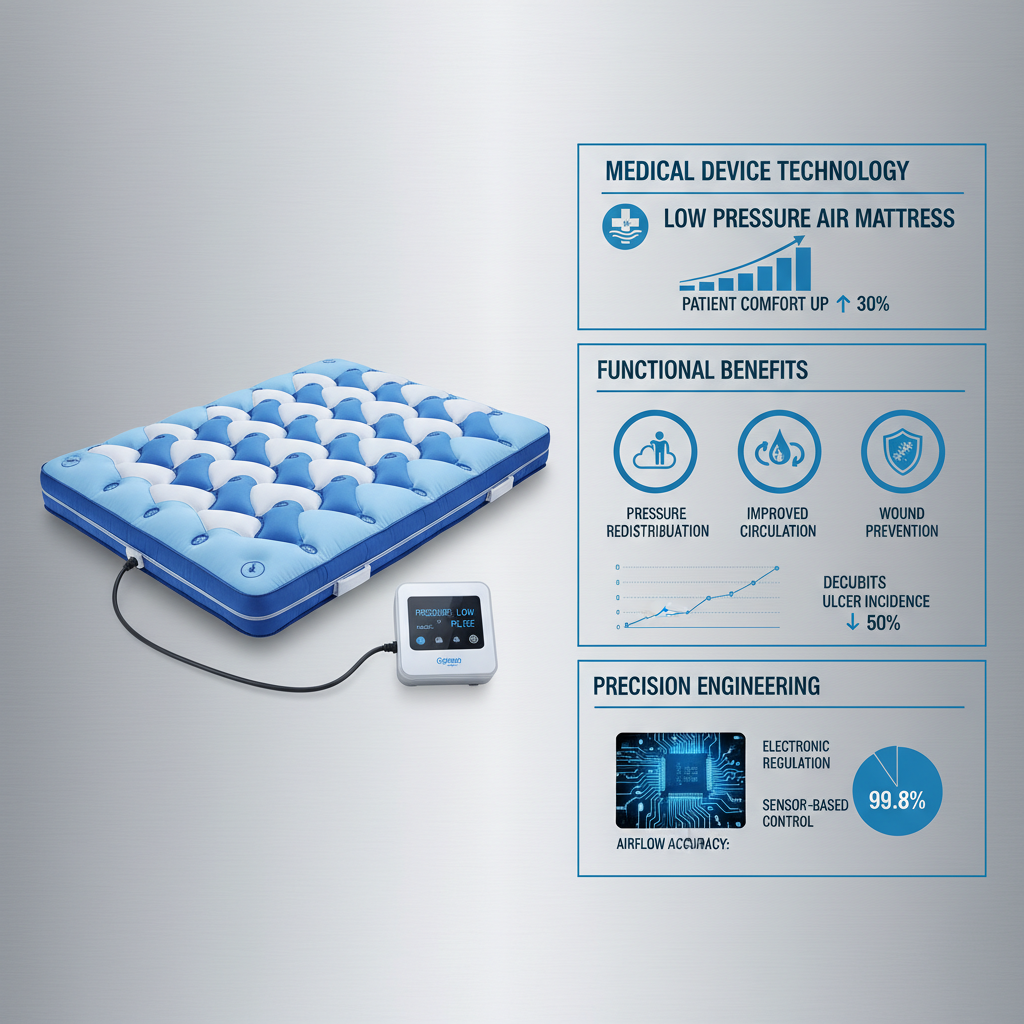
At its core, a low pressure air mattress is a specialized medical device designed to immerse and envelop the patient's body. Unlike static foam mattresses, it utilizes a series of air cells that can be adjusted to a specific pressure level—typically low enough to prevent the "bottoming out" effect while ensuring that the interface pressure between the skin and the surface remains below the capillary closing pressure.
This technology is fundamentally linked to the humanitarian need for dignity in care. By reducing the constant need for aggressive manual flipping, the patient experiences less disruption to their sleep and a lower risk of shear forces affecting their skin. The system often includes an intelligent pump that maintains the optimal air volume, adapting to the patient's weight and posture in real-time.
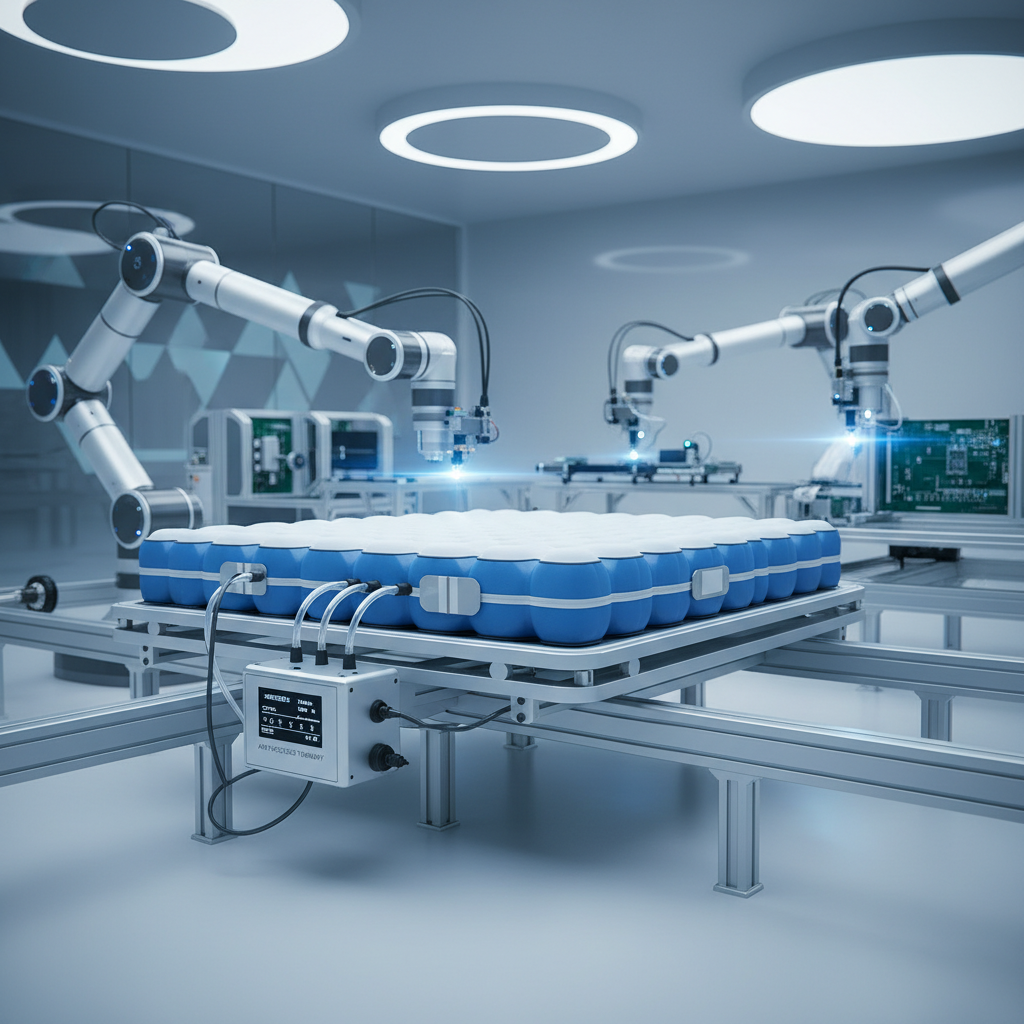
From an industrial perspective, the manufacturing of these mattresses requires medical-grade polymers and precise pneumatic valves. The goal is to create a surface that is breathable, hypoallergenic, and durable enough to withstand 24/7 operation in high-intensity hospital environments, bridging the gap between mechanical engineering and biological necessity.
Core Components of Pressure Redistribution
The effectiveness of a low pressure air mattress depends heavily on its "immersion" capability. Immersion allows the patient to sink into the mattress, increasing the surface area of contact and thereby spreading the weight across a larger region. This is critical for protecting bony prominences like the sacrum, heels, and hips.
Another vital factor is "envelopment," where the low pressure air mattress molds itself closely to the patient's contours. This eliminates peak pressure points that occur when a mattress is too firm. High-quality systems use TPU (Thermoplastic Polyurethane) or PVC coatings that balance flexibility with the strength required to maintain air containment.
Finally, the integration of moisture management cannot be overlooked. Many advanced low pressure air mattresses incorporate breathable fabrics or micro-perforations to reduce heat buildup and moisture (maceration), which are known precursors to skin breakdown. By combining pressure relief with a dry microclimate, the device provides a holistic approach to skin health.
Performance Metrics and Efficiency Analysis
Evaluating the efficacy of a low pressure air mattress involves analyzing various performance indicators, such as the interface pressure reduction percentage and the stability of the air cells. When compared to traditional surfaces, pneumatic systems show a marked decrease in peak pressure, which directly correlates to a lower incidence of Stage II and Stage III ulcers.
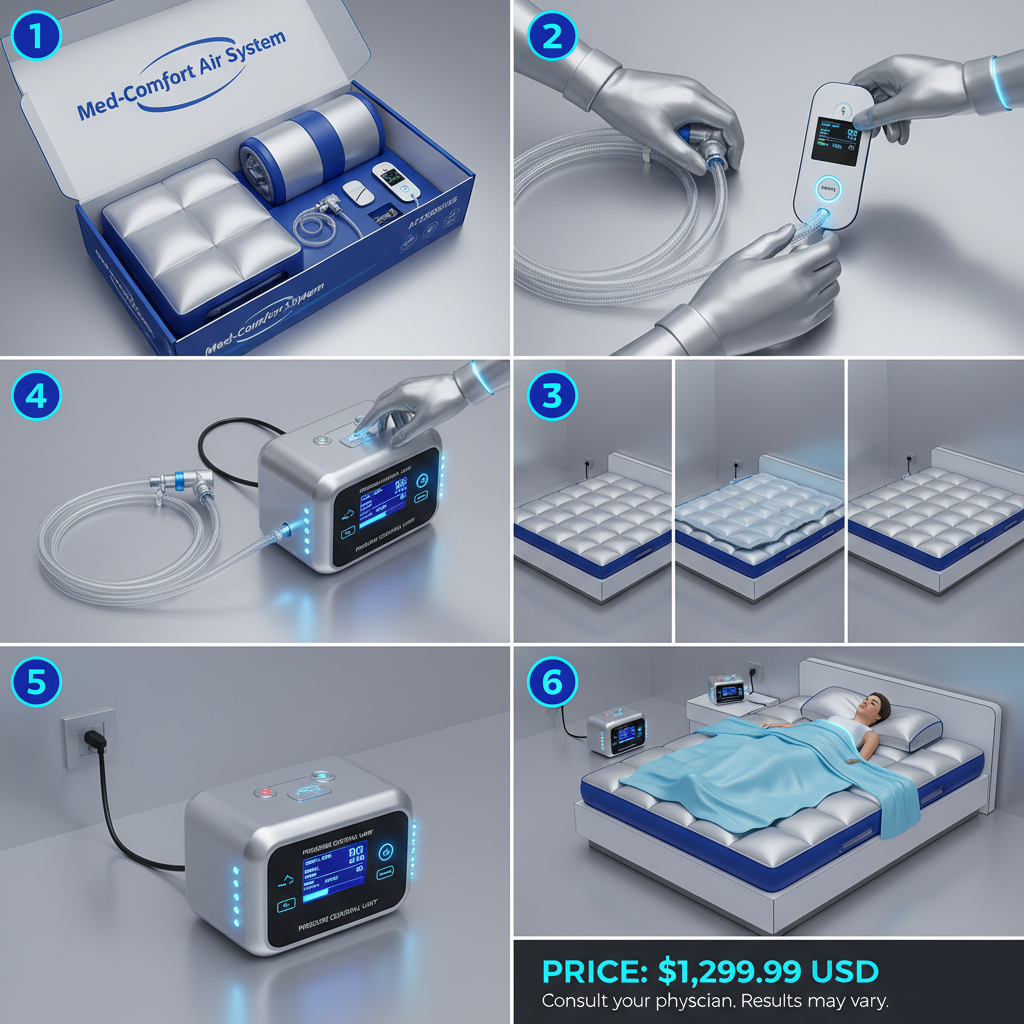
Moreover, the operational efficiency of these mattresses is measured by their ease of deployment and maintenance. Modern systems are designed for rapid inflation and intuitive pressure adjustment, allowing caregivers to tailor the surface to the specific BMI (Body Mass Index) of the patient, ensuring that the "low pressure" setting is optimized for individual needs.
Pressure Relief Efficiency of Different Mattress Types
Global Applications and Clinical Use Cases
In high-acuity clinical settings, such as Intensive Care Units (ICUs), the low pressure air mattress is indispensable for patients in medically induced comas or those with severe paralysis. In these cases, the patient is entirely dependent on the surface to prevent tissue death. Clinicians utilize these mattresses to create a "floating" sensation that minimizes the impact of gravity on the skin.
Beyond the hospital, home-care environments in regions like Europe and North America have seen a surge in the adoption of these systems. With the shift toward "aging in place," families are equipping home beds with low pressure air mattresses to provide hospital-grade care in a domestic setting, thereby reducing frequent re-hospitalizations caused by preventable skin infections.
Long-term Value and Patient Benefits
The long-term value of investing in a low pressure air mattress extends beyond the physical healing of the skin. There is a profound psychological impact on the patient; reduced pain and the absence of constant, disruptive repositioning lead to improved sleep quality and mental well-being. This holistic recovery is often faster than that of patients on static surfaces.
From a financial perspective, the initial cost of a pneumatic system is offset by the massive reduction in wound care expenses. Treating a Stage IV pressure ulcer requires specialized dressings, surgical intervention, and prolonged nursing care. By preventing the ulcer from occurring in the first place, the low pressure air mattress serves as a cost-saving insurance policy for both the patient and the healthcare provider.
Furthermore, the reliability of modern pneumatic systems ensures that caregivers can trust the device to maintain pressure settings over long periods. This trust reduces caregiver burnout, as it provides a layer of safety and security, knowing that the patient is protected even during the brief intervals between manual checks.
Future Innovations in Pneumatic Care Surfaces
The next generation of low pressure air mattress technology is moving toward "smart" surfaces. We are seeing the integration of embedded pressure sensors that can map a patient's weight distribution in real-time and automatically adjust the air pressure in specific cells to counteract emerging hot spots before they become ulcers.
Sustainability is also becoming a core focus. Manufacturers are exploring biodegradable medical polymers and energy-efficient pumps that consume less power, aligning the production of medical equipment with global green energy goals. Digital transformation will likely bring these devices into the "Internet of Medical Things" (IoMT), allowing nurses to monitor mattress pressure via a central tablet.
Ultimately, the goal is a fully autonomous care surface that adapts to the patient's circadian rhythm and physiological needs. This evolution will move the low pressure air mattress from a passive tool to an active participant in the patient's recovery journey.
Comparative Analysis of Low Pressure Air Mattress Technical Specifications
| Model Type |
Pressure Range (mmHg) |
Weight Capacity |
Clinical Grade |
| Standard Low Pressure |
20 - 80 |
150 kg |
Prevention |
| Bariatric Low Pressure |
30 - 100 |
250 kg |
High Support |
| Ultra-Low Profile |
15 - 60 |
120 kg |
Acute Care |
| Smart-Adjust Pneumatic |
10 - 90 (Auto) |
180 kg |
Therapeutic |
| Home-Care Basic |
40 - 100 |
130 kg |
General Use |
| High-Immersion Pro |
20 - 70 |
200 kg |
Advanced Healing |
FAQS
A standard air bed is designed for temporary sleep or camping, focusing on firmness and support. In contrast, a low pressure air mattress is a medical-grade device specifically engineered to redistribute pressure and prevent pressure ulcers. It uses precise pneumatic control to ensure the surface remains soft enough to allow immersion, which is clinically necessary for patients with limited mobility to prevent tissue breakdown.
Clinical indicators include a high Braden Scale score (indicating high risk for pressure ulcers), limited ability to reposition themselves, or the presence of existing Stage I or II pressure sores. If a patient is bed-bound for more than 12-16 hours a day, a low pressure air mattress is typically recommended to maintain skin integrity and prevent the progression of wounds.
While these mattresses significantly reduce the risk of pressure ulcers, they are intended to supplement—not entirely replace—manual turning. A comprehensive care plan still includes gentle repositioning to manage moisture, ensure hygiene, and provide psychological comfort. However, the frequency of turning may be safely reduced depending on the mattress's specifications and the patient's clinical status.
Pressure settings should be checked at least once per shift (every 8-12 hours) or whenever the patient's weight or position changes significantly. Caregivers should ensure the patient is not "bottoming out" (touching the bed frame) while also verifying that the pressure isn't so high that it negates the immersion benefits of the low pressure air mattress.
Yes, many models are specifically designed for home use. These often feature quieter pumps and simpler interfaces for family caregivers. It is essential to choose a model that is compatible with the existing home bed frame and to ensure the pump has a reliable power source to maintain the necessary air pressure consistently.
Most medical-grade air mattresses feature vapor-permeable, waterproof covers that can be wiped down with standard hospital-grade disinfectants. It is important to check the air tubes for kinks or leaks regularly and to clean the pump's air filter every few months to ensure optimal airflow and longevity of the motor.
Conclusion
The adoption of a low pressure air mattress represents a critical intersection of medical necessity and engineering innovation. By prioritizing pressure redistribution, immersion, and envelopment, these surfaces provide an essential safeguard against the debilitating effects of pressure ulcers, ultimately enhancing the quality of life for the most vulnerable patients and reducing the systemic burden on healthcare providers.
Looking forward, the transition toward intelligent, sensor-driven pneumatic surfaces promises a future where patient care is proactive rather than reactive. We encourage healthcare facilities and home caregivers to integrate these advanced solutions into their care protocols to ensure dignity, safety, and accelerated recovery for every patient. Visit our website for more information: www.chuangenmedicals.com