Tubular air mattresses represent a significant advancement in portable and rapidly deployable shelter solutions, addressing critical needs in disaster relief, temporary housing, and field hospitals. These innovative structures offer a lightweight, durable, and easily transportable alternative to traditional construction methods, providing immediate and dignified accommodation in challenging circumstances. Their unique design allows for quick inflation and deflation, making them ideal for emergency response situations where time is of the essence.
The global demand for effective disaster response and temporary housing solutions is steadily increasing due to factors like climate change, natural disasters, and humanitarian crises. Traditional solutions often suffer from logistical challenges, high costs, and lengthy construction times. Tubular air mattress technology directly addresses these limitations, offering a scalable and cost-effective solution for providing safe and comfortable shelter to displaced populations. Organizations like the UN and Red Cross are increasingly exploring these technologies.
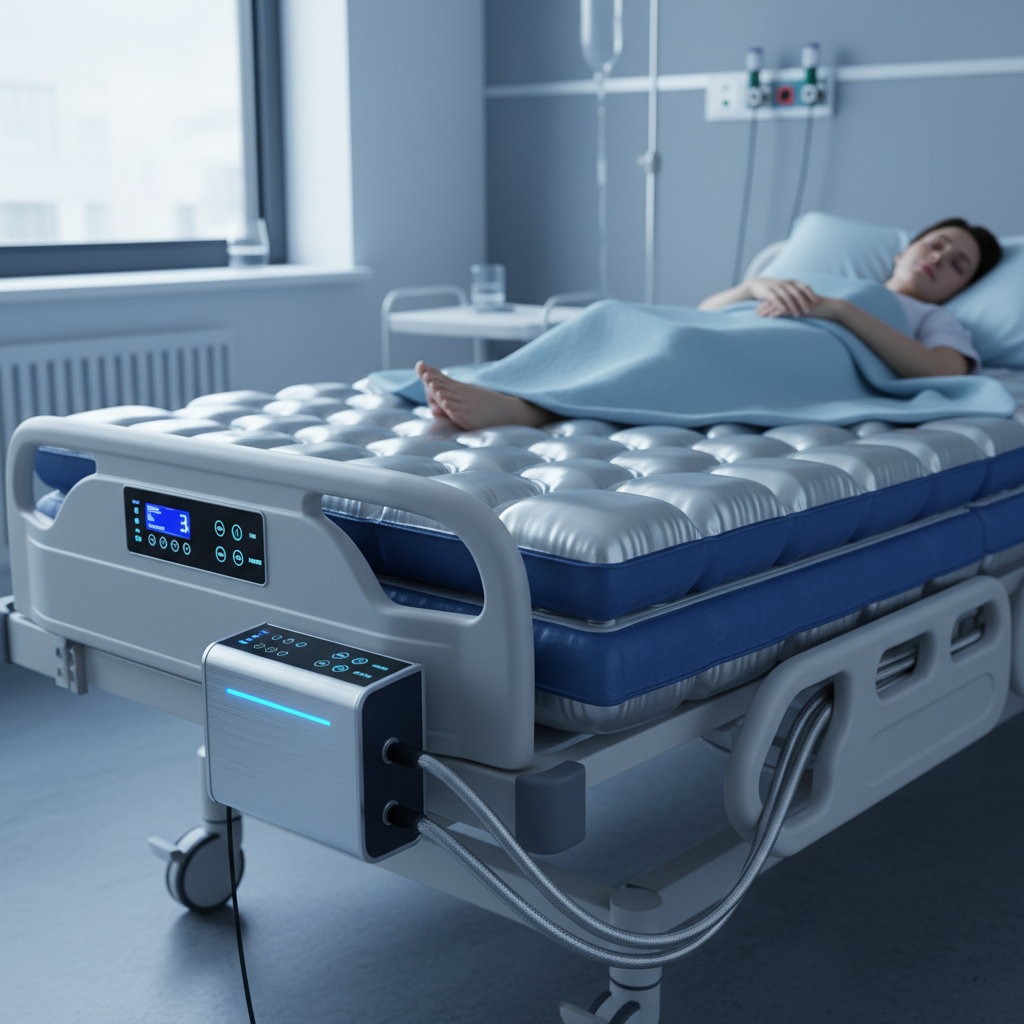
Beyond emergency situations, tubular air mattresses find application in various sectors, including event management, temporary medical facilities, and even recreational use. This versatility, combined with their compact storage requirements and ease of deployment, positions them as a valuable asset for a wide range of organizations and individuals. Consider, for example, a tubular air mattress used for a field hospital after a natural disaster.
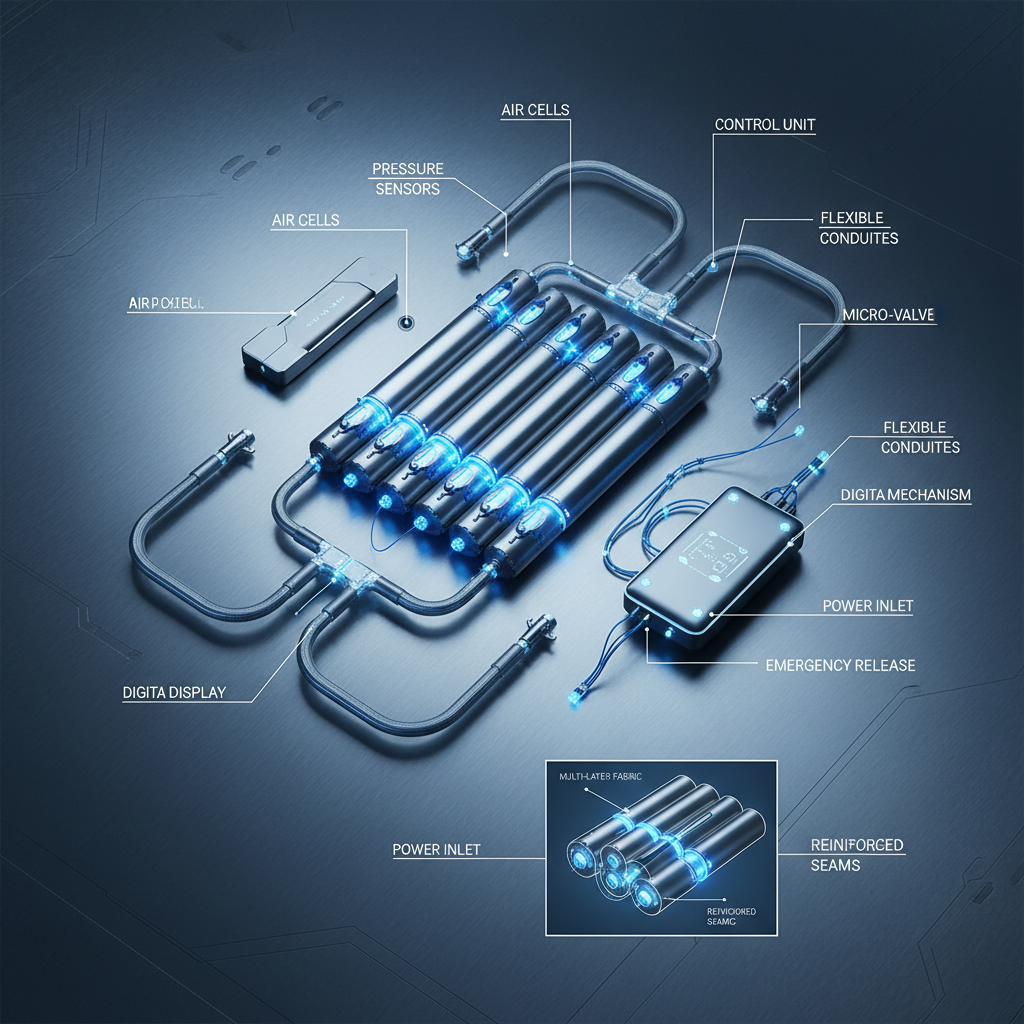
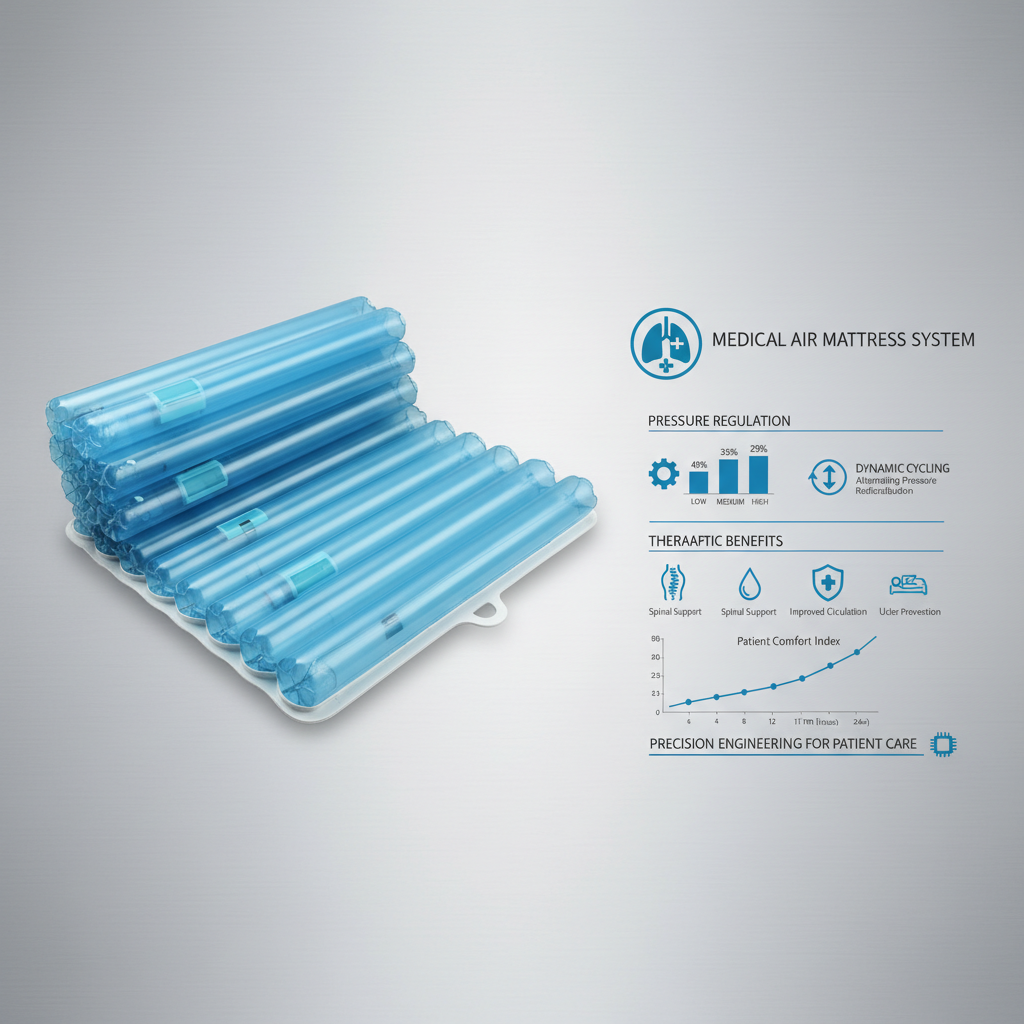
Tubular air mattresses are revolutionizing the approach to emergency shelter and temporary housing. Unlike traditional structures, they prioritize speed of deployment, portability, and cost-effectiveness. They aren’t simply inflatable mattresses for comfort; they form the structural basis of a habitable space.
The development of these mattresses stems from the need for robust, adaptable solutions in response to the increasing frequency and severity of global crises. Organizations and governments are actively seeking methods to quickly provide shelter, healthcare facilities, and other essential services to affected populations. The ability to rapidly establish these structures makes tubular air mattress solutions vital.
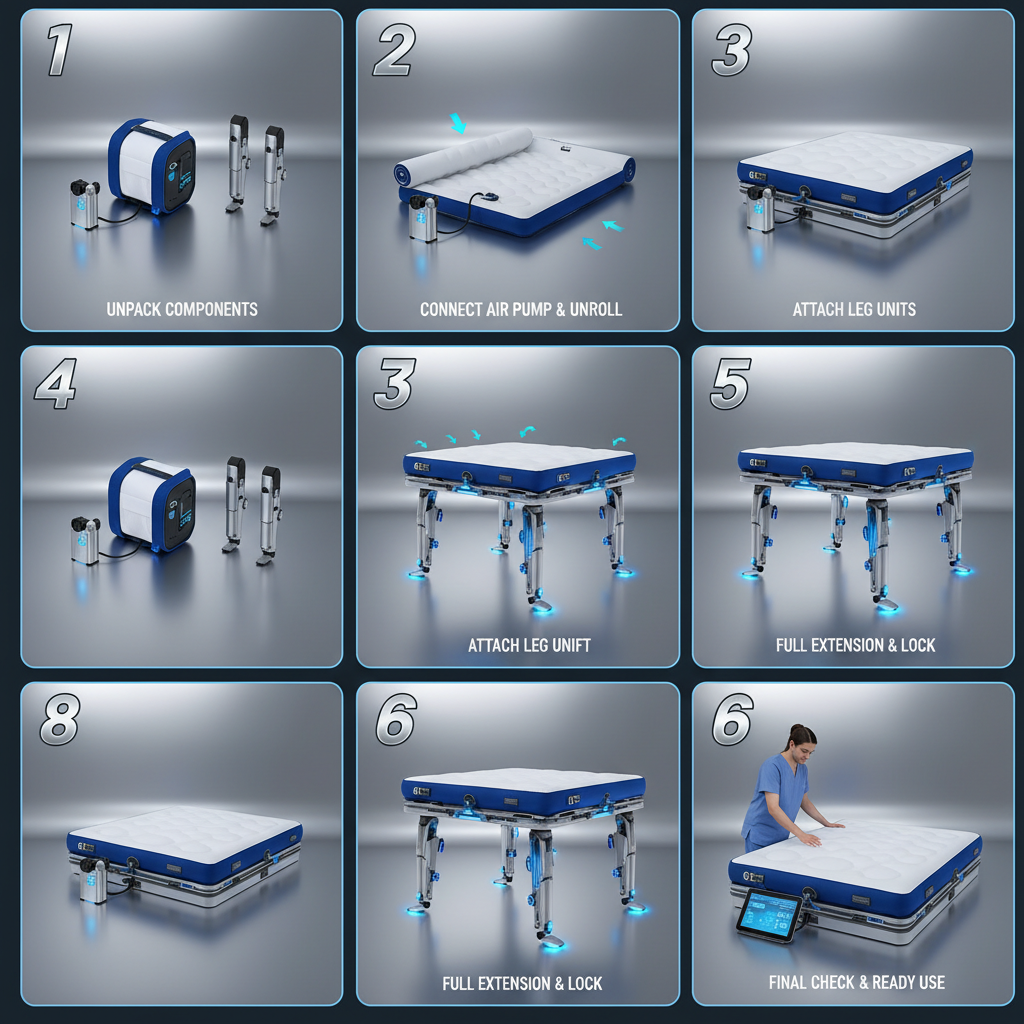
Tubular air mattresses offer significantly faster deployment times compared to traditional shelters. While constructing a traditional shelter can take days or even weeks, a tubular air mattress can be fully inflated and habitable within hours, sometimes even minutes, depending on the size and complexity. This speed is crucial in emergency situations where immediate shelter is a priority.
The lifespan of a tubular air mattress structure depends on the quality of materials used and the frequency of use. With proper maintenance, high-quality structures made from materials like TPU can last for several years, even with repeated inflation and deflation. PVC structures generally have a shorter lifespan but remain cost-effective for short-term emergency deployments.
Tubular air mattresses can be adapted for various climates, but considerations must be made for extreme temperatures. TPU materials offer better resistance to both hot and cold temperatures than PVC. Proper ventilation and insulation may be required in extreme climates to maintain a comfortable internal environment. Reinforced designs are necessary to withstand high winds and heavy snow loads.
A major advantage of tubular air mattresses is their compact storage and easy transportability. When deflated, they can be folded down to a relatively small size, allowing for efficient storage and transport via trucks, airplanes, or even helicopters. This makes them ideal for reaching remote or inaccessible areas.
Safety features include reinforced seams, puncture-resistant materials, and pressure relief valves to prevent over-inflation. Anchoring systems are essential to secure the structure to the ground, preventing it from being blown away in high winds. Fire-retardant coatings can also be applied to enhance safety.
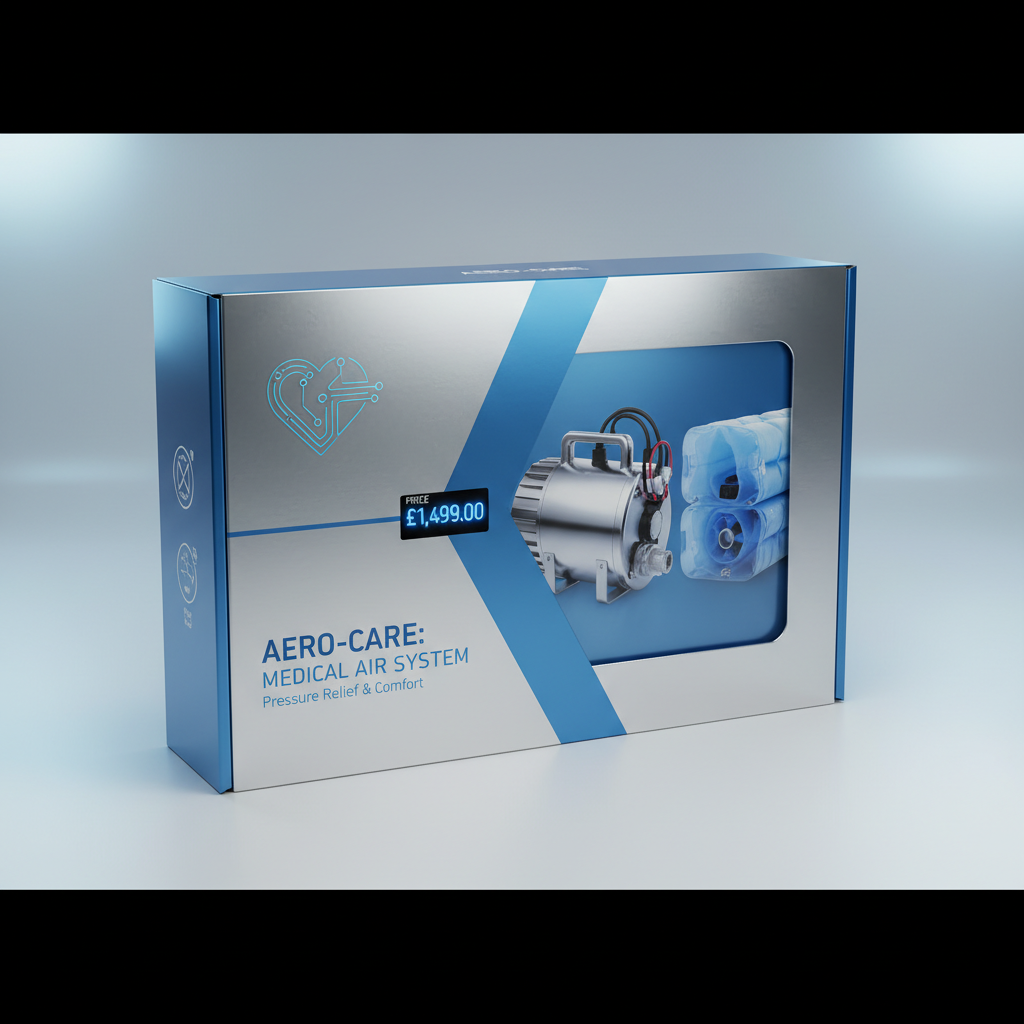
While the initial cost of a high-quality tubular air mattress might be comparable to some traditional shelters, the overall life-cycle cost is often lower. Factors such as reduced construction labor, lower transportation costs, and potential for reuse contribute to significant savings. The speed of deployment also reduces indirect costs associated with prolonged displacement and emergency response efforts.
In conclusion, tubular air mattress technology represents a paradigm shift in the provision of temporary shelter and emergency housing. Its speed of deployment, portability, cost-effectiveness, and adaptability make it an invaluable asset for addressing critical humanitarian needs and supporting various industries. By leveraging innovative materials and engineering principles, these structures offer a safe, dignified, and sustainable solution for providing shelter in challenging circumstances.
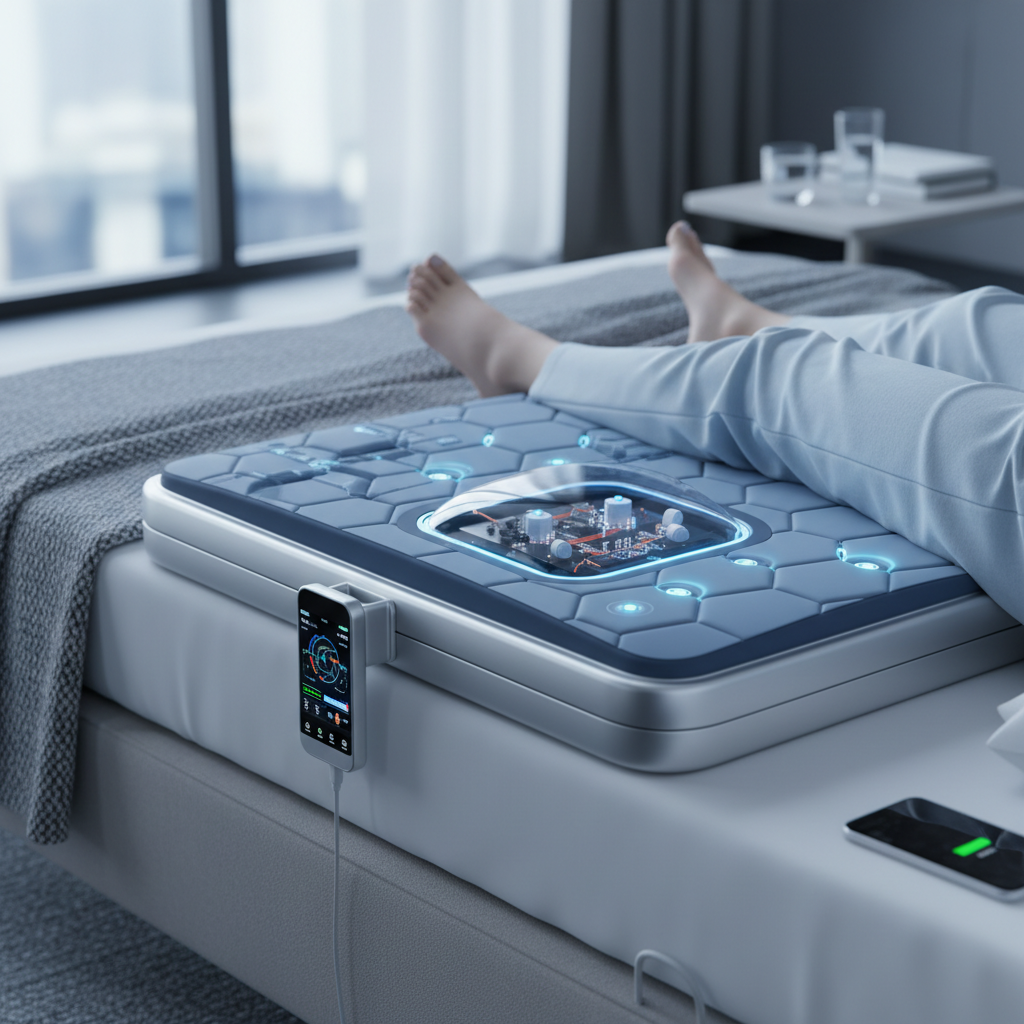
Looking ahead, continued investment in research and development will further enhance the performance and versatility of tubular air mattress technology. Exploring integration with renewable energy sources, smart technologies, and sustainable materials will pave the way for even more resilient and environmentally friendly shelter solutions. For more information on these innovative solutions, and to explore how tubular air mattress can benefit your organization, visit our website today!