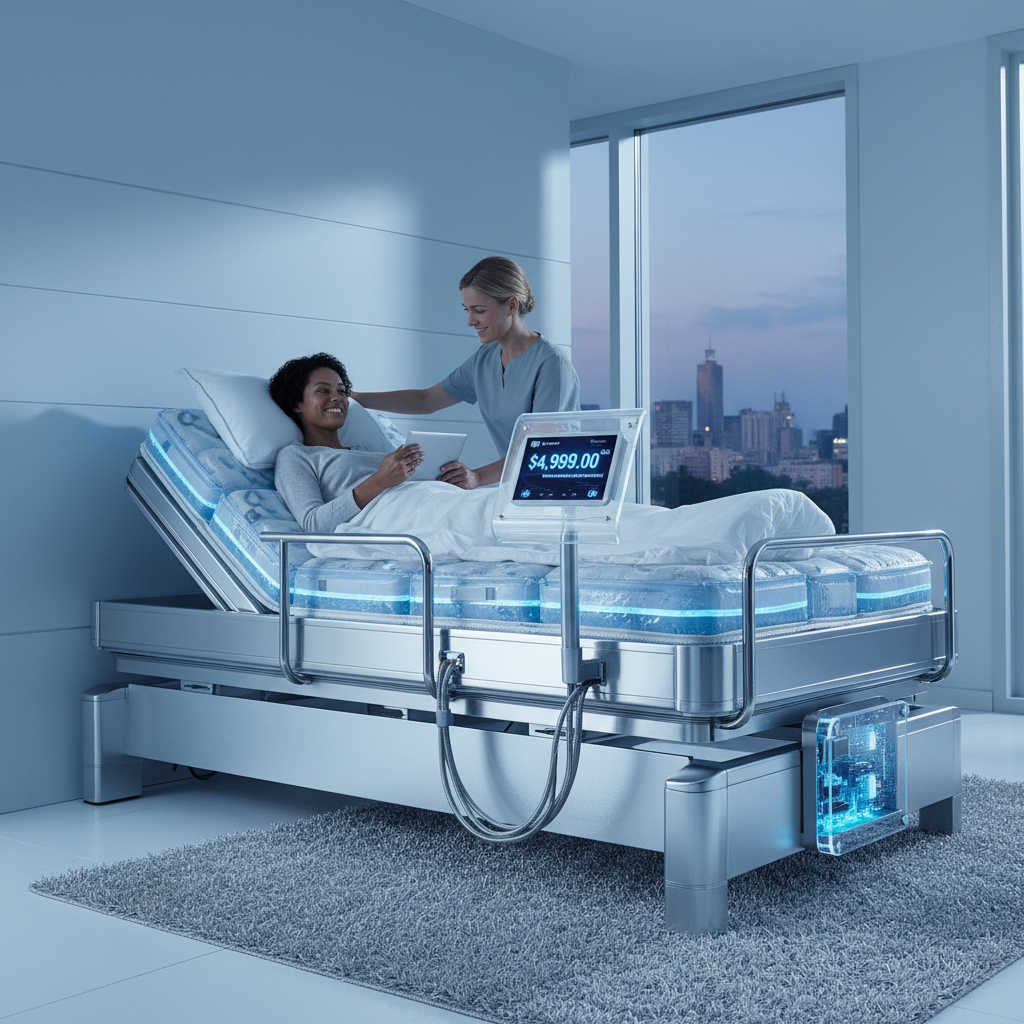
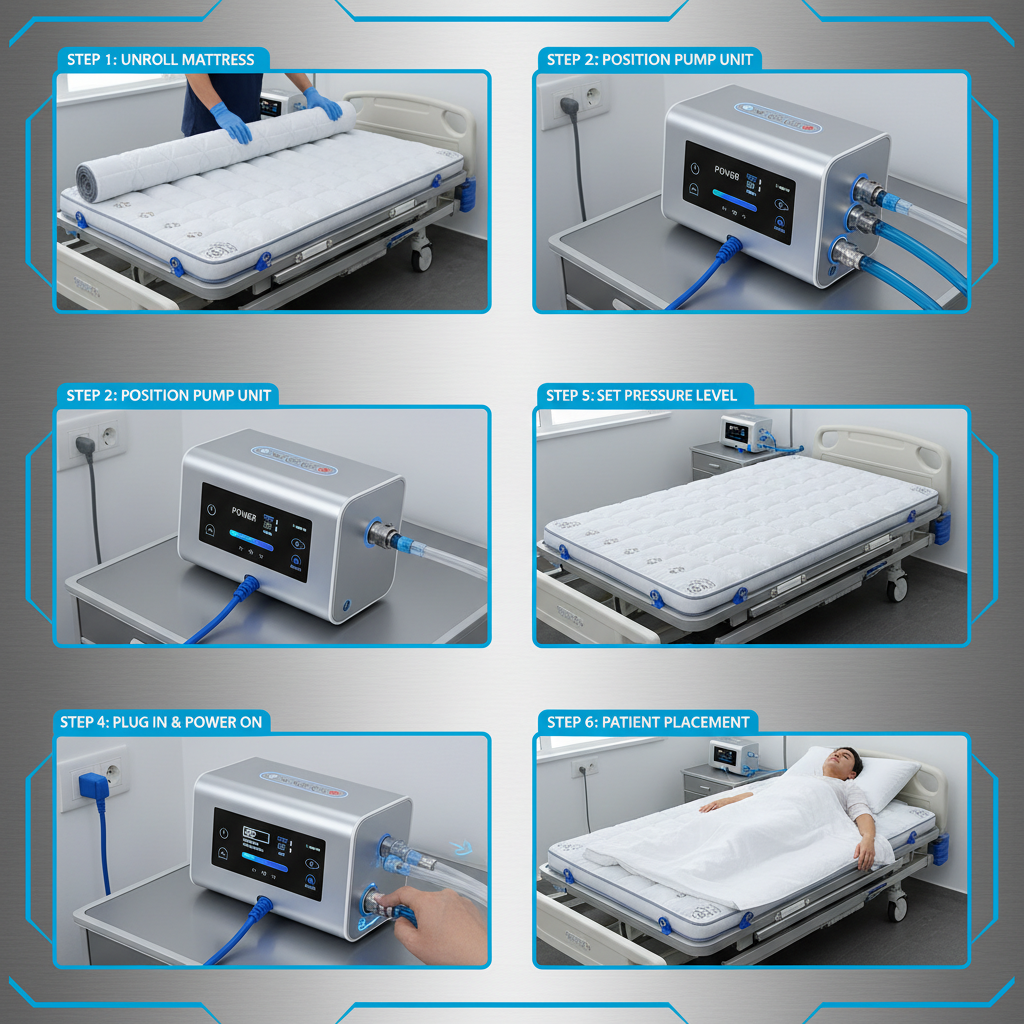
The global need for effective pressure ulcer prevention is constantly increasing due to aging populations and rising rates of chronic illnesses. Air beds for bed sores, also known as alternating pressure mattresses, represent a crucial intervention in reducing the incidence and severity of these debilitating wounds. Understanding the factors influencing their price, quality, and application is essential for healthcare providers, caregivers, and patients alike. The air bed for bed sores price is a critical consideration when balancing budgetary constraints with the need for optimal patient care.
The market for air beds designed to prevent and treat bed sores is a significant one, driven by the substantial costs associated with managing pressure ulcers—costs that include prolonged hospital stays, increased infection rates, and decreased quality of life. The United Nations and the World Health Organization emphasize preventative healthcare as a cornerstone of global health strategies, and pressure ulcer prevention aligns directly with this goal. Choosing the right air bed for bed sores price requires careful consideration of patient needs, risk factors, and available resources.
Advancements in materials science and engineering have led to more sophisticated and effective air bed technologies. These innovations not only improve pressure redistribution but also enhance patient comfort and ease of use. Proper implementation and understanding of the air bed for bed sores price coupled with comprehensive pressure ulcer prevention protocols, are vital to achieving positive patient outcomes.
The Significance of Air Bed for Bed Sores Price
The cost of an air bed for bed sores isn’t merely a price tag; it's an investment in patient well-being and resource optimization. Effective pressure redistribution minimizes skin breakdown, reducing the risk of developing severe bed sores, which can significantly escalate healthcare costs through extended hospitalizations, surgical interventions, and wound care treatments. Understanding the correlation between air bed for bed sores price and long-term cost savings is crucial for informed decision-making.
Furthermore, the choice of an appropriate air bed influences patient comfort and quality of life. A comfortable patient is more likely to adhere to treatment plans and experience a faster recovery. Therefore, a thoughtfully considered air bed for bed sores price reflects a commitment to holistic patient care, encompassing both physical health and emotional well-being.
Defining Air Beds for Bed Sores Price
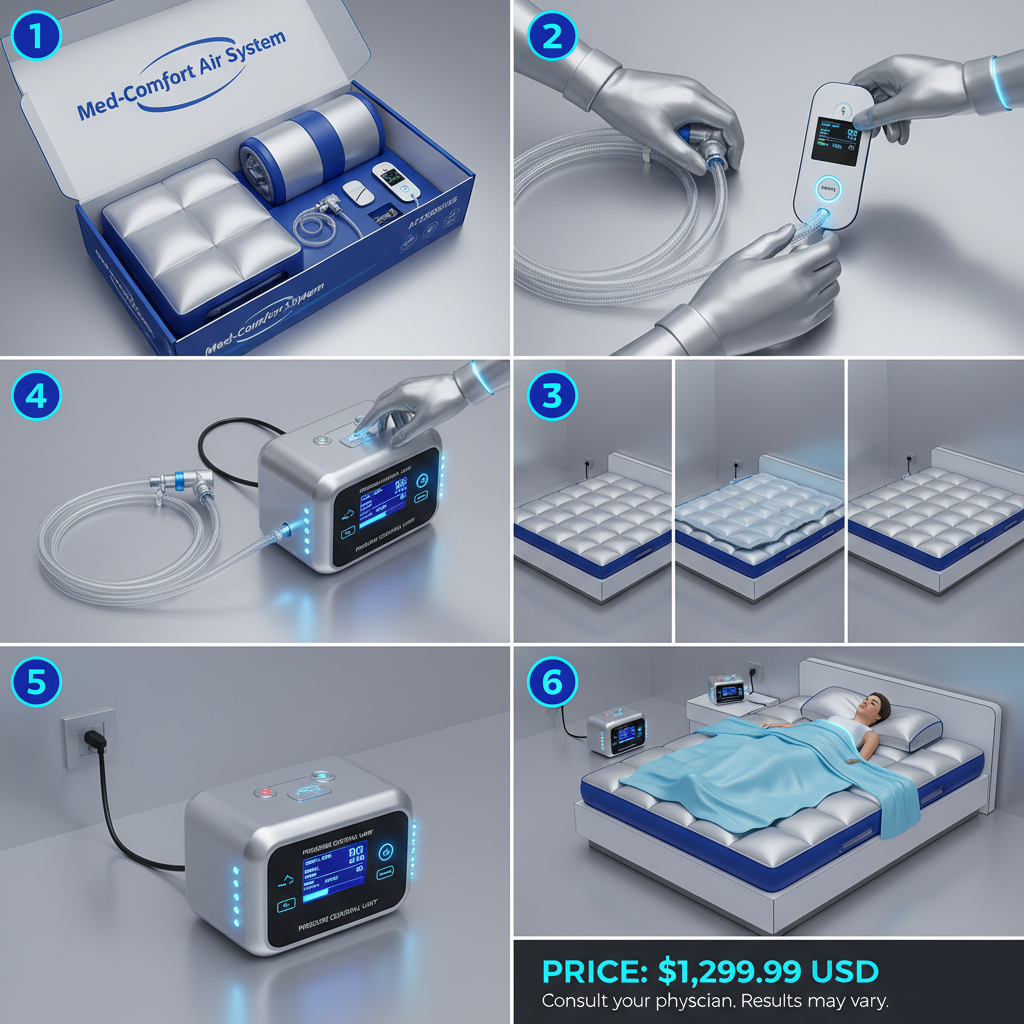
An air bed for bed sores, or alternating pressure mattress, is a medical device designed to redistribute pressure away from bony prominences, thereby reducing the risk of pressure ulcer development. These beds typically consist of inflatable air cells that alternately inflate and deflate, creating a dynamic surface that minimizes sustained pressure on any single area of the body. The air bed for bed sores price varies significantly depending on the features, materials, and technology incorporated into the device.
The concept aligns directly with modern healthcare's shift towards preventative medicine and proactive patient care. Historically, bed sores were often treated reactively, leading to lengthy and costly interventions. Now, air beds and other preventative measures are becoming standard practice in hospitals, long-term care facilities, and even home healthcare settings.
The increasing demand for these devices reflects a global awareness of the significant impact of pressure ulcers on healthcare systems and patient quality of life, driving the need for accessible and appropriately priced solutions – ultimately impacting the air bed for bed sores price.
Core Components Influencing Air Bed for Bed Sores Price
Several key components contribute to the overall air bed for bed sores price. The type of air cell material – ranging from standard PVC to more durable and breathable polyurethane – significantly impacts both cost and longevity. More advanced beds utilize micro-climate control systems to manage temperature and humidity, adding to the price but enhancing patient comfort and reducing the risk of moisture-related skin damage.
The complexity of the control unit is another major factor. Basic models offer simple alternating pressure cycles, while more sophisticated units allow for customized pressure settings, static pressure inflation, and even integrated monitoring systems. These advanced features contribute to a higher air bed for bed sores price but provide greater flexibility and personalized care.
Finally, the overall build quality, including the durability of the pump and mattress materials, and the presence of safety features like CPR deflation, directly influence the price. Investing in a higher-quality air bed may result in a higher upfront cost, but can lead to longer lifespan and reduced maintenance expenses over time.
Global Applications of Air Beds for Bed Sores Price
Air beds for bed sores are utilized extensively in a variety of healthcare settings worldwide. Hospitals employ them in intensive care units, post-surgical recovery rooms, and long-term care facilities. Nursing homes and assisted living facilities rely on these beds to prevent pressure ulcers in residents with limited mobility. The air bed for bed sores price is often a significant consideration within these budget-conscious environments.
Home healthcare is an increasingly important application, particularly as populations age and more patients receive care in their own homes. In these settings, the portability and ease of use of air beds are critical factors. Telemedicine and remote patient monitoring are also driving demand for air beds equipped with connected features.
Air Bed for Bed Sores Price Comparison by Feature
Advantages & Long-Term Value of Air Beds for Bed Sores Price
The advantages of using an air bed for bed sores extend far beyond simple comfort. The primary benefit is the significant reduction in the incidence of pressure ulcers, which translates to lower healthcare costs, reduced patient suffering, and improved quality of life. While the initial air bed for bed sores price may seem substantial, the long-term cost savings are often considerable.
Investing in a high-quality air bed can also enhance a healthcare facility’s reputation and improve patient satisfaction scores. Demonstrating a commitment to preventative care and patient well-being builds trust and attracts patients. Furthermore, advanced air bed technologies can streamline nursing workflows and reduce the workload associated with frequent patient repositioning.
Future Trends & Innovation in Air Beds for Bed Sores Price
The future of air beds for bed sores lies in the integration of smart technologies and personalized care. We are likely to see more beds equipped with sensors that continuously monitor patient movement, skin temperature, and pressure distribution, providing real-time data to healthcare providers. This data-driven approach will enable more proactive and effective pressure ulcer prevention strategies.
Materials science will also play a crucial role. New, breathable, and antimicrobial materials will enhance patient comfort, reduce the risk of infection, and extend the lifespan of the beds. The air bed for bed sores price may initially be higher for these technologically advanced models, but the long-term benefits in terms of improved patient outcomes and reduced healthcare costs will likely justify the investment.
Challenges and Solutions Related to Air Bed for Bed Sores Price
One significant challenge is the wide range in air bed for bed sores price, making it difficult for smaller facilities or individuals to afford high-quality options. Innovative financing models, such as leasing programs or government subsidies, could help address this issue.
Another challenge is ensuring proper staff training on the correct use and maintenance of air beds. Incorrect operation can negate the benefits of the technology and even increase the risk of pressure ulcers. Comprehensive training programs and readily available support resources are essential.
Finally, addressing the issue of product standardization and quality control is critical. Establishing clear performance standards and rigorous testing protocols will ensure that all air beds meet a minimum level of safety and effectiveness.
Summary of Solutions to Key Challenges in Air Bed for Bed Sores Price & Implementation
| Challenge |
Solution |
Impact on Air Bed for Bed Sores Price |
Implementation Difficulty (1-10) |
| High Initial Cost |
Leasing Programs & Subsidies |
May slightly increase overall cost but improves accessibility |
6 |
| Lack of Staff Training |
Comprehensive Training Modules |
Adds to initial implementation cost but reduces long-term risks |
7 |
| Variable Product Quality |
Standardized Performance Metrics |
May lead to a slight increase in price for compliant products |
8 |
| Limited Patient-Specific Customization |
Smart Sensors & Data Analytics |
Initially raises the air bed for bed sores price but improves efficacy |
9 |
| Maintenance and Repair Costs |
Extended Warranties & Service Contracts |
Increases upfront air bed for bed sores price but lowers long-term expenses |
5 |
| Supply Chain Disruptions |
Diversified Sourcing & Local Production |
Potential to stabilize air bed for bed sores price and reduce lead times |
7 |
FAQS
The price of an air bed for bed sores is largely influenced by its features, materials, and technology. Advanced features like microclimate control, digital pressure adjustment, and low-air-loss technology significantly increase the cost. The quality of materials used, such as the type of air cells and pump, also impacts the price. Finally, brand reputation and warranty offerings play a role in determining the overall air bed for bed sores price.
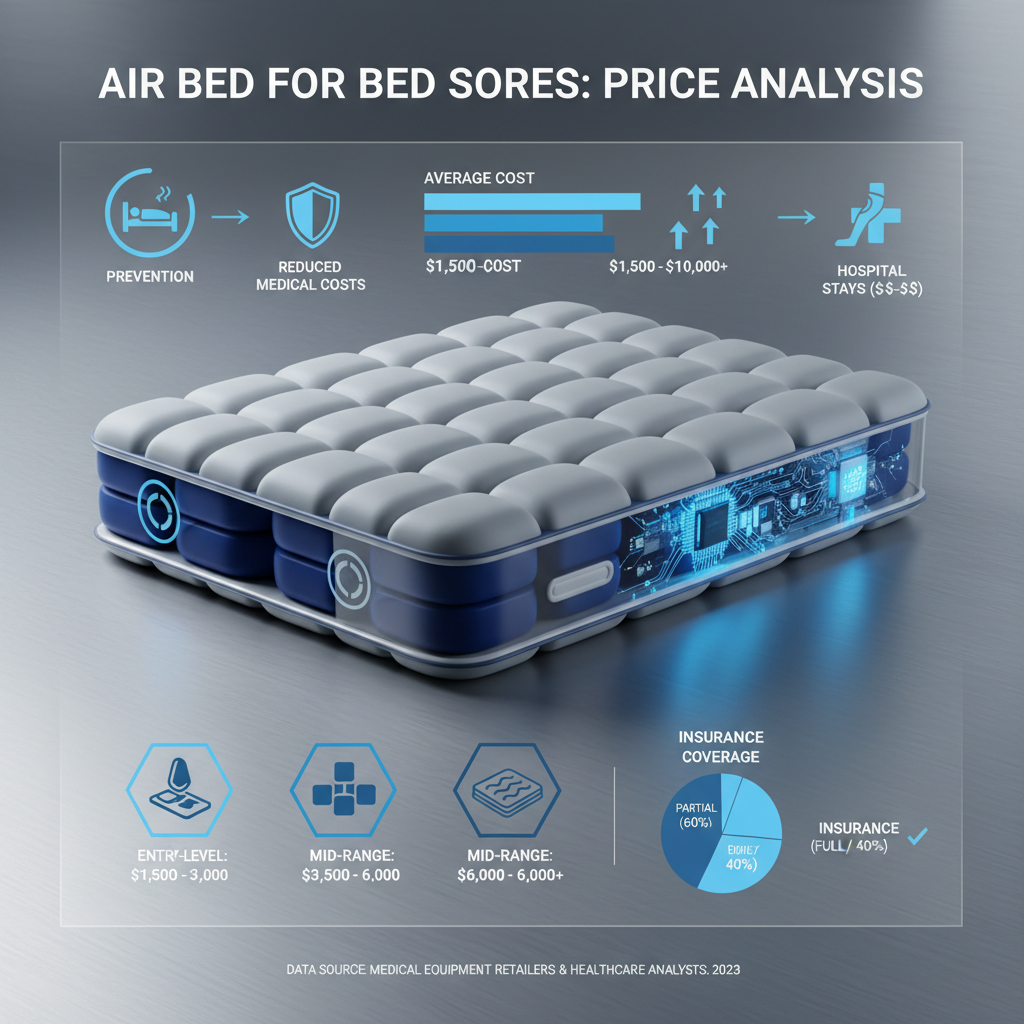
Generally, alternating pressure air beds are less expensive than low-air-loss or hybrid systems. Alternating pressure beds typically range from $200-$800, while low-air-loss models can range from $800-$1500 or higher. Hybrid systems, combining air and foam, often fall in between. The increased price of low-air-loss beds reflects their superior ability to manage moisture and shear, crucial factors in preventing skin breakdown, making the increased air bed for bed sores price worthwhile for high-risk patients.
Not necessarily. While a higher price often reflects advanced features and higher-quality materials, it's important to consider the specific needs of the patient and the intended use. A basic, well-maintained alternating pressure bed may be sufficient for low-risk individuals, while high-risk patients may benefit from the additional features of a more expensive model. Researching the manufacturer, reading reviews, and comparing specifications are essential when evaluating the air bed for bed sores price and quality.
Preventing pressure ulcers with an air bed can lead to significant long-term cost savings. Untreated pressure ulcers can result in prolonged hospital stays, costly wound care treatments, increased infection rates (leading to antibiotic use and potential sepsis), and even surgical interventions. By proactively preventing pressure ulcers, an air bed can reduce these expenses and improve patient outcomes, ultimately offsetting the initial air bed for bed sores price.
Some medical equipment suppliers offer financing options, such as payment plans or leasing agreements, to help make air beds more affordable. Additionally, some insurance plans may cover the cost of an air bed for patients deemed at high risk for pressure ulcers. It’s crucial to verify coverage with your insurance provider and explore available financing options before making a purchase. Understanding the potential cost savings relative to the air bed for bed sores price can also help justify the investment.
Regular maintenance is crucial for ensuring the longevity and effectiveness of an air bed. This includes checking for leaks, cleaning the mattress cover, and inspecting the pump for proper function. Depending on the model, filter replacements may also be necessary. While maintenance does incur some costs, it is significantly less than the expenses associated with treating a pressure ulcer. Proper maintenance can help maximize the lifespan of the air bed and maintain its optimal performance, justifying the initial air bed for bed sores price.
Conclusion
In conclusion, the air bed for bed sores price represents a critical investment in preventative healthcare and patient well-being. The multitude of factors influencing price—from materials and features to brand reputation and service contracts—necessitates a thorough evaluation of individual needs and budgetary constraints. Choosing the right air bed isn’t solely about minimizing cost; it’s about maximizing patient comfort, preventing complications, and ultimately improving the quality of life for those at risk of pressure ulcers.
Looking ahead, advancements in smart technology and data analytics promise to further enhance the effectiveness and affordability of these vital medical devices. By embracing innovation, prioritizing preventative care, and fostering a commitment to patient-centered solutions, we can work towards a future where pressure ulcers are significantly reduced, and the air bed for bed sores price is seen as a worthwhile investment in a healthier, more dignified future. Visit our website: www.chuangenmedicals.com for more information.