Bubble mattresses are rapidly gaining prominence in various sectors, from hospitality and healthcare to personal home use, largely due to their unique combination of comfort, affordability, and convenience. Understanding the nuances of bubble mattress price is crucial for making informed purchasing decisions, whether for individual consumers or large-scale institutional procurement. This understanding extends beyond simply the monetary cost, encompassing factors like longevity, maintenance, and potential health benefits.
The global market for mattresses, including those utilizing bubble technology, is experiencing significant growth, driven by rising disposable incomes, increasing awareness of sleep health, and evolving consumer preferences. According to industry reports, the mattress market is projected to reach [Insert Data Point - e.g., $90 billion] by [Insert Year - e.g., 2028]. The bubble mattress price point plays a critical role in market accessibility, making comfortable sleep solutions attainable for a wider demographic.
Navigating the landscape of bubble mattress pricing requires understanding the various materials used, manufacturing processes, and the brand reputation behind the product. Fluctuations in raw material costs, particularly polymers and fabrics, directly impact the final bubble mattress price. Furthermore, innovations in bubble technology continue to introduce new features and benefits, influencing pricing structures.
Introduction to bubble mattress price
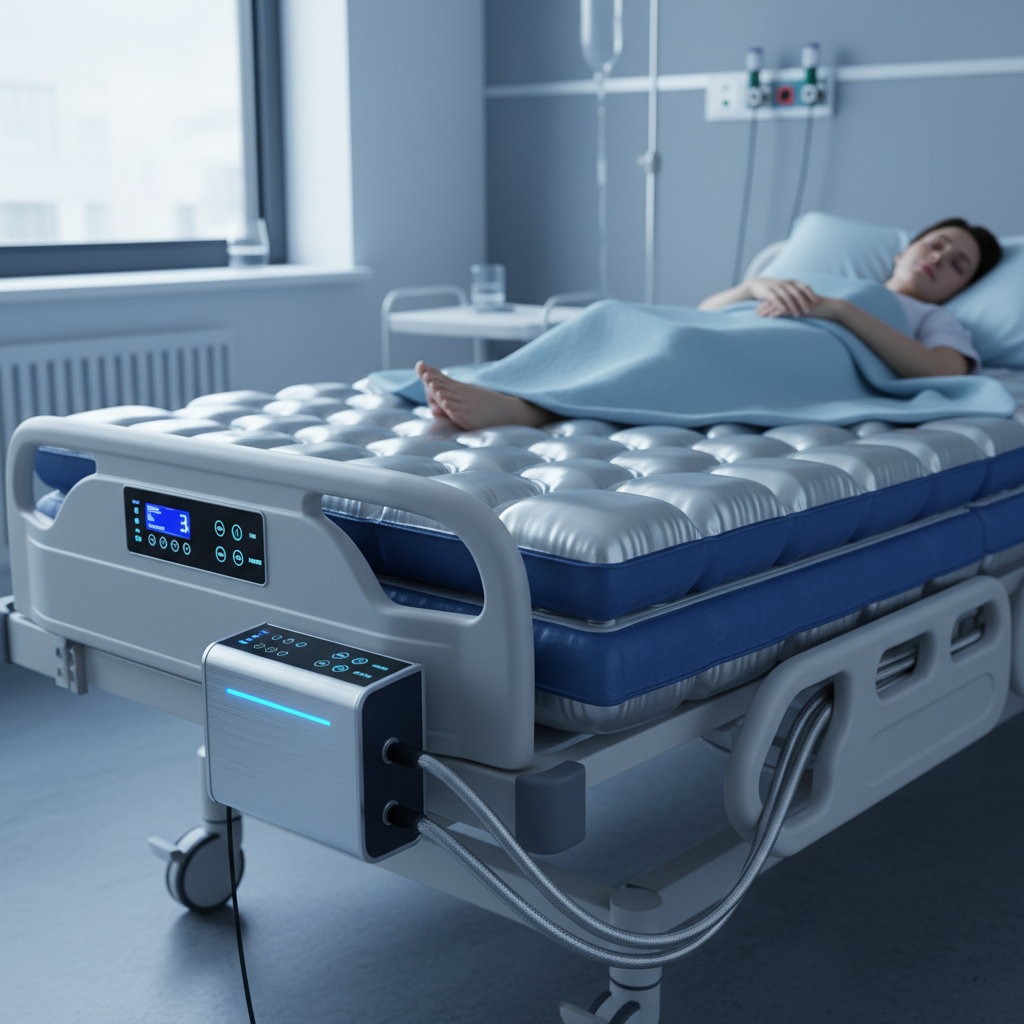
The term “bubble mattress price” refers to the total cost associated with acquiring a mattress constructed using a bubble technology – typically referring to an air chamber system designed for pressure redistribution and enhanced comfort. These mattresses are often found in hospitals and healthcare facilities due to their ability to prevent pressure ulcers, but are also increasingly popular for home use.
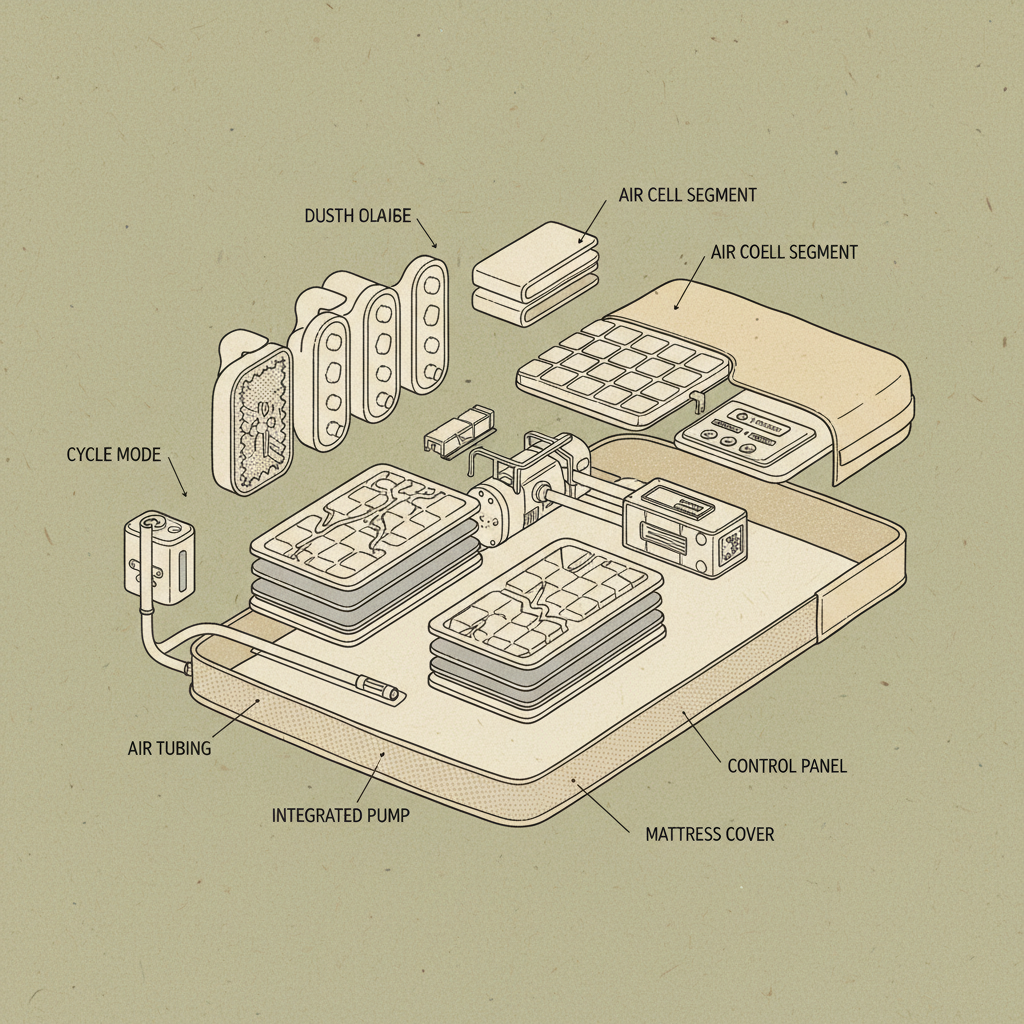
Factors that contribute to the overall bubble mattress price include the complexity of the air pump system, the quality of the materials used (such as PVC or TPU for the bubbles and nylon or polyester for the mattress cover), and the manufacturer’s brand recognition. Understanding these factors is crucial for comparing different models and determining the best value for your needs.
Defining bubble mattress price
Bubble mattress price isn't solely about the initial purchase cost. It encompasses a lifecycle cost, which includes the price of the mattress itself, the cost of electricity to run the air pump, the cost of maintenance and repairs (such as replacing the pump or patching leaks), and the eventual cost of replacement. Considering this holistic view provides a more accurate comparison between bubble mattresses and other types of mattresses.
The price range for bubble mattresses can vary significantly, from around $100 for basic models intended for temporary use, to over $1,000 for advanced medical-grade mattresses with features like adjustable pressure settings and integrated sensors. The bubble mattress price is often reflective of the intended application and the level of sophistication of the technology.
In healthcare settings, the bubble mattress price is justified by the potential cost savings associated with preventing pressure ulcers, which can lead to prolonged hospital stays, expensive treatments, and increased morbidity. For home users, the price is often weighed against the benefits of improved comfort, better sleep quality, and potential relief from back pain.
Core Components of bubble mattress price
Several key components influence the final bubble mattress price. The air pump is arguably the most crucial, determining the mattress's effectiveness in pressure redistribution. High-quality pumps are more durable, quieter, and offer more precise control over inflation and deflation cycles, leading to a higher price point.
The material of the bubbles themselves also significantly impacts the cost. TPU (thermoplastic polyurethane) is more expensive than PVC (polyvinyl chloride) but offers superior durability, flexibility, and resistance to cracking. Additionally, the quality and breathability of the mattress cover, often made from nylon or polyester, contribute to the overall price and comfort.
Finally, features like remote control functionality, adjustable pressure settings, and built-in sensors for monitoring patient movement and pressure points can increase the bubble mattress price. Warranty coverage and after-sales support also play a role in determining the overall value proposition.
Global Applications of bubble mattress price
Bubble mattresses find widespread application in hospitals and long-term care facilities, where they are used to prevent and treat pressure ulcers in bedridden patients. The bubble mattress price in these settings is often negotiated through bulk purchasing agreements and contracts with medical supply companies.
Beyond healthcare, bubble mattresses are increasingly used in home healthcare settings for individuals recovering from surgery or managing chronic conditions. Additionally, they are finding a niche market in the recreational vehicle (RV) industry, offering a comfortable and adjustable sleep surface for travelers.
Comparison of Bubble Mattress Price based on Features
Advantages and Long-Term Value of bubble mattress price
A key advantage of bubble mattresses is their cost-effectiveness compared to more complex pressure relief solutions, such as alternating pressure mattresses. While the initial bubble mattress price might be higher than a standard foam mattress, the long-term benefits – particularly in preventing pressure ulcers – can result in significant cost savings in healthcare settings.
The relative simplicity of bubble mattress technology also translates to lower maintenance costs and a longer lifespan compared to more sophisticated systems. The ease of cleaning and disinfection is another important advantage, especially in healthcare environments.
Future Trends in bubble mattress price
Innovations in materials science are expected to drive down the bubble mattress price of TPU-based bubble mattresses, making them more accessible to a wider range of consumers. Furthermore, the integration of smart sensors and connectivity features will likely become more common, allowing for remote monitoring of pressure distribution and mattress performance.
We can also anticipate the development of more sustainable bubble mattress materials, reducing the environmental impact of manufacturing and disposal. These advancements will contribute to a more eco-friendly and cost-effective solution for pressure relief and comfort.
Challenges and Solutions in bubble mattress price
One challenge associated with bubble mattresses is the potential for noise generated by the air pump. Manufacturers are addressing this issue by developing quieter pump designs and incorporating noise-dampening materials. Another concern is the risk of puncture or leaks, which can compromise the mattress's effectiveness.
To mitigate this risk, manufacturers are using more durable materials and offering repair kits. Furthermore, ongoing research is focused on developing self-sealing bubble materials that can automatically repair minor punctures.
Finally, ensuring consistent air pressure distribution across the entire mattress surface remains a challenge. Advanced pump control algorithms and optimized bubble designs are being employed to address this issue and maximize the therapeutic benefits of bubble mattresses.
Analysis of Bubble Mattress Price Factors
| Material Quality |
Pump Technology |
Warranty Period |
Impact on bubble mattress price |
| PVC |
Standard Single-Cell Pump |
6 Months |
Lowest Price Range ($80 - $150) |
| TPU |
Dual-Cell Pump |
1 Year |
Mid-Range Price ($200 - $400) |
| Reinforced TPU |
Variable Speed Pump |
2 Years |
Upper-Mid Range Price ($400 - $600) |
| Medical-Grade TPU |
Smart Pump with Pressure Monitoring |
3 Years |
High Price Range ($600 - $900) |
| Antibacterial TPU |
Silent Variable Speed Pump |
5 Years |
Premium Price Range ($900+) |
| Flame Retardant TPU |
Advanced Digital Pump with Auto-Adjust |
Lifetime |
Highest Price Range ($1200+) |
FAQS
The lifespan of a bubble mattress typically ranges from 2 to 5 years, depending on the quality of materials, frequency of use, and maintenance. Higher-quality mattresses with durable pumps and TPU bubbles will generally last longer. Regular cleaning and inspection for leaks are essential to maximizing the lifespan. Replacing the pump may extend the mattress’s use.
The electrical cost of running a bubble mattress is relatively low. Most pumps consume between 5 and 15 watts of power. Assuming an average electricity rate of $0.15 per kilowatt-hour, running a 10-watt pump 24/7 would cost approximately $10.80 per month. The exact cost will depend on the pump’s wattage and your local electricity rates.
While bubble mattresses are excellent for pressure relief and can benefit many individuals, they aren’t suitable for everyone. Individuals with certain skin conditions or sensitivities may experience discomfort. It's essential to consult with a healthcare professional before using a bubble mattress, especially if you have pre-existing medical conditions.
Regular cleaning and maintenance are crucial for prolonging the lifespan of a bubble mattress. The mattress cover should be cleaned with mild soap and water. Regularly inspect the mattress for leaks and repair them promptly. The air pump should be kept clean and dust-free. Follow the manufacturer's instructions for specific cleaning and maintenance recommendations.
Both bubble and alternating pressure mattresses provide pressure relief, but they work differently. Bubble mattresses use a continuous flow of air into bubbles, while alternating pressure mattresses cyclically inflate and deflate different air cells. Alternating pressure mattresses are generally more effective for high-risk pressure ulcer prevention but are also more expensive and complex.
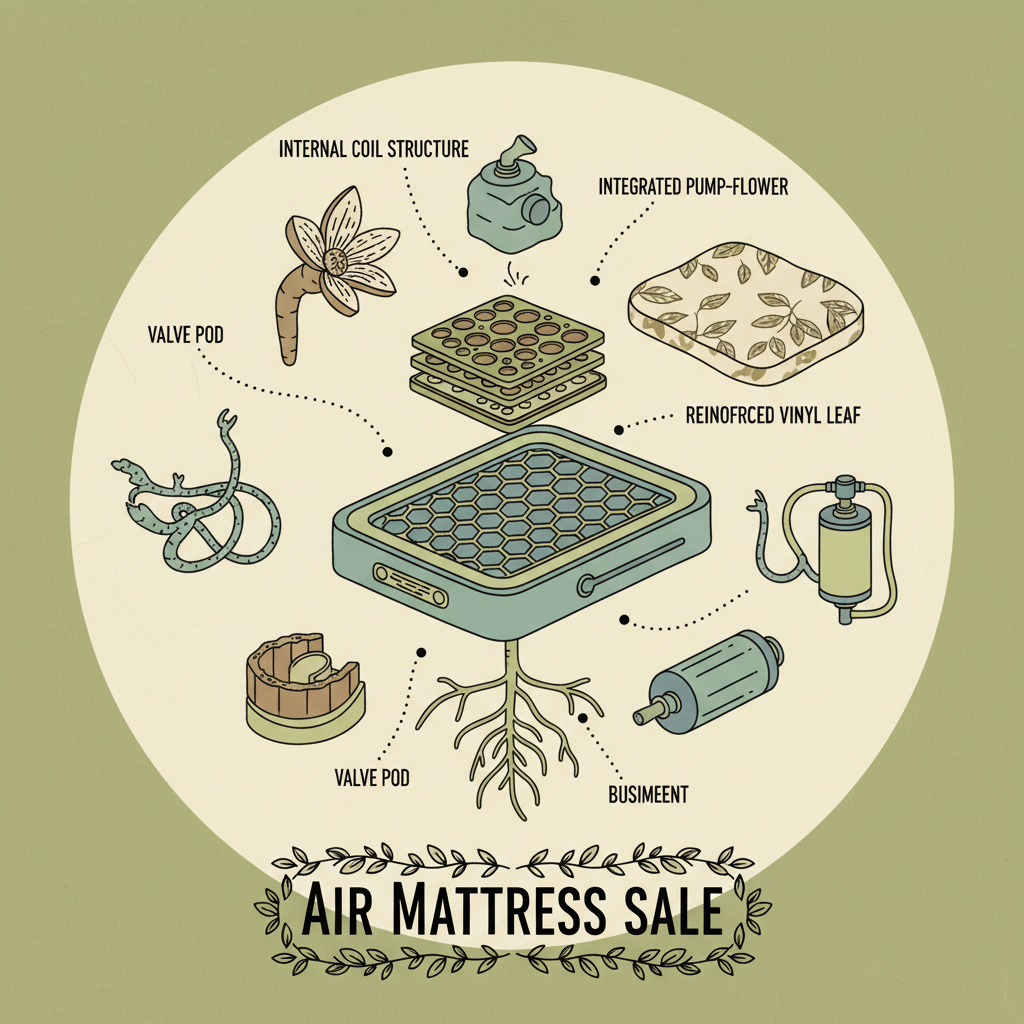
The best deals on bubble mattress price can often be found through online retailers, medical supply distributors, and during promotional sales. Comparing prices from multiple sources is essential. Consider looking for refurbished or open-box models to save money, but ensure they come with a warranty.
Conclusion
In conclusion, understanding the bubble mattress price extends beyond just the initial cost. It requires evaluating the quality of materials, pump technology, warranty coverage, and the intended application. By considering the lifecycle cost and potential benefits, individuals and institutions can make informed decisions that prioritize comfort, health, and long-term value.
Looking ahead, advancements in materials and pump technology promise to further reduce the bubble mattress price while enhancing performance and sustainability. Continuing research and development will undoubtedly contribute to the broader adoption of bubble mattresses as a cost-effective and reliable solution for pressure relief and improved sleep quality. Visit our website for more information: www.chuangenmedicals.com