Managing pressure ulcers in long-term care requires a sophisticated approach to surface technology, where the air bubble mattress medical serves as a critical intervention. These specialized surfaces are engineered to redistribute body weight and minimize shear forces, providing a dynamic environment that prevents the skin breakdown associated with prolonged immobility. By understanding the mechanics of alternating pressure, healthcare providers can significantly improve patient outcomes and quality of life.
The global demand for high-quality pressure relief systems has surged as aging populations and the prevalence of chronic conditions increase. An air bubble mattress medical is not merely a comfort item but a medical necessity that reduces the systemic burden on healthcare facilities by decreasing the incidence of secondary infections and surgical interventions required for deep tissue injuries.
Integrating these advanced mattresses into a comprehensive care plan involves balancing clinical efficacy with patient comfort. From the precision of the air pump to the durability of the TPU or PVC materials, every component of the air bubble mattress medical is designed to maintain skin integrity and promote healing through scientific pressure redistribution.
The Clinical Importance of Air Bubble Mattress Medical
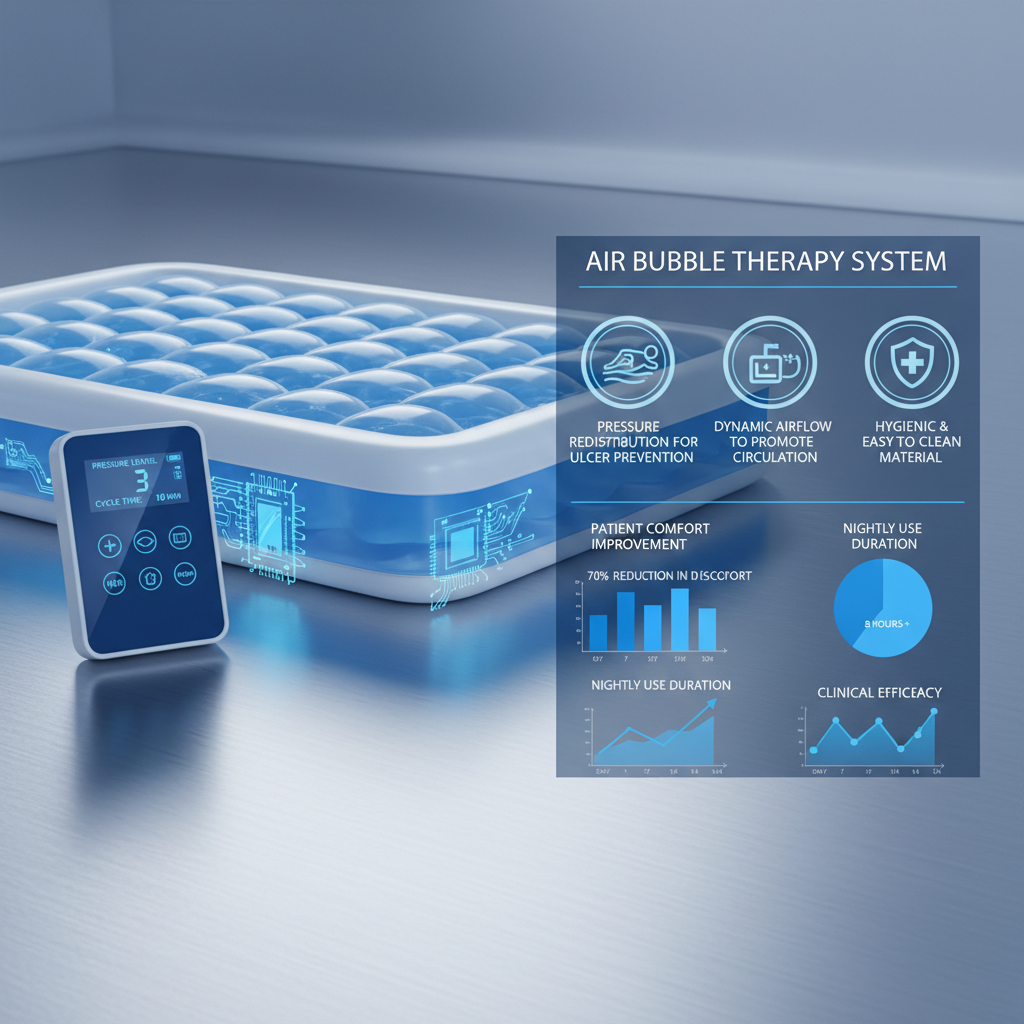
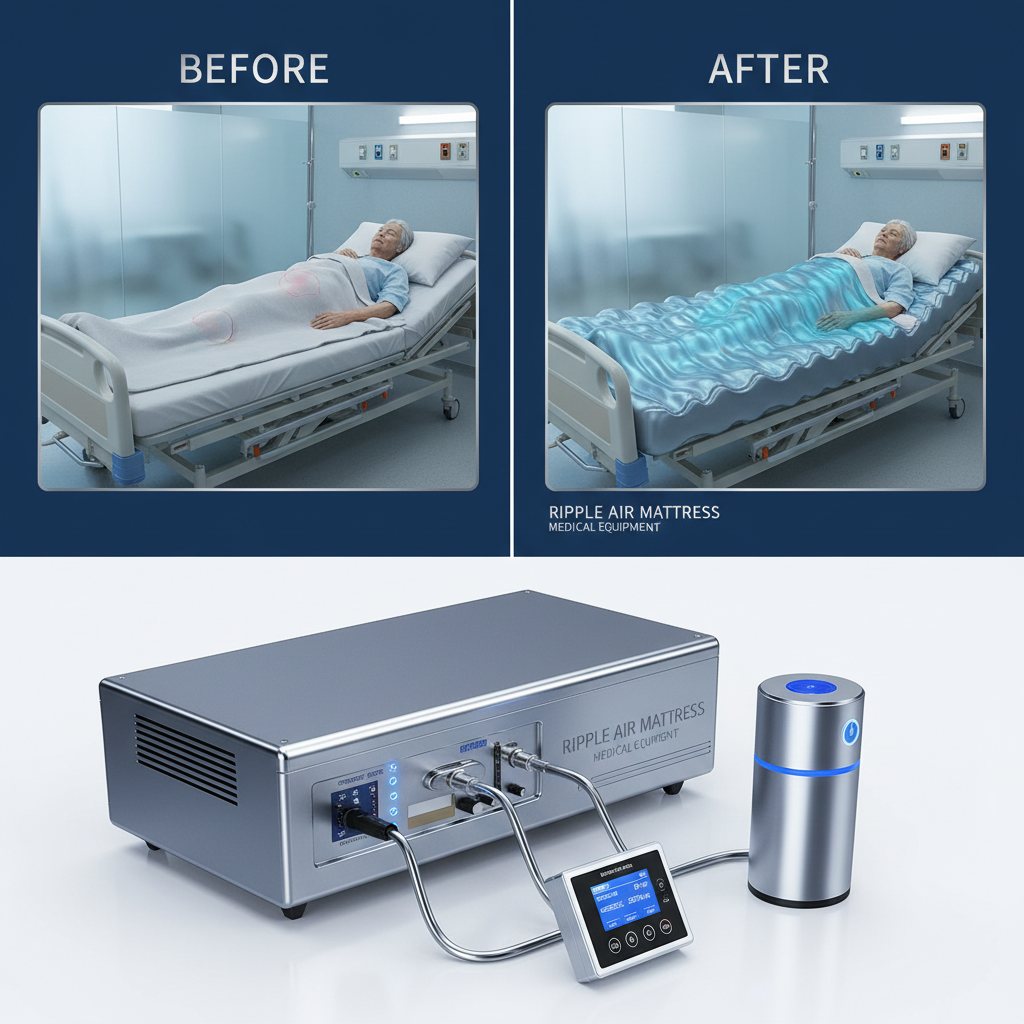
The implementation of an air bubble mattress medical is foundational in the prevention of decubitus ulcers, particularly for patients with limited mobility. By utilizing a system of interconnected air cells that inflate and deflate in a programmed cycle, these mattresses ensure that no single area of the body is subjected to continuous pressure, which otherwise restricts blood flow and leads to tissue necrosis.
Clinically, the use of these surfaces reduces the frequency of manual repositioning required by nursing staff, thereby lowering the risk of caregiver injury and improving the sleep quality of the patient. The strategic application of air bubble mattress medical technology represents a shift toward proactive skin management, moving from treating wounds to preventing them entirely.
Technical Specifications and Core Components
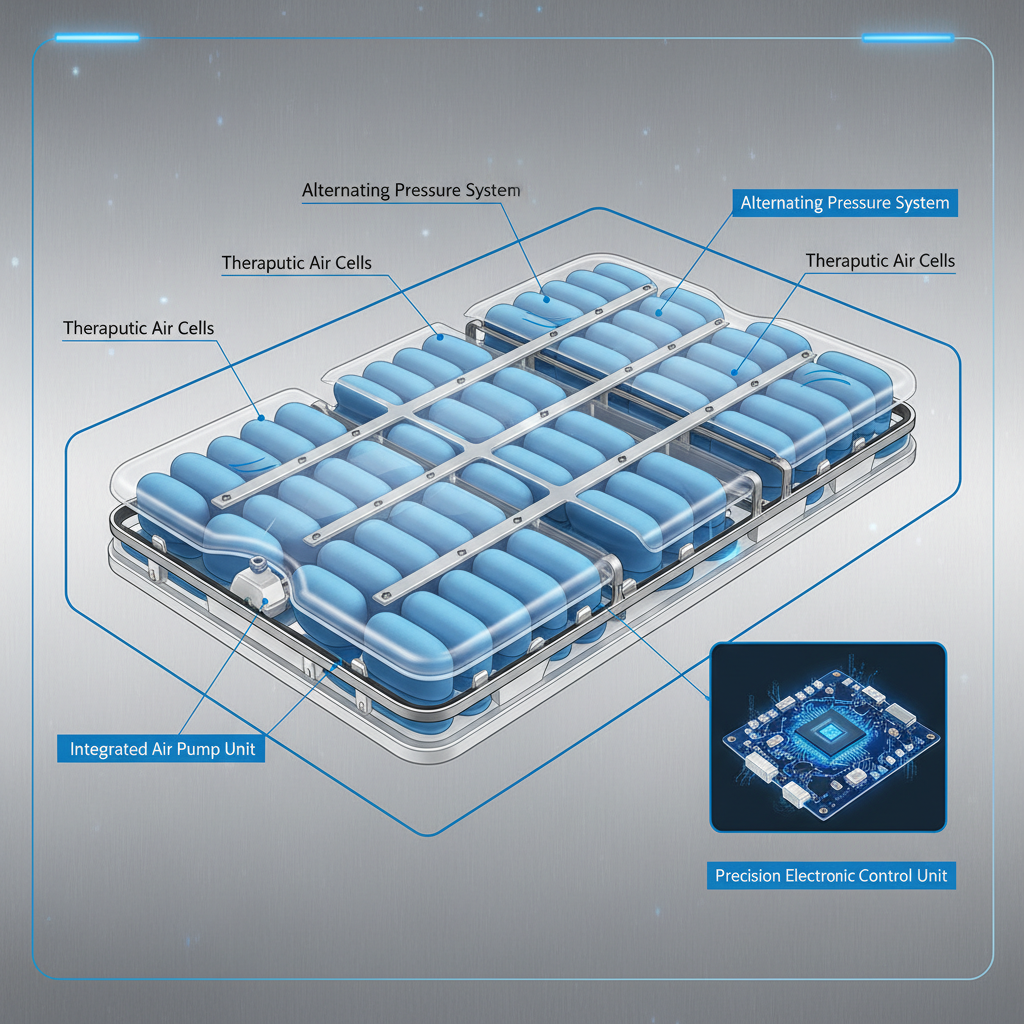
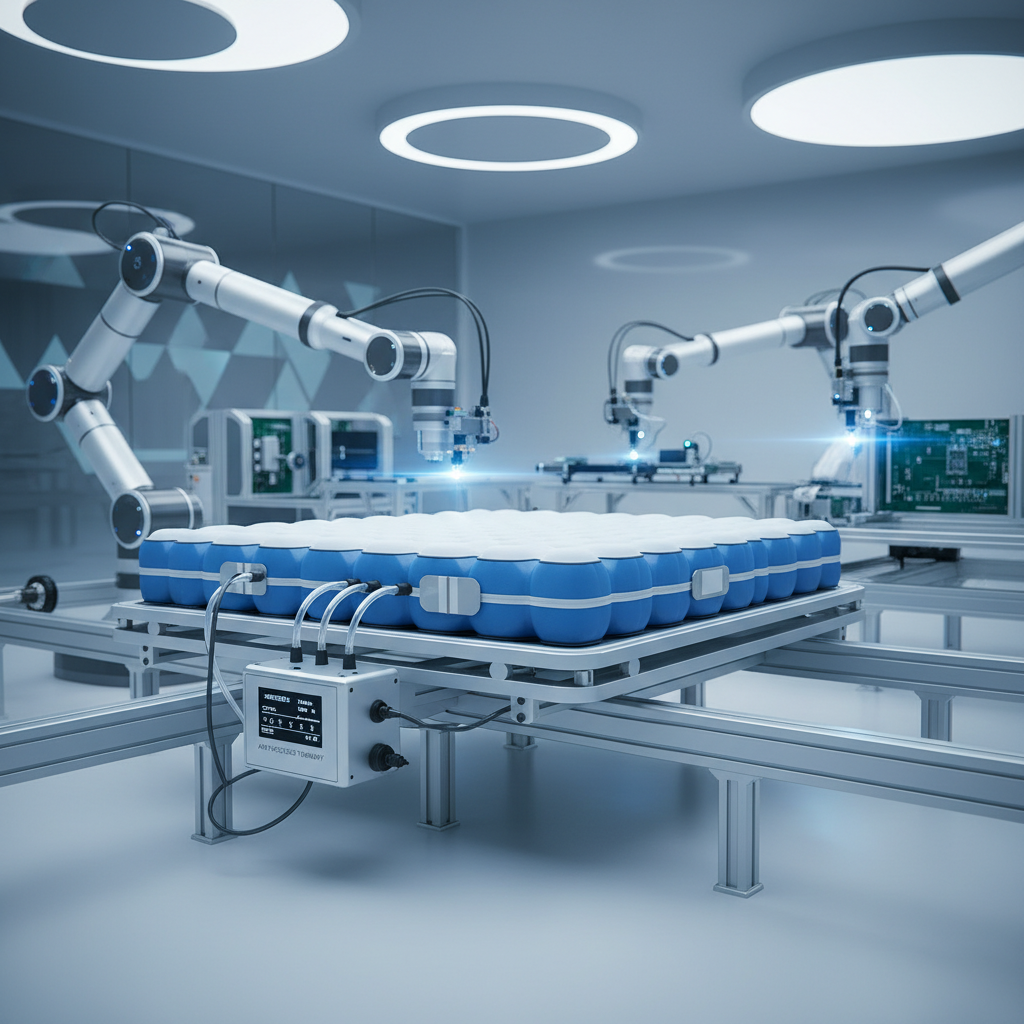
A professional-grade air bubble mattress medical consists of several critical components: the air-cell mattress topper, the electronic pump system, and the connecting hoses. The topper is typically constructed from high-grade medical TPU or PVC, which provides a waterproof barrier while remaining breathable to prevent moisture buildup (maceration) under the patient.
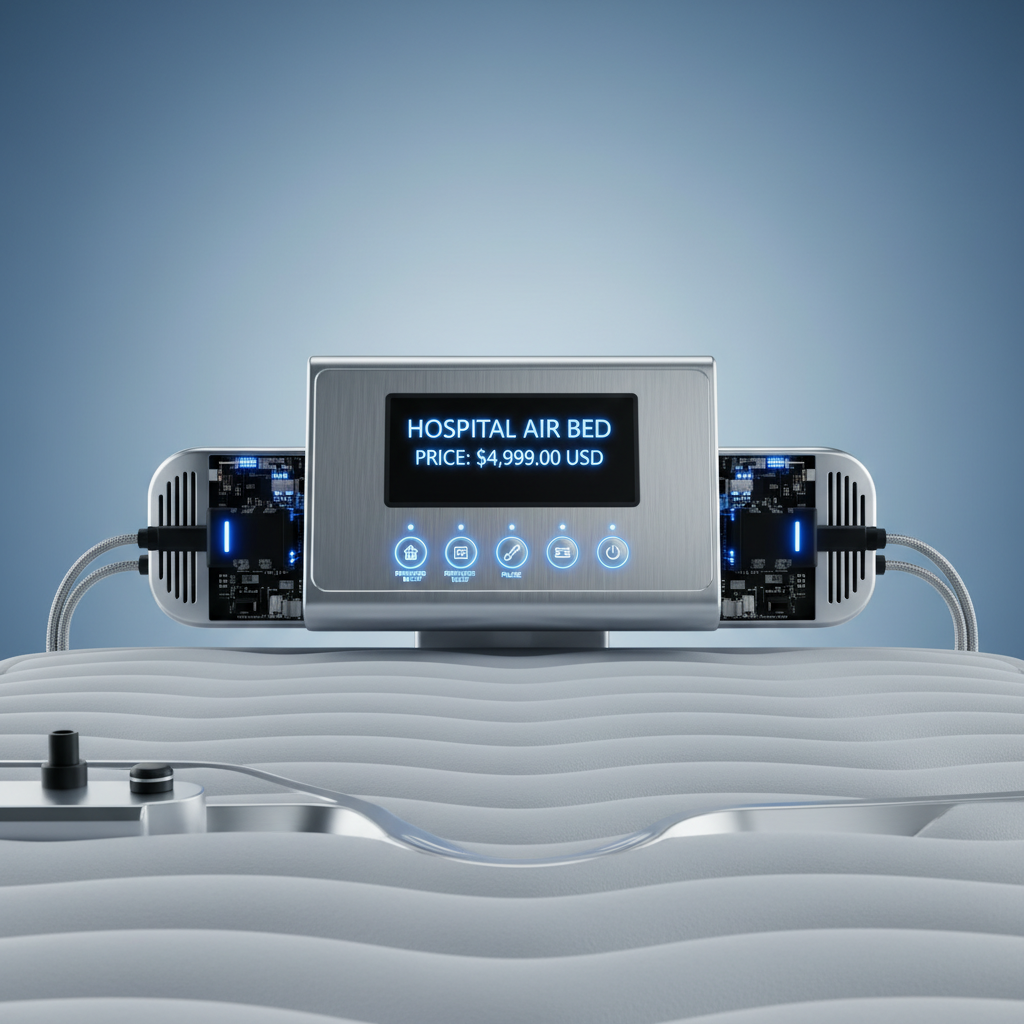
The pump system is the "brain" of the operation, allowing caregivers to adjust pressure levels based on the patient's weight and the severity of their condition. Modern pumps feature alternating pressure cycles, which create a waving motion that stimulates blood circulation in the subcutaneous tissues, a key feature of any effective air bubble mattress medical.
Durability and scalability are also paramount. High-quality medical mattresses are designed to withstand the rigors of 24/7 hospital use, featuring reinforced seams and anti-leak technology. This ensures that the therapeutic benefits of the air bubble mattress medical are maintained over long periods without frequent maintenance interruptions.
Pressure Redistribution Mechanisms and Efficacy
The primary mechanism of an air bubble mattress medical is the redistribution of pressure away from bony prominences such as the sacrum, heels, and scapulae. By creating a larger surface area of contact between the patient and the mattress, the peak pressure points are significantly lowered.
Furthermore, the air bubble mattress medical employs a "low-pressure" phase and a "high-pressure" phase. During the low phase, the air cells sink, allowing the patient to be supported by the remaining inflated cells, which effectively "massages" the tissue and prevents the stagnation of interstitial fluids.
The efficacy of this system is measured by its ability to maintain skin temperature and reduce friction. An advanced air bubble mattress medical often incorporates specialized covers that wick away moisture, ensuring that the microclimate at the skin-surface interface remains stable and dry.
Comparative Analysis of Medical Air Surfaces
When evaluating an air bubble mattress medical against static foam or gel overlays, the dynamic nature of the air system provides a clear clinical advantage. While foam is suitable for low-risk patients, those at high risk of pressure ulcers require the active movement and adjustable firmness that only a powered air system can provide.
Different models of air bubble mattress medical cater to different needs, ranging from basic alternating pressure models to high-end low-air-loss systems that actively remove heat and moisture from the skin surface. The following data illustrates the relative performance ratings of various air surface configurations.
Performance Metrics of Air Bubble Mattress Medical Variations
Global Applications in Diverse Healthcare Settings
The application of the air bubble mattress medical extends from intensive care units (ICUs) in urban hospitals to home-care environments in remote rural areas. In high-acuity settings, these mattresses are integrated with other nursing equipment like Electric Transfer Chairs to ensure that patients are moved safely without compromising the skin protection provided by the air surface.
In regions with developing healthcare infrastructures, the portability and ease of installation of the air bubble mattress medical make it an ideal solution for temporary clinics and post-disaster recovery centers. By providing a standardized level of pressure care, these devices ensure that patients in any part of the world receive a dignified and medically sound standard of bed-rest care.
Long-term Value and Patient Dignity
Beyond the physical healing, the use of an air bubble mattress medical contributes significantly to the psychological well-being of the patient. The reduction in pain associated with pressure sores allows patients to focus on their rehabilitation and recovery, fostering a sense of comfort and dignity.
From an economic perspective, the long-term value of investing in high-quality air surfaces is evident in the reduced cost of wound care. Treating a Stage IV pressure ulcer is exponentially more expensive than the initial cost of an air bubble mattress medical, making it a cost-effective strategy for hospital administrators and insurance providers.
Furthermore, the reliability of modern air bubble mattress medical systems builds trust between the patient, their family, and the medical staff. Knowing that the patient is protected by a scientifically backed system reduces the anxiety associated with long-term bed confinement.
Future Innovations in Pressure Care Technology
The future of the air bubble mattress medical lies in the integration of "smart" sensors and AI-driven pressure adjustment. Imagine a mattress that can detect a patient's shift in position in real-time and automatically adjust the air pressure in specific cells to compensate, eliminating the need for manual intervention.
Sustainability is also becoming a key focus, with manufacturers moving toward biodegradable medical polymers and energy-efficient pump systems to reduce the carbon footprint of the air bubble mattress medical. These green innovations ensure that high-standard care does not come at an environmental cost.
Additionally, the convergence of digital health and physical hardware will likely lead to mattresses that sync data with nursing dashboards, alerting staff to potential pressure risks before a sore even forms. This evolution of the air bubble mattress medical will transition the industry from reactive care to predictive prevention.
Comparison of Air Bubble Mattress Medical Technology Generations
| Technology Era |
Control Mechanism |
Material Composition |
Clinical Efficacy (1-10) |
| Traditional Bubble |
Manual/Simple Pump |
Basic PVC |
6 |
| Alternating Pressure |
Timer-based Cycle |
Medical TPU |
8 |
| Low Air Loss (LAL) |
Active Airflow Control |
Breathable TPU |
9 |
| Smart Adaptive |
Sensor-based AI |
Eco-Polymer |
10 |
| Hybrid Air-Foam |
Dual-zone Control |
Visco-Elastic/Air |
7 |
| Integrated Telehealth |
Cloud-Synced Pump |
Anti-Microbial TPU |
9 |
FAQS
A standard mattress provides static support, which can lead to pressure points on immobile patients. An air bubble mattress medical uses an active pump to constantly shift pressure points via alternating inflation cycles, preventing tissue ischemia and promoting blood flow, which is essential for preventing bedsores.
Pressure settings should be adjusted based on the patient's weight and the current stage of any existing ulcers. It is generally recommended to perform a skin check every 4-8 hours and adjust the pump settings to ensure the patient is not "bottoming out" (touching the bed frame) while avoiding over-inflation, which can create new pressure points.
Yes, but a high-specification model such as a Low Air Loss (LAL) or a specialized alternating pressure system is required. These models provide the maximum level of pressure redistribution and microclimate control necessary to treat deep wounds while preventing the development of new ones.
The outer cover should be cleaned using medical-grade disinfectants and wiped down daily. Ensure the pump filters are cleaned monthly to maintain airflow efficiency. Because these mattresses are typically waterproof, they can be easily sanitized, but care should be taken not to puncture the inner air cells with sharp objects.
Modern medical pumps are designed with noise-reduction technology to ensure they do not disturb the patient's sleep. While there is a slight hum from the motor, most high-quality air bubble mattress medical systems operate at decibel levels well within acceptable clinical standards for ICU and home care environments.
Most professional systems include a safety valve and a specific amount of residual air to prevent the patient from immediately hitting the hard bed surface. However, for critical patients, it is recommended to have a backup power source or a manual pump option to maintain a minimum level of pressure redistribution during outages.
Conclusion
The air bubble mattress medical stands as a cornerstone of modern rehabilitative care, bridging the gap between basic bedding and advanced medical therapy. By integrating alternating pressure technology, high-durability medical materials, and adjustable clinical settings, these surfaces effectively mitigate the risks of pressure ulcers, reduce the burden on healthcare staff, and significantly enhance the physical and emotional quality of life for patients with limited mobility.
As we look toward the future, the integration of AI and smart sensing will likely make pressure care even more personalized and predictive. For healthcare providers and families alike, investing in a high-quality air bubble mattress medical is not just a purchase in equipment, but a commitment to patient dignity and clinical excellence. Visit our website for more professional solutions: www.chuangenmedicals.com