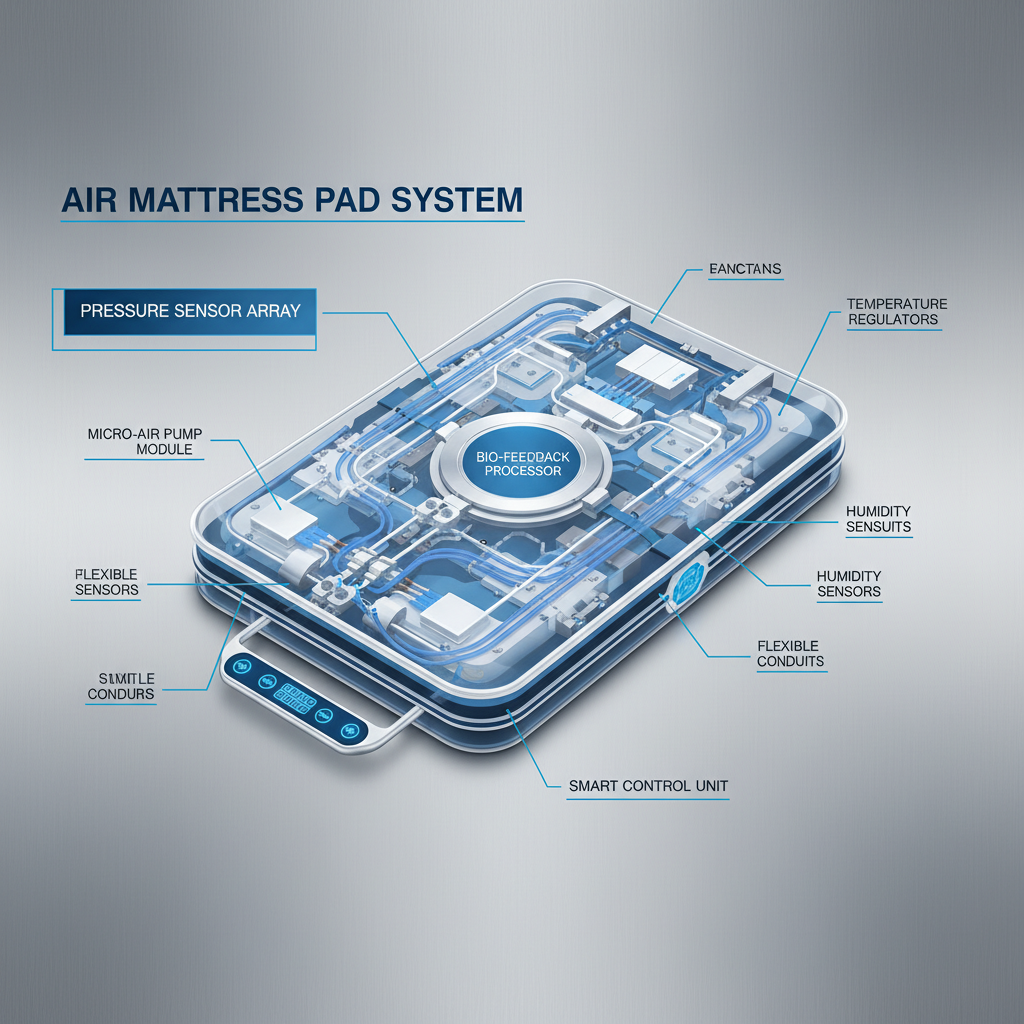
The global need for effective pressure injury prevention is constantly growing, driven by aging populations and increasing prevalence of chronic illnesses. An anti decubitus air mattress represents a crucial solution, offering dynamic support and pressure redistribution to vulnerable patients. These mattresses are vital not only in healthcare settings, but increasingly in long-term care and even home health environments, significantly improving patient outcomes and quality of life.
The economic impact of pressure injuries is substantial, encompassing extended hospital stays, complex wound care, and potential legal ramifications. Implementing proactive measures like utilizing an anti decubitus air mattress can demonstrably reduce these costs. Furthermore, a focus on preventative care aligns with a broader shift towards value-based healthcare, prioritizing patient wellbeing and efficient resource allocation.
Understanding the principles and applications of an anti decubitus air mattress is paramount for healthcare professionals, caregivers, and patients alike. This knowledge empowers informed decision-making, promoting optimal pressure injury prevention strategies and contributing to a more compassionate and effective healthcare system.
The Importance of Anti Decubitus Air Mattresses
Pressure injuries, also known as bedsores or pressure ulcers, pose a significant health challenge worldwide. Prolonged pressure on bony prominences restricts blood flow, leading to tissue damage and potentially severe complications. Utilizing an anti decubitus air mattress is a cornerstone of preventative care, proactively addressing this risk.
The impact extends beyond physical discomfort; pressure injuries can lead to increased mortality rates, prolonged hospitalizations, and diminished quality of life for affected individuals. Implementing effective pressure redistribution strategies, such as the use of these specialized mattresses, is therefore a critical component of comprehensive patient care.
Defining Anti Decubitus Air Mattresses
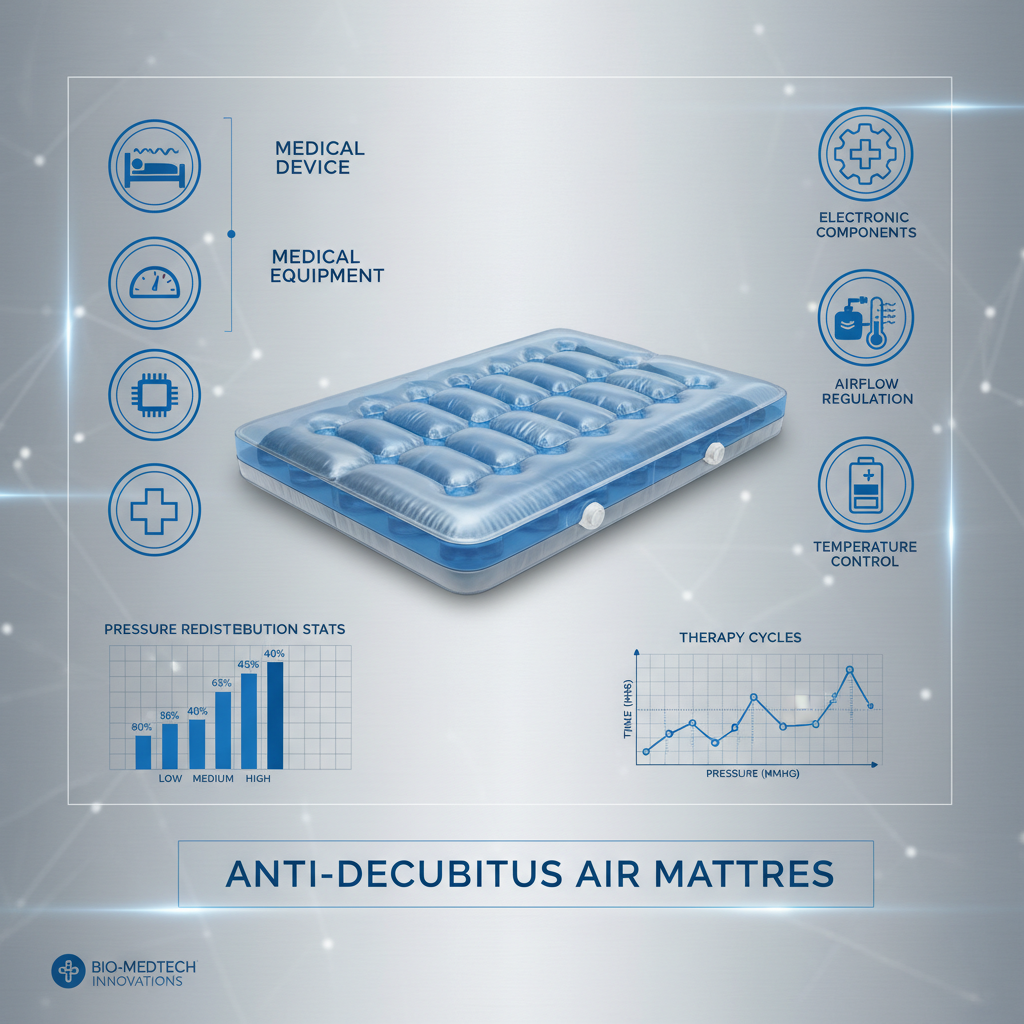
An anti decubitus air mattress is a specialized support surface designed to prevent pressure injuries. Unlike standard mattresses, these utilize air cells that inflate and deflate cyclically, dynamically redistributing a patient’s weight and minimizing sustained pressure on any single area. This dynamic movement promotes continuous blood flow to tissues, mitigating the risk of damage.
These mattresses vary in complexity, ranging from basic static air mattresses to advanced alternating pressure systems with features like microclimate control and adjustable pressure settings. The core principle, however, remains the same: to provide a dynamic and responsive support surface that prevents prolonged pressure.
The development of anti decubitus air mattresses reflects a modern approach to healthcare, recognizing the importance of preventative measures and patient comfort. These devices align with best practices in wound care and demonstrate a commitment to optimizing patient outcomes.
Core Components and Functionality
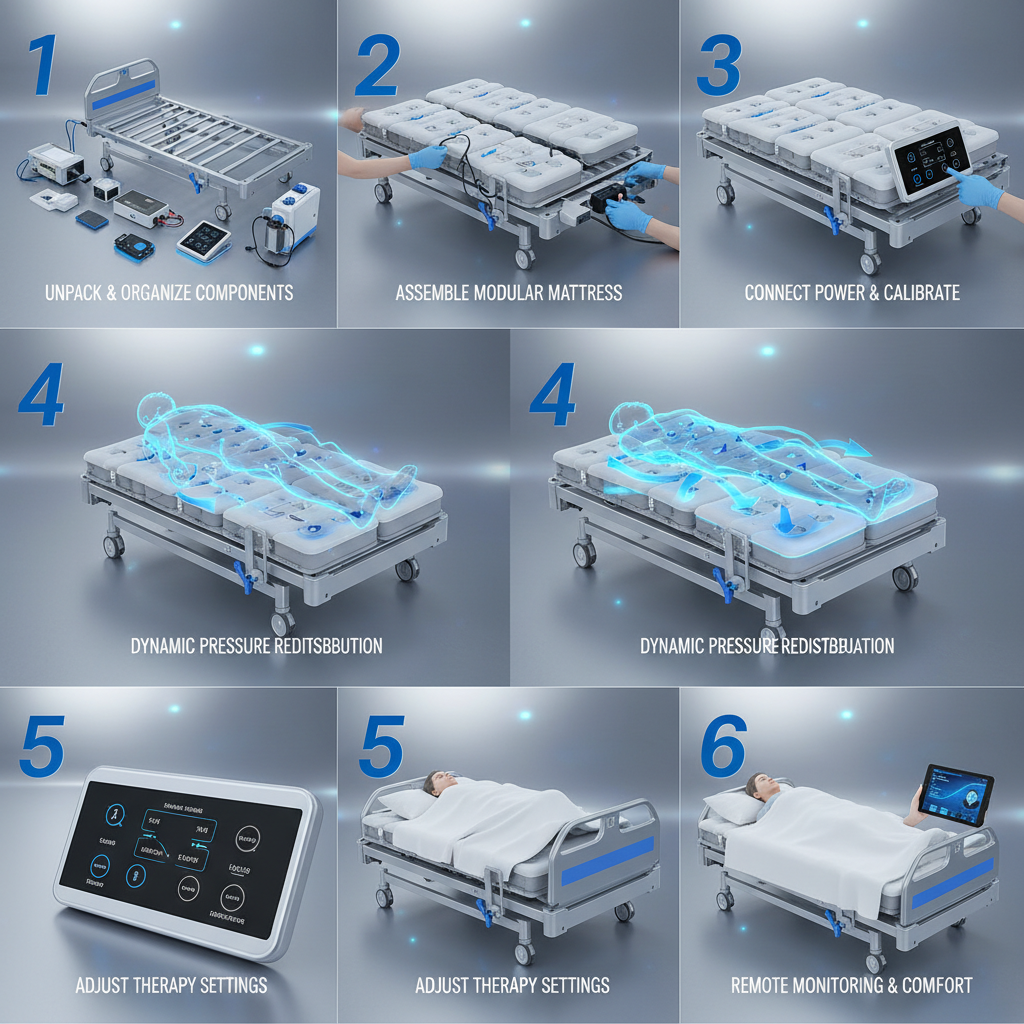
The fundamental component of an anti decubitus air mattress is the air cell system. These cells, typically made from durable PVC or polyurethane, are interconnected and inflated by an air pump. The pump’s control unit regulates inflation and deflation cycles, creating the dynamic pressure redistribution effect.
Beyond the air cells and pump, key features often include adjustable pressure settings, allowing caregivers to tailor the support level to individual patient needs. Some models incorporate features like shear reduction technology, minimizing friction between the mattress surface and the patient’s skin. Microclimate control, through ventilation holes, helps manage heat and moisture build-up, further reducing the risk of skin breakdown.
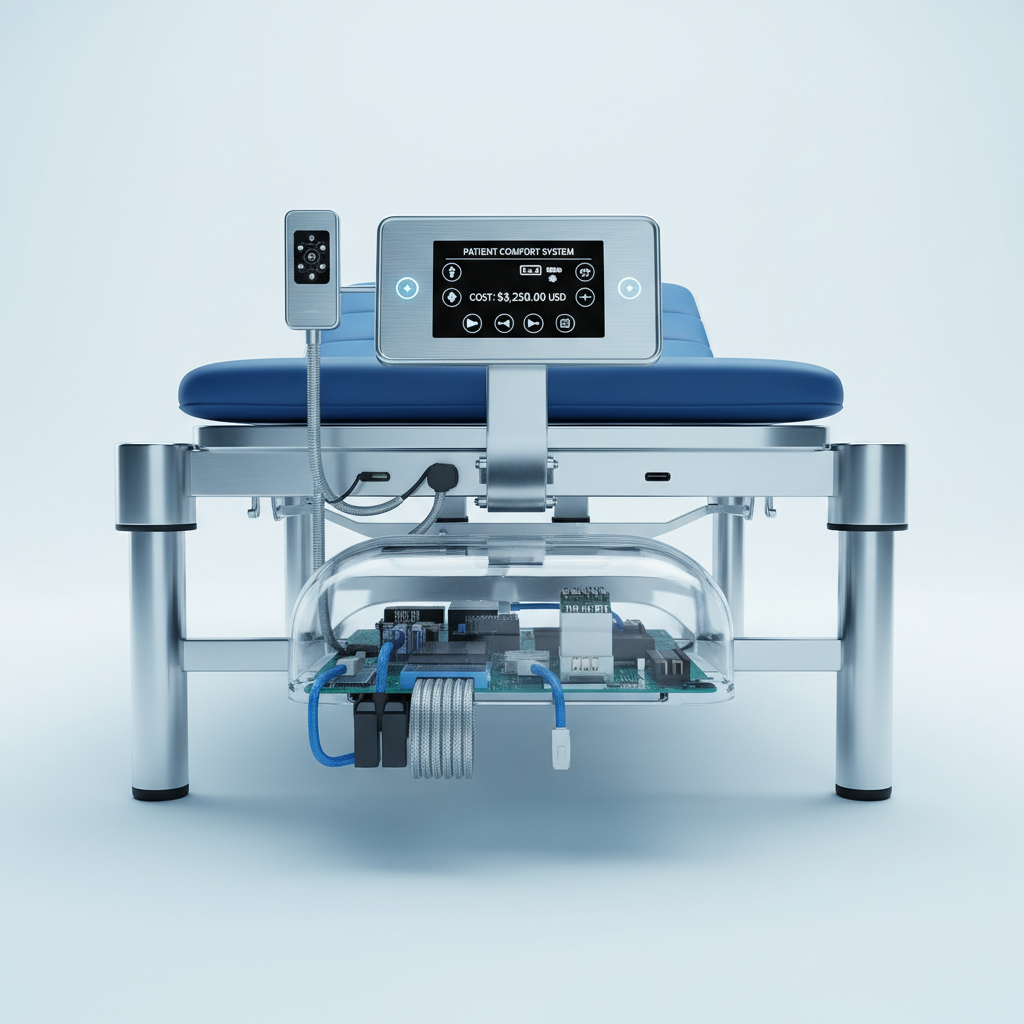
The control panel is another crucial element, providing caregivers with real-time monitoring of system performance and the ability to adjust settings as required. High-quality mattresses feature alarms to alert caregivers in case of pump malfunction or significant pressure loss, ensuring continuous protection for the patient.
Performance Metrics of Anti Decubitus Air Mattresses
Assessing the effectiveness of an anti decubitus air mattress requires considering several key performance metrics. Pressure redistribution efficacy is paramount, measured by the mattress’s ability to reduce interface pressure on bony prominences. This is often evaluated using pressure mapping technology.
Another crucial metric is shear reduction. The mattress should minimize friction between the patient's skin and the support surface, preventing skin damage. Durability and reliability are also essential, reflecting the mattress's ability to withstand continuous use and maintain consistent performance over time.
Anti Decubitus Air Mattress Performance Comparison
Global Applications and Healthcare Settings
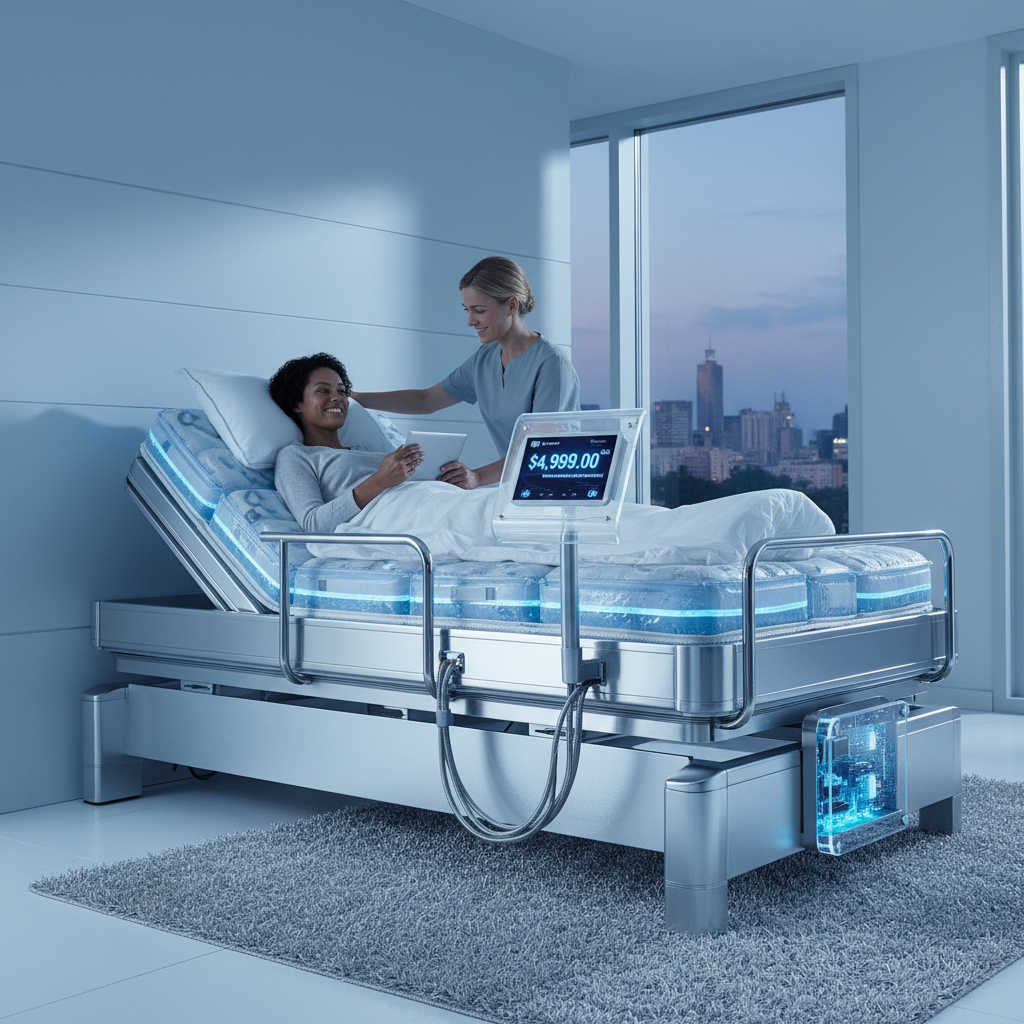
Anti decubitus air mattresses find widespread application across a diverse range of healthcare settings. Hospitals, particularly those with intensive care units and long-term care facilities, rely on these mattresses to prevent pressure injuries in vulnerable patients. In post-disaster relief operations, where patients may be confined to bed for extended periods, these mattresses are invaluable.
Their use extends beyond traditional healthcare environments, including home health care, where individuals with limited mobility require preventative measures. Even in specialized settings like spinal injury rehabilitation centers, anti decubitus air mattresses play a critical role in supporting patient recovery.
Advantages and Long-Term Benefits
The advantages of utilizing an anti decubitus air mattress extend beyond simple pressure injury prevention. Reducing the incidence of these injuries translates to significant cost savings for healthcare facilities, minimizing extended hospital stays and expensive wound care treatments. Furthermore, enhanced patient comfort contributes to improved morale and faster recovery times.
The long-term benefits include improved patient outcomes, a reduced risk of complications, and an enhanced quality of life. Investing in these mattresses demonstrates a commitment to patient-centered care, prioritizing wellbeing and dignity. The reliability and durability of high-quality models ensure a sustainable solution for preventative care.
From a societal perspective, preventative measures like these help alleviate the burden on healthcare systems and improve the overall quality of care available to vulnerable populations.
Future Trends and Technological Advancements
The field of pressure injury prevention is continually evolving, with ongoing research focused on enhancing the effectiveness and usability of anti decubitus air mattresses. Smart mattress technology, incorporating sensors and data analytics, is gaining traction, allowing for real-time monitoring of pressure distribution and personalized adjustments.
Materials science is also playing a role, with the development of more breathable and durable mattress materials that minimize shear and friction. The integration of artificial intelligence (AI) algorithms promises to further optimize pressure redistribution, tailoring support levels to individual patient needs and proactively identifying potential risks.
Sustainability is another key trend, driving the development of eco-friendly mattress materials and energy-efficient pump systems. These advancements reflect a commitment to both patient wellbeing and environmental responsibility.
Analysis of Key Factors Influencing Anti Decubitus Air Mattress Effectiveness
| Mattress Type |
Pressure Relief Score (1-10) |
Durability (Years) |
Maintenance Complexity |
| Static Air Mattress |
6 |
3-5 |
Low |
| Alternating Pressure Mattress |
8 |
5-7 |
Medium |
| Low Air Loss Mattress |
9 |
4-6 |
Medium-High |
| Hybrid Air Mattress |
9 |
6-8 |
High |
| Microclimate Air Mattress |
10 |
5-7 |
Medium-High |
| Smart Sensor Air Mattress |
10 |
7-10 |
High |
FAQS
The lifespan of an anti decubitus air mattress varies depending on the model and usage frequency, but generally ranges from 3 to 7 years. Factors such as the quality of materials, the robustness of the pump, and the level of maintenance all contribute to its longevity. Regular inspection for leaks or damage is essential for maximizing its lifespan.
Pressure settings should be checked at least daily, and ideally more frequently for patients at very high risk of pressure injuries. The correct pressure is vital for optimal support and pressure redistribution. Many mattresses have built-in alarms to alert caregivers if pressure falls outside of the recommended range. Regular calibration is also recommended.
Anti decubitus air mattresses are most effective when used preventatively, proactively reducing the risk of pressure injury development. While they can also be used as part of a treatment plan for existing injuries, prevention is always the preferred approach. Early intervention with a properly functioning mattress can significantly improve patient outcomes.
Regular cleaning is crucial to maintain hygiene and prevent infection. The mattress surface should be wiped down daily with a mild disinfectant solution. The mattress cover should be removed and laundered according to the manufacturer's instructions. The air pump should be inspected regularly for dust and debris.
No, not all mattresses are suitable for every patient. Factors like patient weight, mobility level, and underlying medical conditions must be considered. Some mattresses are designed for acute care settings, while others are more appropriate for long-term care. Consulting with a healthcare professional is crucial to selecting the appropriate mattress for individual patient needs.
Static air mattresses maintain a consistent air pressure, providing uniform support. Alternating pressure mattresses, however, cyclically inflate and deflate different air cells, dynamically redistributing pressure and minimizing prolonged contact. Alternating pressure mattresses are generally more effective at preventing pressure injuries, particularly for patients at high risk.
Conclusion
In conclusion, the anti decubitus air mattress represents a vital component of modern healthcare, playing a crucial role in preventing pressure injuries and improving patient outcomes. From its core functionality of dynamic pressure redistribution to its evolving technological advancements, this device offers significant benefits in terms of cost savings, enhanced patient comfort, and improved quality of life. Understanding the various types, performance metrics, and applications is paramount for healthcare professionals and caregivers.
Looking ahead, continued innovation in materials science, sensor technology, and AI integration promises to further enhance the effectiveness and usability of these mattresses. Prioritizing preventative care and investing in high-quality anti decubitus air mattresses is not only a sound clinical practice but also a compassionate and responsible approach to patient wellbeing. Visit our website at www.chuangenmedicals.com to explore our range of solutions.