Managing long-term patient care requires a delicate balance between comfort and clinical efficacy, particularly when addressing the risk of pressure ulcers. A pressure relief air mattress serves as a critical intervention in modern healthcare, utilizing advanced pneumatic technology to redistribute weight and minimize localized pressure on vulnerable skin areas. By alternating pressure points, these systems prevent the tissue ischemia that leads to bedsores, thereby enhancing the overall quality of life for immobilized patients.
Across the globe, the prevalence of pressure injuries remains a significant burden on healthcare systems, increasing hospital stay durations and operational costs. The implementation of a high-quality pressure relief air mattress is not merely a luxury but a clinical necessity for those with limited mobility, whether due to spinal cord injuries, advanced age, or post-surgical recovery. These devices bridge the gap between standard hospital bedding and the specialized needs of high-risk patients.
Understanding the mechanics and selection criteria for these devices allows caregivers and procurement officers to make informed decisions that reduce complication rates. From alternating pressure cycles to low-air-loss capabilities, the modern pressure relief air mattress integrates material science and ergonomic engineering to ensure that patient dignity and skin integrity are preserved throughout the healing process.
Global Context of Pressure Relief Air Mattress
The global demand for specialized medical bedding has surged as aging populations in developed nations and improving healthcare infrastructure in emerging markets increase the number of patients requiring long-term bed rest. According to data aligning with WHO standards, pressure ulcers are a major cause of avoidable morbidity, often leading to severe infections or sepsis if left untreated. The pressure relief air mattress has emerged as the gold standard for preventing these complications on a global scale.
The challenge lies in the variance of care standards across different regions. While high-income countries focus on smart-sensing mattresses, many developing regions struggle with basic access to alternating pressure systems. This disparity underscores the urgent need for scalable, durable, and cost-effective air mattress solutions that can be deployed in diverse clinical environments, from state-of-the-art ICUs to rural community clinics.
Defining the Pressure Relief Air Mattress
At its core, a pressure relief air mattress is a medical device designed to minimize the interface pressure between a patient's body and the supporting surface. Unlike standard foam mattresses, which can create "bottoming out" effects where the patient rests directly on the hard bed frame, these air-based systems use a pump to inflate and deflate cells, ensuring that no single area of the body bears the full weight of the patient for an extended period.
This technology is deeply connected to the humanitarian need for dignity in care. For patients with paralysis or severe frailty, the inability to shift their own weight makes them entirely dependent on their environment for skin protection. By simulating the natural movement of a healthy person shifting in bed, these mattresses prevent the collapse of capillaries in the skin, maintaining vital blood flow to the tissues.
Modern iterations of the pressure relief air mattress are categorized into static air, alternating pressure, and hybrid systems. Each serves a specific clinical purpose, ranging from simple comfort for low-risk patients to intensive, automated therapy for those with Stage III or IV pressure ulcers, making them indispensable tools in the arsenal of geriatric and rehabilitative medicine.
Core Components of Effective Pressure Relief
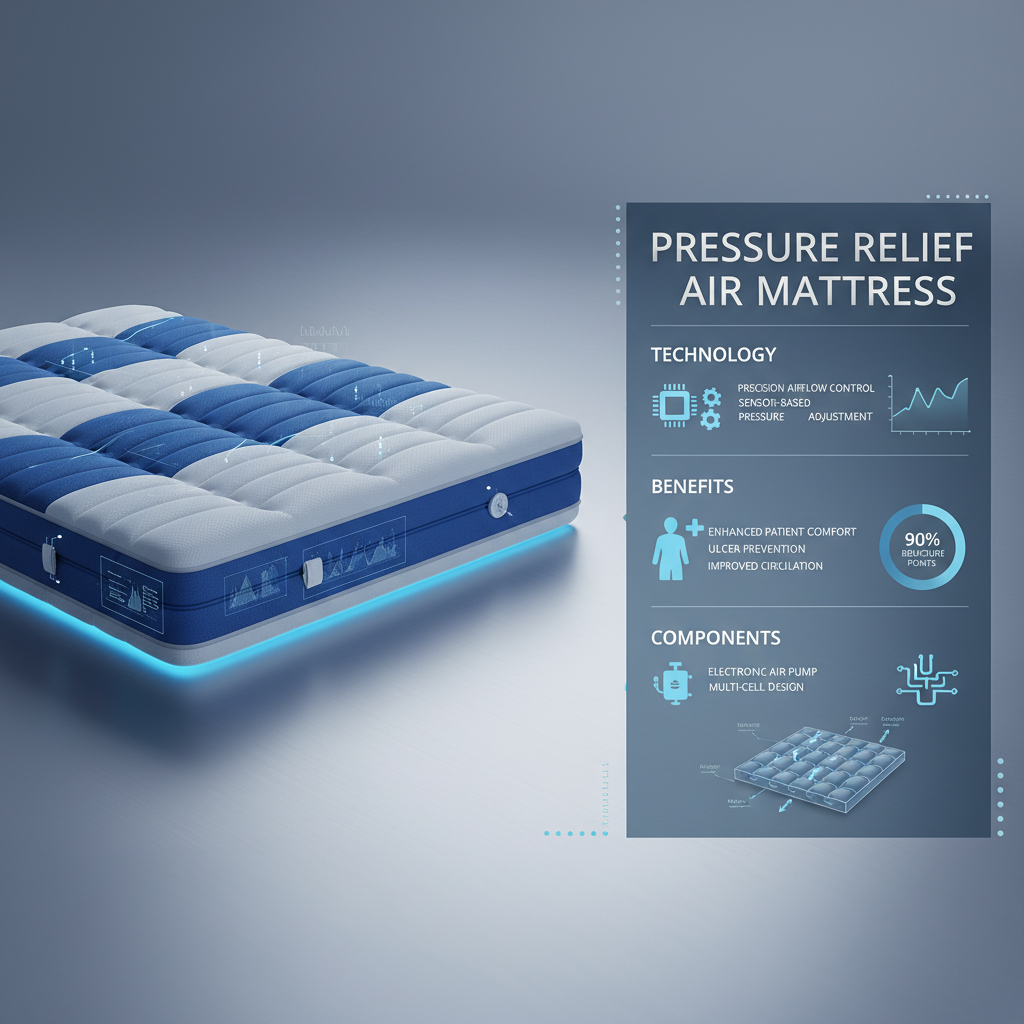
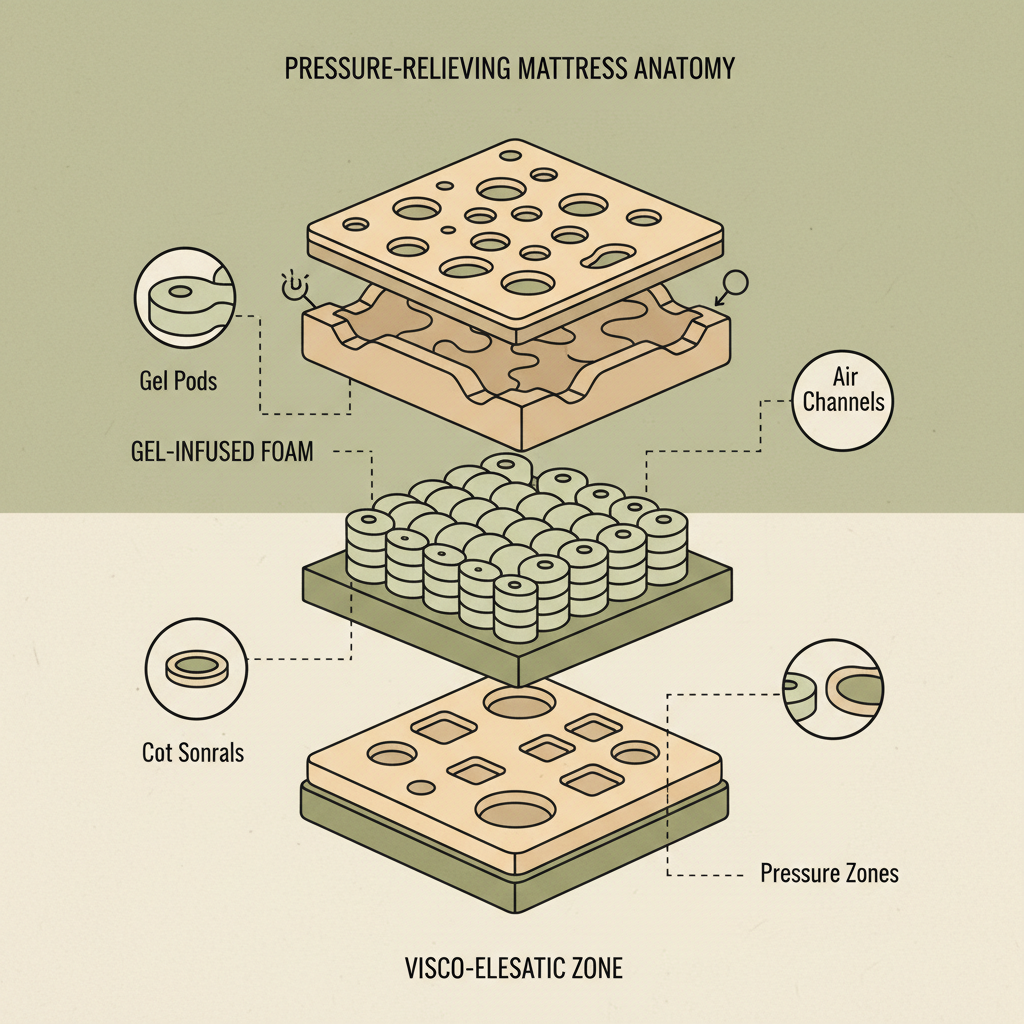
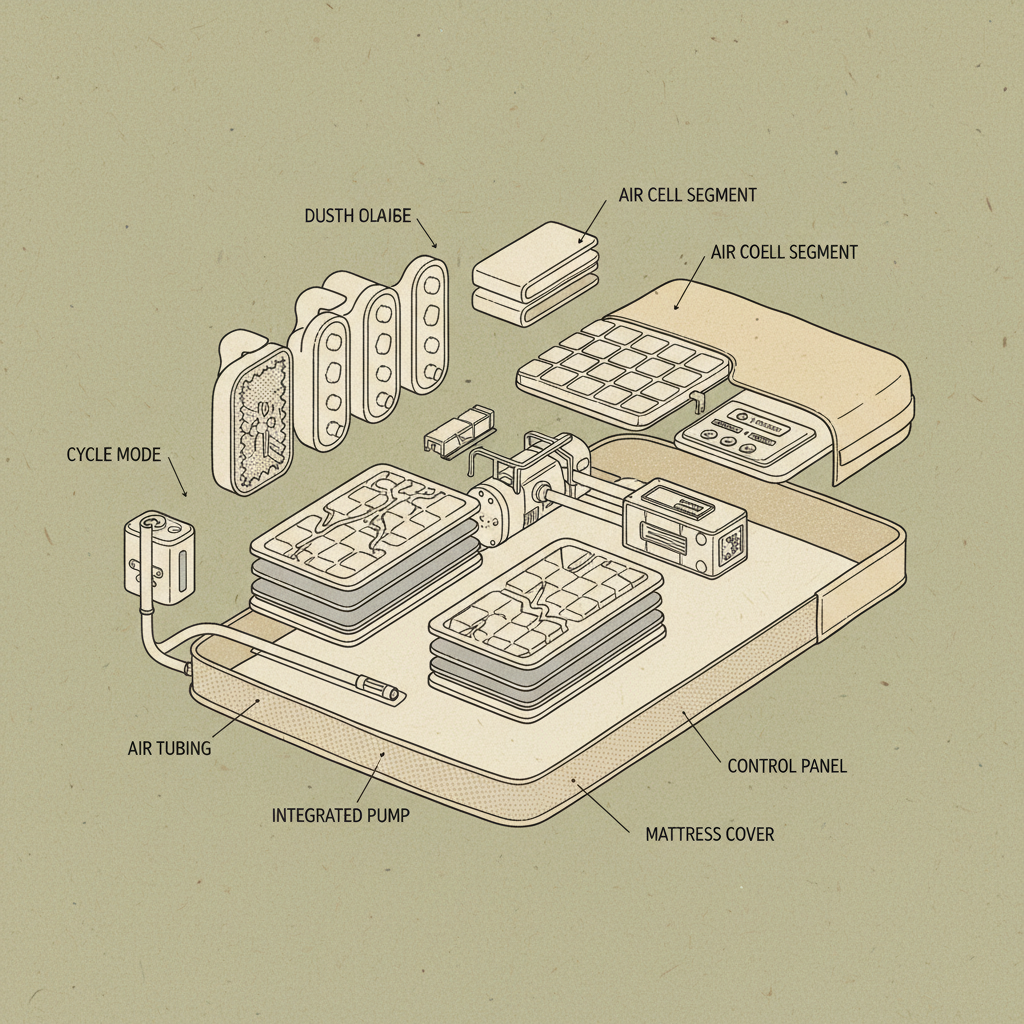
The effectiveness of a pressure relief air mattress depends heavily on its Pressure Redistribution Logic. This refers to the mattress's ability to spread the patient's weight across a larger surface area. By utilizing multiple independent air cells, the system ensures that the peaks of pressure—typically the sacrum, heels, and elbows—are significantly reduced.
Another critical factor is Microclimate Management. Heat and moisture buildup at the skin-mattress interface can soften the skin (maceration), making it more susceptible to shear and friction. Advanced pressure relief air mattress models incorporate "Low Air Loss" (LAL) technology, which allows air to permeate through the surface to keep the patient cool and dry.
Finally, Durability and Material Biocompatibility are paramount. The outer covers must be waterproof to prevent incontinence from damaging the internals, yet breathable to avoid the "plastic bag" effect. High-grade TPU or medical-grade PVC is typically used in a pressure relief air mattress to ensure it can withstand rigorous disinfection protocols without degrading over time.
Performance Metrics for Air Mattress Systems
When evaluating a pressure relief air mattress, clinical professionals look at specific performance indicators. These include the cycle time of the alternating pumps, the maximum weight capacity without bottoming out, and the noise level of the compressor, which can impact patient sleep and recovery.
Different technologies offer varying levels of efficacy based on the patient's risk profile. For instance, a static air mattress may be sufficient for a patient with mild mobility issues, whereas an active alternating system is required for those completely immobile. The following chart illustrates the comparative effectiveness of different air mattress methodologies.
Comparative Efficacy of Pressure Relief Air Mattress Methods
Global Applications and Clinical Use Cases
In intensive care units (ICUs) globally, the pressure relief air mattress is used to manage patients in medically induced comas or those stabilized after major trauma. In these high-acuity settings, the integration of the mattress with other bedside equipment, such as suction and ventilation, is crucial. The ability to quickly adjust pressure settings based on the patient's fluctuating condition is a key operational requirement for nursing staff.
Beyond the hospital, home-care settings have seen a massive adoption of these devices. Families caring for elderly relatives with dementia or patients with late-stage ALS rely on the pressure relief air mattress to reduce the frequency of manual repositioning, which can be physically taxing for home caregivers and stressful for the patient. This shift toward "hospital-at-home" models emphasizes the need for user-friendly, quiet, and energy-efficient air pump systems.
Long-Term Value and Patient Outcomes
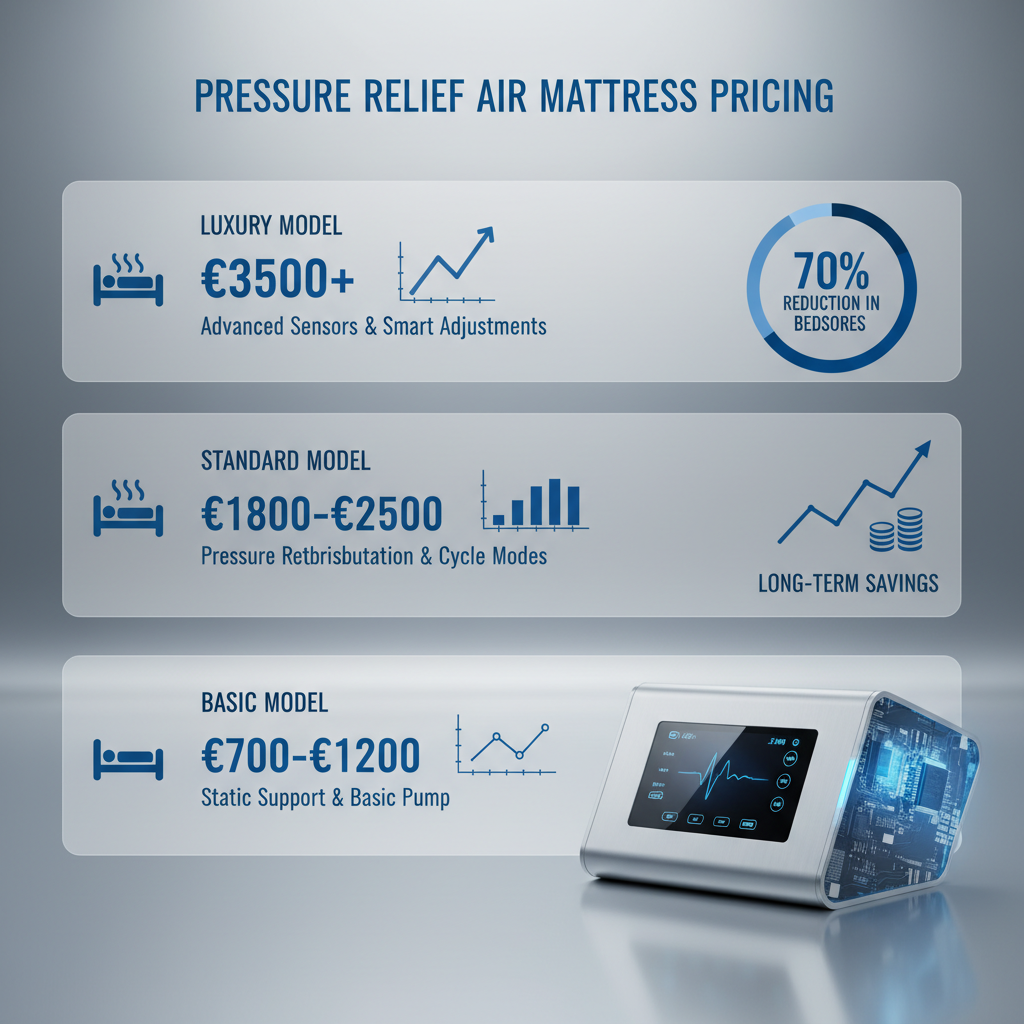
The long-term value of investing in a professional pressure relief air mattress is primarily seen in the reduction of secondary complications. A single Stage IV pressure ulcer can cost a healthcare provider tens of thousands of dollars in wound care, antibiotics, and extended bed occupancy. By preventing the initial breakdown of the skin, these mattresses provide a massive return on investment (ROI) for hospitals and insurance providers.
From a psychological perspective, the impact is equally profound. Chronic pain from pressure sores often leads to depression and a loss of appetite in patients, further slowing their recovery. When a pressure relief air mattress provides a pain-free resting environment, patients are more likely to engage in physical therapy and maintain a positive mental outlook, which are critical drivers of successful rehabilitation.
Moreover, the use of these systems upholds the dignity of the patient. Reducing the need for constant, invasive skin checks and frequent, jarring repositioning allows the patient to maintain a sense of autonomy and peace. The intersection of safety, comfort, and innovation makes the air mattress a cornerstone of compassionate, evidence-based medical care.
Future Innovations in Air Mattress Technology
The future of the pressure relief air mattress is trending toward "Smart Beds" integrated with AI and IoT. We are seeing the emergence of sensors embedded within the air cells that can detect a patient's movement or lack thereof in real-time. These systems can automatically adjust pressure levels based on the patient's current posture, removing the guesswork from manual settings and ensuring optimal relief 24/7.
Sustainability is also becoming a primary driver in manufacturing. The industry is shifting away from single-use plastics toward recyclable, medical-grade polymers and energy-efficient pumps that reduce the carbon footprint of long-term care facilities. These "green" pressure relief air mattress options aim to provide the same clinical efficacy while adhering to global environmental standards.
Furthermore, the integration of digital health records allows the mattress to log pressure-relief data, which clinicians can review remotely to track a patient's risk level over time. This data-driven approach transforms the mattress from a passive piece of furniture into an active diagnostic tool, marking a new era in preventative skin care.
Technical Specification and Comparison of Air Mattress Types
| Mattress Type |
Pressure Redistribution Level |
Moisture Control (LAL) |
Clinical Indication |
| Static Air |
Moderate (Score: 5) |
Low |
Low Risk/Prevention |
| Alternating Pressure |
High (Score: 8) |
Moderate |
Moderate to High Risk |
| Low Air Loss (LAL) |
High (Score: 8) |
Excellent |
Maceration Risk Patients |
| Active Hybrid |
Very High (Score: 10) |
High |
Stage III/IV Ulcers |
| Smart Sensing |
Adaptive (Score: 9) |
High |
ICU / Long-term Care |
| Standard Foam |
Low (Score: 3) |
None |
Mobile Patients Only |
FAQS
A standard mattress provides static support, which often leads to high-pressure zones on bony prominences. In contrast, a pressure relief air mattress uses an active pump to distribute weight more evenly or cycle pressure between different air cells, effectively preventing the blood flow restriction that causes bedsores.
Most professional alternating systems operate on a cycle of 10 to 20 minutes. This means every few minutes, one set of cells deflates while another inflates, ensuring that no part of the patient's body is under continuous pressure for more than a few minutes at a time.
While these mattresses significantly reduce the risk of pressure ulcers and the frequency of required turns, they are meant to supplement, not entirely replace, manual repositioning. Clinical guidelines still recommend periodic turning to ensure full skin assessment and to maintain joint mobility.
Immediate action is required to prevent "bottoming out." Check for punctures in the mattress surface and ensure the pump is functioning and the tubes are securely connected. If a leak is found, the patient should be moved to a temporary supportive surface until the mattress is replaced or repaired.
An LAL mattress is superior for patients who struggle with sweating or incontinence. By allowing air to escape through small pores in the mattress, it reduces skin moisture and temperature, which prevents the skin from softening and breaking down, a critical factor in ulcer prevention.
Always select a mattress with a weight capacity that exceeds the patient's current weight by at least 20%. This ensures that the mattress can maintain a sufficient air cushion even at the highest pressure settings, preventing the patient from sinking through to the bed frame.
Conclusion
The integration of a pressure relief air mattress into patient care is a fundamental step in reducing the global burden of pressure ulcers. By combining pneumatic redistribution, microclimate control, and durable materials, these devices protect the most vulnerable patients from avoidable injuries while significantly lowering the operational costs associated with wound management.
As we move toward an era of smart healthcare, the evolution of these systems into AI-driven, adaptive surfaces will further personalize patient care. For healthcare providers and home caregivers, prioritizing high-quality air-based support is not just a clinical decision, but a commitment to patient safety and dignity. Visit our website for more professional solutions: www.chuangenmedicals.com