0%

Table of Contents

Honestly, things are moving fast these days. Everyone's talking about lightweight, modular, and…well, just smarter hospital air mattresses. Not just the mattress itself, but the whole system - the pumps, the controls, the way it integrates with the bed frame. Seen a lot of prototypes that look great on paper, but fall apart after a week on a real ward. It’s the little things, you know? Like, how easy is it to clean? Can a nurse adjust it quickly during an emergency? These are the questions that keep me up at night.

You wouldn’t believe the arguments I get into with designers. They want sleek, minimalist, ‘form follows function’… which is great, until you’re trying to wrestle a heavy, awkwardly shaped mattress through a narrow hospital doorway. I encountered this at a factory in Guangdong last time, they were so proud of their 'ergonomic' design, but it wouldn't fit through standard doors! They hadn’t even considered it.

The core of it all, though, is the material. We primarily use a multi-layer PVC construction, but not just any PVC. It needs to be medical-grade, of course. You can smell the difference - it’s not that chemical plastic smell you get with cheap stuff. It has a slightly…cleaner scent, if that makes sense. Feels a bit more pliable, too. It’s also surprisingly heavy-duty. I've seen guys try to puncture it with keys - doesn’t even scratch it. But it is prone to cracking in extremely cold temperatures, strangely enough. We’re working on a new polymer blend that addresses that.
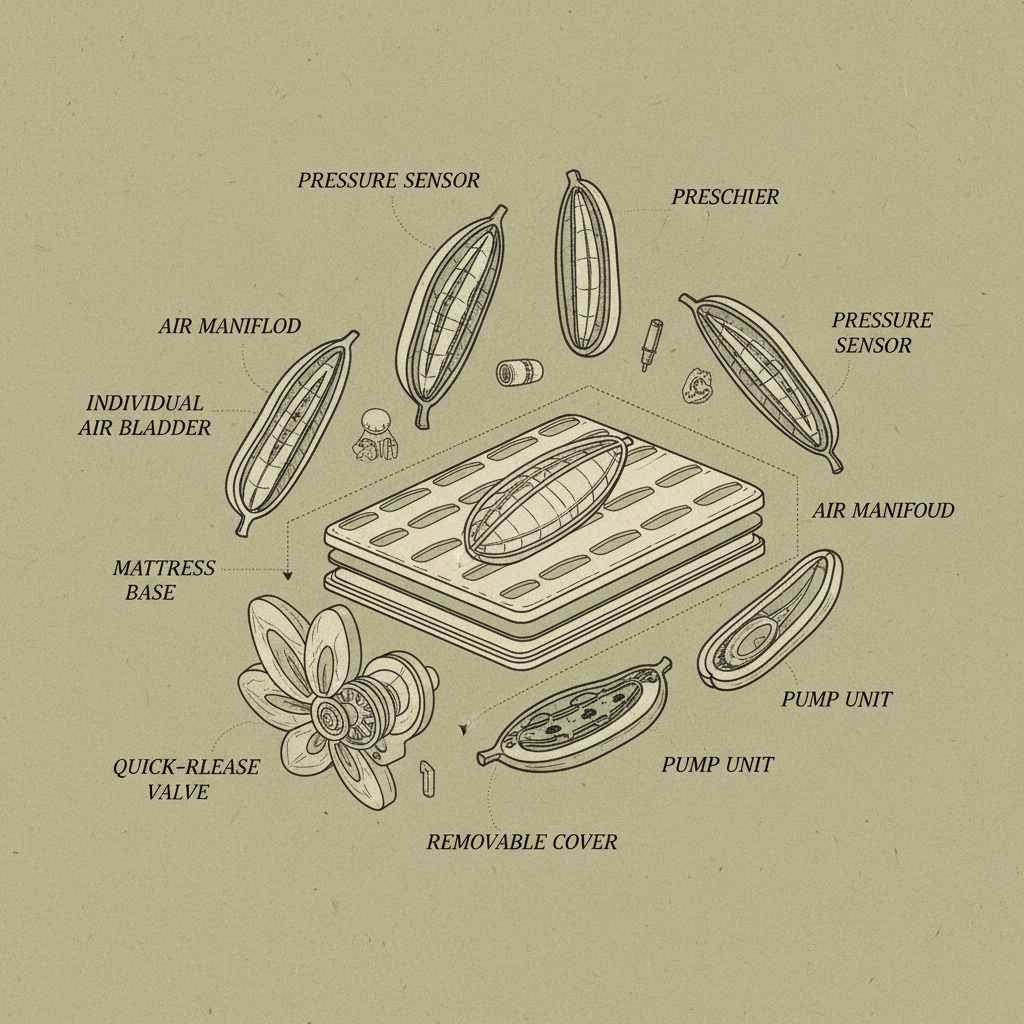
Find High Quality Hospital Air Mattress for Sale and Improve Patient Care

Introduction to Hospital Air Mattresses

Find High Quality Hospital Air Mattress for Sale and Improve Patient Care

We don't just build mattresses; we build systems for patient comfort and care. It's about preventing pressure sores, managing patient positioning, and giving overworked nurses one less thing to worry about.

These aren’t your grandma’s air mattresses. They're sophisticated pieces of medical equipment. And the demand for hospital air mattress for sale is only going up as hospitals look for ways to improve patient outcomes and reduce costs.

Core Materials and Construction

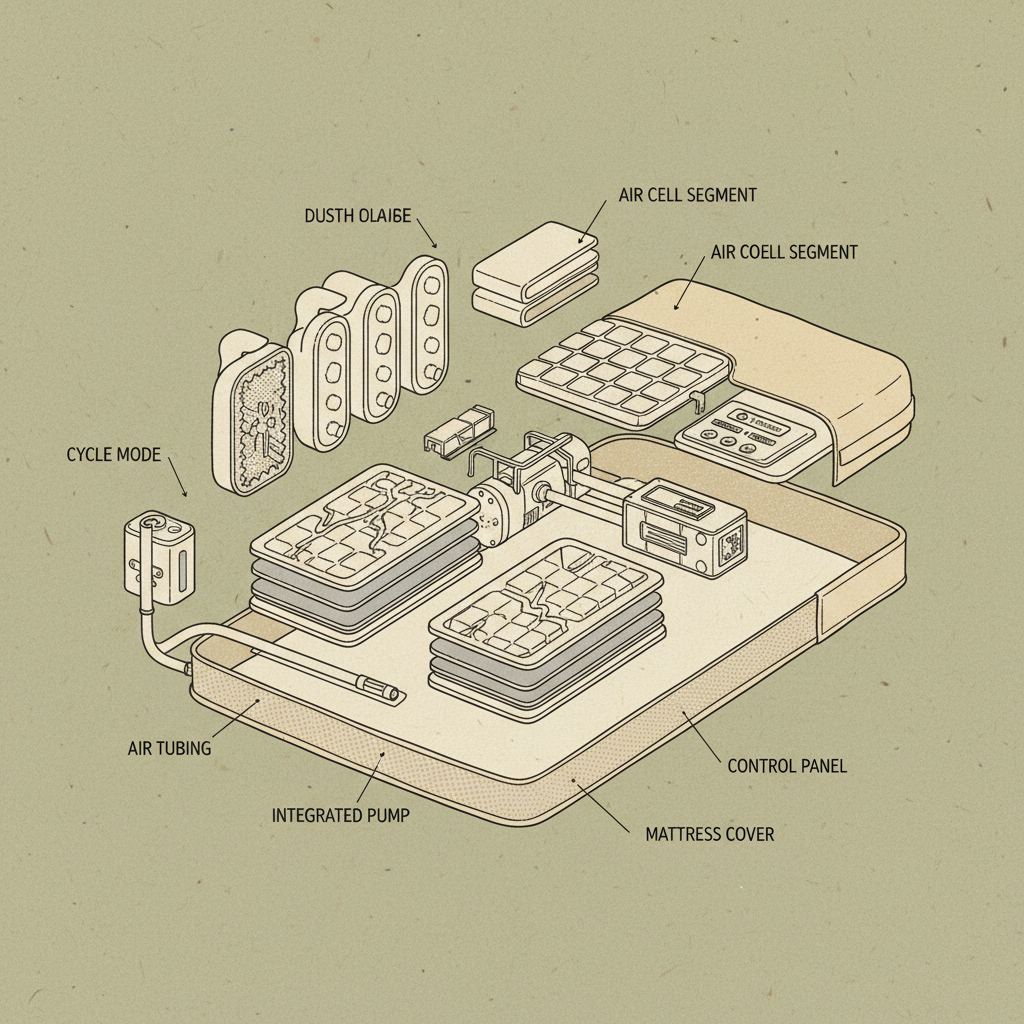
As I said, the core is PVC, but the devil's in the details. We use different gauges of PVC for different sections of the mattress. The lower sections, the ones taking the most weight, get a heavier gauge. The seams are welded – not glued. Welding’s far more reliable. And the air chambers? They’re individually sealed. If one gets punctured, the whole mattress doesn’t deflate.

Then there’s the pump. We source pumps from a few different manufacturers, but we do our own testing – extensively. You’d be surprised how many pumps overheat after just a few hours of continuous use. It’s frustrating.

The control panel… that’s another story. Too many bells and whistles and it becomes confusing for staff. Keep it simple, reliable, and easy to clean. That's my motto.

Rigorous Testing Protocols

Look, lab tests are fine, but they don't tell the whole story. We simulate real-world conditions. We put the mattresses under constant weight, simulate patient movements, and even…well, let’s just say we’ve had interns intentionally try to break them.

Have you noticed how hospital beds are always being bumped into? So, we simulate that too. Repeated impacts. We also test for chemical resistance – spills happen, you know? And puncture resistance, obviously.

The most important test, though, is the long-term durability test. We inflate and deflate the mattress thousands of times, checking for leaks and wear and tear. It's a slow process, but it's essential.

Real-World Application and Usage

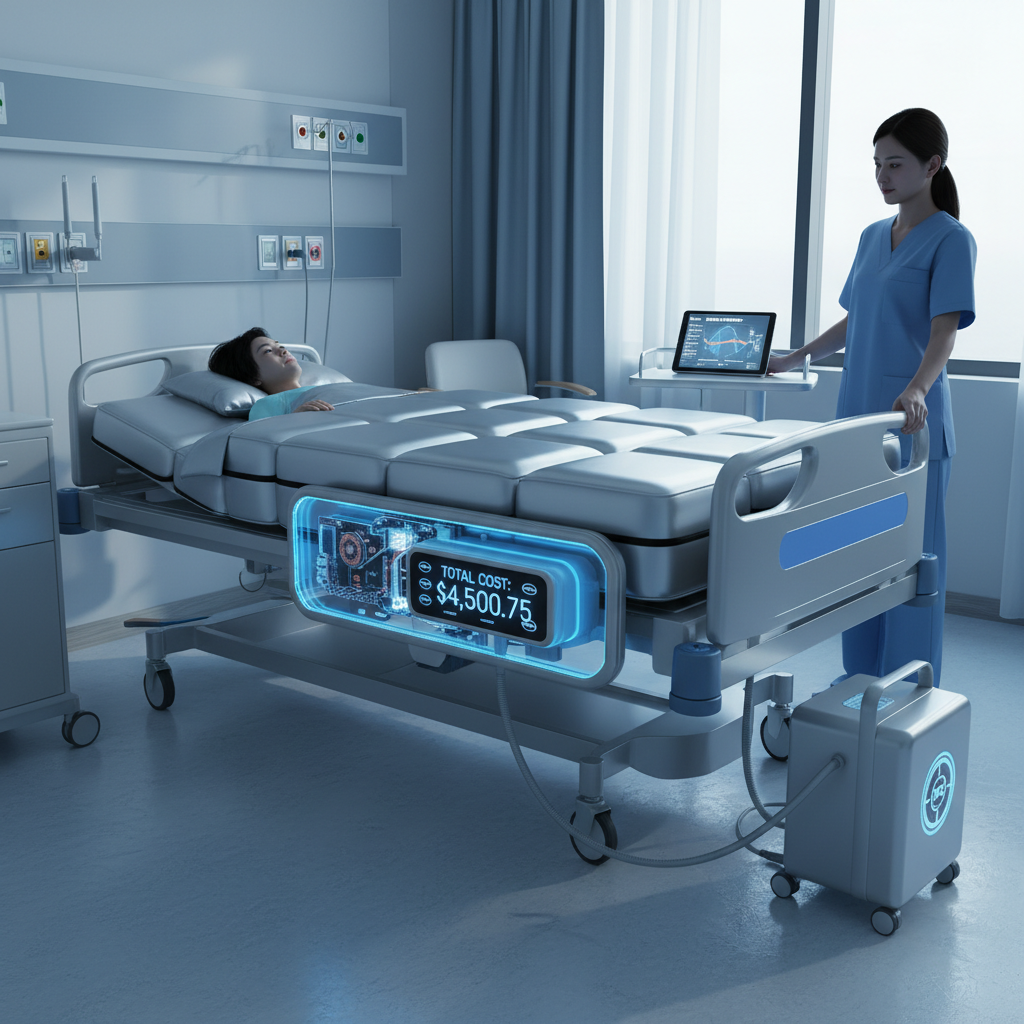
You’d think it’s simple – put a mattress on a bed, inflate it, and you’re done. But it's not. Nurses use these things for a variety of purposes. Pressure sore prevention is the big one, of course. But they also use them for positioning patients during surgery, for comfort during long hospital stays, and even for temporary beds in emergency rooms.

We've seen some creative uses, too. One hospital was using them to help patients with mobility issues get in and out of bed. They’d adjust the air pressure to create a gentle slope. It wasn't what we designed it for, but it worked!

The biggest issue? Staff training. If they don’t know how to properly operate and maintain the mattress, it’s going to fail. So we provide comprehensive training programs for all our clients.

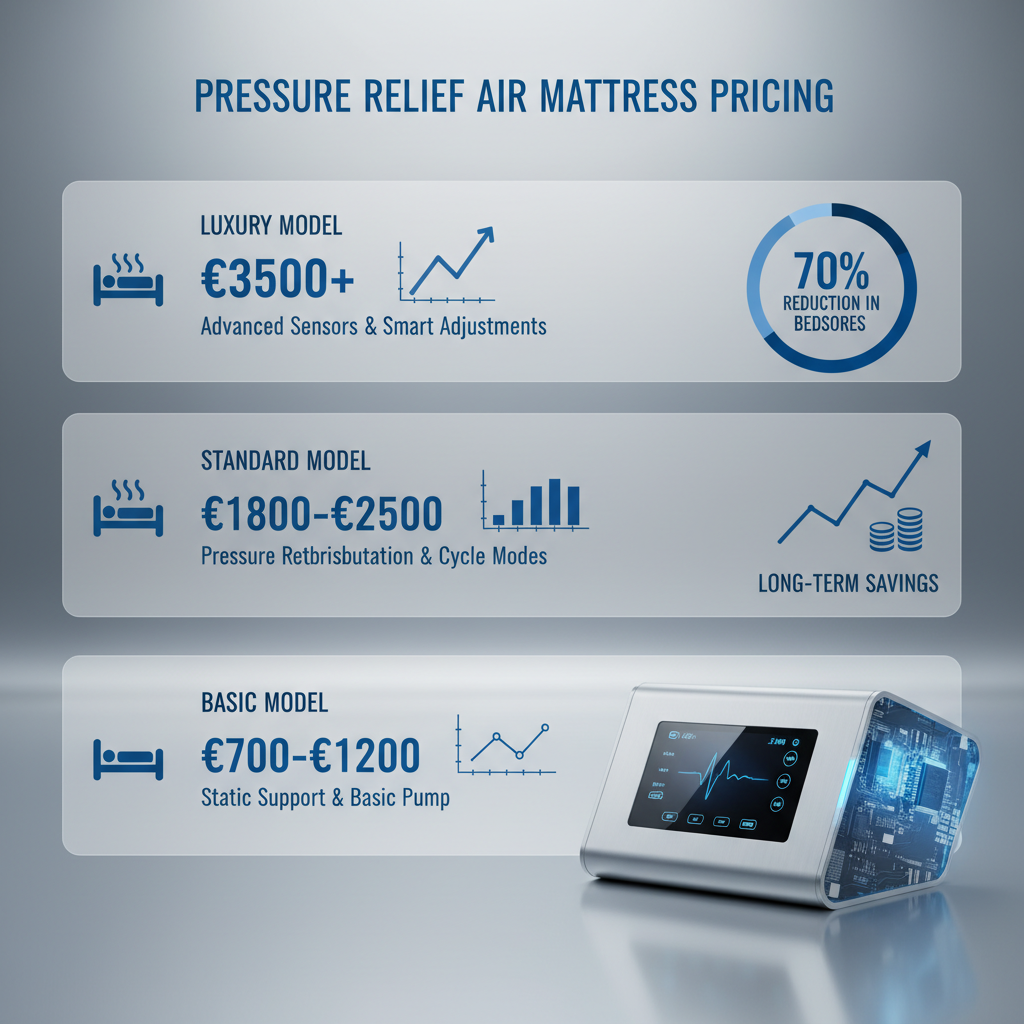
Hospital Air Mattress for Sale Performance Metrics


Advantages and Disadvantages

Look, the benefits are pretty clear: improved patient comfort, reduced risk of pressure sores, better positioning. And, to be honest, they’re generally cheaper than constantly replacing static mattresses.

But they’re not perfect. They require power, they can be noisy, and they do require maintenance. And the initial cost is higher. It really depends on the hospital's needs and budget.

Customization Capabilities

We can customize just about anything. Different sizes, different air chamber configurations, different control panel options. We even had one hospital request a built-in scale! That was… challenging.

But the most common customization request is the surface material. Some hospitals prefer a waterproof, wipeable surface. Others want a breathable, more comfortable surface. We can accommodate both.

A Customer Story: The Interface Debacle

Last month, that small boss in Shenzhen who makes smart home devices, Mr. Chen, insisted on changing the interface to . Said it was “future-proof.” He wanted to use the same power supply as his other products. I tried to explain that hospitals use proprietary connectors for a reason – safety, reliability – but he wouldn't listen.

He ordered a batch of mattresses with the port, and then… disaster. Nurses kept accidentally unplugging them. The power supply kept falling out. It was a mess. He called me, frantic. “This is a disaster!” he yelled.

We ended up having to retrofit them with the standard connector. Cost him a fortune. Anyway, I think it’s a good lesson: don't mess with things that already work.

Table Summarizing Key Product Attributes

Attribute Description Performance Score (1-10) Maintenance Level
Material Durability Medical-grade PVC with welded seams 9 Low
Pressure Distribution Multiple independently controlled air chambers 8 Medium
Pump Reliability High-quality, hospital-grade pump 7 Medium
Ease of Cleaning Waterproof, wipeable surface 10 Low
Customization Options Size, material, and control panel variations 8 High
Staff Training Requirements Comprehensive training program for optimal operation 6 Medium

FAQS

How often should the air mattress be inspected for leaks?

We recommend a visual inspection for leaks at least once a week, and a more thorough inspection every three months. Nurses should be trained to identify even small leaks, as they can compromise the mattress’s effectiveness over time. Early detection prevents more significant issues and ensures continued patient comfort and safety. Regular inspection logs are also recommended for documentation purposes.

What is the weight capacity of these hospital air mattresses?

Our standard hospital air mattresses have a weight capacity of 300 lbs (approximately 136 kg). However, we offer heavy-duty models with a capacity of up to 500 lbs (approximately 227 kg) for bariatric patients. It's crucial to select the appropriate mattress for each patient to ensure both comfort and safety, and to prevent premature wear and tear on the equipment. Always check the product specifications before use.

How do you clean and disinfect the air mattress surface?

Cleaning should be done with a mild detergent and warm water. Avoid harsh chemicals, as they can damage the PVC material. Disinfection can be achieved using a hospital-grade disinfectant, following the manufacturer’s instructions. Always ensure the mattress is fully dry before re-covering it. Regular cleaning is essential to maintain hygiene and prevent the spread of infection in healthcare settings.

Are replacement parts readily available for the pumps and controls?

Yes, we maintain a comprehensive inventory of replacement parts for all our pumps and controls. We understand the importance of minimizing downtime in a hospital setting, and we strive to provide quick and efficient parts delivery. We also offer on-site repair services in some regions. Contact our customer support team to request a parts catalog or schedule a repair.

What is the typical lifespan of a hospital air mattress?

With proper care and maintenance, a hospital air mattress can last between 3 to 5 years. The lifespan depends on factors such as usage frequency, patient weight, and the quality of cleaning and disinfection. Regular inspections and prompt repair of any leaks or damage will significantly extend the mattress’s useful life. We also offer refurbishment services to help extend the lifespan of existing mattresses.

Do these mattresses comply with relevant medical safety standards?

Absolutely. All our hospital air mattresses are manufactured to meet or exceed relevant medical safety standards, including ISO 13485 and IEC 60601-1. We conduct rigorous testing to ensure compliance with electrical safety, biocompatibility, and mechanical strength requirements. We also provide documentation to verify compliance upon request, supporting your hospital's accreditation process.

Conclusion

Ultimately, hospital air mattresses aren’t just about comfort, they’re about patient outcomes and reducing the burden on healthcare professionals. From material selection to rigorous testing, every detail matters. We’ve seen how a well-designed and properly maintained mattress can make a real difference in a patient’s recovery.

And listen, fancy designs and cutting-edge tech are great, but they don’t mean a thing if the thing doesn’t work when a nurse needs it to. It's a tough business, but somebody's gotta make sure those mattresses keep patients comfortable and safe. Ultimately, whether this thing works or not, the worker will know the moment he tightens the screw.

Benjamin Wilson

Benjamin Wilson

Benjamin Wilson is a Technical Research Engineer at Shijiazhuang Chuangen Technology. He focuses on the R&D of new features for our electric wheelchair series, particularly focusing on battery life optimization and control system improvements. He’s been with the company since its inception in 2019 and was instrumental in designing the
Previous Find High Quality Hospital Bed Air Mattress for Sale and Improve Patient Care
Next The Evolution of Modern Construction Prefabrication and Material Challenges

Leave Your Message

If you are interested in our products, you can choose to leave your information here, and we will be in touch with you shortly.