You know, these days everyone's talking about pressure relief. Not like, emotional pressure – although construction is stressful, let me tell you! – but mattress pressure relief. It's gone way beyond just "soft" or "firm" now. Seems like every hospital, every long-term care facility, even folks at home are demanding better beds. They’re all after preventing pressure sores, keeping folks comfortable… and honestly, reducing hospital readmissions is a huge driver. The costs add up quick. It's a big deal, and it’s getting bigger.
Have you noticed how everything's gone modular? Same with these mattresses. It used to be one big piece of foam, maybe with some cuts in it. Now it's all about zones, different densities, air cells... layers and layers. And it’s not just about the materials anymore, it’s about the systems – the pumps, the sensors, the controls. It’s become a whole engineering challenge, frankly. We're not just selling a mattress; we're selling a solution to a pretty serious problem.
To be honest, I spend more time troubleshooting delivery issues and installation headaches than I do talking about foam densities. But it all matters, doesn’t it? A fancy mattress is useless if it arrives damaged or someone can’t figure out how to inflate it. Anyway, I think people are starting to realize that a good bed isn't a luxury; it's healthcare.
Understanding the Landscape of Pressure Relieving Mattresses
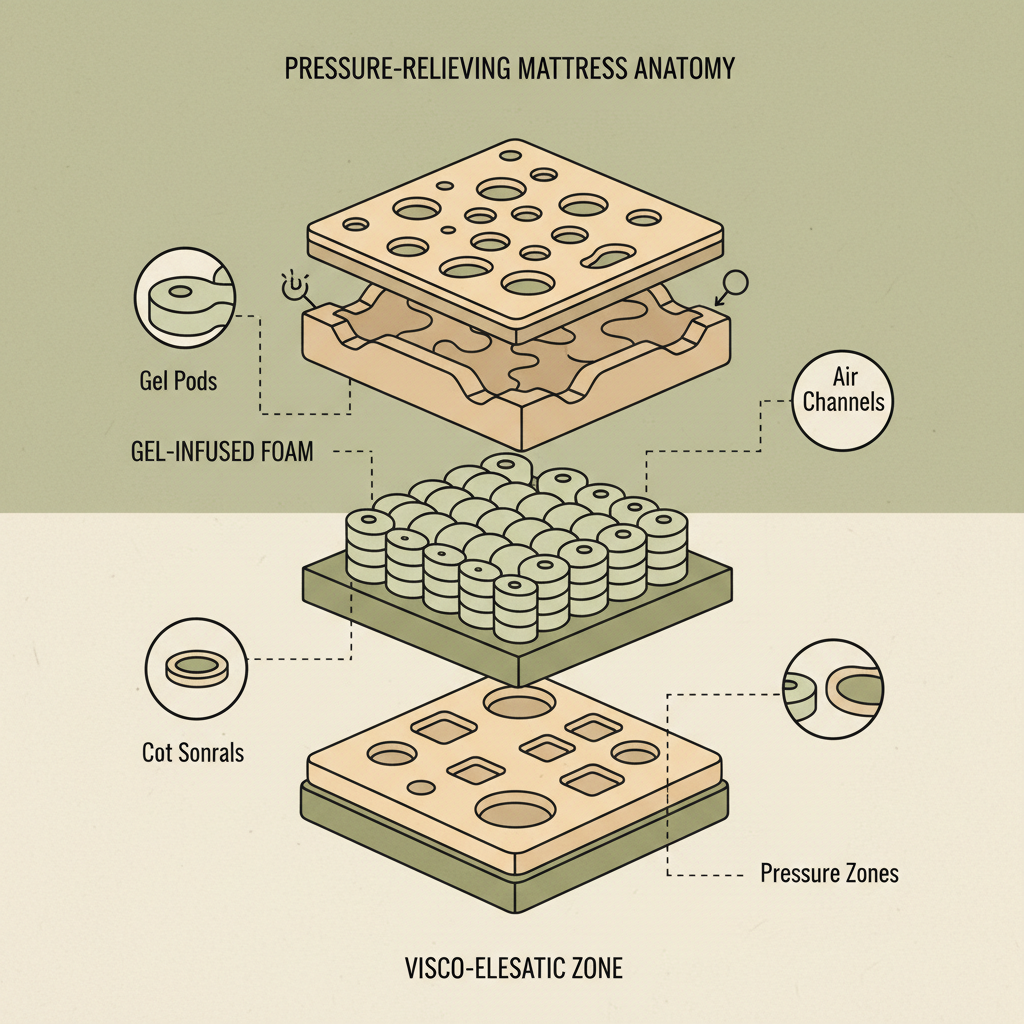
Strangely, everyone thinks it's all about the foam. That’s only half the story. We’ve been playing with different foam formulations for years—gel-infused, memory foam, high-density polyurethane. They all feel good, right? But the real secret sauce is in the distribution of pressure. You can have the most expensive foam in the world, but if it doesn’t conform to the patient’s body and spread the load, it’s just a fancy cushion. I encountered this at a factory in Guangdong last time, they were so proud of their “space age” foam, but it compressed way too much under weight.
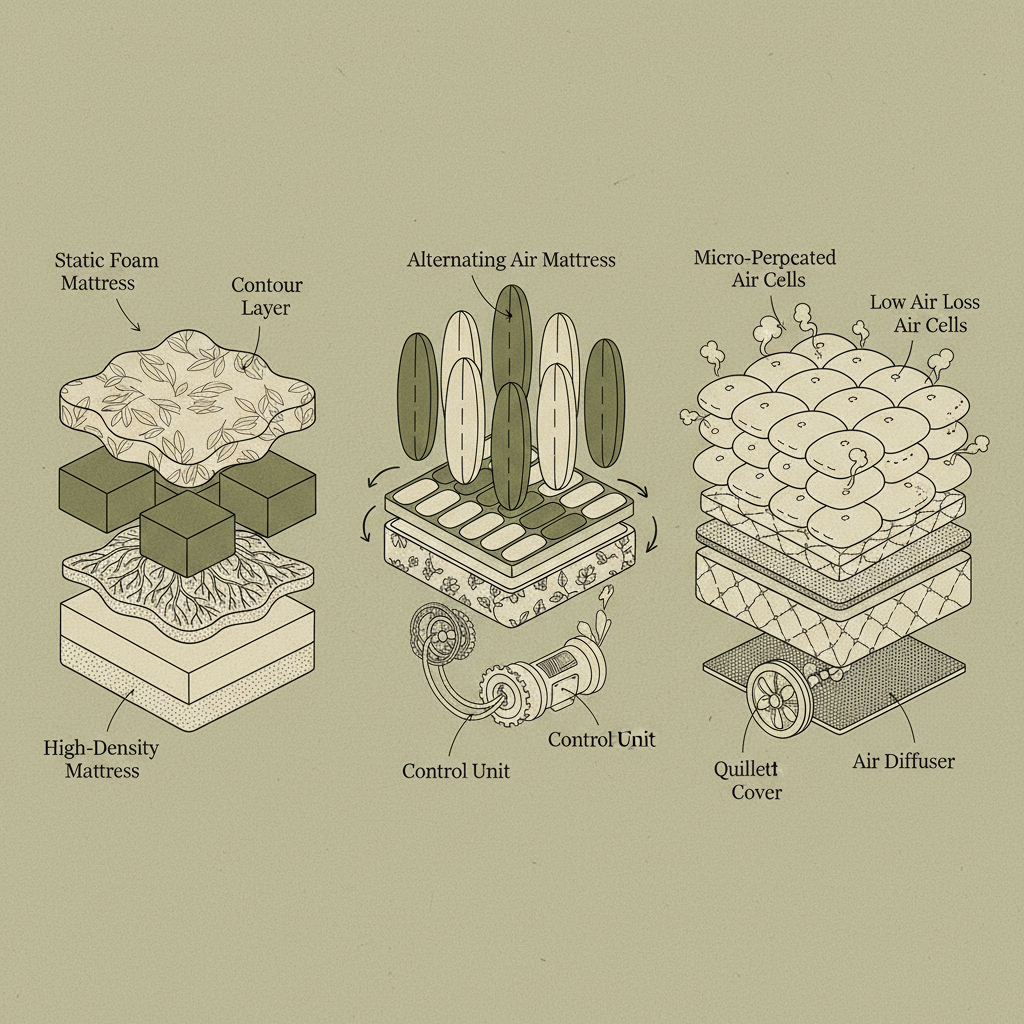
Then you get into the air-filled mattresses, alternating pressure systems… Those are a different beast altogether. More moving parts, more to go wrong, but potentially much more effective for high-risk patients. Honestly, keeping those pumps running reliably is a constant battle.
Defining Pressure Relieving Mattress Technology
To be honest, "pressure relieving mattress" is a broad term. It’s not just one thing. It covers everything from static foam mattresses to dynamic air mattresses with microclimate control. A static mattress relies on the material’s inherent properties to distribute pressure. Think memory foam molding to your shape. A dynamic mattress, on the other hand, actively changes pressure levels – inflating and deflating different sections – to keep the patient moving and prevent prolonged pressure on any single point. It's like giving someone a constant, gentle massage while they sleep.
There’s also hybrid systems, of course. Foam base with air cells for added adjustability. Those are becoming more popular because they offer a balance between comfort, effectiveness, and cost. But the key is understanding what you’re trying to prevent. A healthy person might benefit from a simple memory foam mattress, but someone who’s bedridden and at high risk of pressure sores needs something much more sophisticated.
And don't forget about covers! Seriously. A waterproof, breathable cover is crucial. You don’t want moisture building up and creating a breeding ground for bacteria. It seems like a small detail, but it can make a huge difference.
Core Components and Design Considerations
Okay, so what actually makes a pressure relieving mattress tick? It’s not just slapping some foam together. The foam density, the cell structure, the layering… all crucial. Then you’ve got the air pumps – the quality of the motor, the airflow rate, the noise level. Seriously, a noisy pump can drive patients (and nurses) crazy.
Design-wise, a big trap people fall into is making things too complicated. More features aren’t always better. A mattress with a dozen adjustable zones sounds great on paper, but if the nurses can’t easily operate it, it’s useless. Simplicity and reliability are key. We've had customers complain that even basic adjustments are hidden in nested menus. You want something that's intuitive and straightforward. Later... forget it, I won't mention the one with the Bluetooth connectivity that kept disconnecting.
Then there's the weight capacity. You’d be surprised how many mattresses can’t handle heavier patients. It’s not just about the overall weight; it’s about the distribution. A mattress that works fine for a 150-pound patient might bottom out with a 300-pound patient. And that’s a recipe for pressure sores.
Global Applications and Implementation Scenarios
You see these mattresses everywhere. Hospitals, obviously. Long-term care facilities, rehab centers. But they're also becoming more common in home healthcare. More and more people are being cared for at home, and they need the same level of protection against pressure sores. It's a big shift.
In some countries, particularly in Europe, they’re really focused on preventative care. They're using these mattresses proactively, even for patients who aren't currently at high risk, just to reduce the likelihood of problems developing. It’s a much more forward-thinking approach.
We’ve even started seeing them used in some specialized applications, like for patients undergoing long surgeries. Keeping them comfortable and preventing pressure sores during those procedures is crucial. And, increasingly, people are using them in their RVs and campers – apparently, a good night's sleep is just as important on the road as it is at home.
Pressure Relief Effectiveness Comparison
Advantages and Long-Term Value Proposition
The biggest advantage, obviously, is preventing pressure sores. That saves patients a lot of pain and suffering, and it saves hospitals a ton of money. Treating a pressure sore can be incredibly expensive, and it can prolong a patient’s hospital stay.
Beyond that, a good pressure relieving mattress improves patient comfort, which can lead to better sleep and faster recovery. It also reduces the workload on nurses, because they’re spending less time repositioning patients and treating pressure sores. That's important, you know? Nurses are already overworked as it is.
Emerging Trends and Future Innovations
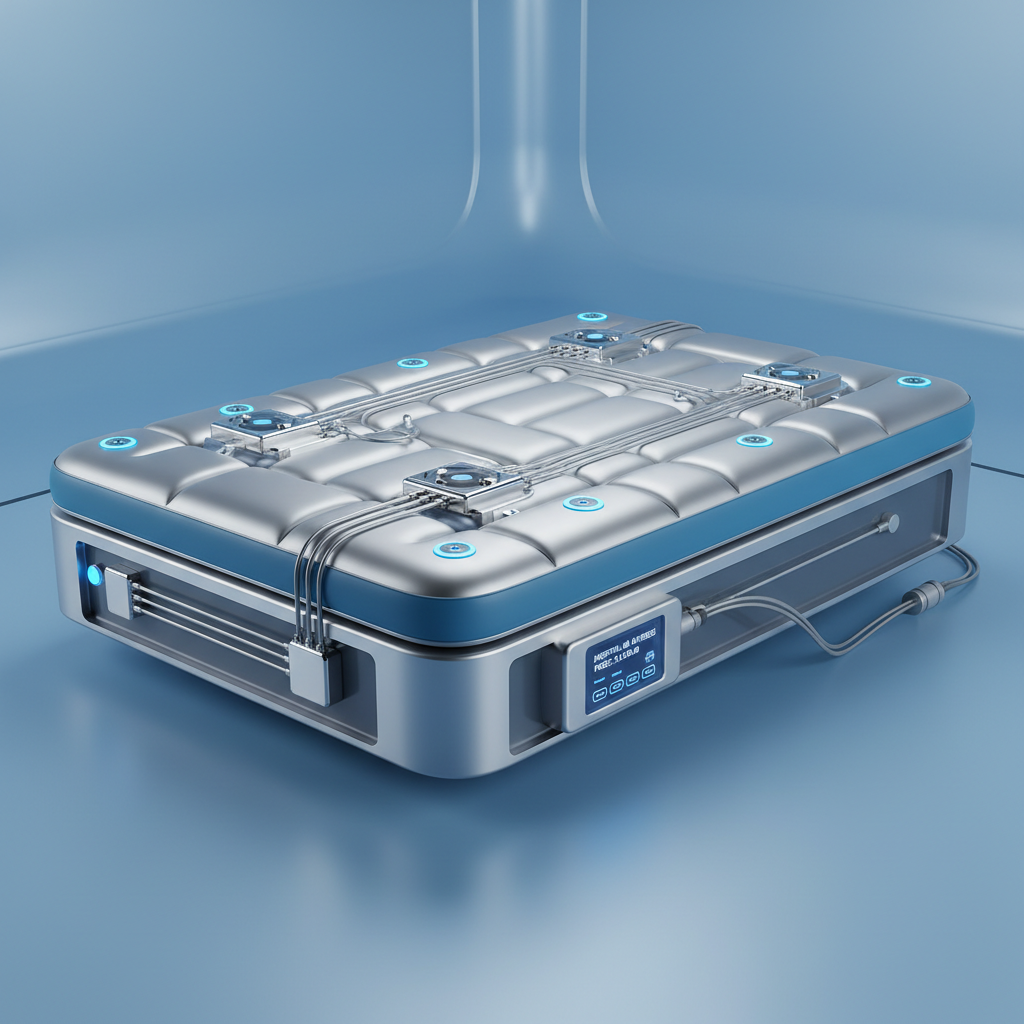
We’re starting to see a lot of interest in smart mattresses – mattresses with sensors that monitor the patient’s position, pressure distribution, and even vital signs. That data can be used to automatically adjust the mattress settings and provide real-time feedback to caregivers. Sounds fancy, right?
Another trend is towards more sustainable materials. People are looking for mattresses made from recycled materials or biodegradable foams. It's good for the environment, and it's good for marketing. And, naturally, there's a push for better infection control technologies – antimicrobial fabrics, self-disinfecting surfaces… anything that can help reduce the risk of hospital-acquired infections.
Challenges, Limitations, and Practical Solutions
Look, these mattresses aren’t perfect. They can be expensive, they can be complicated to operate, and they require regular maintenance. The pumps need to be serviced, the covers need to be cleaned, and the sensors need to be calibrated.
One big challenge is customization. Every patient is different, and a mattress that works well for one patient might not work well for another. We had a customer, a small boss in Shenzhen who makes smart home devices, insisted on changing the interface to last month – said it was “more modern.” It was a disaster. The nurses couldn’t figure it out, and the whole system had to be rolled back.
The solution? Better training for healthcare staff, more user-friendly interfaces, and more flexible designs that can be easily adjusted to meet the individual needs of each patient.
Key Performance Indicators for Pressure Relieving Mattress Systems
| Material Durability |
Pressure Redistribution Score |
Maintenance Frequency |
Ease of Use (Nurse Rating) |
| High-Density Foam |
7/10 |
Low (Annual Inspection) |
9/10 |
| Alternating Air |
9/10 |
Medium (Monthly Check) |
7/10 |
| Low Air Loss |
8/10 |
Medium (Weekly Filter Change) |
6/10 |
| Hybrid Foam/Air |
9.5/10 |
Medium (Bi-Monthly Check) |
8/10 |
| Gel Infusion |
6.5/10 |
Low (Annual Inspection) |
8/10 |
| Memory Foam |
7.5/10 |
Very Low (Minimal Maintenance) |
9/10 |
FAQS
Alternating pressure mattresses inflate and deflate different sections cyclically to redistribute pressure, while low air loss mattresses constantly circulate air to keep the skin dry and cool. Alternating pressure is better for prevention, while low air loss is preferred for patients with existing wounds. It’s a subtle difference but a significant one – choosing the wrong one can make things worse, not better.
That depends on the type of mattress and the patient’s needs. Foam mattresses generally last longer, typically 5-7 years with proper care. Air mattresses, with their moving parts, usually need replacing every 3-5 years. Regular inspection for wear and tear is crucial. You don't want a pump failing in the middle of the night!
Absolutely, especially for patients with limited mobility or a history of pressure sores. But it’s important to get the right mattress and to have a healthcare professional assess the patient’s needs. A home health nurse can provide guidance on proper use and maintenance.
Cleaning depends on the material. Foam mattresses can usually be spot-cleaned with a mild detergent and water. Air mattresses require more careful cleaning of the pump and tubing. Disinfection protocols vary by facility, but generally involve using an EPA-approved disinfectant. Always follow the manufacturer’s instructions.
The most common issues are motor failure, air leaks, and control panel malfunctions. Regular maintenance – checking the tubing for cracks, cleaning the filter, and lubricating the motor – can help prevent these problems. But eventually, pumps will wear out. It’s just a fact of life.
Yes, to a degree. Some manufacturers offer mattresses in different sizes and with adjustable air cell configurations. We even had a customer request a mattress with extra support for their scoliosis. It was a bit of a challenge, but we managed to create a custom solution that met their needs. It’s not always cheap, though!
Conclusion
Ultimately, we’re talking about people’s comfort and health. There’s a lot of science and engineering that goes into these mattresses, but at the end of the day, it all comes down to preventing pain and suffering. These aren't just products; they’re a lifeline for vulnerable patients. We've covered a lot - from foam densities to pump maintenance - and the industry is constantly evolving.
And that’s the thing, isn’t it? Whether this thing works or not, the worker will know the moment he tightens the screw. You can have all the certifications and test data in the world, but the real proof is in the pudding. Or, in this case, in a good night's sleep.