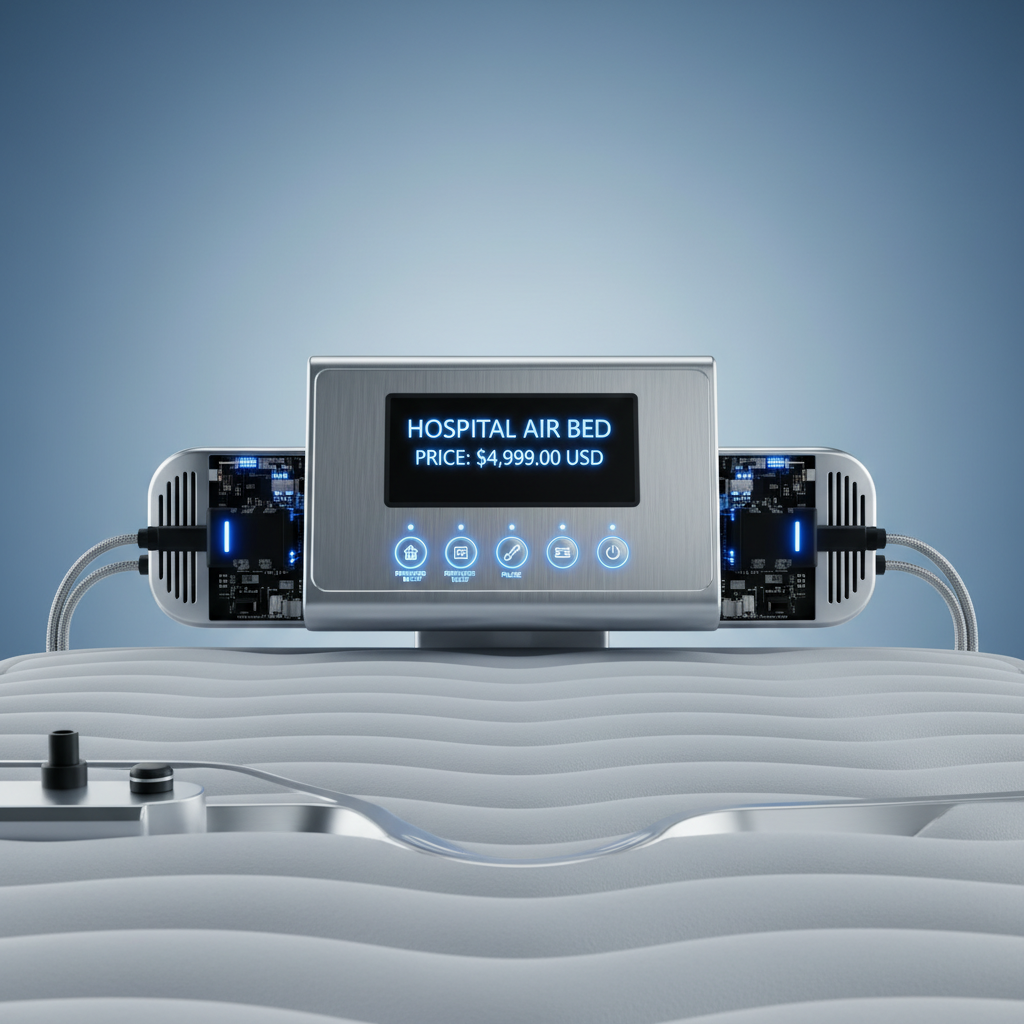
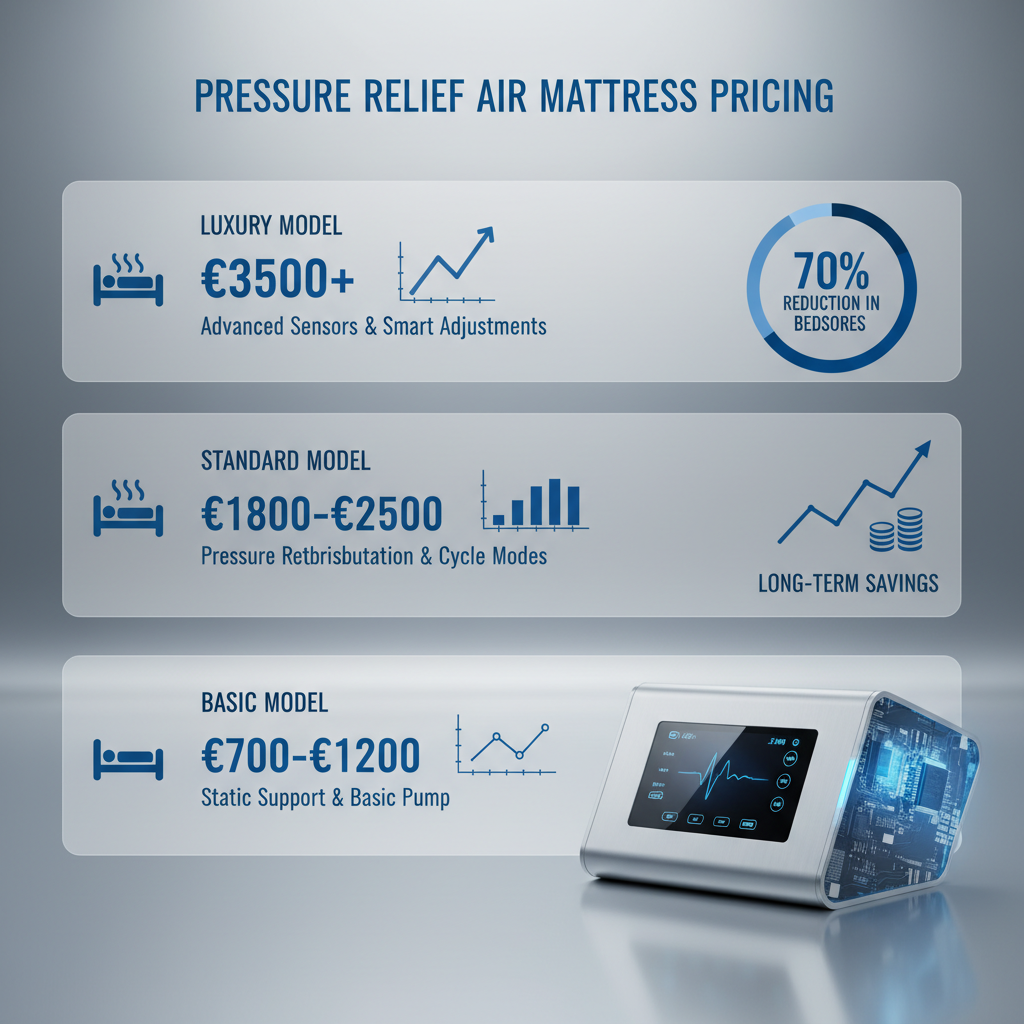
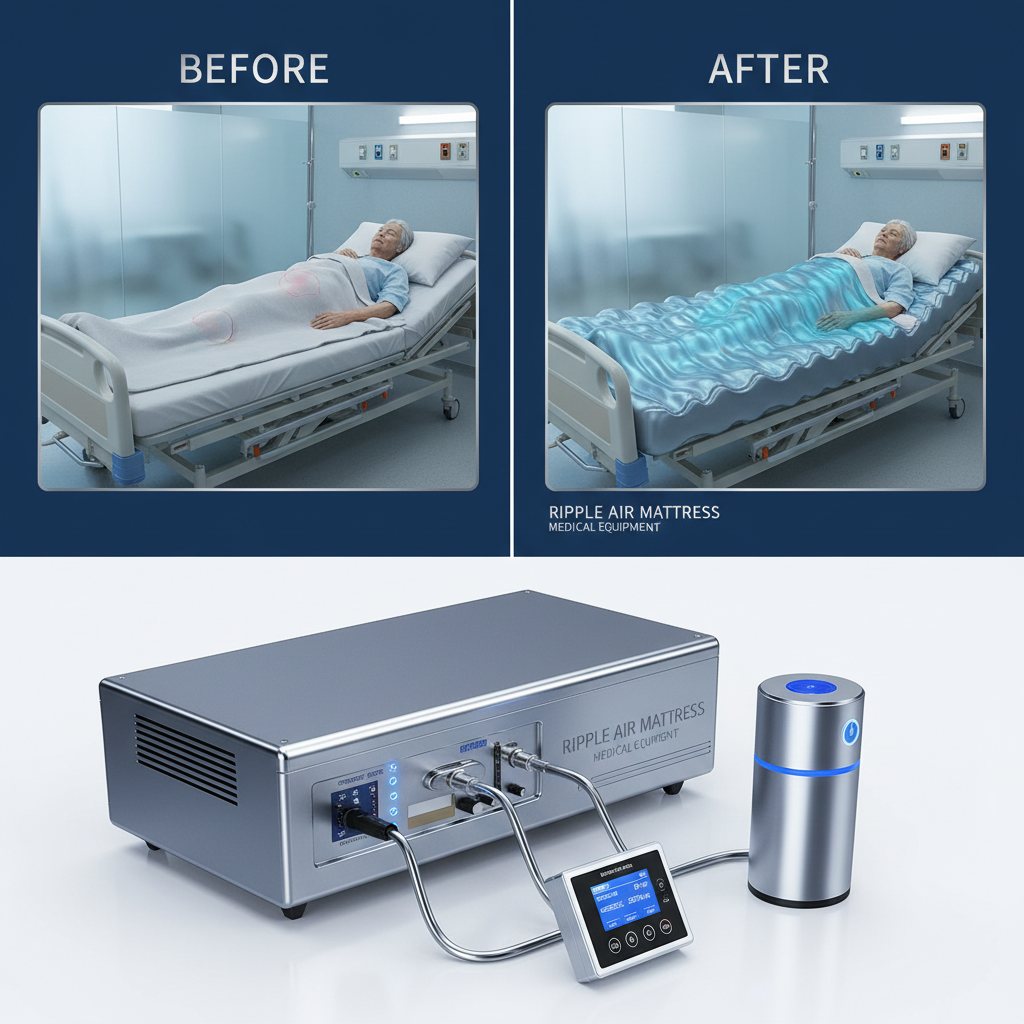
Hospital air beds are crucial components of modern healthcare facilities, offering a versatile and cost-effective solution for patient comfort and support. Understanding the nuances of the hospital air bed price is vital for healthcare administrators, procurement specialists, and medical personnel alike. Factors influencing this price range from the bed's features and materials to the manufacturer's reputation and market demand. Investing in quality hospital air beds directly impacts patient care and operational efficiency.
Globally, the demand for hospital air beds continues to rise, driven by an aging population, increased prevalence of chronic diseases, and a growing emphasis on patient comfort. The hospital air bed price varies significantly across regions, reflecting differences in economic conditions, healthcare infrastructure, and regulatory standards. Organizations like the World Health Organization (WHO) emphasize the importance of adequate medical equipment, including specialized beds, for achieving universal healthcare coverage.
The significance of properly priced hospital air beds extends beyond the clinical setting. For disaster relief efforts, modular and rapidly deployable medical beds are essential for providing immediate care to affected populations. Understanding the relationship between price, quality, and functionality is paramount in these scenarios, ensuring that resources are allocated effectively and patient needs are met with optimal solutions. A strategic approach to hospital air bed price is essential for any healthcare provider.
Introduction to Hospital Air Bed Price
The hospital air bed price isn't simply a number; it's a reflection of the technology, materials, and manufacturing processes involved. A lower price doesn’t always equate to better value, as compromises in quality can lead to reduced lifespan, compromised patient comfort, and increased maintenance costs. Understanding the various components that contribute to the final price is crucial for making informed purchasing decisions.
Fluctuations in the market, global supply chain dynamics, and advancements in medical technology all play a role in shaping the hospital air bed price landscape. Healthcare facilities must consider these factors when budgeting for these essential pieces of equipment. A thorough cost-benefit analysis, considering long-term operational expenses and patient outcomes, is highly recommended.
Defining Hospital Air Bed Price
Hospital air bed price refers to the total cost associated with acquiring a medical bed that utilizes an inflatable air mattress to provide adjustable support and pressure distribution. This price encompasses not only the base bed frame but also the air mattress itself, control systems, and any additional features like side rails, head/foot boards, and integrated weighing scales. The price is heavily influenced by the level of sophistication and the features included.
The definition also includes potential ancillary costs such as shipping, installation, training for staff, and ongoing maintenance contracts. When comparing prices, it's essential to obtain a comprehensive quote that outlines all associated expenses. Furthermore, the hospital air bed price can be categorized by the intended application—general ward beds, ICU beds, or specialized bariatric beds, each commanding different price points.
In the context of modern healthcare, the price reflects the bed’s ability to contribute to preventative care, specifically pressure ulcer prevention. Higher-quality beds with advanced pressure mapping and alternating pressure capabilities often come with a premium price tag, justified by their potential to reduce patient complications and associated healthcare costs.
Key Factors Influencing Hospital Air Bed Price
Several key factors significantly influence the hospital air bed price. Material quality is paramount; beds constructed from durable, antimicrobial materials will generally cost more but offer a longer lifespan and reduced infection risk. The complexity of the air mattress technology, including the number of air cells and the precision of the inflation/deflation system, also plays a role.
The manufacturer's reputation and brand recognition often contribute to price differences. Established brands with a proven track record of quality and reliability may command a premium. Features such as integrated scales, bed exit alarms, and caregiver control panels also add to the overall cost. Furthermore, the level of customization available—such as specific size requirements or color preferences—can impact the hospital air bed price.
Finally, supply and demand dynamics and geographical location impact the final price. Larger orders often qualify for volume discounts, and shipping costs can vary significantly depending on the destination. Regulatory compliance and adherence to safety standards also contribute to the overall cost, as manufacturers must invest in testing and certification processes.
Global Applications of Hospital Air Beds
Hospital air beds find widespread application across various healthcare settings globally. They are standard equipment in acute care hospitals, rehabilitation centers, long-term care facilities, and even home healthcare environments. In developed countries, they're frequently utilized for pressure ulcer prevention and management, post-surgical recovery, and critical care.
In resource-limited settings, hospital air beds are increasingly employed to improve patient comfort and reduce the burden on nursing staff. During disaster relief operations, rapidly deployable air beds offer a practical solution for providing temporary medical care to affected populations. NGOs and humanitarian organizations rely on the portability and ease of use of these beds in challenging environments.
Beyond traditional medical facilities, specialized air beds are gaining traction in sports medicine for injury rehabilitation and in aesthetic surgery for post-operative comfort. The versatility of these beds makes them a valuable asset in a diverse range of healthcare applications worldwide, and the hospital air bed price dictates the accessibility of this technology.
Hospital Air Bed Price Comparison by Feature
Advantages and Long-Term Value
Investing in quality hospital air beds offers numerous advantages beyond initial patient comfort. Reduced incidence of pressure ulcers translates to lower treatment costs and improved patient outcomes. The adjustability of air beds allows for precise positioning, aiding in respiratory function and reducing the risk of complications. These benefits contribute to a positive return on investment over the lifespan of the bed.
The long-term value is further enhanced by the durability and reliability of well-maintained air beds. Choosing beds constructed from high-quality materials minimizes the need for frequent repairs or replacements. Moreover, advanced features like integrated scales and bed exit alarms promote patient safety and reduce the workload on nursing staff. Considering the full lifecycle cost is crucial when assessing the hospital air bed price.
Future Trends in Hospital Air Bed Technology
The future of hospital air bed technology is poised for significant advancements. Integration with telehealth platforms will enable remote monitoring of patient positioning and pressure levels, allowing for proactive adjustments and personalized care. The use of smart textiles and sensors embedded within the mattress will provide real-time data on patient movement and physiological parameters.
Expect to see increased emphasis on antimicrobial materials and self-disinfecting surfaces to minimize hospital-acquired infections. AI-powered systems will optimize pressure distribution based on individual patient needs, enhancing comfort and preventing complications. Sustainable materials and eco-friendly manufacturing processes will also become increasingly important considerations, influencing the hospital air bed price and driving innovation.
Challenges and Solutions Regarding Price and Quality
A key challenge in the hospital air bed market is balancing price with quality. The temptation to opt for cheaper options can lead to compromised patient safety and increased long-term costs. Another challenge is ensuring interoperability with existing hospital systems and electronic health records.
Solutions include conducting thorough due diligence on manufacturers, prioritizing certifications and safety standards, and negotiating long-term maintenance contracts. Investing in staff training on proper bed operation and maintenance is also crucial. Exploring group purchasing organizations (GPOs) can leverage collective buying power to secure more competitive hospital air bed price.
Transparency in pricing and clear communication of features and benefits are essential. Healthcare facilities should demand detailed specifications and conduct pilot testing to evaluate performance before making large-scale purchases.
Summary of Challenges and Solutions Related to Hospital Air Bed Price
| Challenge |
Impact on Price |
Potential Solution |
Expected Cost Reduction |
| Low-Quality Materials |
Initial lower price, but increased replacement costs. |
Prioritize beds with durable, antimicrobial materials. |
5-10% over 5 years. |
| Lack of Interoperability |
Additional integration costs and potential data inaccuracies. |
Select beds compatible with existing hospital systems. |
2-5% in integration costs. |
| Hidden Maintenance Fees |
Unexpected expenses that inflate the total cost of ownership. |
Negotiate comprehensive maintenance contracts upfront. |
3-7% in maintenance savings. |
| Limited Supplier Options |
Reduced bargaining power and higher prices. |
Explore multiple vendors and utilize GPOs. |
5-15% through competitive bidding. |
| Insufficient Staff Training |
Increased risk of improper use and potential damage. |
Invest in thorough staff training on bed operation and maintenance. |
1-3% in reduced repair costs. |
| Unclear Pricing Structures |
Difficulty in comparing quotes and identifying hidden costs. |
Demand transparent, itemized quotes from all suppliers. |
2-5% by identifying cost discrepancies. |
FAQS
Several factors influence the cost of hospital air beds. These include the materials used (antimicrobial fabrics, frame construction), the sophistication of the air mattress technology (number of air cells, pressure mapping capabilities), brand reputation, and any additional features like integrated scales or bed exit alarms. Shipping costs and maintenance agreements also contribute to the overall price.
Consider the total cost of ownership, not just the initial purchase price. A higher-priced bed with durable materials and advanced features may have a longer lifespan, require less maintenance, and reduce the risk of pressure ulcers, leading to significant cost savings over time. Evaluate the bed's features in relation to your specific patient population and clinical needs.
Regular maintenance includes inspecting the air mattress for leaks, cleaning the bed frame and controls, and ensuring proper functioning of all features. Preventative maintenance contracts can help minimize downtime and unexpected repair costs. The frequency and cost of maintenance will vary depending on the bed's complexity and usage.
Many medical equipment suppliers offer financing options, including leasing agreements and installment plans. Healthcare facilities can also explore government grants and loan programs designed to support the purchase of essential medical equipment. Group Purchasing Organizations (GPOs) may also offer preferential pricing and financing terms.
Essential safety features include side rails to prevent falls, a reliable air mattress system with backup power, and bed exit alarms. The bed should also meet relevant safety standards and certifications. Look for features that contribute to pressure ulcer prevention, such as alternating pressure therapy and low air loss functionality.
ICU beds typically command a higher price due to their advanced features, such as integrated monitoring systems, precise positioning capabilities, and enhanced pressure relief technology. General ward beds are typically more basic and affordable, focusing on patient comfort and basic support. Specialized beds, such as bariatric beds, also have a higher price point due to their reinforced construction and increased weight capacity.
Conclusion
Understanding the factors that influence hospital air bed price is crucial for healthcare providers seeking to optimize patient care and manage costs effectively. By prioritizing quality, durability, and advanced features, facilities can invest in beds that contribute to improved patient outcomes, reduced complications, and a positive return on investment. A strategic approach to procurement, considering the total cost of ownership and long-term value, is essential.
Looking ahead, continued innovation in hospital air bed technology promises to further enhance patient comfort, safety, and clinical efficiency. Embracing these advancements and adapting to evolving healthcare needs will be key to providing optimal care in the years to come. For more information on finding the right hospital air bed for your facility, visit our website: www.chuangenmedicals.com.