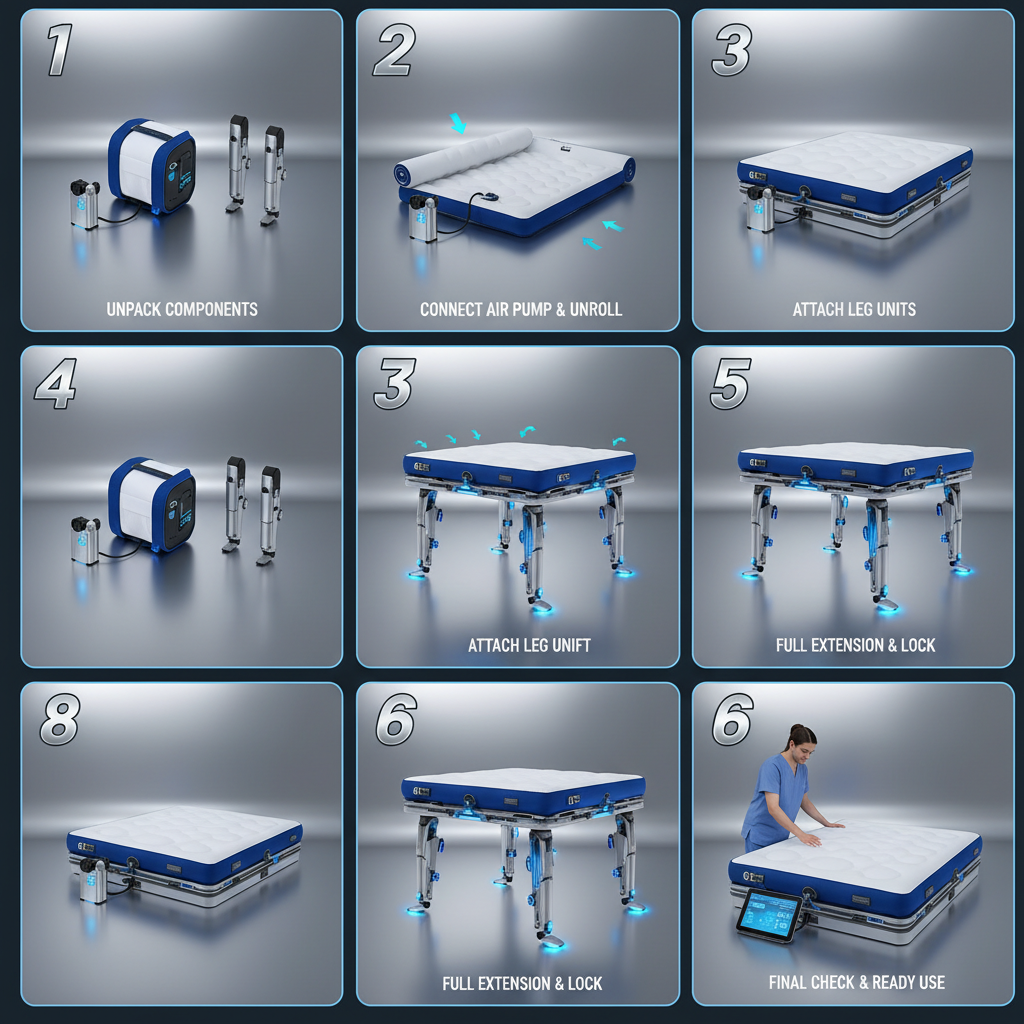
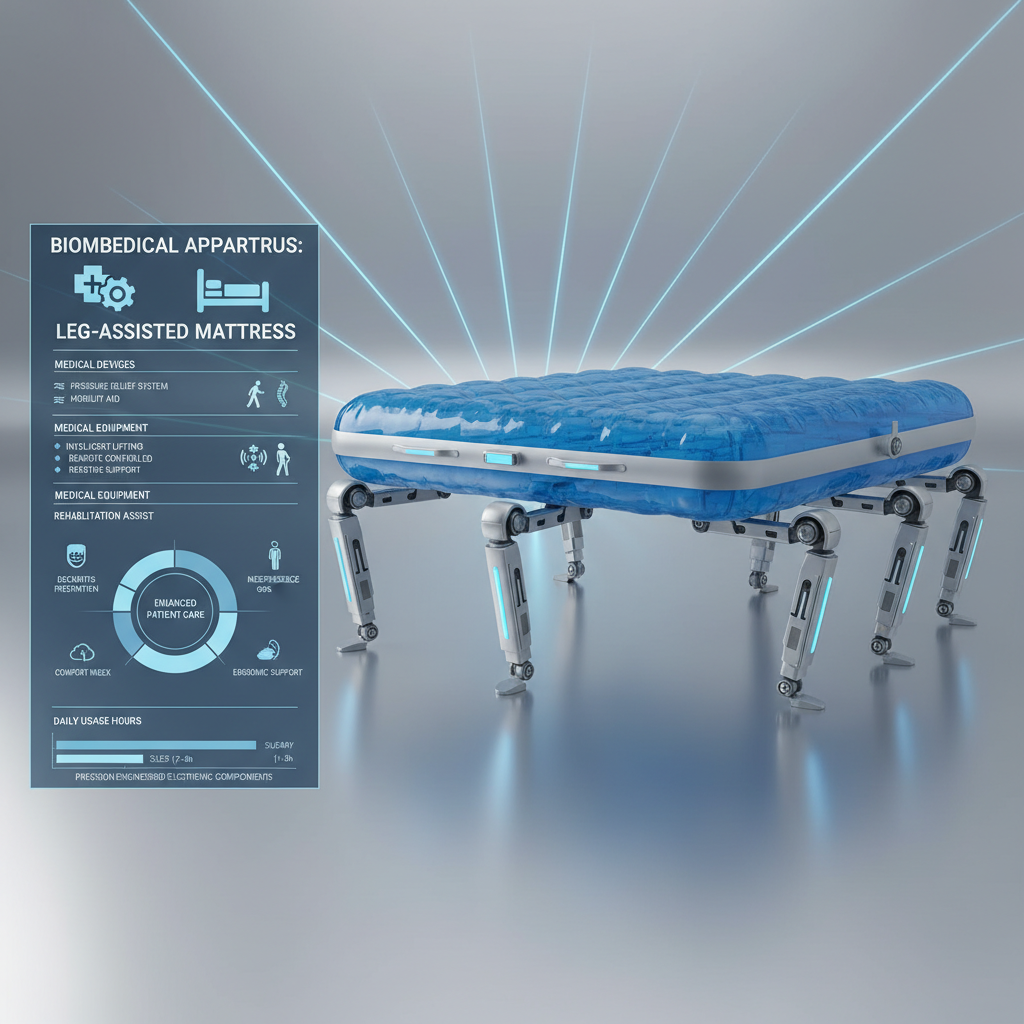
The evolution of patient care and temporary housing has led to the development of the blow up mattress with legs, a specialized solution designed to bridge the gap between the portability of an air bed and the ergonomic support of a traditional medical bed. In the context of rehabilitation and home nursing, the ability to elevate a patient from the floor is not just a matter of comfort, but a critical requirement for preventing pressure sores and facilitating easier transfers for caregivers.
Globally, the demand for accessible medical furniture is rising as aging populations in developed nations and disaster-relief efforts in developing regions require scalable, rapid-deployment sleeping solutions. A blow up mattress with legs addresses the systemic challenge of providing dignified, hygienic, and physically supportive resting surfaces in environments where permanent hospital beds are impractical or unavailable.
By integrating structural stability with the pressure-redistribution properties of pneumatic technology, these devices ensure that patients maintain a safer posture and improved respiratory function. Understanding the nuances of this equipment—from material durability to the mechanics of its support legs—is essential for healthcare providers and families seeking to optimize the quality of life for those with limited mobility.
Global Relevance and Industry Context of Blow Up Mattresses with Legs
From a global perspective, the necessity for the blow up mattress with legs is driven by the increasing prevalence of chronic mobility impairments. According to data aligned with WHO standards on aging and disability, millions of individuals require temporary bedside care that prevents the complications associated with floor-level resting. Traditional air mattresses often fail because they lack the height necessary for safe patient egress, leading to increased strain on both the patient and the nursing staff.
In the specialized equipment manufacturing sector, the shift toward "hybrid" furniture has allowed for the creation of solutions that are as easy to transport as a camping mat but as functional as a clinical bed. This industry context emphasizes the need for ISO-compliant materials that can withstand the rigors of frequent inflation and deflation while maintaining the structural integrity of the legs to prevent tipping during patient transfers.
Defining the Blow Up Mattress with Legs in Modern Healthcare
A blow up mattress with legs is a sophisticated medical aid that combines an inflatable air chamber—designed for pressure redistribution—with a rigid or semi-rigid elevated support frame. Unlike standard air beds that sit flush against the ground, these units utilize an integrated leg system to lift the sleeping surface to a height that aligns with standard wheelchairs or transfer chairs, thereby reducing the physical exertion required for patient movement.
In modern humanitarian and healthcare settings, this device is categorized as a transitional care tool. It is particularly vital in areas where infrastructure is compromised, such as post-earthquake field hospitals or remote clinics, where the ability to quickly set up a hygienic, elevated bed can be the difference between a patient recovering and developing severe secondary infections or pressure ulcers.
The core meaning of this technology lies in its duality: it provides the cushioning needed for skin integrity (similar to an anti-bedsore mattress) while offering the mechanical leverage of a bed frame. This ensures that patients maintain their dignity by not having to be lifted from the floor, while simultaneously adhering to ergonomic safety standards for home-care providers.
Core Components and Technical Factors for Stability
The primary technical factor of a blow up mattress with legs is the material composition of the pneumatic chamber. High-grade PVC or TPU-coated nylon is typically used to prevent air leakage and ensure the surface is hypoallergenic and easy to sanitize, which is paramount in a clinical environment.
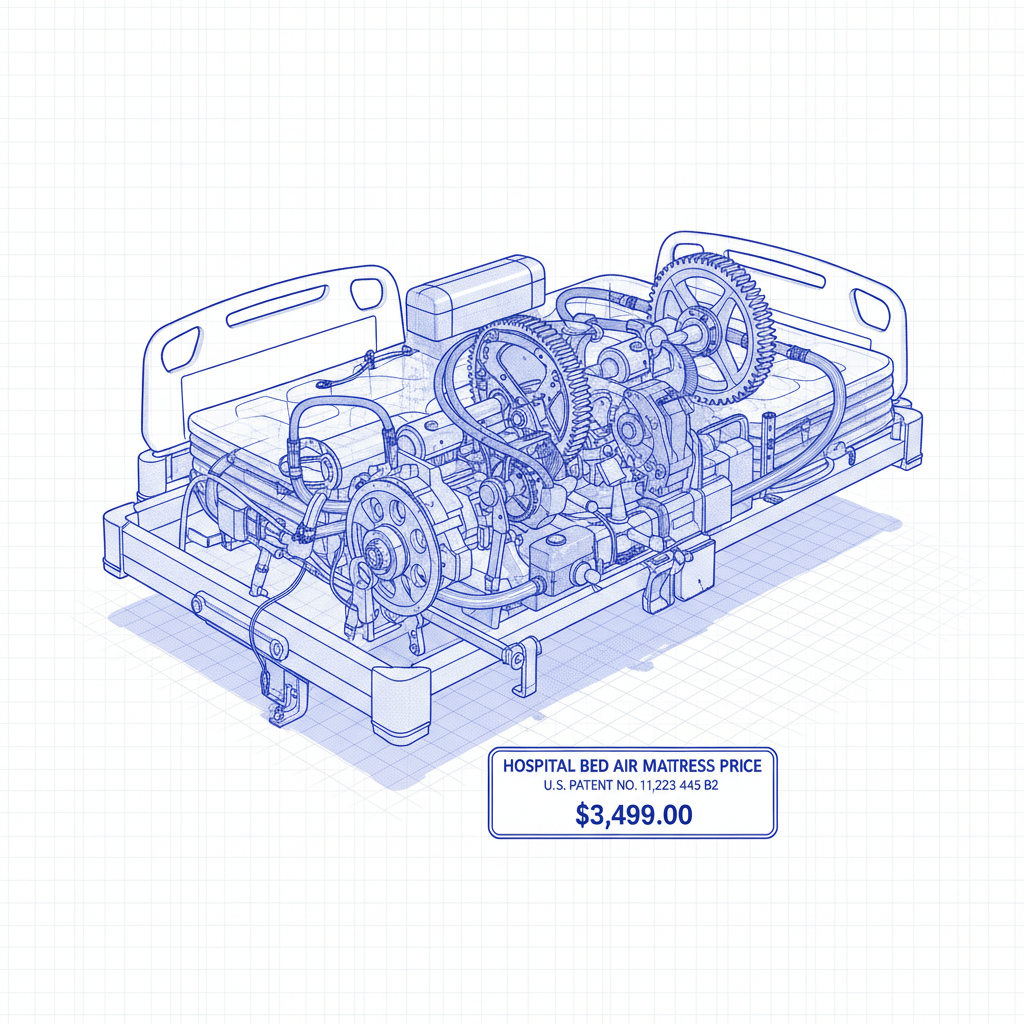
Scalability and stability are achieved through the design of the leg architecture. A high-quality blow up mattress with legs utilizes reinforced struts or interlocking pneumatic pillars that distribute the patient's weight evenly, preventing the "sinking" effect common in cheaper alternatives and ensuring the bed remains level.
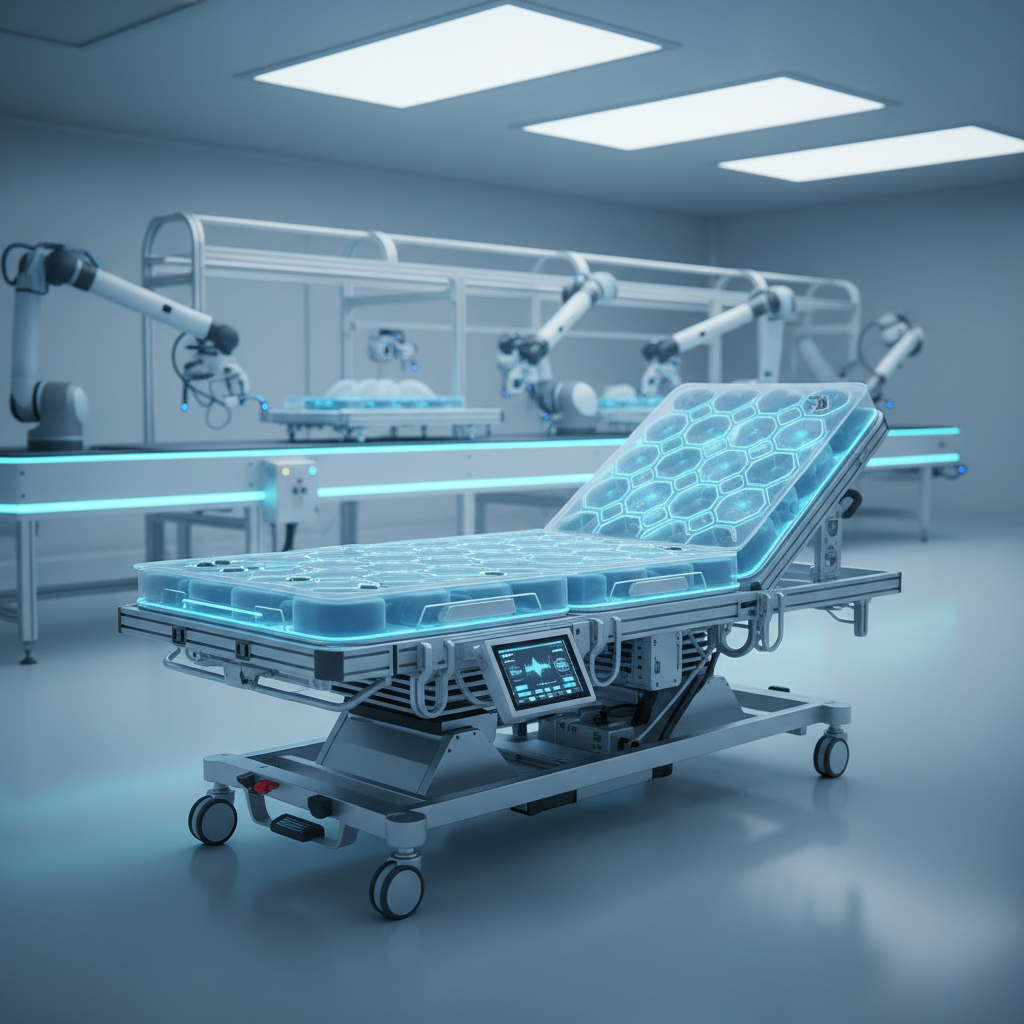
Furthermore, the integration of rapid-inflation valves and reinforced seams ensures that the device can be deployed in minutes. The cost-efficiency of these components allows healthcare facilities to maintain a large inventory of backup beds that do not occupy significant storage space when not in use, making them a sustainable choice for surge capacity.
Practical Applications and Global Use Cases
The application of the blow up mattress with legs extends across various critical sectors. In post-disaster relief operations, such as those coordinated by international NGOs in seismic zones, these mattresses provide immediate, elevated sleeping quarters that protect displaced persons from damp ground and pests, significantly reducing the risk of respiratory infections and skin diseases.
In remote industrial zones or offshore platforms, where space is at a premium and medical facilities are minimal, these beds serve as emergency infirmary stations. They allow onsite medics to provide stabilized care to injured workers, facilitating a safer transition to a stretcher or a hydraulic transfer chair during evacuation processes.
Performance Metrics of Different Blow Up Mattress with Legs Designs
Long-term Value and Caregiver Advantages
The long-term value of utilizing a blow up mattress with legs is most evident in the reduction of musculoskeletal injuries among caregivers. By eliminating the need to bend deeply to lift a patient from a floor-level mattress, these beds align with occupational health and safety guidelines, protecting the spines of nurses and family members who provide daily care.
Beyond the physical benefits, there is a profound emotional impact. Providing a patient with an elevated surface restores a sense of normalcy and dignity. The ability to sit up and have their feet reach a level where they can transition into a walker or walking aid independently fosters a sense of autonomy, which is a key psychological driver in the rehabilitation process.
Future Innovations in Pneumatic Support Systems
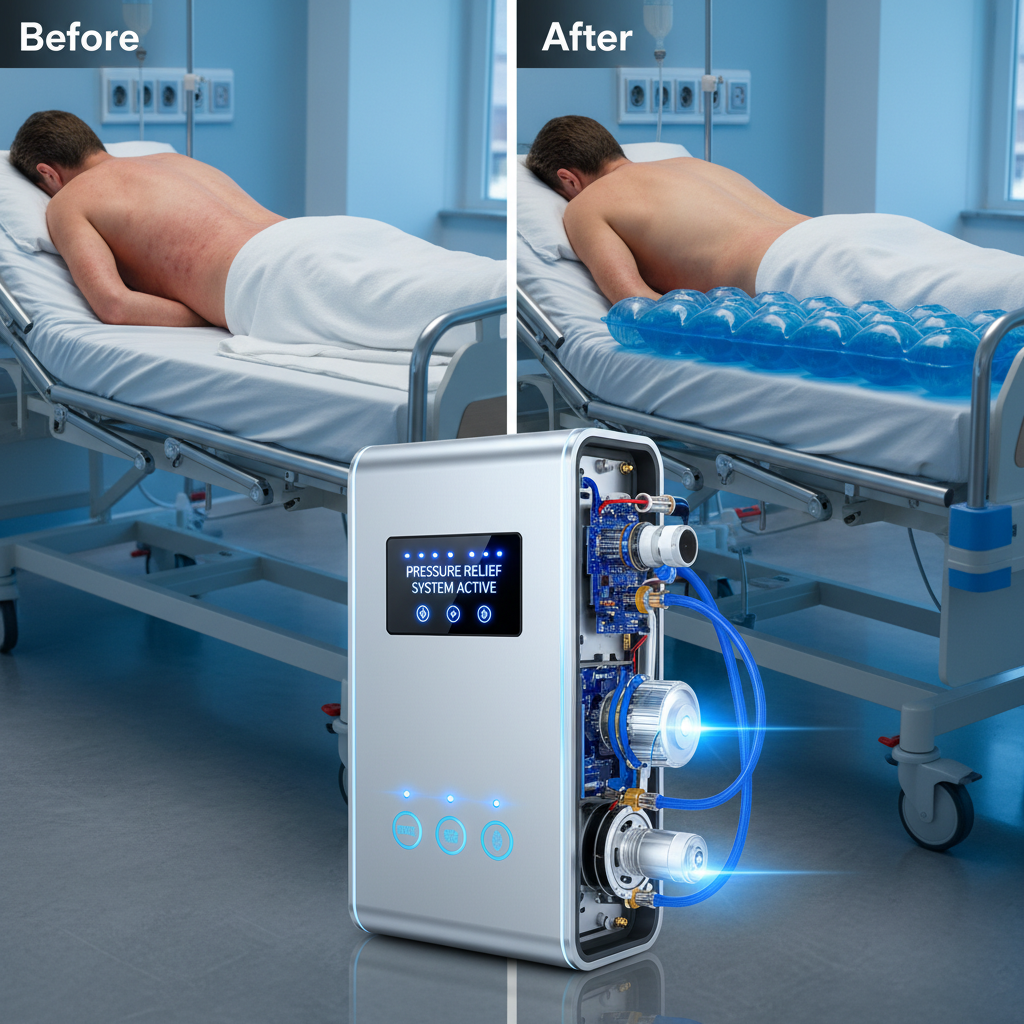
Looking ahead, the blow up mattress with legs is set to evolve through the integration of smart materials. We are seeing the emergence of "adaptive pressure" cells that use sensors to detect high-pressure points on the patient's body and automatically adjust the air volume in specific zones, effectively merging the functionality of a high-end anti-bedsore mattress with a portable frame.
Sustainability is also becoming a core focus. Future iterations are expected to replace traditional PVC with biodegradable, medical-grade polymers that reduce the environmental footprint of disposable medical equipment. These green materials will maintain the same puncture resistance and durability while adhering to stricter global ecological policies.
Furthermore, automation is entering the field via integrated, silent micro-pumps that maintain a constant pressure level without manual intervention. This ensures that the blow up mattress with legs remains perfectly inflated over long periods, eliminating the common problem of "air sag" and ensuring consistent support for the patient.
Overcoming Challenges in Deployment and Maintenance
Despite their advantages, the deployment of a blow up mattress with legs faces challenges such as susceptibility to punctures and the potential for leg instability on uneven terrain. To solve this, manufacturers are implementing multi-layer "ripstop" fabrics and adjustable-foot leg designs that can be leveled on slopes or rough surfaces, ensuring the patient's safety regardless of the environment.
Maintenance is another critical area. To prevent hygiene failures, new models are being designed with detachable, waterproof, and antimicrobial covers that can be laundered at high temperatures. This professional approach to maintenance ensures that the equipment does not become a vector for healthcare-associated infections (HAIs).
Expert insight suggests that the key to maximizing the lifespan of these devices is a strict inflation protocol. Over-inflating can stress the seams, while under-inflating can compromise the stability of the legs. By providing users with clear, visual pressure guides, the industry is reducing user error and increasing the reliability of the blow up mattress with legs in critical care scenarios.
Comparative Analysis of Blow Up Mattress with Legs Technical Specifications
|
Model Category
|
Support Stability
|
Material Durability
|
Deployment Speed
|
| Basic Portable |
6/10 |
Standard PVC |
Fast (< 3 mins) |
| Nursing Grade |
8/10 |
Reinforced TPU |
Moderate (5 mins) |
| Orthopedic Hybrid |
9/10 |
Double-Layered Nylon |
Slow (8 mins) |
| Emergency Relief |
7/10 |
Heavy-Duty PVC |
Very Fast (2 mins) |
| Smart-Pressure |
10/10 |
Advanced Polymer |
Moderate (6 mins) |
| Compact Travel |
5/10 |
Lightweight PVC |
Very Fast (2 mins) |
FAQS
The primary difference lies in the elevated support system. While a standard air bed sits directly on the floor, a blow up mattress with legs incorporates a structural frame or pneumatic pillars that lift the patient. This elevation is critical for medical purposes, as it prevents the patient from being too low for safe transfers into wheelchairs and reduces the physical strain on caregivers during daily assistance.
Yes, provided you choose a model with reinforced legs. Professional-grade versions use interlocking support structures and wide bases to prevent tipping. To ensure maximum stability, it is recommended to inflate the legs to the manufacturer's specified pressure and place the mattress on a flat surface. For high-risk patients, models with adjustable leveling feet are the safest choice.
They are ideal for short-to-medium term use, such as recovery periods, temporary housing, or emergency surge capacity. For permanent, long-term care, we recommend transitioning to a dedicated medical bed. However, using a high-quality TPU model with a pressure-redistribution surface can significantly mitigate the risks of pressure sores during the interim period.
Most medical-grade blow up mattresses with legs are made from non-porous materials. You should use a mild detergent or a 70% isopropyl alcohol solution for surface wiping. For the best results, use a detachable waterproof cover that can be machine-washed. Avoid using harsh abrasive chemicals that could degrade the PVC or TPU coating and lead to air leaks.
First, identify the leak using a soapy water solution; bubbles will form where air is escaping. For small punctures, use a medical-grade PVC repair kit. If the leak is at a seam, the integrity of the bed may be compromised, and it should be replaced to ensure patient safety. Regular checks with a pressure gauge can help prevent sudden deflation.
Not at all. One of the core advantages is their compressibility. When deflated, they fold into a compact size, making them easy to transport in a standard vehicle. Setup typically takes between 2 to 10 minutes depending on whether you use a manual pump or an electric integrated pump, making them perfect for rapid deployment in emergency scenarios.
Conclusion
The blow up mattress with legs represents a vital intersection of portability and clinical utility. By combining the pressure-relieving benefits of pneumatic technology with the ergonomic necessity of elevation, it solves critical challenges in home care, disaster relief, and temporary medical housing. From reducing caregiver injury to preserving patient dignity, the long-term value of this equipment extends far beyond simple convenience, offering a scalable solution to global mobility and care challenges.
As we move toward a future of smarter, more sustainable medical devices, the integration of adaptive materials and automated pressure systems will only enhance the reliability of these tools. For those seeking to optimize a care environment—whether in a professional facility or at home—investing in high-quality, stabilized inflatable solutions is a step toward safer and more compassionate care. To explore our full range of professional mobility and care solutions, visit our website: www.chuangenmedicals.com