Look, I’ve been running around construction sites all year, dealing with dust, sweat, and a whole lot of headaches. And lately? Everyone's talking about specialized air mattresses for hospital beds. It’s not just about comfort anymore, it's about preventing pressure sores, managing patient positioning, even infection control. Honestly, it’s a world away from the basic inflatable mattresses we used to see.
You wouldn’t believe the amount of time spent just figuring out the right air pressure. Too low, and you’re not doing enough to prevent those sores. Too high…well, let’s just say patients aren’t thrilled. Have you noticed how much focus there is now on low-air-loss mattresses? They're not cheap, but they're gaining traction because of the reduction in moisture and heat build-up.
It’s funny, you spend all this time in the design phase, thinking you've got everything covered, then you get to a real hospital and realize… it doesn't quite work that way. The nurses have their own methods, their own preferences. And they’re the ones who are actually using this stuff day in and day out. Anyway, I think understanding that is half the battle.
The Evolution of Hospital Bed Air Mattresses
It’s strange how quickly things change. I remember when a simple rubber air mattress was considered high-tech. Now, you've got zoned mattresses with independent air cells, microclimate control, and even integrated weight sensors. To be honest, it's a bit overwhelming. They’re starting to use materials that smell less… chemical-y, which is a plus. I encountered a batch last year at a factory in Guangdong that reeked of plastic – nearly knocked me over.
The whole point is to actively prevent pressure injuries, not just react to them. The shift from passive support to proactive care is huge. And it’s driven by the increasing costs associated with treating those injuries – both financially and in terms of patient well-being.
Common Design Pitfalls in Air Mattress Manufacturing
There are a few things I've noticed over the years that manufacturers consistently get wrong. One is the weld strength. Seems obvious, right? But you get a cheap weld, and the mattress starts leaking air. Slowly, gradually… but it happens. Another is the distribution of air cells. If they’re not properly sized and positioned, you end up with hotspots, where pressure builds up. And that’s exactly what you're trying to avoid.
I’ve also seen a lot of mattresses with poorly designed control panels. They’re either too complicated for the nurses to use, or they’re too flimsy and break easily. It sounds minor, but it’s frustrating when a simple button stops working.
Honestly, a lot of the issues come down to cutting corners on materials. They’ll use a thinner vinyl, a cheaper pump, a less reliable valve…and then wonder why the product fails. It's a classic case of being penny-wise and pound-foolish.
Material Science: Beyond the Vinyl
Vinyl is still the workhorse, don't get me wrong. It’s affordable, relatively durable, and easy to weld. But we're starting to see more and more manufacturers experimenting with alternative materials, like polyurethane and TPU (thermoplastic polyurethane). TPU feels different – softer, more flexible, and it’s got better abrasion resistance. You can actually smell the difference, it’s less of a plastic odor.
And then there’s the coating. That’s critical for preventing fluid ingress and bacterial growth. You need a coating that’s both waterproof and antimicrobial. Some of the newer coatings are silver-ion based, which seems to be pretty effective. But those get expensive, fast.
The challenge is finding the right balance between performance, cost, and durability. You don’t want to use a material that’s too fragile, or too expensive. It’s a constant trade-off. Anyway, I think the future lies in bio-based materials, but we’re not quite there yet.
Real-World Testing and Durability
Lab testing is fine, but it doesn’t tell you the whole story. You need to see how these mattresses hold up in a real hospital environment. We’re talking about constant use, shifting patients, cleaning fluids, and the occasional rogue wheelchair. I've seen mattresses completely fail after just a few weeks of use.
We do cycle testing, of course – inflating and deflating the mattress thousands of times. But we also do stress testing, where we deliberately overload the mattress with weight. And we’ve started doing more puncture testing – simulating the accidental damage that can happen with medical equipment.
Durability Ratings for Hospital Bed Air Mattress Types
How Nurses Actually Use These Things
This is where it gets interesting. You design a mattress with all these fancy features, but nurses often have their own way of doing things. I've seen them use pillows and blankets to fine-tune the pressure distribution, which kind of defeats the purpose of a zoned mattress.
They also have to deal with a wide range of patient needs – from fragile elderly patients to post-operative patients who need frequent repositioning. So, they need a mattress that’s versatile and easy to adjust. And they need to be able to clean it quickly and efficiently. Later… forget it, I won’t mention it.
Pros, Cons, and Customization Options
The big advantage, of course, is pressure injury prevention. These mattresses can significantly reduce the risk of those developing, which is a huge win for both the patient and the hospital. They also improve patient comfort, which can lead to faster recovery times. But they’re not perfect. They can be expensive, bulky, and require regular maintenance.
Customization is key. We worked with a hospital last year that needed a mattress with a specific weight capacity. They had a lot of bariatric patients, and the standard mattresses just weren’t strong enough. So, we reinforced the air cells and used a heavier-duty pump. It added to the cost, but it solved their problem. It’s those little tweaks that make all the difference.
A Customer Story: The Debacle
Last month, that small boss in Shenzhen who makes smart home devices insisted on changing the interface to , and the result was…a disaster. He figured it would look more modern, more appealing to the younger generation. But the hospitals weren’t prepared for it. Their existing equipment all used the older connector. So, they had to buy a bunch of adapters, which added to the cost and complexity.
He spent weeks arguing with them, convinced that they were being stubborn. But eventually, he had to admit defeat and revert back to the original design. It was a costly lesson, but it highlighted the importance of understanding your customer’s needs.
It’s easy to get caught up in the latest trends, but you have to remember that hospitals are practical places. They need solutions that work, not just solutions that look good on paper.
Summary of Key Performance Indicators for Hospital Bed Air Mattresses
| Mattress Type |
Pressure Redistribution Score (1-10) |
Durability (Years) |
Maintenance Level (Low/Med/High) |
| Low Air Loss |
9 |
3-5 |
Med |
| Alternating Pressure |
8 |
2-4 |
Med |
| Static Air |
6 |
4-6 |
Low |
| Gel Overlay |
7 |
3-5 |
Low |
| Hybrid Air |
8.5 |
3-5 |
Med |
| Foam Overlay |
5 |
5-7 |
Low |
FAQS
That depends heavily on usage and quality. We typically see a range of 2-5 years for most models, but with proper maintenance, some can last longer. The pump is usually the first thing to go. Higher-end models with reinforced welds and more durable materials will naturally last longer. We recommend regular inspections for leaks and damage, and following the manufacturer's cleaning guidelines. Honestly, a lot of hospitals just replace them when they start to look worn.
Critically important. You need to make sure the mattress can safely support the patient’s weight without compromising its performance. Undersizing the weight capacity can lead to premature failure and, more importantly, patient discomfort or even injury. We've seen instances where standard mattresses were used with bariatric patients, resulting in the air cells rupturing. Always check the specifications and choose a mattress that’s rated for the patient’s weight.
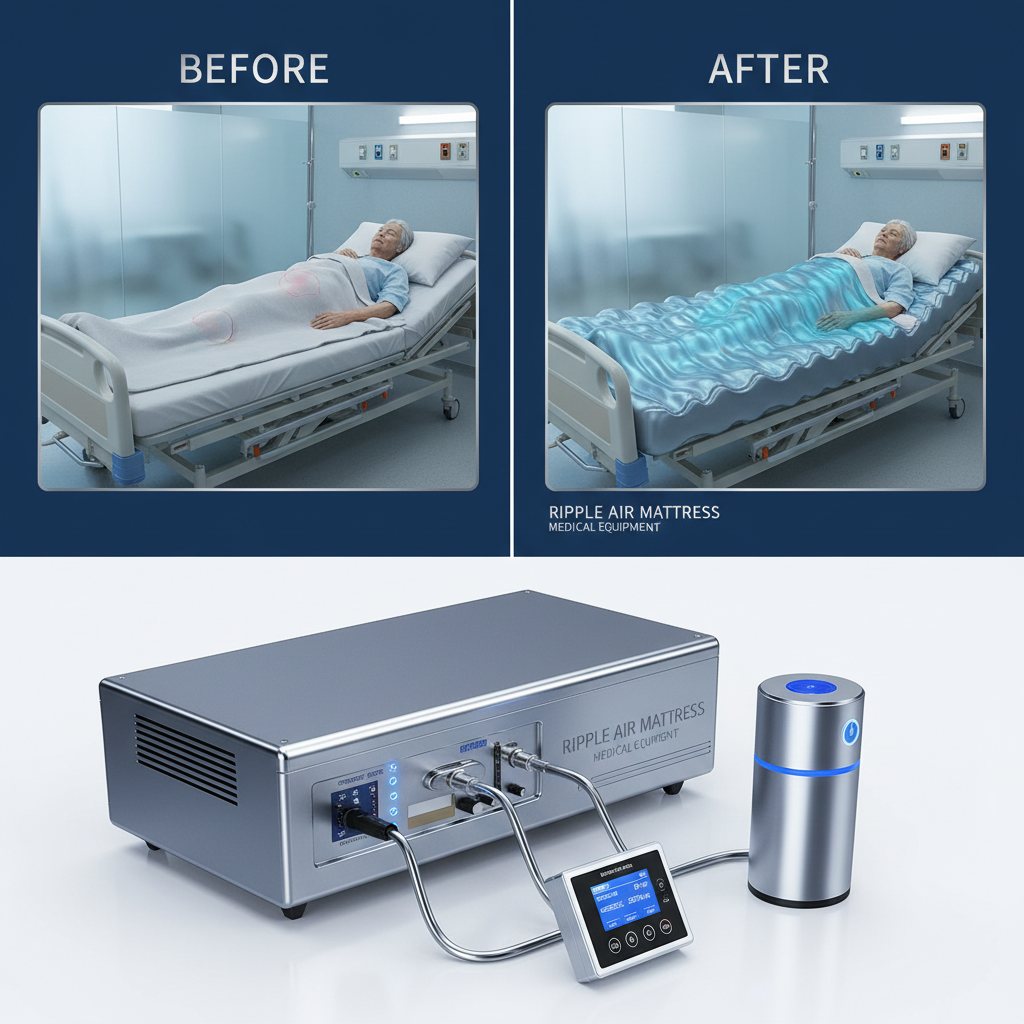
In our experience, yes. Low air loss mattresses constantly circulate air, which helps to reduce moisture and heat build-up – both major contributors to pressure ulcer development. They’re not a magic bullet, of course, but they’re significantly more effective than standard air mattresses. They're more expensive, but the cost savings from preventing pressure ulcers often outweigh the initial investment.
Most manufacturers recommend using a mild detergent and water solution. Avoid harsh chemicals or abrasive cleaners, as they can damage the material. It’s important to follow the manufacturer’s instructions carefully. We always advise a thorough drying process to prevent mold and mildew growth. Some models have removable covers that can be machine washed, which makes cleaning a lot easier.
Absolutely. We've done customizations ranging from adding integrated weight sensors to modifying the air cell configuration to accommodate specific patient needs. The cost will vary depending on the complexity of the customization, but it’s often a worthwhile investment. One hospital asked us to add a wireless connectivity feature so they could remotely monitor air pressure. That was…interesting.
Slow leaks are the bane of our existence. First, check all the connections – the pump hose, the valve, and any welds. You can often find leaks by listening for a hissing sound or by applying a soapy water solution. If it’s a small leak, a patch kit can often do the trick. But if it’s a larger leak, or if you can’t find the source, it’s best to replace the mattress. Don’t risk patient safety by trying to fix something that’s beyond repair.
Conclusion
So, there you have it. Hospital bed air mattresses have come a long way, and they play a vital role in patient care. From material science to design considerations, there’s a lot that goes into creating a truly effective mattress. It’s not just about comfort; it’s about preventing pressure injuries, improving patient outcomes, and reducing healthcare costs.
Ultimately, whether this thing works or not, the worker will know the moment he tightens the screw. And if the nurse is happy, that's a good sign. Because at the end of the day, they’re the ones who are using this stuff, and their feedback is what really matters. Don't forget, visit our website at types of air mattresses for hospital beds for more information.