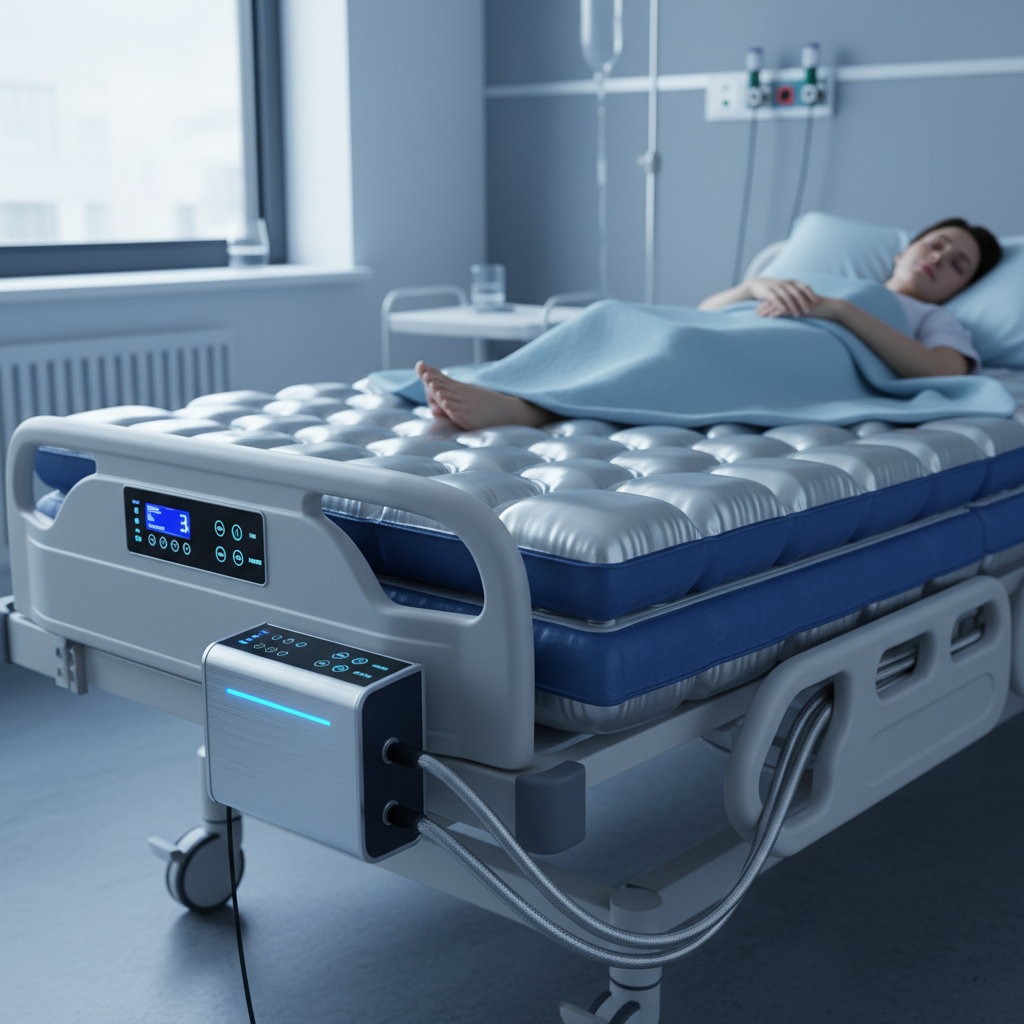
Honestly, hospital bed air mattress for sale… it's been a busy year. You spend enough time crawling around construction sites, breathing in dust, and talking to guys who actually use this stuff, and you start to see things a little differently. A lot of folks think it’s just about getting a comfortable surface, right? But it's way more than that. It's about pressure relief, preventing bedsores, and frankly, keeping people from being miserable when they’re already going through a tough time.
Have you noticed the push for more modular designs lately? Everything's gotta be adaptable, customizable. That’s driven a lot of the innovation in air mattress tech. It used to be, you got what you got. Now, clients want specific pressure ranges, different sizes, even integrated monitoring systems. Makes things complicated, but…that’s the game.
And honestly? There’s a ton of garbage out there. Stuff that looks good on paper, but falls apart after a week on the floor. That's why I spend so much time at the factories, checking materials, watching the welding...It's a pain, but it saves headaches later. You wouldn't believe how many companies try to cut corners with the PVC.
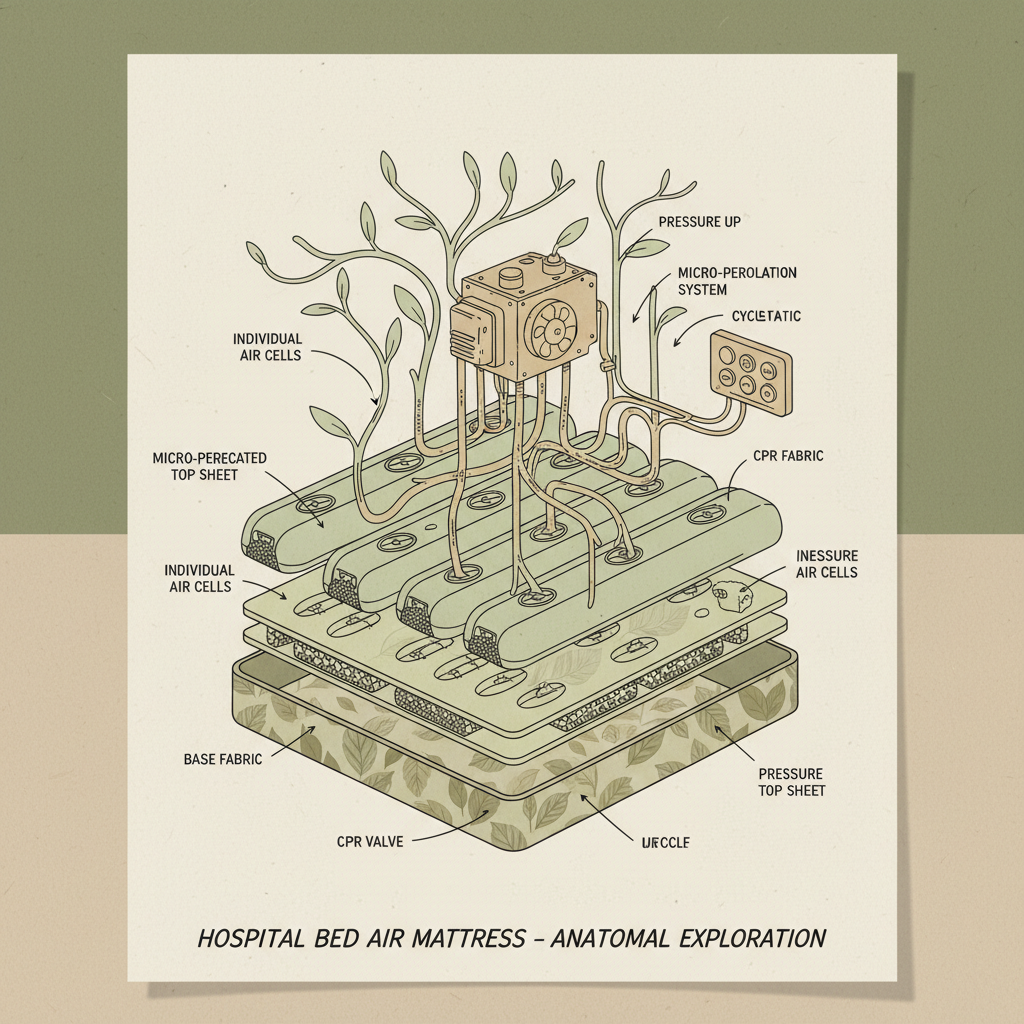
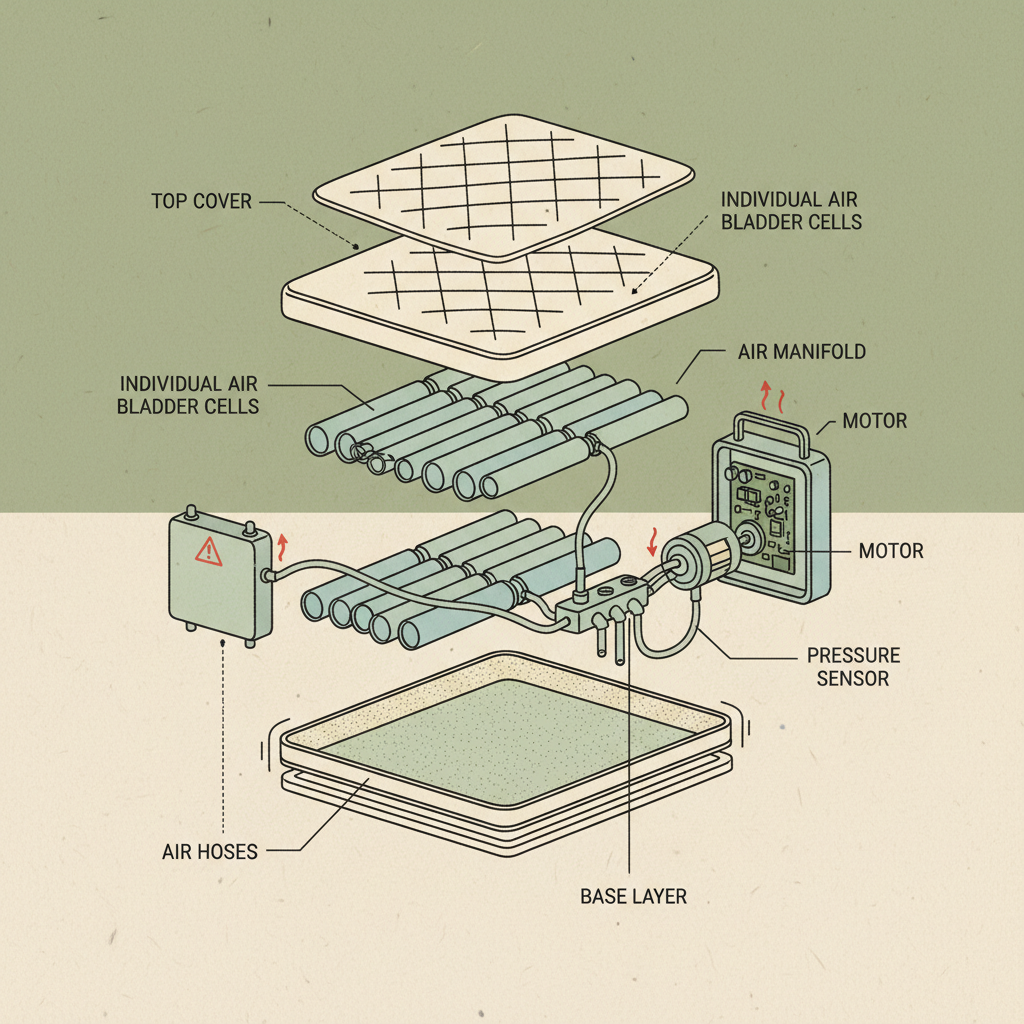
To be honest, the biggest trend I’m seeing is a shift towards preventative care. Hospitals aren’t just buying air mattresses for patients with pressure ulcers; they’re buying them proactively to prevent them. That's driving demand for higher-end models with features like microclimate control and advanced pressure mapping. It's also driving the price up, which is…well, it’s always about the money, isn’t it?
The market's flooded with Chinese imports, and while some are decent, a lot of them are using lower-grade materials that don’t hold up. I encountered this at a factory in Ningbo last time – the seams were literally unraveling after a couple of cycles. It's scary.
That depends a lot on usage and maintenance, but generally, a good quality air mattress should last between 2-5 years in a hospital setting. Heavy use, improper cleaning, and punctures will obviously shorten that lifespan. We recommend regular inspections and prompt repairs to maximize longevity. Don't ignore a slow leak! It'll just get worse.
Not if you choose the right material. Look for a PVC or TPU mattress with a smooth, non-porous surface. You should be able to wipe it down with standard hospital-grade disinfectants without damaging the material. Avoid abrasive cleaners. And always follow the manufacturer's instructions. Trust me, you don’t want to void the warranty.
Most hospital-grade air mattresses offer adjustable pressure ranges, typically from 30 to 180 mmHg. The ideal pressure will vary depending on the patient's weight, medical condition, and individual needs. It's crucial to work with a clinician to determine the appropriate pressure setting. Too much pressure can cause discomfort, while too little pressure won't provide adequate protection.
Foam mattresses can help, but air mattresses offer superior pressure redistribution. They dynamically adjust to the patient's body contours, minimizing pressure points. Foam mattresses can get compressed over time, reducing their effectiveness. Air mattresses also offer more adjustability, allowing clinicians to fine-tune the pressure levels. It’s not an either/or situation, but for high-risk patients, air is generally the better choice.
You want to see certifications like ISO 13485 (for medical device quality management) and compliance with relevant safety standards like IEC 60601-1. Also, make sure the mattress is made from materials that are biocompatible and non-toxic. Don’t skimp on safety. A cheap mattress isn't worth risking a patient's health.
Yes, absolutely. We can often accommodate custom sizes and shapes to fit specific bed frames or patient needs. There’s usually a minimum order quantity for custom designs, and it will add to the lead time and cost, but it’s definitely possible. Last month, that small boss in Shenzhen who makes smart home devices insisted on changing the interface to , and the result was a two-week delay and a lot of headaches. Don’t make unnecessary changes!
Ultimately, hospital bed air mattress for sale is about more than just comfort. It’s about preventing serious medical complications, improving patient outcomes, and reducing the burden on healthcare systems. It’s a deceptively complex product, with a lot of hidden details that can make or break its effectiveness. You need to pay attention to the materials, the design, the testing, and the customization options to get it right.
And honestly? Whether this thing works or not, the worker will know the moment he tightens the screw. That’s the bottom line. Visit our website at www.chuangenmedicals.com to learn more about our range of hospital bed air mattresses and how we can help you improve patient care.