The hospital bed air mattress price is a crucial factor in providing comfortable and safe patient care, impacting healthcare facilities globally. Understanding the nuances of pricing – from material costs and manufacturing processes to features and supplier networks – is essential for hospitals, clinics, and healthcare providers aiming to optimize budgets without compromising patient well-being. This understanding extends beyond simple acquisition costs, encompassing lifecycle expenses like maintenance, repair, and eventual replacement.
The global market for hospital beds and their accessories, including air mattresses, is experiencing sustained growth, driven by an aging population, increasing prevalence of chronic diseases, and rising healthcare expenditure. The hospital bed air mattress price is directly affected by supply chain dynamics, technological advancements in pressure redistribution, and evolving regulatory standards for patient safety. Addressing the need for affordable and effective pressure ulcer prevention is a major driver.
A detailed examination of hospital bed air mattress price also unveils the complexities of balancing cost-effectiveness with clinical efficacy. Different types of air mattresses – static, alternating pressure, and low-air-loss – come with varying price tags, each offering unique benefits for specific patient needs. Hospitals must carefully evaluate these factors to ensure they are providing the most appropriate and financially sound solution for their patient population.
Introduction to hospital bed air mattress price
The hospital bed air mattress price is a vital consideration for healthcare facilities globally, directly impacting patient comfort and safety. These mattresses are designed to prevent pressure ulcers, a common and costly complication for patients with limited mobility. The price reflects not only the materials used but also the level of technology incorporated, such as alternating pressure and low-air-loss systems.
Understanding the various factors that contribute to the hospital bed air mattress price allows healthcare administrators to make informed purchasing decisions. Factors like mattress size, weight capacity, features, and brand reputation all influence the final cost. A thorough assessment of these elements, coupled with an understanding of long-term benefits like reduced healthcare costs associated with pressure ulcer treatment, is critical.
Global Market Dynamics of hospital bed air mattress price
The global market for hospital beds and associated air mattresses is projected to continue its growth trajectory, fueled by an aging global population and the increasing incidence of chronic diseases requiring prolonged hospitalization. This translates into higher demand for advanced pressure redistribution surfaces, influencing the hospital bed air mattress price. Regions with rapidly developing healthcare infrastructure, such as Asia-Pacific and Latin America, are witnessing particularly strong growth.
Supply chain disruptions, raw material costs, and geopolitical factors also play a significant role in shaping the hospital bed air mattress price. Manufacturers are increasingly focusing on optimizing their production processes and sourcing materials strategically to mitigate these risks. The rise of e-commerce and direct-to-consumer sales channels is also impacting pricing strategies.
Competitive pressures within the market force manufacturers to innovate and offer cost-effective solutions. This has led to the development of new materials, improved designs, and more efficient manufacturing techniques, ultimately aiming to provide affordable access to quality pressure ulcer prevention products. The hospital bed air mattress price is thus a dynamic variable, sensitive to various global and regional influences.
Defining hospital bed air mattress price
The hospital bed air mattress price isn’t simply the sticker price. It encompasses the total cost of ownership, including the initial purchase, installation, maintenance, repair, and eventual replacement. A low initial hospital bed air mattress price can sometimes be offset by higher maintenance costs or a shorter lifespan, making a thorough cost-benefit analysis essential.
Essentially, the hospital bed air mattress price reflects the value proposition – the balance between cost, functionality, durability, and clinical effectiveness. This value is defined by the specific needs of the healthcare facility and the patient population it serves. A hospital specializing in long-term care, for example, might prioritize durability and advanced pressure redistribution features, justifying a higher initial investment.
The hospital bed air mattress price also needs to be considered within the context of healthcare reimbursement policies. In some regions, hospitals can recoup costs associated with pressure ulcer prevention strategies, making investment in high-quality air mattresses financially viable. Therefore, understanding the regulatory landscape is integral to evaluating the true cost-effectiveness.
Key Factors Influencing hospital bed air mattress price
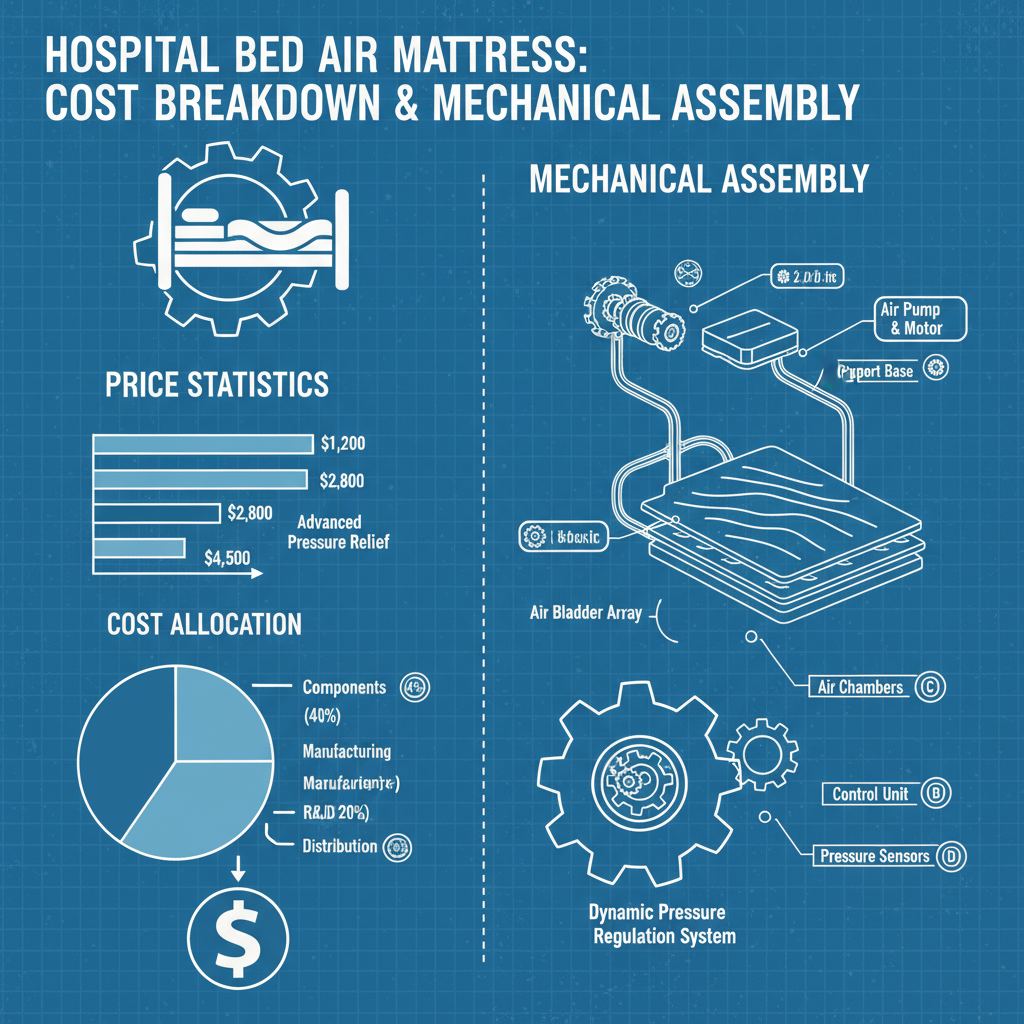
Several core components directly impact the hospital bed air mattress price. The type of air mattress (static, alternating pressure, low-air-loss) is a primary driver, with advanced systems typically commanding a higher price. The quality of materials used – including the air cell construction, cover material, and pump components – also significantly influences cost.
Manufacturing complexity and brand reputation contribute to the hospital bed air mattress price. Mattresses manufactured with advanced technologies, such as micro-climate control or specialized pressure mapping, are generally more expensive. Established brands with a proven track record of quality and reliability often charge a premium.
Comparison of hospital bed air mattress price by Type
Global Applications of hospital bed air mattresses
Hospital bed air mattresses are utilized in a wide range of healthcare settings globally. These include acute care hospitals, long-term care facilities, rehabilitation centers, and even home healthcare environments. In post-disaster relief operations, air mattresses are crucial for providing comfortable and hygienic bedding for injured individuals.
In remote industrial zones, where access to quality healthcare is limited, portable air mattresses can be used to create temporary patient care areas. Developed countries like the United States and Canada employ these mattresses extensively in their sophisticated healthcare systems, prioritizing pressure ulcer prevention. Emerging economies are increasingly adopting air mattress technology to improve patient outcomes and reduce healthcare costs.
Advantages and Value Proposition of hospital bed air mattresses
The advantages of using hospital bed air mattresses extend beyond simple patient comfort. They significantly reduce the risk of pressure ulcers, which can lead to prolonged hospital stays, increased treatment costs, and reduced quality of life. These mattresses also promote better circulation and reduce shear forces, contributing to faster healing and recovery.
From a financial perspective, the long-term value of investing in quality air mattresses is substantial. Preventing pressure ulcers translates into lower healthcare expenses, reduced liability risk, and improved patient satisfaction. Furthermore, modern air mattresses often feature advanced technologies that enhance patient safety and facilitate efficient care delivery.
Future Trends in hospital bed air mattress price
The future of hospital bed air mattress price will be shaped by several emerging trends. The integration of smart technologies, such as sensors and data analytics, will allow for real-time pressure monitoring and personalized pressure redistribution. This will lead to more effective pressure ulcer prevention and potentially lower healthcare costs.
The development of antimicrobial materials and improved cleaning protocols will enhance infection control and hygiene. Sustainable manufacturing practices and the use of eco-friendly materials will also become increasingly important, responding to growing environmental concerns. Advances in materials science will likely result in more durable and cost-effective air mattresses.
The rise of telehealth and remote patient monitoring will drive the demand for portable and easily deployable air mattress solutions, enabling effective pressure ulcer prevention in home healthcare settings. These innovations will ultimately impact the hospital bed air mattress price, potentially making advanced technology more accessible.
Summary of Factors Affecting Hospital Bed Air Mattress Price
| Mattress Type |
Material Quality |
Technological Features |
Brand & Manufacturing Location |
| Static |
Standard Vinyl |
Basic Air Cells |
Generic Manufacturer (China) |
| Alternating Pressure |
Durable Nylon |
Microprocessor Control |
Established US Brand |
| Low-Air-Loss |
Breathable PU |
Perforated Surface |
European Manufacturer |
| Hybrid |
Premium Vinyl/Nylon Blend |
Multiple Modes |
Canadian Manufacturer |
| Specialty (Bariatric) |
Reinforced Materials |
High-Capacity Pump |
Specialized Supplier |
| Static |
Basic PVC |
Simple Inflation |
Budget-Friendly Option |
FAQS
The hospital bed air mattress price is most impacted by the type of mattress (static, alternating pressure, low-air-loss), the quality of materials used, the inclusion of advanced technological features like sensors and microprocessors, and the brand reputation of the manufacturer. Production location and shipping costs also contribute to the final price. A more durable, feature-rich mattress from a well-known brand will generally have a higher price tag.
Static air mattresses are generally the least expensive, as they offer basic pressure redistribution. Alternating pressure air mattresses, which cycle through different air cell inflations, are more costly due to their increased complexity. Low-air-loss mattresses, designed for patients at high risk of pressure ulcers, are the most expensive due to their specialized features and materials. Hybrid models combining features also command a higher price.
The average lifespan of a hospital bed air mattress typically ranges from 3 to 5 years, depending on the quality of materials, usage frequency, and maintenance practices. Higher-quality mattresses with durable materials and regular cleaning are likely to last longer. Replacement parts, such as pumps and control panels, may also be available to extend the lifespan of the mattress.
Prioritize a thorough needs assessment to determine the appropriate type of air mattress for your patient population. Compare prices from multiple suppliers, considering not just the initial cost but also the long-term costs of maintenance and repair. Look for mattresses with warranties and positive customer reviews. Consider lifecycle cost analysis to determine total value, rather than focusing solely on the initial hospital bed air mattress price.
While traditional air mattresses offer excellent pressure redistribution, some facilities explore alternatives like foam overlays or specialized repositioning protocols. These options may be less expensive upfront, but they often require more frequent monitoring and manual adjustments. A thorough risk assessment should be conducted to determine the most appropriate and cost-effective solution.
Regular maintenance is crucial for extending the lifespan and ensuring the proper functioning of a hospital bed air mattress. This includes routine cleaning of the cover, inspection for leaks or damage, and proper storage when not in use. Following the manufacturer’s instructions for maintenance is essential. Regular preventative maintenance can significantly reduce the risk of costly repairs or replacements.
Conclusion
In conclusion, the hospital bed air mattress price is a multifaceted consideration for healthcare providers. Understanding the interplay between mattress type, material quality, technological features, and long-term costs is paramount for making informed purchasing decisions. Investing in quality air mattresses is not merely an expense, but rather a strategic investment in patient safety, comfort, and overall healthcare outcomes.
Looking ahead, innovation in materials science and smart technology promises to further enhance the value proposition of hospital bed air mattresses. By embracing these advancements and prioritizing preventative care, healthcare facilities can optimize their budgets, reduce healthcare-associated costs, and ultimately improve the quality of life for their patients. Visit our website at hospital bed air mattress price to learn more.