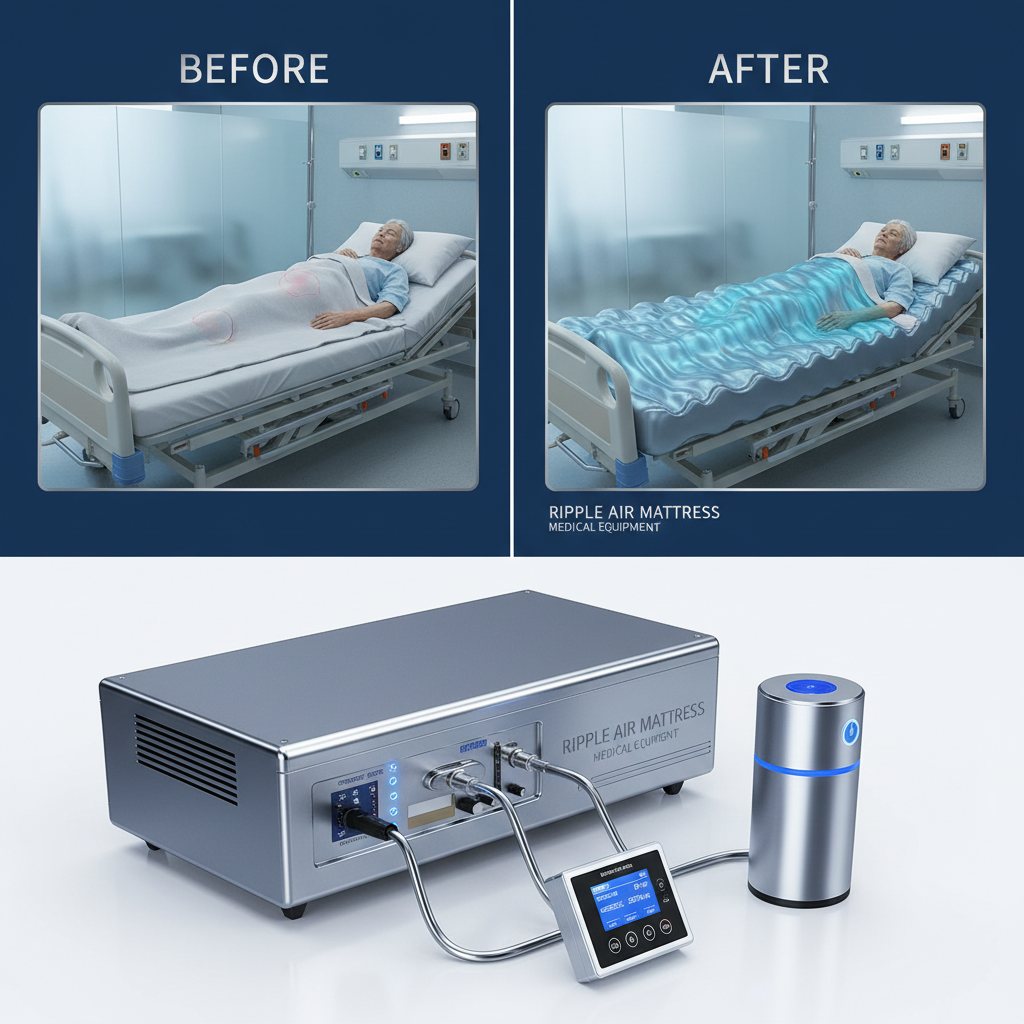
Medical air beds, crucial in healthcare settings and emergency response, represent a significant investment. Understanding the nuances of medical air bed price is paramount for hospitals, clinics, and disaster relief organizations aiming to provide optimal patient care while managing budgets effectively. The price range varies considerably based on features, materials, and intended usage, making informed decision-making essential.
The global market for medical air beds is experiencing steady growth, driven by an aging population, increasing prevalence of chronic diseases requiring extended care, and heightened awareness of pressure ulcer prevention. According to reports, the medical air bed market is projected to reach substantial figures in the coming years, highlighting the increasing demand. This demand is particularly acute in regions with limited access to traditional healthcare infrastructure, where portable and adaptable solutions like medical air beds are vital.
Navigating the complexities of medical air bed price requires considering factors beyond the initial cost. Durability, maintenance requirements, patient comfort, and infection control capabilities all contribute to the overall value proposition. Choosing a reliable supplier with a proven track record and comprehensive after-sales support is equally important, ultimately impacting the long-term cost-effectiveness and patient outcomes.
Understanding Medical Air Bed Price
The term “medical air bed price” isn't simply a monetary value; it encompasses the total cost of ownership, including initial purchase, maintenance, repairs, and potential replacement. A lower upfront medical air bed price might be tempting, but a product with a shorter lifespan or higher maintenance costs could ultimately prove more expensive.
Factors such as the air bed's construction materials, weight capacity, features like pressure regulation and cycle time, and the manufacturer’s reputation all play a role in determining its price and overall value. Furthermore, regional variations in shipping costs, import duties, and local market competition can also significantly impact the final medical air bed price.
Defining Medical Air Bed Price
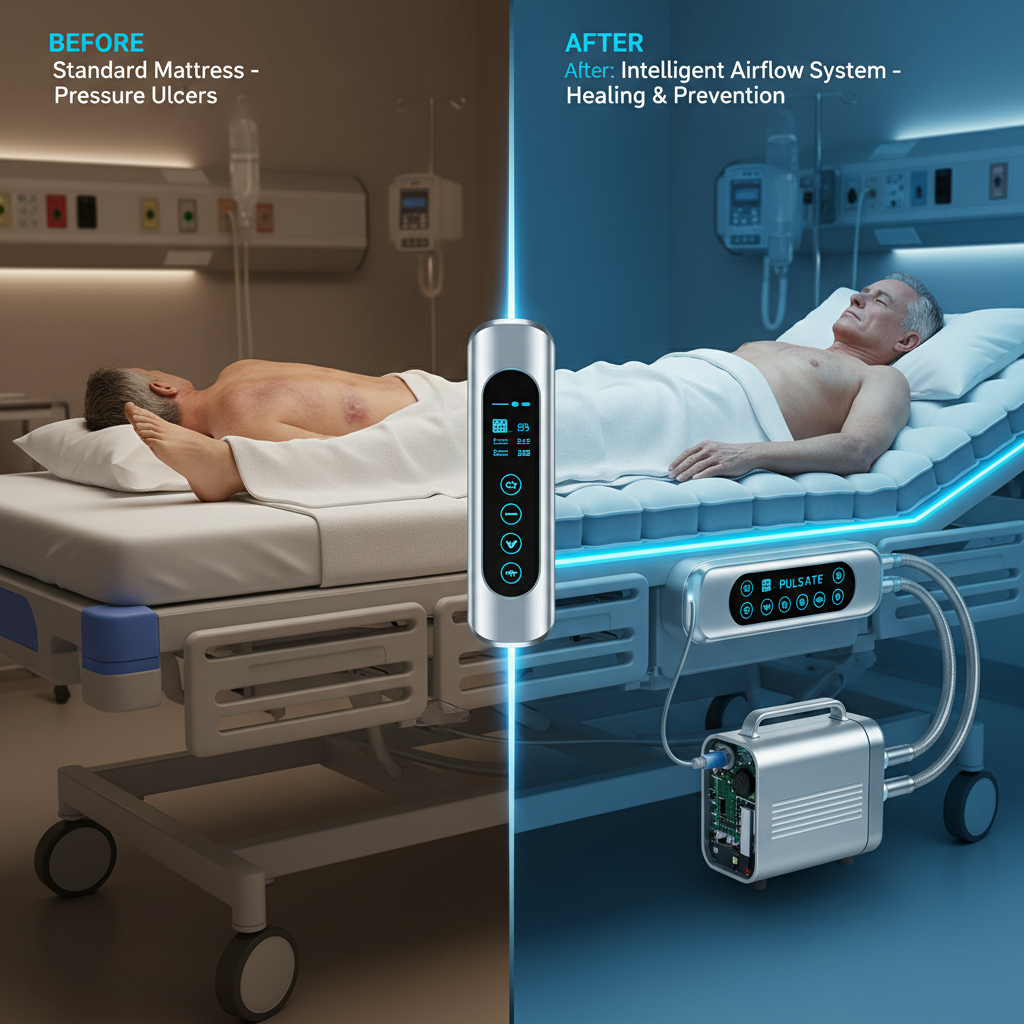
Medical air bed price refers to the cost associated with acquiring an alternating pressure mattress designed to prevent and treat pressure ulcers (bedsores). These beds utilize inflatable air cells that cyclically inflate and deflate, redistributing the patient's weight and reducing prolonged pressure on vulnerable areas. The medical air bed price range can vary greatly depending on the sophistication of the technology and the features offered.
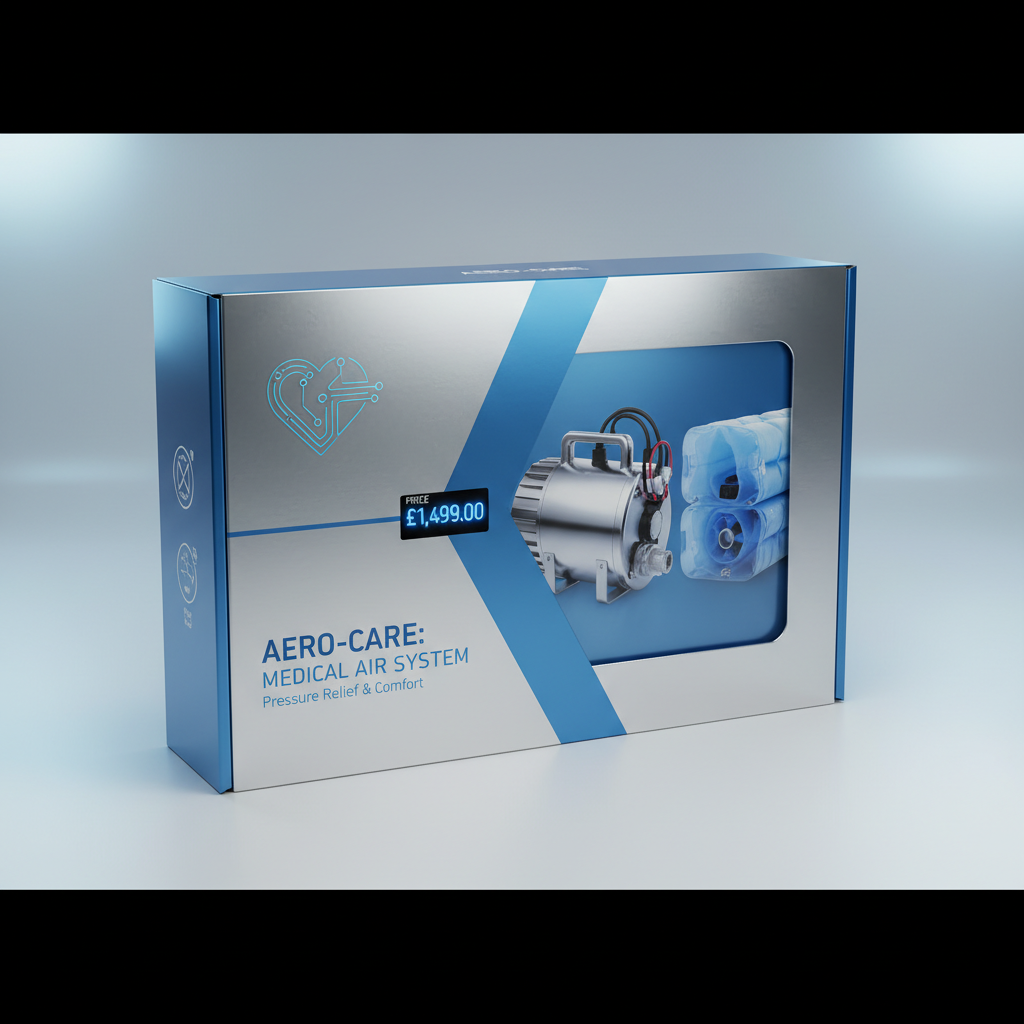
Beyond the basic mattress, the price may include accessories like pumps, covers, and repair kits. Higher-end models often incorporate features like adjustable pressure levels, low-air-loss technology for enhanced moisture management, and integrated alarms for safety. Understanding the different types of medical air beds and their corresponding price points is essential for selecting the most appropriate solution for specific patient needs.
In essence, the medical air bed price is a reflection of the engineering, materials, and functionalities incorporated into the product, all geared toward improving patient care and reducing healthcare costs associated with pressure ulcer management.
Key Factors Influencing Medical Air Bed Price
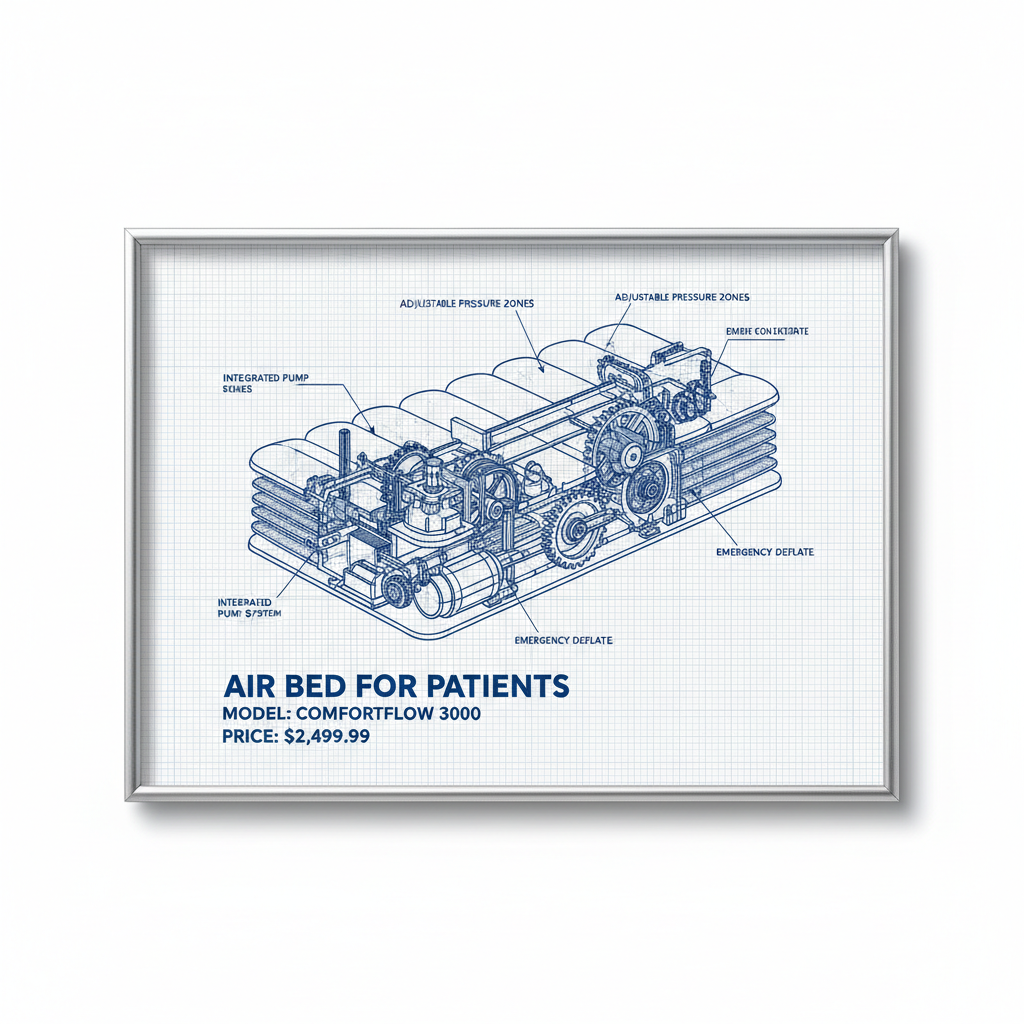
Several critical factors determine the medical air bed price. Material quality is a primary driver; beds constructed from durable, medical-grade materials like polyurethane or PVC command a higher price due to their longevity and resistance to tearing and infection. The complexity of the air cell system also impacts the cost; more sophisticated systems with multiple zones and adjustable pressure levels are typically more expensive.
The pump's features, such as noise level, cycle time, and digital controls, contribute significantly to the overall medical air bed price. Furthermore, brand reputation and warranty terms can also influence the price, with established brands offering greater assurance of quality and after-sales support. The inclusion of features like CPR valves for quick deflation in emergency situations also adds to the cost.
Manufacturing location and economies of scale also play a role. Beds manufactured in countries with lower labor costs may be offered at a lower medical air bed price, but it’s crucial to assess the quality and reliability of these products. Certifications, like ISO 13485 for medical device quality management systems, can provide assurance of adherence to stringent standards.
Global Applications and Use Cases
Medical air beds are deployed across a wide range of healthcare settings globally. In hospitals, they are indispensable for patients at high risk of developing pressure ulcers, including those undergoing long-term hospitalization, intensive care, or rehabilitation. Nursing homes and long-term care facilities extensively utilize these beds to improve patient comfort and prevent complications.
In remote or underserved regions with limited access to specialized medical equipment, portable medical air beds offer a crucial solution for providing pressure ulcer prevention and treatment. Disaster relief operations frequently employ these beds to support injured individuals and vulnerable populations. Organizations like the Red Cross and Doctors Without Borders rely on readily deployable medical air beds to address urgent healthcare needs.
Furthermore, medical air beds find application in home healthcare settings, allowing patients to receive ongoing care in the comfort of their own homes. The demand for medical air bed price is increasing in countries with growing aging populations and a rising prevalence of chronic illnesses.
Medical Air Bed Price Comparison by Feature
Advantages and Long-Term Value
Investing in a quality medical air bed offers significant long-term benefits. Preventing pressure ulcers not only improves patient comfort and quality of life but also drastically reduces healthcare costs associated with treating these complications. These costs can include prolonged hospital stays, surgical interventions, and wound care management.
The enhanced patient care and reduced risk of complications contribute to increased patient satisfaction and a positive reputation for healthcare providers. Furthermore, durable and reliable medical air beds minimize the need for frequent replacements, offering a cost-effective solution over the long run. Choosing a bed that prioritizes infection control features also contributes to a safer healthcare environment.
Future Trends and Innovations
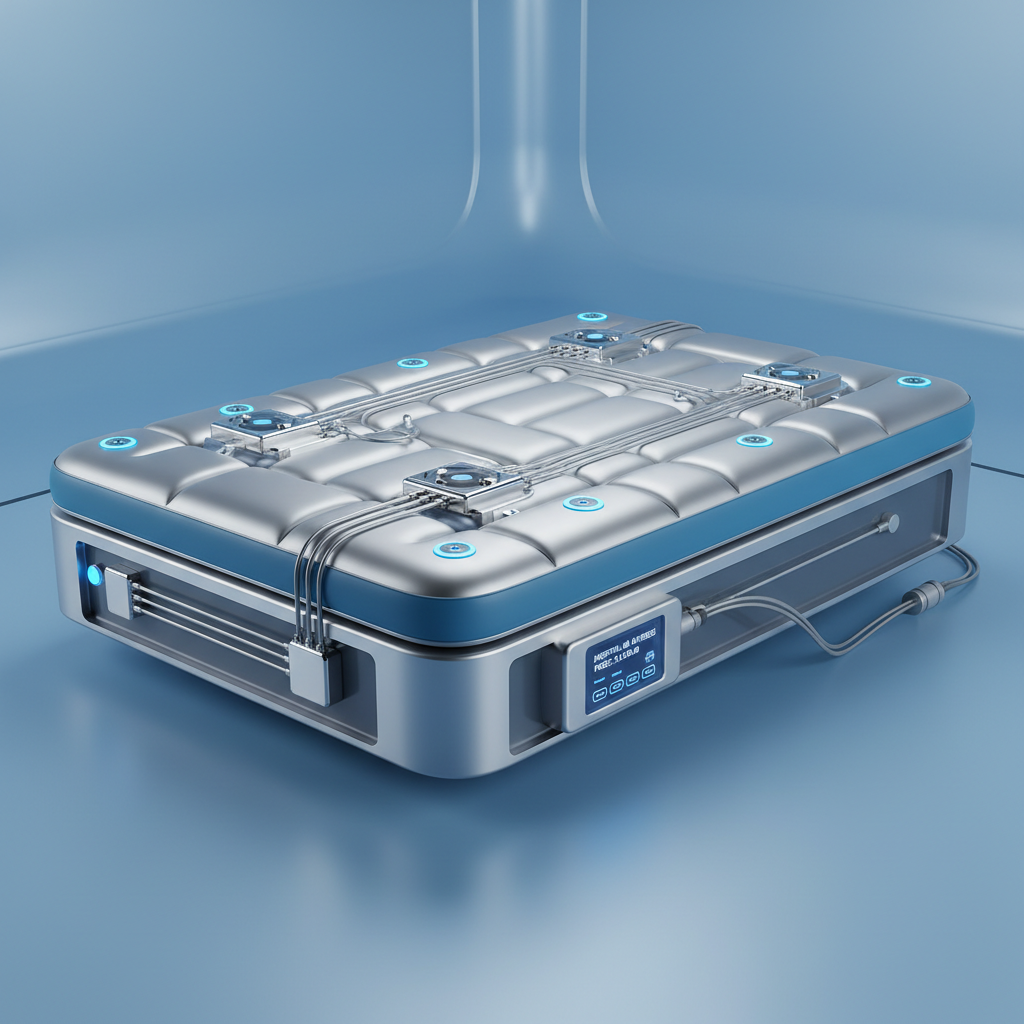
The future of medical air beds is poised for innovation. Integration with smart technologies, such as sensors that monitor patient movement and automatically adjust pressure levels, is gaining traction. Development of breathable mattress materials that enhance air circulation and reduce moisture buildup is another key area of focus.
Sustainable materials and manufacturing processes are also becoming increasingly important, driven by growing environmental concerns. The use of antimicrobial coatings and advanced disinfection technologies will further enhance infection control capabilities. Telehealth integration, allowing remote monitoring and adjustments of air bed settings, is expected to expand in the coming years.
Challenges and Solutions in Medical Air Bed Price
A major challenge in the medical air bed market is balancing affordability with quality. Hospitals and healthcare facilities often face budgetary constraints, making it difficult to invest in high-end models. This necessitates exploring cost-effective alternatives without compromising patient safety or effectiveness.
Another challenge is ensuring proper staff training on the operation and maintenance of medical air beds. Inadequate training can lead to improper usage, increased risk of complications, and shortened bed lifespan. Implementing comprehensive training programs and providing readily accessible resources can mitigate this issue.
Finally, ensuring interoperability with existing hospital systems and electronic health records can be complex. Adopting open standards and collaborating with technology vendors can streamline integration and improve data management.
Core Comparison of Medical Air Bed Attributes and Pricing
| Bed Type |
Pressure Regulation |
Material Durability (1-10) |
Estimated Price Range (USD) |
| Static Air Bed |
Fixed |
6 |
$200 - $400 |
| Alternating Pressure Bed |
Cyclic |
7 |
$400 - $700 |
| Low Air Loss Bed |
Adjustable |
8 |
$800 - $1200 |
| Hybrid Air Bed |
Dynamic |
9 |
$1200 - $1800 |
| Microclimate Air Bed |
Precise Control |
10 |
$1800 - $2500 |
| Bariatric Air Bed |
Reinforced |
8 |
$600 - $1500 |
FAQS
The primary factors influencing the medical air bed price include the type of air bed (static, alternating, low air loss), the quality of materials used, the sophistication of the pump and control system, brand reputation, and any additional features like integrated scales or alarms. Bariatric models, designed for higher weight capacities, often command a higher price.
A longer lifespan reduces the total cost of ownership, even if the initial medical air bed price is higher. Durable materials, robust construction, and a reliable pump contribute to longevity. Regular maintenance and proper usage also extend the bed's lifespan, minimizing the need for premature replacement.
More expensive models often offer advanced features like precise pressure control, low air loss technology for improved skin health, and enhanced patient comfort. They typically utilize higher-quality materials, resulting in greater durability and a longer lifespan. Ultimately, these benefits can lead to reduced healthcare costs associated with pressure ulcer treatment and improved patient outcomes.
Yes, potential hidden costs include ongoing maintenance, repair services, replacement parts (like pump filters or mattress covers), and electricity consumption. Some models may require specialized training for staff, adding to the overall expense. It’s important to factor these costs into the total cost of ownership when evaluating medical air bed price.
Warranty periods vary depending on the manufacturer and model. Standard warranties typically cover defects in materials and workmanship for a period of one to three years. Some manufacturers offer extended warranties for an additional fee. A comprehensive warranty provides peace of mind and protects against unexpected repair costs.
Assess the patient's risk level for pressure ulcers, their weight and mobility, and any specific medical conditions. Consider the healthcare setting (hospital, nursing home, home care) and the available resources for maintenance and training. Consult with healthcare professionals and compare different models based on features, price, and warranty.
Conclusion
In conclusion, understanding the complexities of medical air bed price is crucial for healthcare providers aiming to deliver optimal patient care while managing budgets effectively. Factors ranging from material quality and features to brand reputation and ongoing maintenance all contribute to the overall value proposition. Investing in a quality medical air bed not only enhances patient comfort and prevents complications but also reduces long-term healthcare costs.
As technology continues to advance, we can expect to see even more innovative features and improved performance in medical air beds. Embracing these advancements and prioritizing patient safety and well-being will be key to shaping the future of pressure ulcer prevention and treatment. For competitive medical air bed price and expert guidance, visit our website today!