0%

Table of Contents

The world is facing an aging population and a rise in chronic illnesses, significantly increasing the risk of pressure injuries – commonly known as bedsores. These injuries not only cause immense pain and suffering but also lead to prolonged hospital stays, increased healthcare costs, and a diminished quality of life. Effective prevention through specialized equipment like an anti pressure sore cushion is crucial in mitigating these challenges and promoting patient well-being. Understanding the nuances of pressure injury prevention is no longer just a clinical necessity, but a humanitarian imperative.

The global market for pressure injury prevention products, including the anti pressure sore cushion, is experiencing substantial growth, driven by rising awareness, advanced materials, and innovative designs. Healthcare institutions, long-term care facilities, and even home healthcare providers are increasingly prioritizing preventative measures to reduce the incidence of these debilitating wounds. Standards set by organizations like ISO 13485 emphasize the importance of quality and safety in medical device manufacturing, influencing the development and adoption of superior anti pressure sore cushion technologies.

Investing in high-quality anti pressure sore cushion solutions translates to significant cost savings in the long run by minimizing the need for complex wound care, reducing infection rates, and shortening hospital stays. Beyond the economic benefits, providing effective pressure injury prevention demonstrates a commitment to compassionate care and enhances the dignity of patients. It’s about proactive healthcare that prioritizes prevention over reactive treatment.

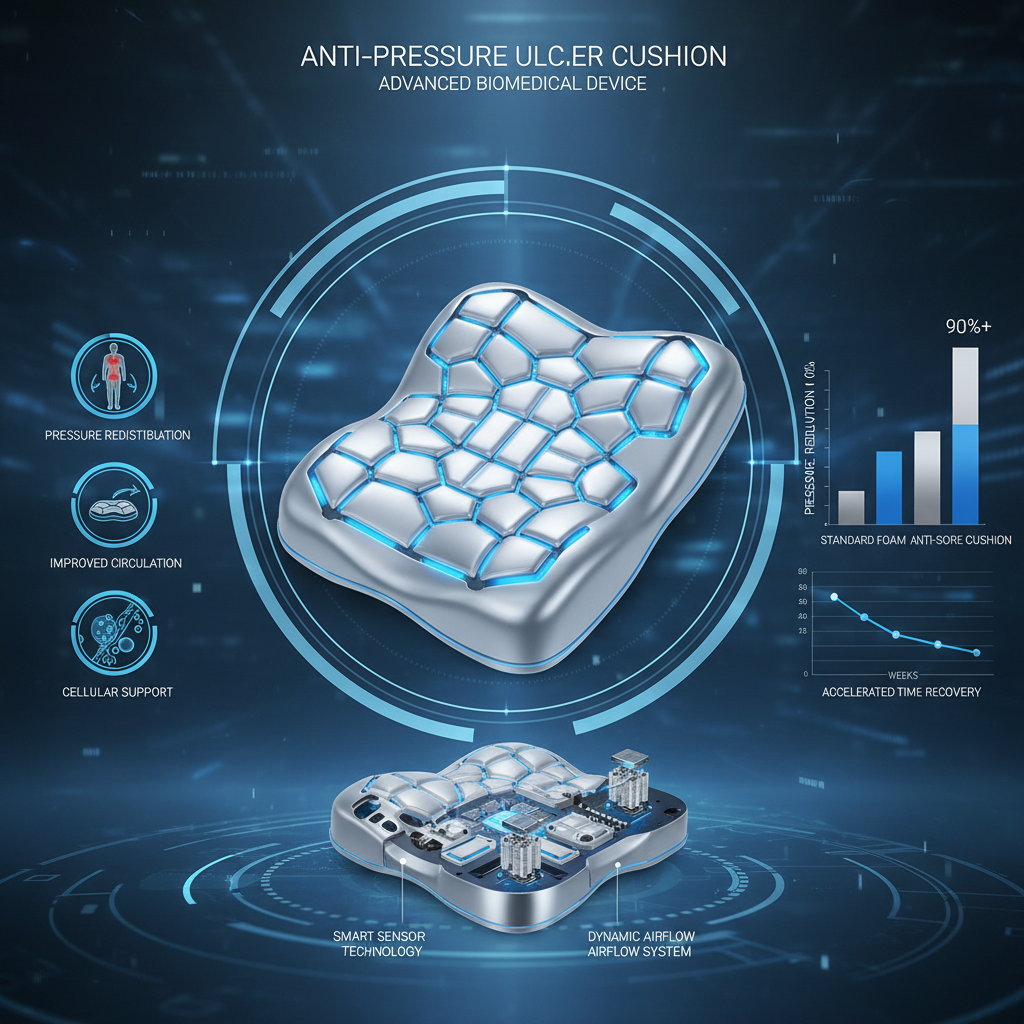
Advanced Anti Pressure Sore Cushion Solutions for Enhanced Patient Wellbeing

Key Factors Influencing Anti Pressure Sore Cushion Effectiveness

Advanced Anti Pressure Sore Cushion Solutions for Enhanced Patient Wellbeing

The effectiveness of an anti pressure sore cushion is determined by a complex interplay of factors. Firstly, pressure redistribution is paramount – the cushion must effectively disperse weight and minimize localized pressure points. This is achieved through material properties and design. Secondly, the cushion's ability to manage microclimate (temperature and moisture) plays a crucial role, as excessive heat and humidity can exacerbate skin breakdown.

Furthermore, the individual needs of the patient must be considered. Factors such as weight, body shape, activity level, and existing medical conditions all influence the optimal cushion choice. A one-size-fits-all approach is rarely effective, and a thorough assessment is essential to ensure the cushion provides adequate protection and comfort. Finally, regular inspection and maintenance of the anti pressure sore cushion is vital to ensure its continued performance and prevent damage.

The Science Behind Anti Pressure Sore Cushion Design

The design of an effective anti pressure sore cushion relies heavily on principles of biomechanics and fluid dynamics. Pressure mapping technology is used extensively to identify areas of high pressure and to evaluate the performance of different cushion designs. Finite element analysis (FEA) allows engineers to simulate stress distribution and optimize the cushion's shape and material composition.

Key design considerations include cell size and arrangement (for air-filled cushions), foam density and resilience (for foam cushions), and the incorporation of shear reduction features. The goal is to create a surface that conforms to the patient's body contours while simultaneously minimizing pressure gradients and promoting airflow. The selection of materials that offer both support and comfort is critical for optimal patient outcomes.

The cushion’s ability to respond dynamically to patient movement is also important. A cushion that doesn't adjust to shifts in weight and position can create new pressure points and negate its preventative benefits. Modern designs increasingly incorporate zoned support systems to address varying pressure needs across different body regions.

Materials and Manufacturing of Anti Pressure Sore Cushions

A wide range of materials are used in the manufacturing of anti pressure sore cushions, each with its own unique properties and advantages. Foam cushions commonly utilize polyurethane foam, varying in density and cell structure to provide different levels of support and comfort. Gel cushions offer excellent pressure redistribution but can be heavier and less breathable. Air-filled cushions provide dynamic pressure adjustment and are often used for patients at high risk.

The manufacturing process involves precision cutting, molding, and assembly. Quality control is paramount, with rigorous testing to ensure that the cushion meets specified performance standards. Cover materials also play a crucial role, requiring properties such as moisture permeability, durability, and ease of cleaning. Advances in material science are leading to the development of new and improved materials that offer enhanced pressure redistribution, shear reduction, and microclimate management.

Sustainability is becoming increasingly important in material selection and manufacturing processes. Manufacturers are exploring the use of recycled materials and eco-friendly production techniques to minimize the environmental impact of anti pressure sore cushion production. This aligns with growing demand for environmentally responsible healthcare products.

Performance Metrics and Testing for Anti Pressure Sore Cushions

Evaluating the performance of an anti pressure sore cushion requires standardized testing protocols. Pressure mapping is used to measure the distribution of pressure across the cushion surface under simulated loading conditions. Shear testing assesses the cushion's ability to minimize friction forces between the patient and the support surface.

Resilience testing measures the cushion's ability to recover its original shape after being compressed. Durability testing evaluates the cushion’s resistance to wear and tear over time. Compliance with industry standards, such as those established by ISO and ASTM, ensures that cushions meet minimum performance requirements.

Anti Pressure Sore Cushion Performance Comparison


Global Applications of Anti Pressure Sore Cushions

Anti pressure sore cushions are utilized across a broad spectrum of healthcare settings worldwide. Hospitals and long-term care facilities rely heavily on these cushions to prevent pressure injuries in immobile or bedridden patients. Home healthcare providers employ them to support patients receiving care in their own homes.

In post-disaster relief operations, anti pressure sore cushions are crucial for providing comfort and preventing complications for individuals with limited mobility. Furthermore, they are increasingly used in wheelchair seating to protect individuals with spinal cord injuries or other disabilities. Different regions may prioritize specific cushion types based on local healthcare infrastructure and patient demographics.

Advantages of Using a High-Quality Anti Pressure Sore Cushion

Investing in a high-quality anti pressure sore cushion offers a multitude of benefits. Primarily, it drastically reduces the risk of pressure injury development, preventing pain, suffering, and potential complications like infections. This translates to fewer hospital readmissions and lower overall healthcare costs.

Beyond the clinical benefits, a good cushion enhances patient comfort and dignity, promoting a sense of well-being. High-quality cushions are often more durable and require less frequent replacement, offering long-term cost savings. Furthermore, choosing a reputable brand ensures adherence to safety standards and reliable performance.

Future Trends in Anti Pressure Sore Cushion Technology

The field of anti pressure sore cushion technology is continuously evolving. Smart cushions equipped with sensors and data analytics are emerging, allowing for real-time monitoring of pressure distribution and automated adjustments to optimize support. These cushions can provide alerts when pressure levels exceed safe thresholds, enabling proactive intervention.

Research into advanced materials, such as shape-memory polymers and self-ventilating foams, is leading to the development of cushions with superior pressure redistribution and microclimate management properties. Personalized cushion designs, tailored to individual patient anatomy and risk factors, are also gaining traction.

Furthermore, the integration of artificial intelligence (AI) and machine learning (ML) is paving the way for predictive algorithms that can identify patients at high risk of developing pressure injuries and recommend appropriate preventative measures, including the use of specialized anti pressure sore cushions.

FAQS

How often should an anti pressure sore cushion be replaced?

The lifespan of an anti pressure sore cushion depends on several factors, including usage frequency, patient weight, and material quality. Generally, cushions should be inspected regularly for signs of wear and tear, such as cracks, tears, or compression. A good rule of thumb is to replace foam cushions every 6-12 months and air-filled cushions every 1-2 years, or as recommended by the manufacturer. Consistent assessment is key.

What is the best type of anti pressure sore cushion for a bedridden patient?

For bedridden patients, a combination of cushions and alternating pressure mattresses is often the most effective approach. If a cushion is used alone, a high-density foam or gel cushion with a pressure-redistributing surface is recommended. Air-filled cushions with continuous lateral rotation can also be beneficial. The best choice will depend on the individual patient’s risk factors and clinical needs. It’s crucial to consult a healthcare professional for guidance.

Are anti pressure sore cushions covered by insurance?

Coverage for anti pressure sore cushions varies depending on your insurance plan and the medical necessity of the cushion. Generally, cushions prescribed by a healthcare professional and deemed medically necessary for preventing or treating pressure injuries are more likely to be covered. It is best to check with your insurance provider for specific coverage details and pre-authorization requirements.

How do I clean and maintain my anti pressure sore cushion?

Regular cleaning and maintenance are essential for maintaining the effectiveness and hygiene of your anti pressure sore cushion. Follow the manufacturer's instructions for cleaning, as different materials require different care. Generally, the cushion cover can be removed and machine washed. The cushion itself should be wiped down with a mild disinfectant solution. Inspect regularly for damage.

What features should I look for when choosing an anti pressure sore cushion?

When selecting an anti pressure sore cushion, consider factors like pressure redistribution capabilities, shear reduction features, microclimate management, weight capacity, and durability. Look for cushions that are made from high-quality materials and meet relevant industry standards. Ensure the cushion is appropriate for the patient’s individual needs and risk factors.

Can anti pressure sore cushions be used preventatively?

Absolutely! Anti pressure sore cushions are most effective when used preventatively, especially for individuals at high risk of developing pressure injuries. This includes those with limited mobility, chronic illnesses, or fragile skin. Implementing preventative measures like using a cushion, regular repositioning, and maintaining good skin hygiene can significantly reduce the incidence of pressure injuries.

Conclusion

In conclusion, the strategic implementation of anti pressure sore cushion technology is critical in mitigating the global challenge of pressure injuries. From advanced material science and innovative design to personalized solutions and proactive monitoring, the field continues to evolve, offering increasingly effective methods for preventing these debilitating wounds and enhancing patient well-being. Investing in quality cushions represents a commitment to compassionate care and improved healthcare outcomes.

Looking ahead, continued research and development are crucial to refine existing technologies and explore new approaches. Promoting awareness among healthcare professionals and patients, alongside ensuring equitable access to these preventative tools, will be paramount in reducing the prevalence of pressure injuries and improving the quality of life for vulnerable individuals. Visit our website at www.chuangenmedicals.com to learn more.
David Miller

David Miller

David Miller is a Senior Welding Engineer at Shijiazhuang Chuangen Technology Co., Ltd., with over 8 years of experience in precision welding techniques. He joined Chuangen in 2021, quickly becoming a key contributor to optimizing our production processes for electric wheelchair frames and walker structures. David’s expertise lies in robotic
Previous Advanced Anti Pressure Sore Mattress Solutions for Enhanced Patient Care
Next Comprehensive Guide to Anti Bedsore Cushions for Pressure Ulcer Prevention

Leave Your Message

If you are interested in our products, you can choose to leave your information here, and we will be in touch with you shortly.