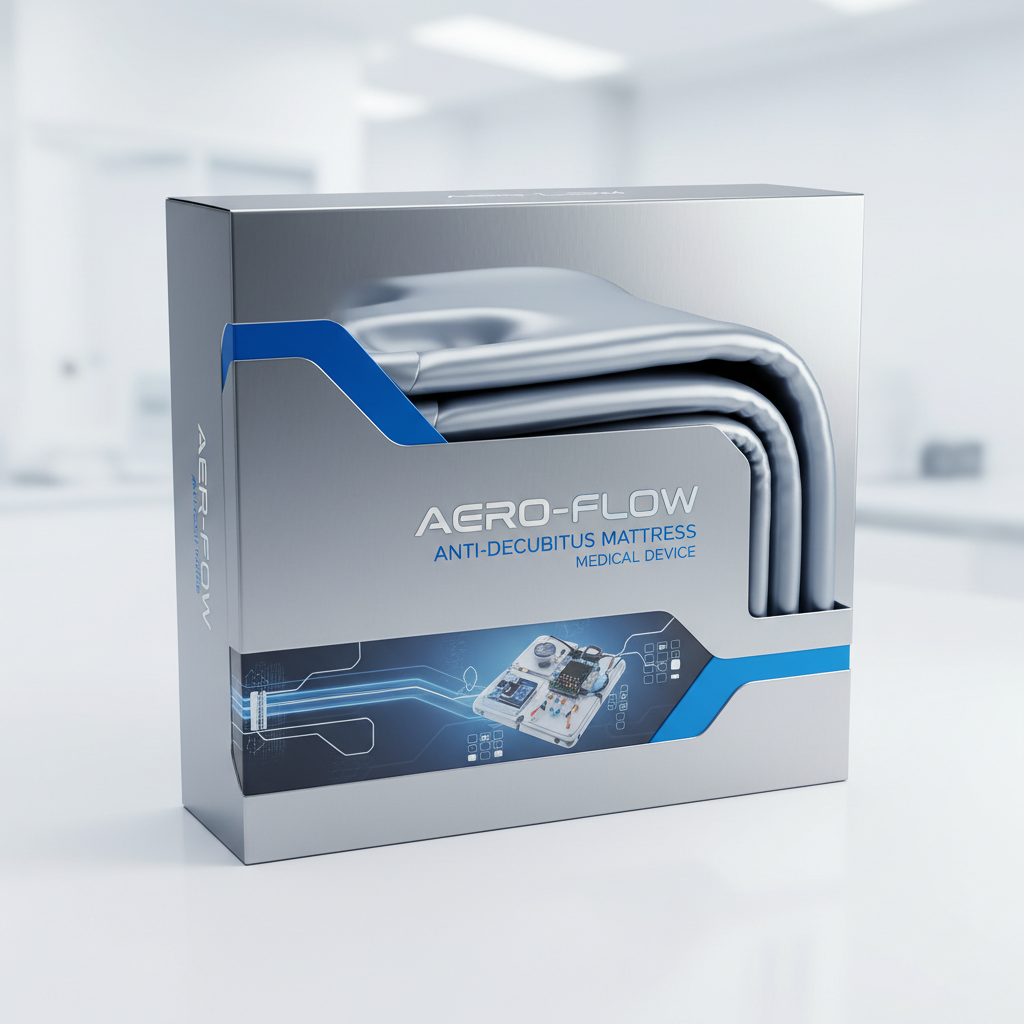
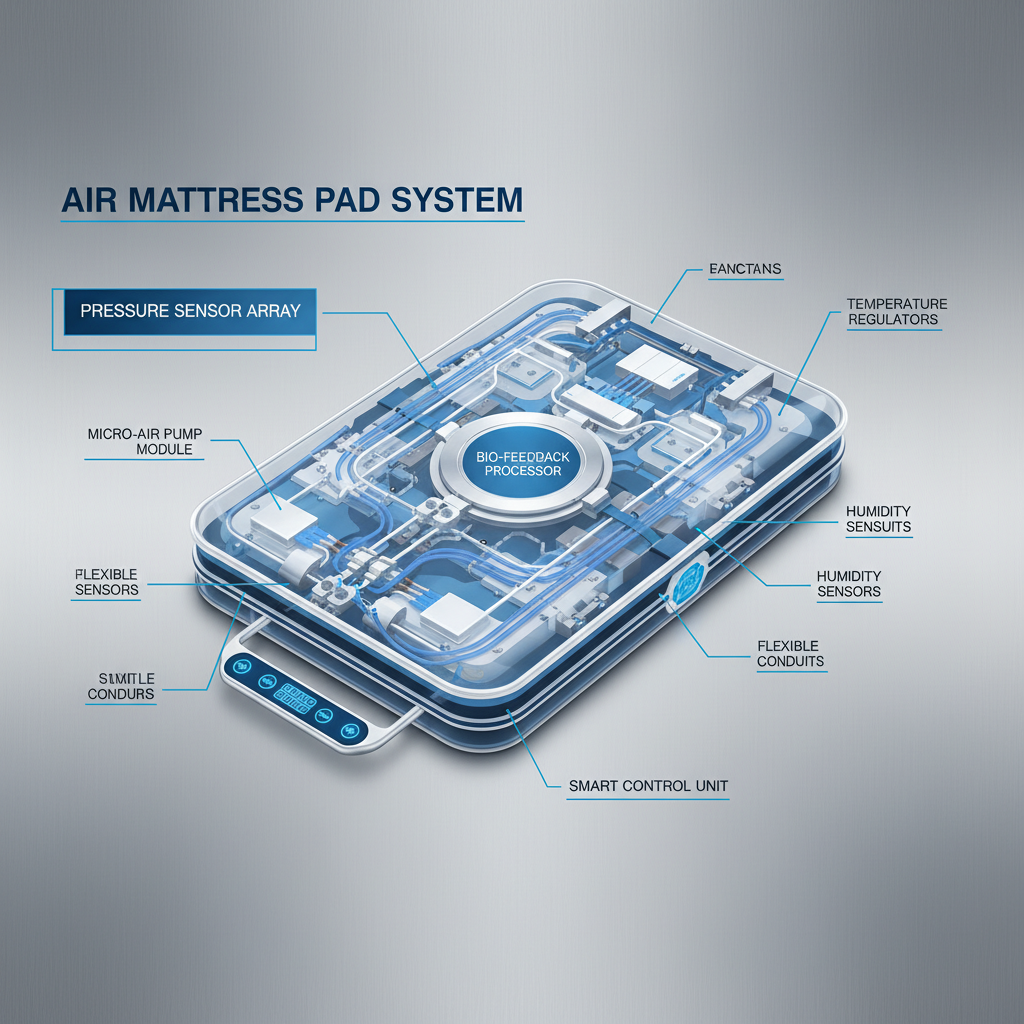
Anti pressure sore mattresses are vital for individuals at risk of developing pressure ulcers, commonly known as bedsores. These mattresses redistribute pressure, reduce friction, and manage moisture, significantly improving patient comfort and preventing tissue damage. Globally, the incidence of pressure sores represents a substantial healthcare burden, impacting quality of life and increasing treatment costs. Understanding the technology and application of an anti pressure sore mattress is therefore crucial for healthcare providers, caregivers, and individuals themselves.
The increasing aging population, coupled with the rise of chronic illnesses like diabetes and spinal cord injuries, fuels the demand for effective pressure ulcer prevention strategies. Hospitals, long-term care facilities, and home healthcare settings all rely on specialized mattresses to minimize patient risk. The development of advanced materials and innovative designs in anti pressure sore mattress technology has resulted in more effective and comfortable solutions, helping to alleviate suffering and improve patient outcomes.
Ultimately, prioritizing pressure ulcer prevention with an effective anti pressure sore mattress represents a proactive approach to healthcare, leading to reduced morbidity, lower treatment expenses, and enhanced overall patient well-being. It’s an investment in patient dignity and quality of life.
Introduction to Anti Pressure Sore Mattresses
The primary function of an anti pressure sore mattress is to prevent pressure ulcers by redistributing the patient’s weight and reducing localized pressure points. These mattresses are engineered to minimize friction and shear forces, both significant contributors to skin breakdown. They are a critical component of preventative care, particularly for individuals with limited mobility.
Effective anti pressure sore mattress options range from simple foam overlays to sophisticated dynamic air mattresses. Selecting the appropriate mattress depends on the individual’s risk level, medical condition, and specific needs. Proper assessment and ongoing monitoring are essential to ensure optimal pressure ulcer prevention.
Defining Anti Pressure Sore Mattresses
An anti pressure sore mattress is a specialized bedding surface designed to minimize the risk of pressure ulcer development. Unlike standard mattresses, these are engineered with materials and constructions that relieve pressure on bony prominences—areas like the heels, sacrum, and hips—where skin breakdown is most likely to occur.
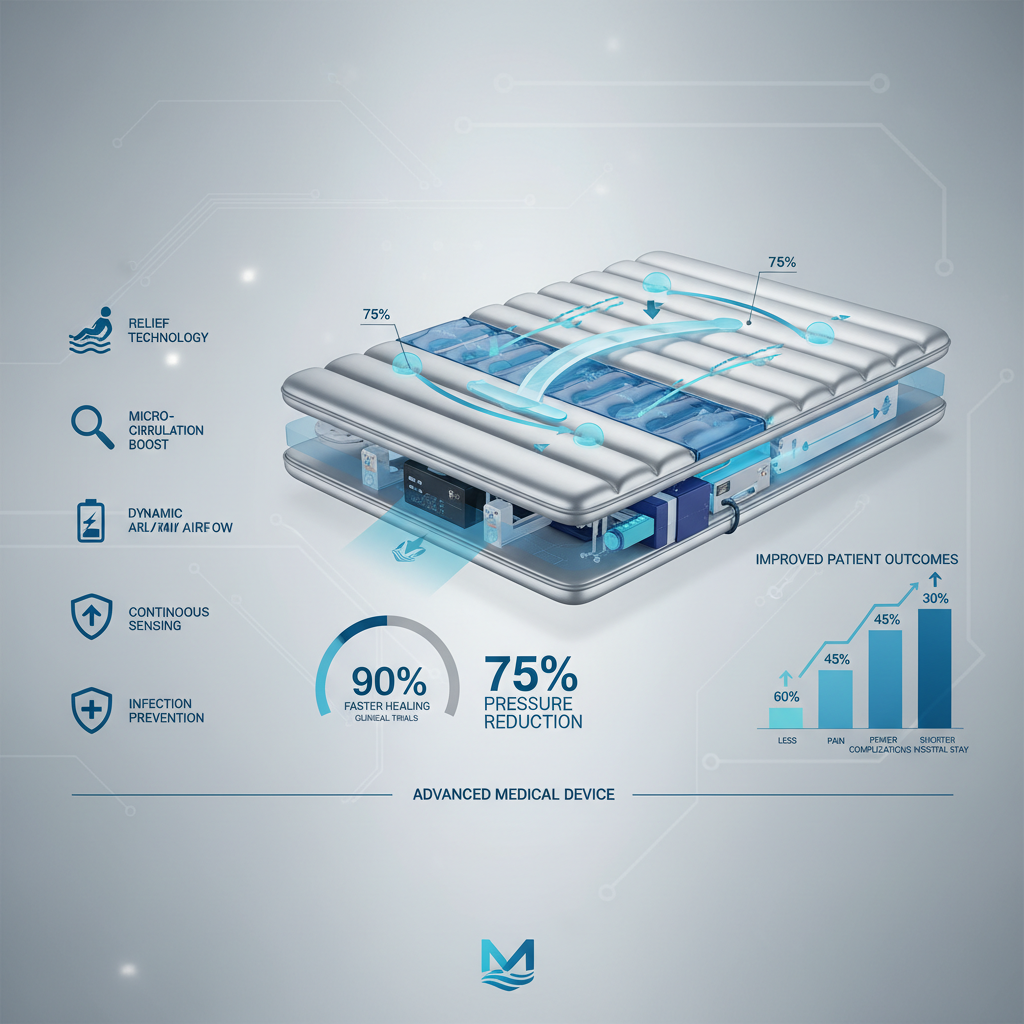
The core principle behind their design is to redistribute the patient’s weight over a larger surface area, reducing the intensity of pressure on any single point. This is achieved through various technologies, including alternating air cells, foam layering, and gel inserts. Modern anti pressure sore mattress technologies go beyond simple pressure relief to also consider microclimate control – managing moisture and temperature to maintain skin health.
This technology directly responds to the modern need for preventative healthcare, reducing hospital readmissions and improving patient quality of life. They have become essential in both institutional settings and increasingly common in home healthcare as populations age and chronic illnesses increase.
Core Components of an Effective Mattress
Several key components contribute to the effectiveness of an anti pressure sore mattress. Firstly, the pressure redistribution capability is paramount, achieved through materials like memory foam, gel, or air cells. Secondly, shear reduction is vital, minimizing friction damage during patient movement.
Thirdly, moisture management is critical, as prolonged exposure to moisture compromises skin integrity. Breathable materials and moisture-wicking fabrics are essential. Fourthly, durability and hygiene play a key role, ensuring the mattress withstands long-term use and can be effectively cleaned to prevent infection. Finally, patient comfort is vital for compliance, impacting willingness to use and benefit from the mattress.
These components interact synergistically to create a comprehensive solution for pressure ulcer prevention. A high-quality anti pressure sore mattress will address each of these aspects, providing optimal protection and comfort for the patient.
Global Applications and Use Cases
Anti pressure sore mattresses are utilized globally across diverse healthcare settings. Hospitals routinely employ them in intensive care units, surgical recovery areas, and long-term care wards. Nursing homes and assisted living facilities heavily rely on these mattresses for resident care.
In home healthcare, anti pressure sore mattress provide a crucial layer of protection for individuals recovering from surgery, managing chronic illnesses, or with limited mobility. They are also vital in palliative care, ensuring comfort and dignity for patients facing end-of-life care.
Furthermore, they find application in specialized settings such as spinal injury centers and burn units. In post-disaster relief operations, providing these mattresses can significantly reduce the incidence of pressure sores amongst vulnerable populations. The versatility and adaptability of these mattresses make them essential tools for healthcare professionals worldwide.
Effectiveness of Different Anti Pressure Sore Mattress Methods
Advantages and Long-Term Value
Investing in a high-quality anti pressure sore mattress yields significant tangible benefits. Firstly, it drastically reduces healthcare costs associated with treating pressure ulcers, which can be substantial due to prolonged hospital stays and complex wound care.
Secondly, it enhances patient quality of life by minimizing pain, discomfort, and the risk of infection. This contributes to faster healing and improved overall well-being. The long-term value lies in proactively preventing a serious health issue, improving patient dignity, and reducing the emotional burden on both patients and caregivers.
Future Trends and Innovations
The field of anti pressure sore mattress technology is continuously evolving. Emerging trends include the integration of smart sensors that monitor pressure distribution in real-time, allowing for automated adjustments to optimize support. Development of more sustainable and biodegradable mattress materials is also a key focus.
Furthermore, advancements in textile technology are leading to improved moisture-wicking and breathability, enhancing skin health. The combination of these innovations promises to deliver even more effective and comfortable solutions for pressure ulcer prevention in the years to come.
Challenges and Solutions
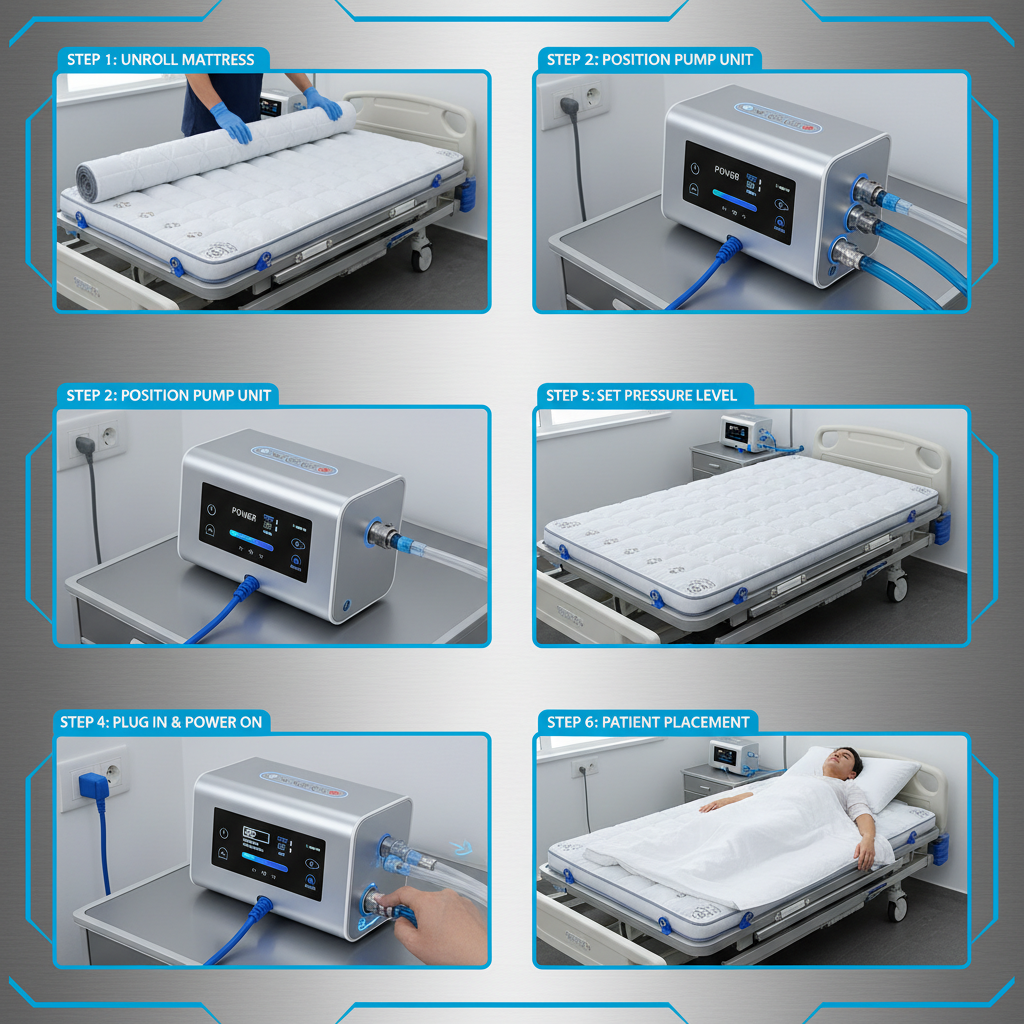
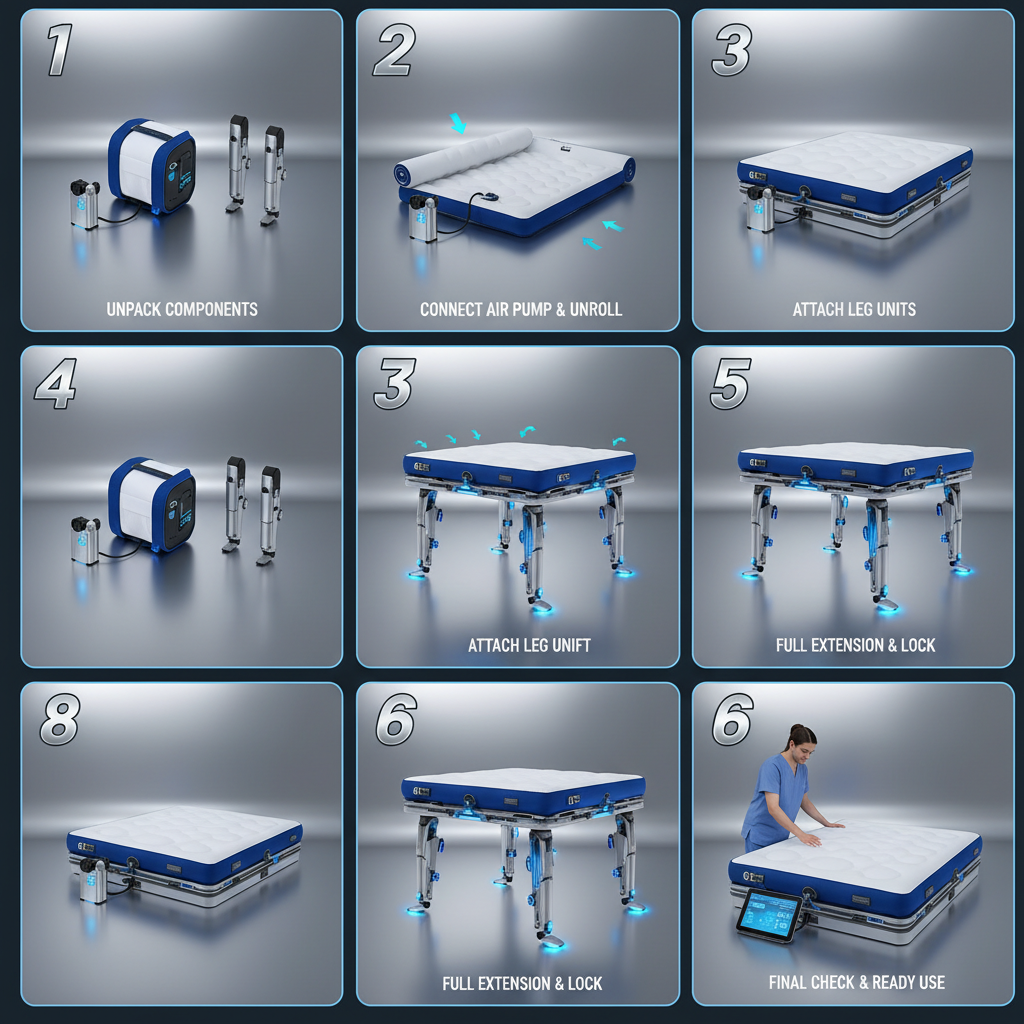
Despite advancements, challenges remain in the widespread adoption of effective anti pressure sore mattresses. Cost can be a barrier, particularly in resource-limited settings. Ensuring proper staff training on mattress operation and patient positioning is crucial for maximizing effectiveness.
Solutions include exploring more affordable mattress options without compromising quality, implementing comprehensive training programs for healthcare professionals, and developing standardized protocols for pressure ulcer prevention. Furthermore, telehealth and remote monitoring technologies can assist in providing ongoing support and guidance to patients and caregivers.
Addressing these challenges is vital to ensuring equitable access to this life-changing technology, ultimately reducing the global burden of pressure ulcers.
Summary of Challenges and Potential Solutions for Anti Pressure Sore Mattresses
| Challenge |
Impact on Patient Care |
Potential Solution |
Implementation Cost (1-10) |
| High Initial Cost |
Limited Access for Low-Income Patients |
Subsidized Programs, Leasing Options |
7 |
| Lack of Staff Training |
Incorrect Mattress Usage, Reduced Effectiveness |
Mandatory Training Modules, Regular Competency Assessments |
5 |
| Inconsistent Patient Positioning |
Development of Pressure Hotspots |
Automated Repositioning Schedules, Patient Education |
6 |
| Limited Awareness of Risk Factors |
Delayed Implementation of Preventative Measures |
Public Health Campaigns, Healthcare Provider Education |
4 |
| Maintenance & Cleaning Requirements |
Potential for Infection, Reduced Mattress Lifespan |
Clear Cleaning Protocols, Durable Materials |
3 |
| Lack of Standardized Protocols |
Variability in Care Quality |
National Guidelines, Best Practice Implementation |
8 |
FAQS
Foam mattresses offer static support and are generally more affordable, suitable for low-risk patients. Air mattresses provide dynamic pressure redistribution through alternating inflation and deflation of cells, offering superior protection for high-risk individuals. Air mattresses also often include features like adjustable firmness and microclimate control, but come at a higher cost. Choosing between the two depends on the patient’s individual needs and risk level.
Repositioning frequency depends on the patient’s risk level and the type of mattress used. Generally, patients at high risk should be repositioned at least every two hours, while those at lower risk may be repositioned every four hours. Dynamic air mattresses can often extend the time between repositioning. Consistent repositioning, combined with an anti pressure sore mattress, is vital for preventing pressure ulcer development.
Absolutely. Preventative use is the most effective strategy. Identifying patients at risk—due to immobility, age, chronic illness, or other factors—and utilizing an anti pressure sore mattress proactively can significantly reduce the likelihood of developing pressure ulcers. It’s far easier and less costly to prevent a pressure sore than to treat one.
Cleaning protocols vary depending on the mattress type. Generally, regular vacuuming and spot cleaning with a mild disinfectant solution are recommended. Air mattresses should be inspected for leaks and punctures. Following the manufacturer's instructions is crucial for maintaining the mattress's integrity and hygiene. Proper maintenance extends the lifespan of the anti pressure sore mattress and ensures optimal performance.
Yes, each mattress has a specific weight capacity. Exceeding this limit can compromise the mattress’s effectiveness and potentially lead to premature failure. It’s essential to check the manufacturer’s specifications and select a mattress appropriate for the patient's weight. Always prioritize safety and ensure the mattress provides adequate support.
High humidity can promote the growth of bacteria and fungi, potentially compromising skin health and the mattress itself. Many advanced anti pressure sore mattress designs incorporate breathable materials and moisture-wicking technologies to manage humidity effectively. Maintaining a comfortable room temperature and ensuring good ventilation can also help mitigate these effects.
Conclusion
In conclusion, anti pressure sore mattress represent a critical advancement in preventative healthcare. By effectively redistributing pressure, reducing shear, and managing moisture, these mattresses significantly reduce the risk of pressure ulcer development, improving patient comfort, and lowering healthcare costs. Understanding the core components, diverse applications, and future trends in this technology is vital for healthcare professionals and caregivers.
Looking ahead, continued innovation in materials, sensor technology, and data analysis will further enhance the effectiveness and accessibility of these vital tools. Proactive implementation of pressure ulcer prevention strategies, including the use of appropriate mattresses, coupled with comprehensive staff training and patient education, remains paramount for improving patient outcomes and enhancing the quality of care. Visit our website at www.chuangenmedicals.com to learn more.