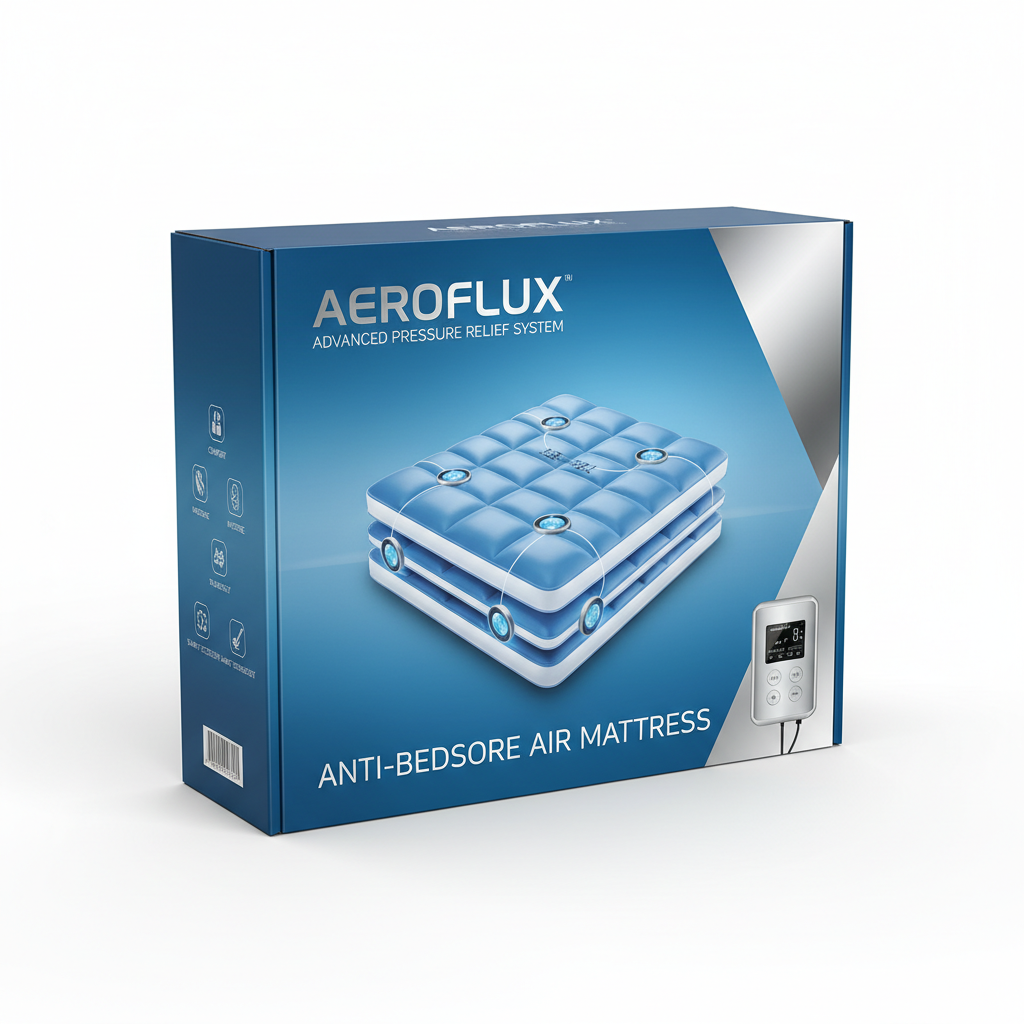
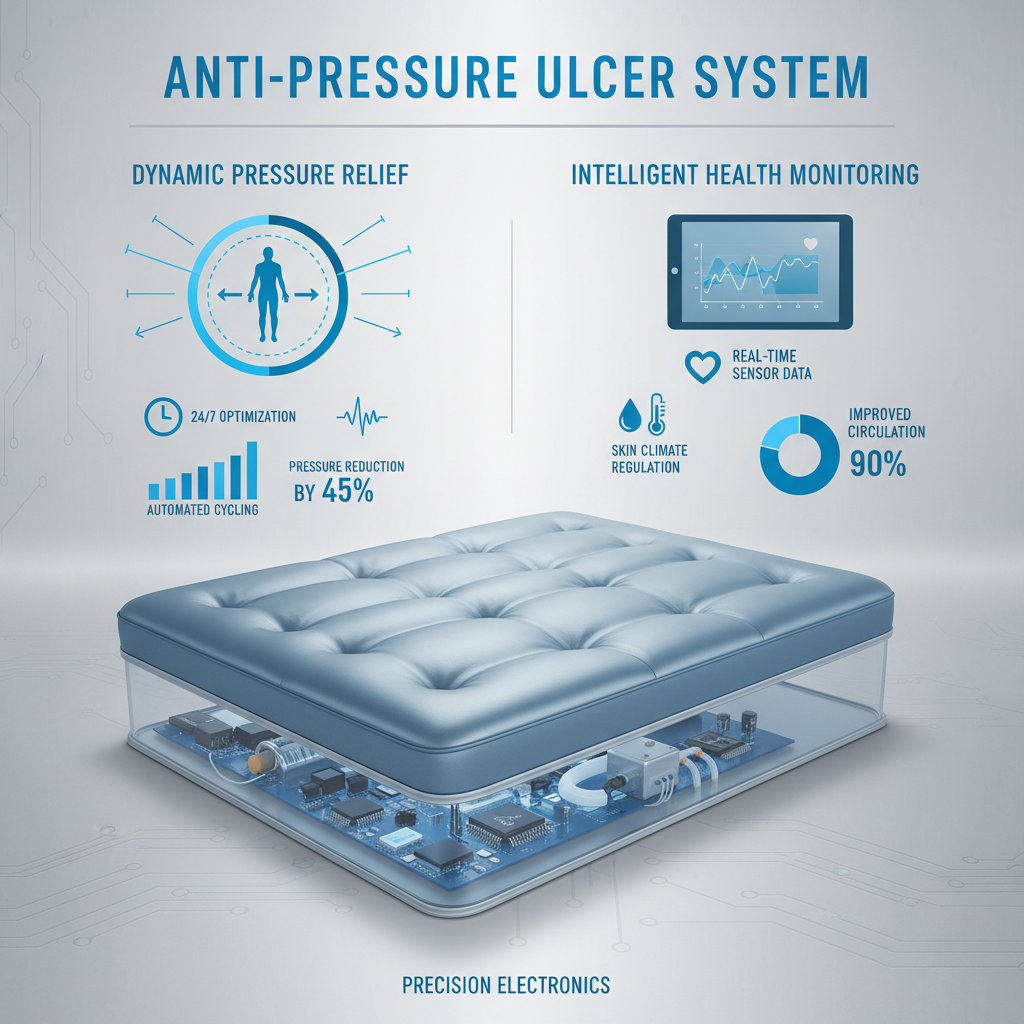
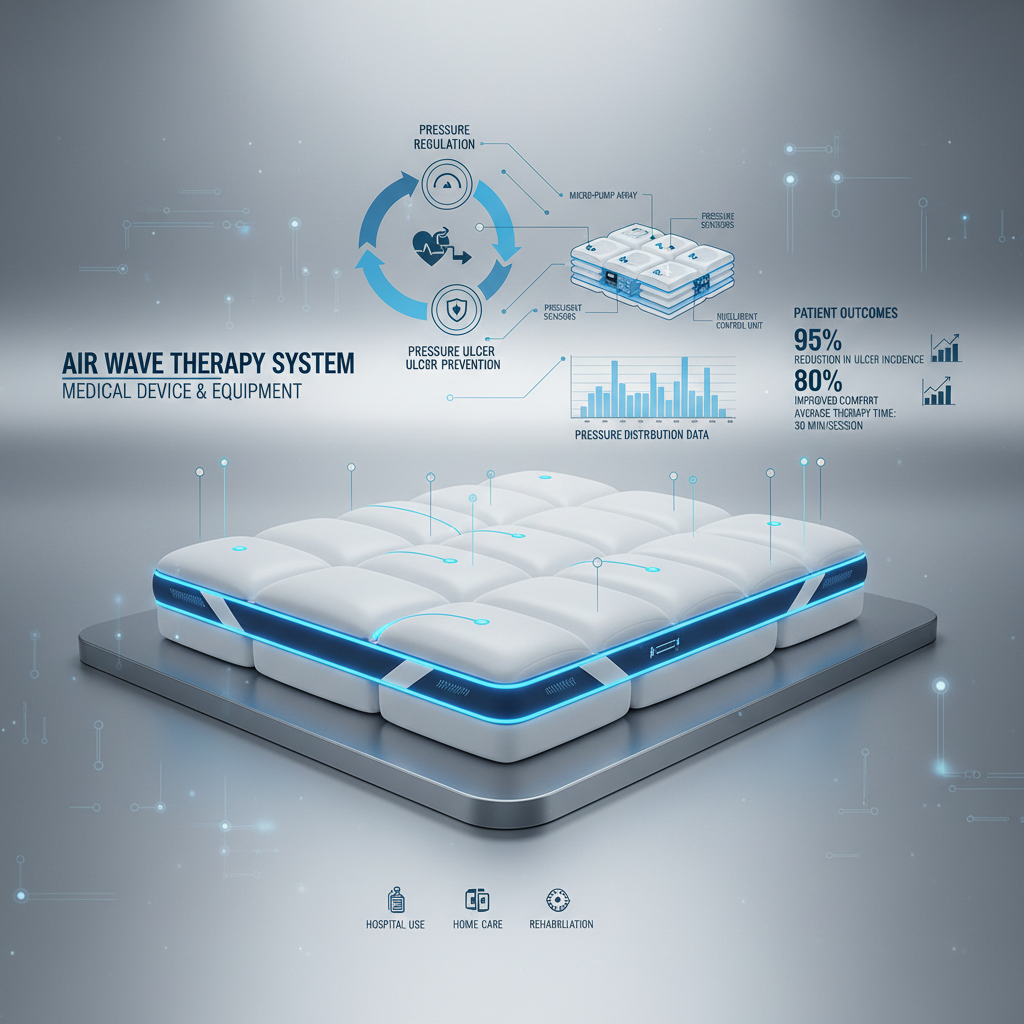
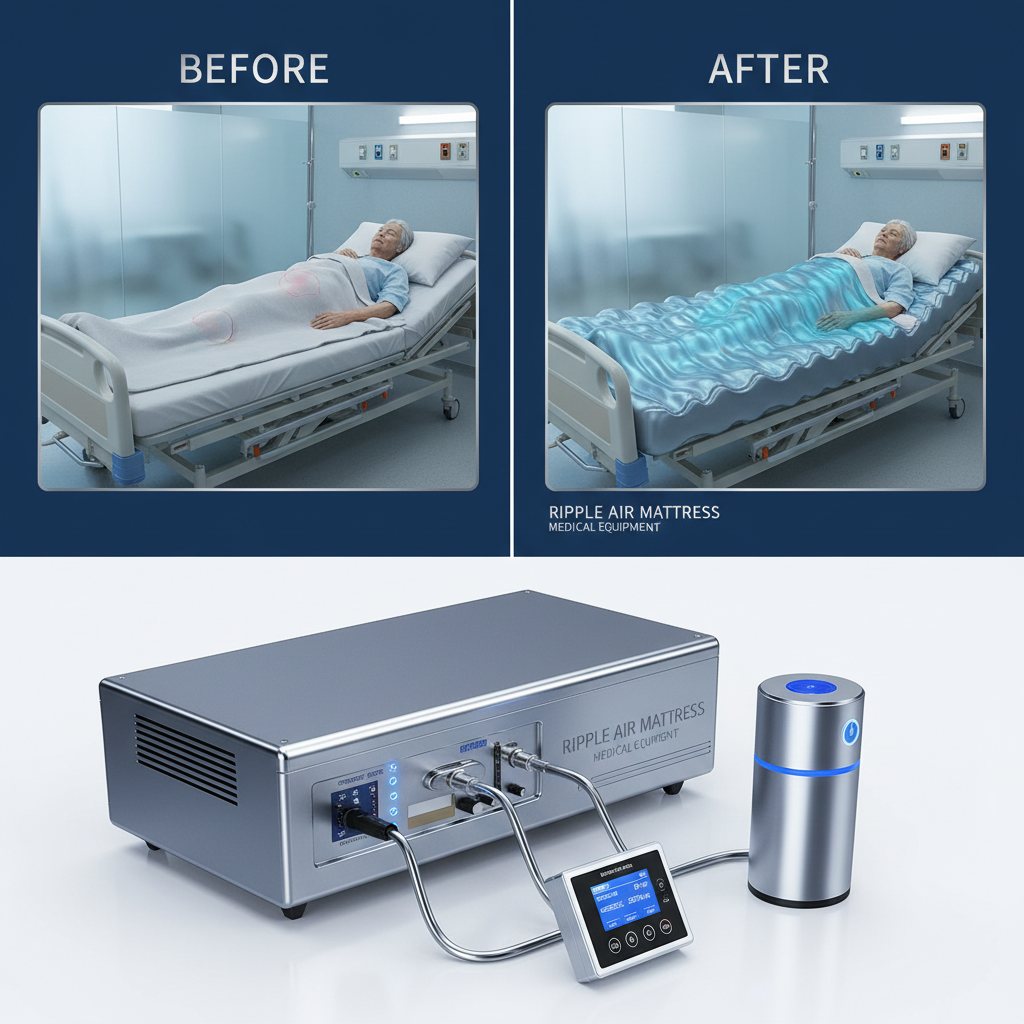
The prevalence of pressure injuries, commonly known as bedsores, represents a significant global healthcare challenge. An anti bedsore air mattress offers a proactive solution, distributing weight and reducing prolonged pressure on vulnerable areas. Understanding the technology, applications, and future advancements of these mattresses is crucial for improving patient care and quality of life worldwide.
The need for effective pressure injury prevention strategies is increasing alongside aging populations and a rise in chronic illnesses. Traditional methods often fall short, leading to prolonged hospital stays, increased healthcare costs, and decreased patient well-being. Anti bedsore air mattresses provide a dynamic support surface, mitigating these risks and promoting faster healing.
From acute care settings to long-term care facilities and even home healthcare, anti bedsore air mattresses are becoming standard equipment. The market is driven by a demand for innovative technologies that improve patient outcomes and reduce the burden on healthcare systems globally.
Introduction to Anti Bedsore Air Mattresses
Anti bedsore air mattresses are designed to alleviate pressure and shear forces on the skin, promoting circulation and preventing tissue breakdown. They are indispensable tools in preventing pressure injuries, also known as pressure ulcers or bedsores, particularly for individuals with limited mobility. These mattresses are crucial for patient safety and comfort.
The importance of proactive pressure injury prevention cannot be overstated. Untreated bedsores can lead to significant complications, including infection, pain, and even mortality. An anti bedsore air mattress is a key component of a comprehensive pressure injury prevention protocol, working in conjunction with regular repositioning, proper nutrition, and meticulous skin care.
Defining Anti Bedsore Air Mattresses
An anti bedsore air mattress, at its core, is a support surface engineered to redistribute pressure away from bony prominences. This is achieved through the use of multiple air cells that inflate and deflate, creating a dynamic support system. Modern versions often incorporate features like alternating pressure, low air loss, and microclimate control.
The development of these mattresses reflects a significant advancement in medical technology. They represent a shift from reactive treatment of pressure injuries to a proactive prevention strategy. Anti bedsore air mattresses are essential within modern healthcare, mirroring a broader trend towards patient-centered and preventative care.
These specialized mattresses aren’t merely a comfort item; they’re a medical device designed to actively mitigate a significant health risk. Their functionality directly addresses the physiological mechanisms that lead to pressure ulcer formation, making them a critical component of care for at-risk patients.
Core Components and Functionality
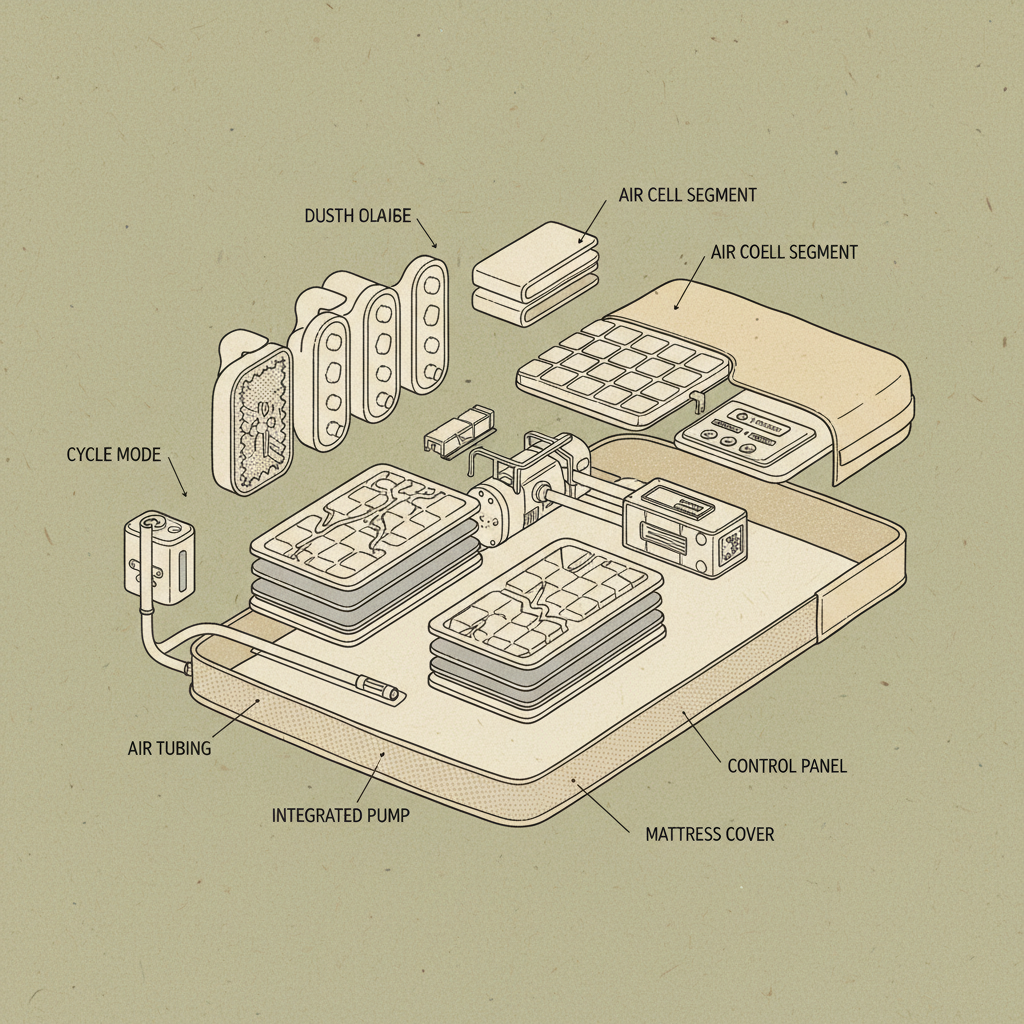
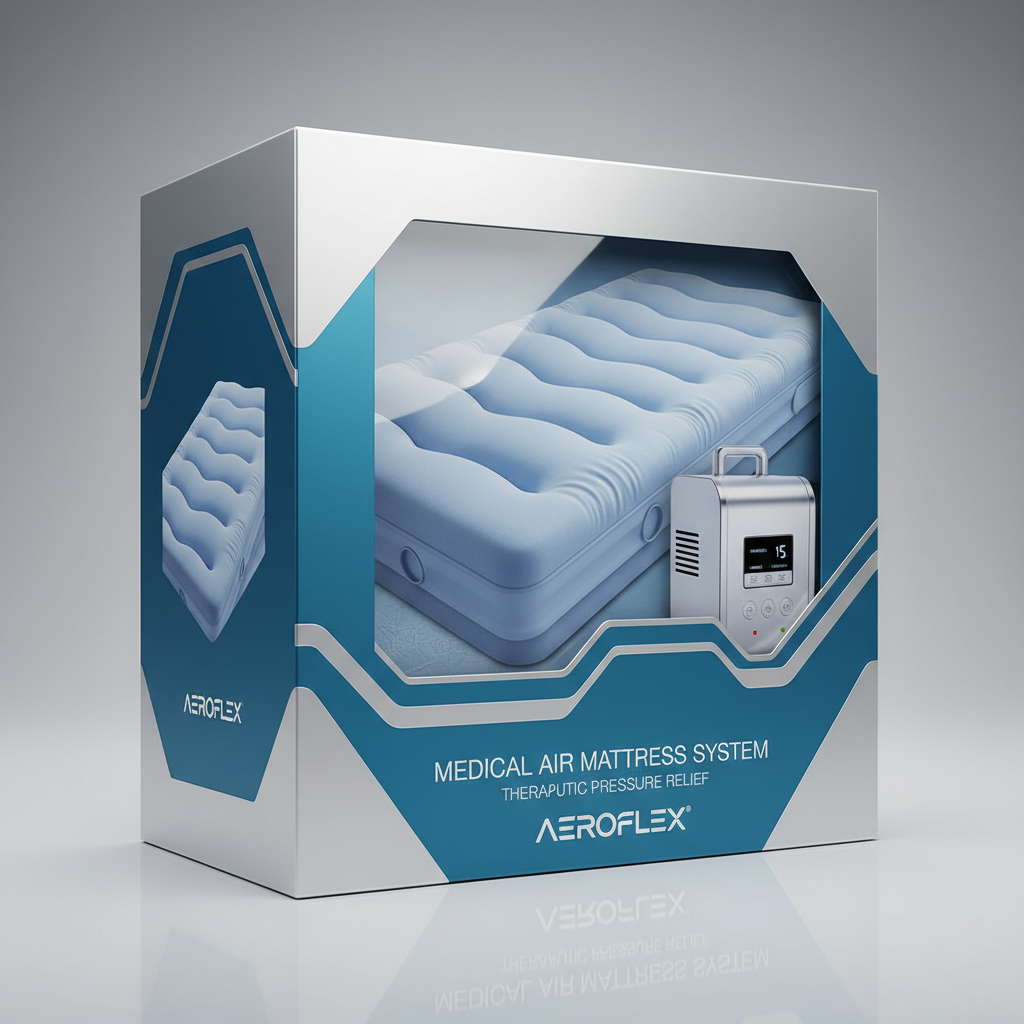
Several key components contribute to the effectiveness of an anti bedsore air mattress. These include the air cells themselves, the control unit that manages inflation and deflation, and the mattress cover, often made of breathable, moisture-wicking materials. The quality of each component directly impacts the mattress’s performance.
Different types of air mattress systems employ varying functionalities. Alternating pressure mattresses cyclically inflate and deflate air cells to continually change the pressure distribution. Low air loss mattresses introduce a gentle flow of air to reduce moisture buildup, a key factor in skin breakdown. Hybrid systems combine these features for optimal pressure relief and skin health.
The effectiveness of these mattresses hinges on their ability to dynamically respond to a patient’s movements and weight shifts. Advanced models incorporate sensors and microprocessors to precisely regulate air pressure and ensure consistent support across the entire surface, maximizing the benefits of an anti bedsore air mattress.
Global Applications and Use Cases
Anti bedsore air mattresses find application in a wide array of healthcare settings globally. Hospitals, long-term care facilities, and rehabilitation centers routinely utilize these mattresses for patients at risk of developing pressure injuries. Their use extends beyond these institutional settings, with increasing adoption in home healthcare.
In developed nations, anti bedsore air mattresses are often integrated into standardized care protocols. In developing countries, they play a crucial role in providing basic wound care and preventing complications in resource-limited environments. Demand is particularly high in regions with aging populations and a growing prevalence of chronic diseases.
Furthermore, these mattresses are employed in specialized care units such as intensive care units (ICUs) and spinal cord injury rehabilitation centers, where patients are particularly vulnerable to pressure injury development. They are also becoming increasingly common in palliative care settings to maximize patient comfort and dignity.
Effectiveness of Different Anti Bedsore Air Mattress Methods
Advantages and Long-Term Value
The advantages of utilizing an anti bedsore air mattress extend beyond simple pressure relief. Reduced incidence of pressure injuries translates to lower healthcare costs through decreased treatment expenses, shorter hospital stays, and fewer readmissions. This economic benefit is significant for both healthcare providers and patients.
Furthermore, these mattresses enhance patient comfort and dignity, promoting a more positive healing experience. By minimizing pain and discomfort associated with pressure injuries, they contribute to improved quality of life. The long-term value lies in the prevention of debilitating complications and the maintenance of patient well-being.
Future Trends and Innovations
The future of anti bedsore air mattress technology is focused on integrating smart sensors and artificial intelligence (AI) for personalized pressure management. These advancements will enable real-time monitoring of patient movement and pressure distribution, allowing for dynamic adjustments to optimize support.
Another emerging trend is the development of antimicrobial mattress covers to further reduce the risk of infection. Sustainable materials and energy-efficient designs are also gaining prominence, aligning with a growing emphasis on environmental responsibility within the healthcare sector.
Challenges and Solutions
Despite their effectiveness, challenges remain in the widespread adoption of anti bedsore air mattresses. Cost can be a barrier for some facilities and individuals, particularly in resource-constrained settings. Proper training and education for healthcare professionals on the correct use and maintenance of these mattresses are also essential.
To address these challenges, innovative financing models and cost-effective alternatives are being explored. Telehealth and remote monitoring technologies can facilitate training and provide ongoing support to healthcare providers. Furthermore, ongoing research and development are focused on creating more affordable and accessible solutions.
Ensuring adequate staff training, implementing robust maintenance schedules, and regularly assessing patient risk factors are vital to maximizing the benefits of anti bedsore air mattresses and preventing pressure injuries.
Summary of Key Performance Indicators for Anti Bedsore Air Mattresses
| Mattress Type |
Pressure Redistribution Score (1-10) |
Moisture Wicking Capacity (1-10) |
Overall Durability (Years) |
| Alternating Pressure – Basic |
7 |
6 |
3 |
| Low Air Loss – Standard |
8 |
8 |
4 |
| Dynamic Air Circulation – Advanced |
9 |
9 |
5 |
| Hybrid System – Premium |
10 |
10 |
6 |
| Gel Overlay – Entry Level |
5 |
5 |
2 |
| Foam Overlay – Budget |
4 |
4 |
1 |
FAQS
Alternating pressure mattresses cyclically inflate and deflate air cells to redistribute pressure, while low air loss mattresses provide a constant gentle flow of air to keep the skin dry and cool. Alternating pressure is excellent for pressure relief, while low air loss is ideal for patients with moisture concerns. Both contribute to anti bedsore air mattress effectiveness.
Even with an anti bedsore air mattress, regular repositioning is crucial – typically every two hours. The mattress provides pressure redistribution, but movement is still necessary to stimulate circulation and prevent tissue damage. Repositioning should be documented and incorporated into the patient's care plan.
While highly effective, anti bedsore air mattresses aren’t universally suitable. They may not be appropriate for patients with unstable spines or certain medical conditions. A thorough risk assessment should be conducted to determine the most appropriate support surface for each individual.
Regular cleaning is essential to prevent infection and maintain mattress functionality. Follow the manufacturer's instructions carefully, typically involving wiping down the mattress cover with a disinfectant solution. Inspect the mattress regularly for leaks or damage and address any issues promptly.
The lifespan of an anti bedsore air mattress varies depending on usage, maintenance, and the quality of the mattress. Generally, they last between 3 to 6 years with proper care. Regular inspections and adherence to maintenance schedules are vital to maximizing its lifespan.
The cost of an anti bedsore air mattress varies widely based on features, functionality, and brand. Basic models can range from a few hundred dollars, while advanced systems with AI and dynamic features can cost several thousand. Consider the long-term cost savings related to reduced pressure injury incidence.
Conclusion
In conclusion, anti bedsore air mattresses represent a vital tool in modern healthcare, offering a proactive and effective solution for pressure injury prevention. Their ability to redistribute pressure, improve circulation, and enhance patient comfort contributes significantly to improved clinical outcomes and reduced healthcare costs. The advancements in technology and design continue to enhance their capabilities and broaden their applicability.
Looking ahead, continued innovation in sensor technology, AI integration, and sustainable materials will further refine anti bedsore air mattress designs. Increased awareness, comprehensive training for healthcare professionals, and equitable access to these life-enhancing technologies are critical to minimizing the global burden of pressure injuries. Visit our website at www.chuangenmedicals.com to learn more.