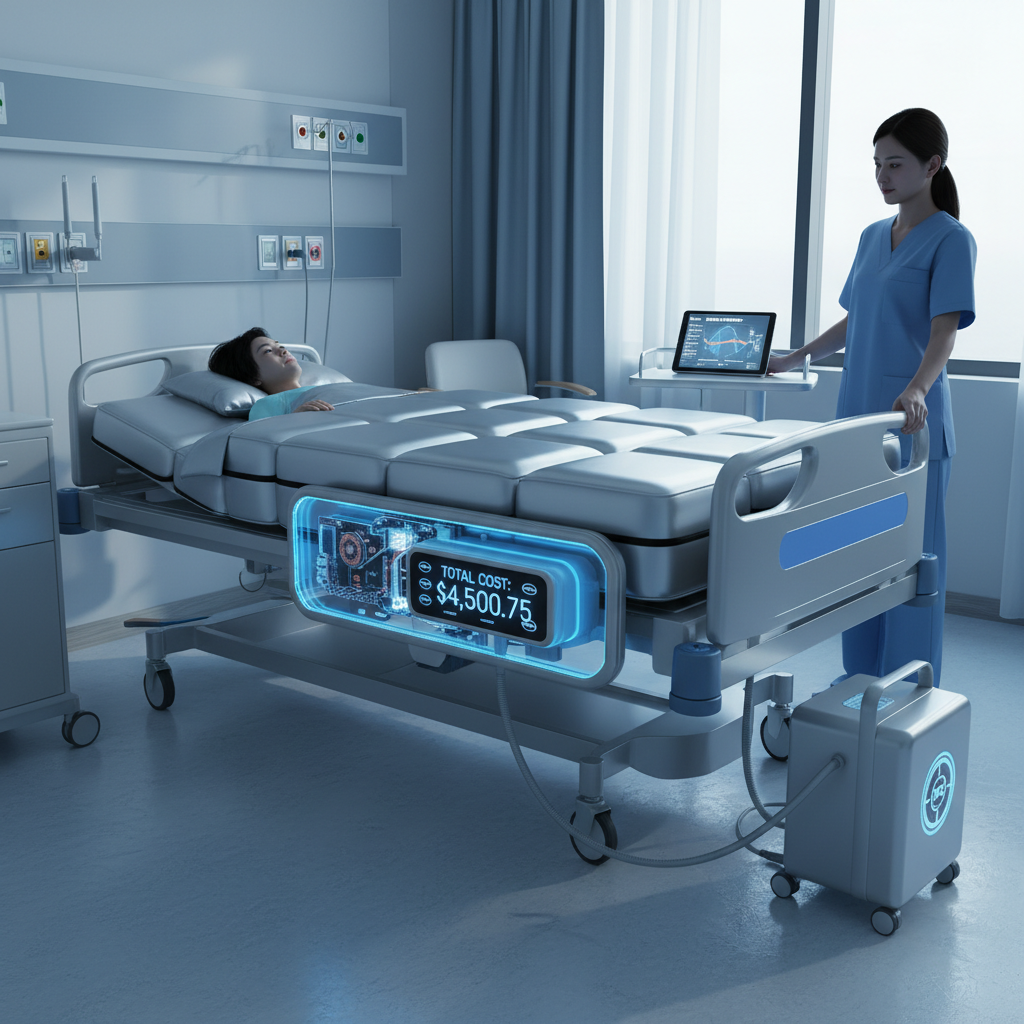
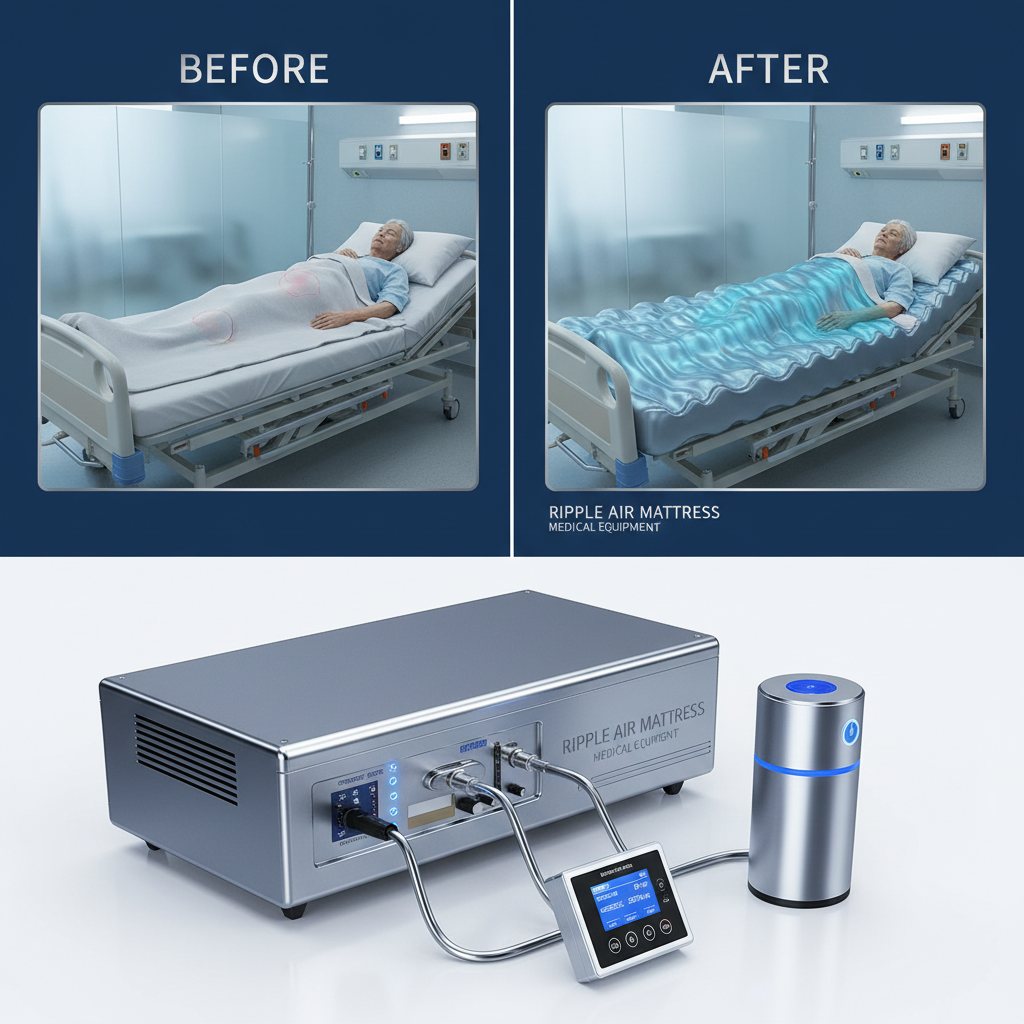
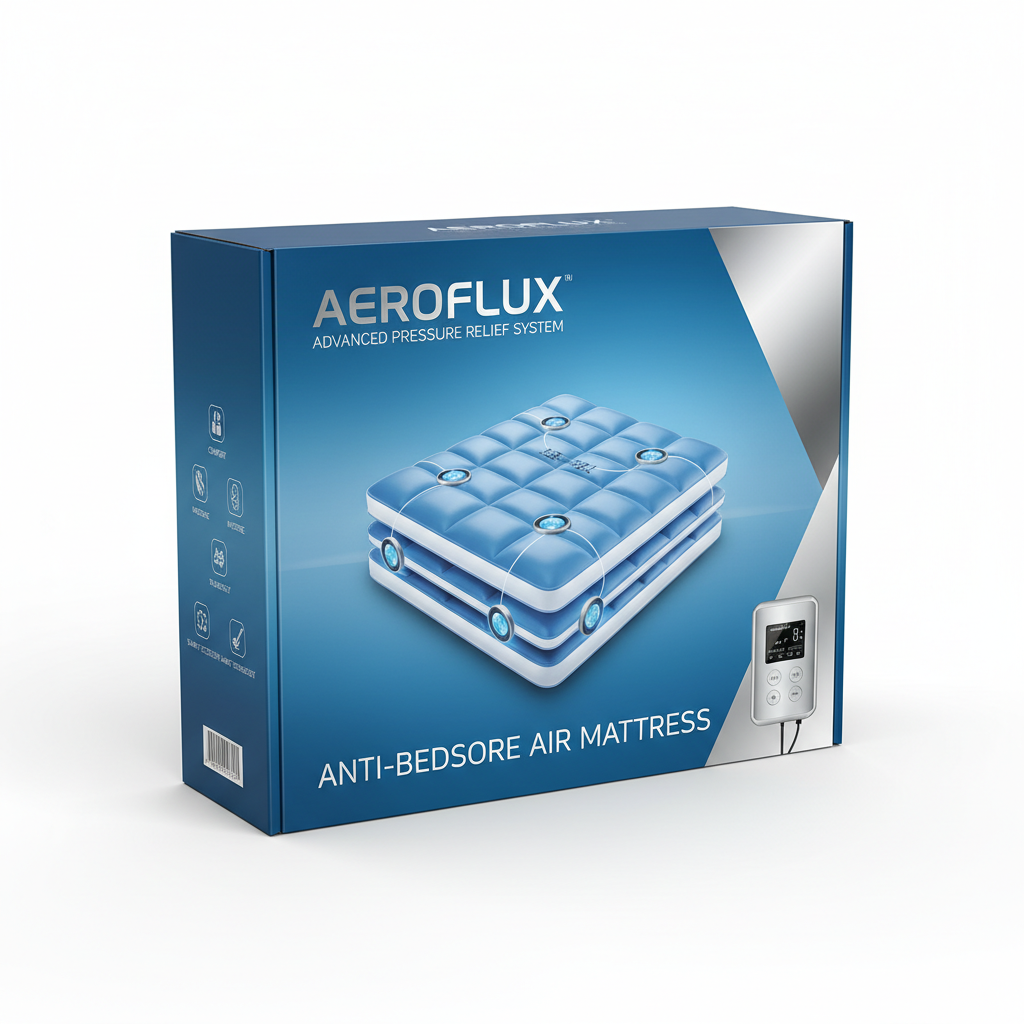
The global need for effective pressure injury prevention is paramount, and a crucial component of this is the selection of appropriate support surfaces. A key factor in this selection is understanding the bedsore mattress price, as it directly influences accessibility to quality care for vulnerable populations. The price point often dictates the level of technology, materials, and features incorporated into these mattresses, ultimately impacting patient outcomes and the burden on healthcare systems. This consideration is vital not just in developed nations, but particularly in resource-limited settings where cost-effectiveness is a critical constraint.
The demand for specialized mattresses designed to mitigate and prevent pressure ulcers is steadily rising worldwide, driven by an aging population, increasing rates of chronic illness, and a greater awareness of the significant costs associated with treating these debilitating wounds. The bedsore mattress price range is exceptionally varied, reflecting a wide spectrum of technological advancements from simple foam alternatives to highly sophisticated dynamic air mattresses. Understanding the market dynamics and the various pricing tiers is essential for healthcare providers and patients alike.
Investing in a preventative solution like a quality bedsore mattress is often far more cost-effective than managing the complications of a developed pressure injury. The bedsore mattress price is not merely an expense; it represents an investment in patient well-being, reduced healthcare costs, and improved quality of life. The proper selection, informed by budget constraints and patient needs, is a critical element of proactive wound prevention strategies.
Understanding Bedsore Mattress Price
The bedsore mattress price is a complex topic, influenced by numerous factors, including the materials used, the technology incorporated, and the manufacturer. A basic foam mattress will naturally be less expensive than a dynamic air mattress with alternating pressure zones. However, focusing solely on the initial price can be misleading; the total cost of ownership, including maintenance, replacement, and potential cost savings from preventing pressure injuries, must be considered.
Ultimately, the goal is to find the optimal balance between cost and effectiveness. The most expensive mattress isn’t always the best choice, and the cheapest option may not provide adequate protection. A thorough assessment of the patient’s risk factors, mobility, and overall health is essential to determine the appropriate level of support and the corresponding price range.
Global Relevance and Market Overview
The prevalence of pressure injuries is a significant global health concern, impacting millions of individuals annually. According to the World Health Organization, pressure ulcers affect an estimated 2.5% to 10% of hospitalized patients and a substantial proportion of individuals in long-term care facilities. This translates to a substantial financial burden on healthcare systems worldwide, with treatment costs ranging from thousands to tens of thousands of dollars per injury. The bedsore mattress price plays a key role in mitigating these costs by offering preventative solutions.
The global bedsore mattress market is experiencing steady growth, driven by the aforementioned factors, as well as increasing awareness of preventative care strategies. North America and Europe currently dominate the market, but emerging economies in Asia-Pacific and Latin America are expected to witness significant growth in the coming years due to aging populations and improving healthcare infrastructure. Understanding regional variations in pricing and product availability is crucial for effective procurement and distribution.
The demand for advanced mattress technologies, such as those incorporating sensors and data analytics, is also on the rise, promising more personalized and proactive pressure injury prevention strategies. This technological advancement inevitably affects the bedsore mattress price point, presenting both challenges and opportunities for healthcare providers.
Defining Bedsore Mattress Price
Bedsore mattress price refers to the cost associated with acquiring a specialized mattress designed to prevent or mitigate the development of pressure injuries (also known as bedsores or pressure ulcers). This price encompasses not only the initial purchase cost but also potential ancillary expenses such as shipping, installation, and ongoing maintenance.
The price can vary dramatically depending on the mattress type, features, and manufacturer. Basic foam mattresses typically fall on the lower end of the price spectrum, while advanced air mattresses with programmable pressure adjustments and integrated sensors can be significantly more expensive. Factors such as warranty length and after-sales support also contribute to the overall value proposition.
Understanding the components that contribute to the bedsore mattress price is crucial for making informed purchasing decisions. A higher price doesn't always guarantee superior performance, and careful consideration of patient needs and risk factors is essential to selecting the most appropriate and cost-effective solution.
Key Factors Influencing Bedsore Mattress Price
Several key factors significantly influence the bedsore mattress price. Firstly, the materials used in construction are a primary driver; high-density foam, gel infusions, and specialized fabrics all contribute to increased costs. Secondly, the technology incorporated, such as alternating pressure systems, low air loss technology, and integrated sensors, adds to the complexity and price.
Furthermore, the brand reputation and manufacturer's warranty also play a role. Established brands with a proven track record of quality and reliability often command a premium price. Finally, the distribution channel and geographic location can impact pricing due to transportation costs and local market conditions.
Bedsore Mattress Price Comparison by Type
Applications in Healthcare Settings
Bedsore mattresses are employed across a wide range of healthcare settings, including hospitals, long-term care facilities, rehabilitation centers, and even in-home care. Their primary application is in the prevention and management of pressure injuries in patients who are immobile, have limited mobility, or are at high risk of developing these wounds.
In hospitals, they are routinely used for patients recovering from surgery, those with chronic illnesses, and individuals in intensive care units. Long-term care facilities rely heavily on these mattresses for residents with limited mobility and fragile skin. The appropriate selection of a mattress, considering the bedsore mattress price and patient-specific needs, is paramount.
Advantages and Long-Term Value
Investing in a quality bedsore mattress offers numerous advantages beyond simply preventing pressure injuries. These include reduced healthcare costs associated with treating wounds, decreased patient pain and suffering, improved quality of life, and minimized risk of complications such as infection.
The long-term value lies in the proactive nature of prevention. Avoiding a pressure injury is significantly more cost-effective than treating one, and the emotional and psychological benefits for patients are immeasurable. Considering the bedsore mattress price as an investment in overall patient well-being is a crucial perspective.
Future Trends and Innovations
The future of bedsore mattress technology is focused on greater personalization, data-driven insights, and integration with smart healthcare systems. We can expect to see more mattresses incorporating advanced sensors to monitor pressure distribution, skin moisture, and patient movement. This data will be used to automatically adjust mattress settings and provide real-time alerts to caregivers.
Furthermore, research is underway to develop new materials with enhanced pressure-redistributing properties and improved breathability. The bedsore mattress price may increase with these advancements, but the potential benefits in terms of improved patient outcomes and reduced healthcare costs could justify the investment.
Overview of Factors Impacting Bedsore Mattress Price
| Material Composition |
Technology Integration |
Manufacturer Reputation |
Warranty & Support |
| Foam (Basic) |
None |
Generic |
Limited (1 year) |
| Gel-Infused Foam |
Pressure Mapping (Basic) |
Mid-Range |
Standard (2 years) |
| High-Density Foam |
Alternating Pressure |
Reputable |
Extended (3 years) |
| Specialty Polymer |
Low Air Loss |
Premium |
Comprehensive (5 years) |
| Advanced Polymer with Microclimate Control |
Dynamic Air with Sensor Integration |
Leading Innovator |
Lifetime Support |
| Hybrid Foam & Air |
Programmable Pressure Zones & Data Logging |
Established with Clinical Studies |
Dedicated Account Manager |
FAQS
The primary factors impacting bedsore mattress price include the materials used (foam, gel, air), the level of technology (alternating pressure, low air loss), brand reputation, warranty length, and distribution costs. More advanced features and higher-quality materials generally lead to a higher price point, but can offer superior protection and long-term value.
Not necessarily. While a higher price often reflects better materials or technology, it’s not a guarantee of superior quality. It's important to consider the specific needs of the patient, their risk factors, and the features that are most relevant to their situation. A thorough assessment and research are crucial to making an informed decision.
The lifespan of a bedsore mattress varies depending on the quality of materials, frequency of use, and proper maintenance. Generally, foam mattresses last 3-5 years, while air mattresses may last 5-7 years. Regular inspection for wear and tear, following the manufacturer's cleaning instructions, and ensuring proper functioning of components are essential for maximizing the lifespan.
A comprehensive risk assessment is the first step. Consider the patient's mobility, skin integrity, weight, medical history, and overall health status. Consult with a healthcare professional, such as a wound care specialist, to determine the appropriate level of pressure redistribution and support. The bedsore mattress price should be considered in relation to the patient's specific needs.
Depending on your location and insurance coverage, various resources may be available. Medicare and Medicaid may cover the cost of a bedsore mattress for eligible patients with a physician's prescription. Additionally, some charities and non-profit organizations offer financial assistance for medical equipment.
Pressure reducing mattresses offer some relief by cushioning bony prominences, but they don’t fully eliminate pressure. Pressure redistributing mattresses, like air mattresses, actively redistribute weight away from these areas, providing a more comprehensive level of protection. Generally, patients at higher risk require a pressure redistributing mattress, and this often impacts the bedsore mattress price.
Conclusion
In conclusion, understanding the bedsore mattress price is crucial for making informed decisions that prioritize patient well-being and optimize healthcare resource allocation. The selection process should extend beyond the initial cost, encompassing factors like material quality, technological advancements, long-term durability, and patient-specific needs. A proactive approach to pressure injury prevention, facilitated by the appropriate support surface, is ultimately more cost-effective and compassionate.
As technology continues to evolve, we can anticipate further innovations in bedsore mattress design, potentially leading to more personalized and effective solutions. Investing in these advancements, while mindful of budget constraints, is essential for improving patient outcomes and reducing the global burden of pressure injuries. For more information and a wide range of options, please visit our website: www.chuangenmedicals.com