Maintaining independence in daily activities is a fundamental aspect of dignity and well-being—especially for seniors, individuals with disabilities, or those recovering from surgery. One often overlooked yet highly impactful assistive device is the commode chair. Designed to provide safe and convenient toileting solutions, commode chairs play a critical role in enhancing both independence and overall quality of life.
This article explores how commode chairs support users physically, emotionally, and practically, making them an essential addition to modern caregiving environments.
What Is a Commode Chair?
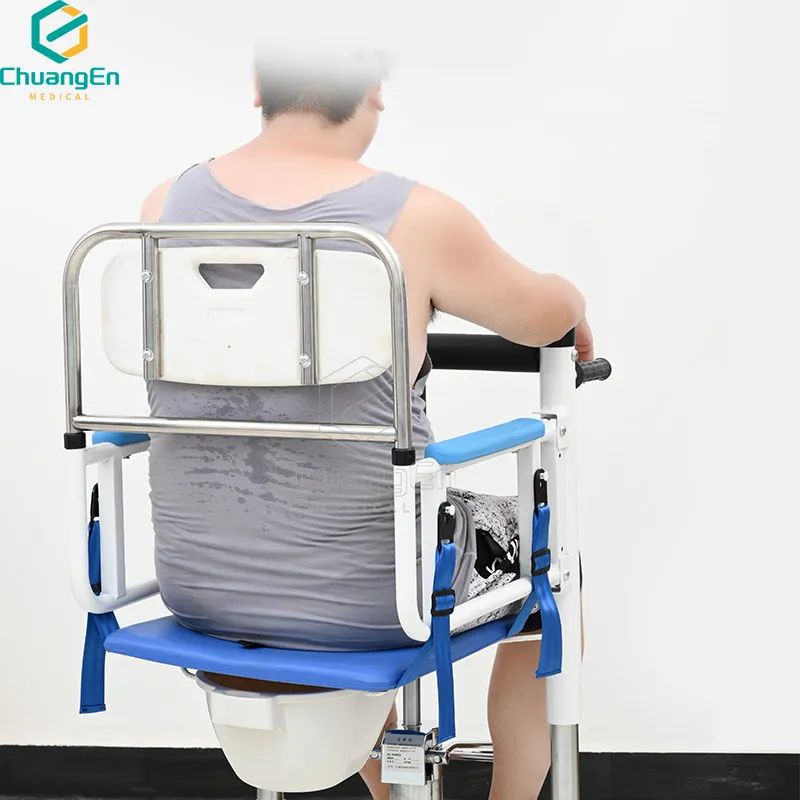
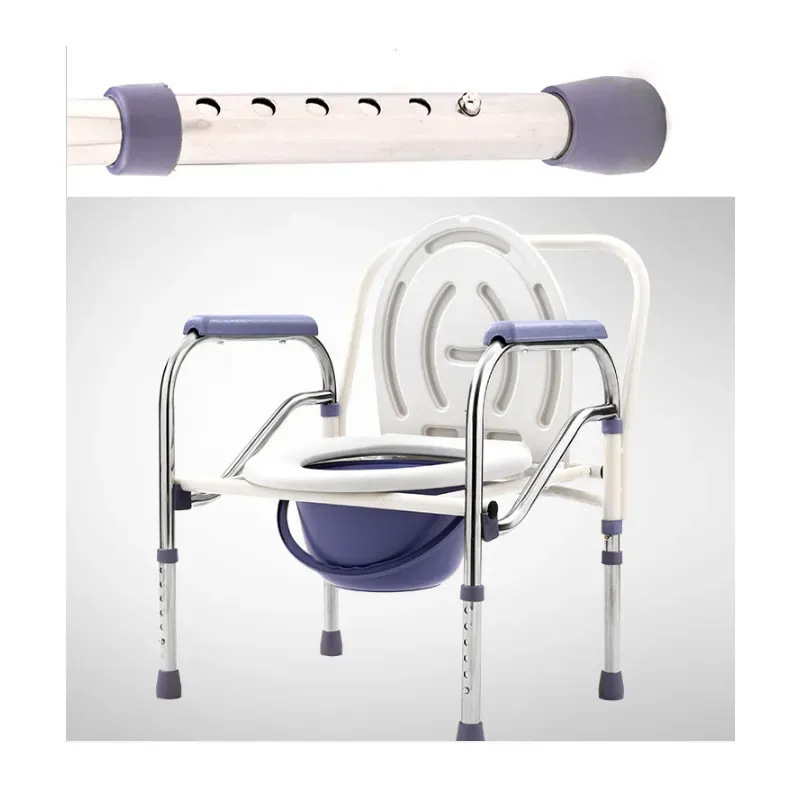
A commode chair is a portable toilet designed for individuals who have difficulty accessing a standard bathroom. Typically equipped with a seat, a removable bucket, armrests, and sometimes wheels, these chairs can be placed bedside or used over existing toilets.
There are several types available, including:
- Standard bedside commodes
- Drop-arm commodes (for easier transfers)
- Rolling shower commodes
- 3-in-1 commodes (usable as a chair, raised toilet seat, or bedside commode)
Their versatility makes them suitable for home care, hospitals, and rehabilitation centers.
Enhancing Personal Independence
1. Reduced Reliance on Caregivers
One of the most significant benefits of commode chairs is that they allow users to manage toileting needs with minimal assistance. For individuals with limited mobility, walking to the bathroom can be difficult or unsafe—especially at night. A commode chair placed nearby eliminates this barrier.
This independence fosters a sense of control and self-reliance, which is crucial for mental well-being.
2. Safer Transfers and Mobility
Many commode chairs are designed with ergonomic features such as armrests, non-slip feet, and adjustable heights. These features help users safely sit down and stand up without excessive strain.
For wheelchair users, drop-arm commodes enable lateral transfers, reducing the risk of falls and injuries.
3. Accessibility in Limited Spaces
Not all homes are equipped with accessible bathrooms. Narrow doorways, stairs, or lack of grab bars can make traditional toilets difficult to use. Commode chairs offer a flexible solution that adapts to the user’s environment rather than requiring costly home modifications.
Improving Physical Health Outcomes
1. Preventing Falls and Injuries
Bathroom-related falls are a leading cause of injury among older adults. By bringing the toilet closer to the user, commode chairs significantly reduce the need for risky movements, especially during nighttime use.
2. Supporting Post-Surgery Recovery
After surgeries such as hip replacements or spinal procedures, patients are often advised to avoid excessive bending or walking. Commode chairs provide a safe alternative that aligns with medical recovery guidelines.
3. Promoting Hygiene and Infection Control
Many commode chairs feature easy-to-clean surfaces and removable buckets, making sanitation straightforward. In clinical settings, this helps maintain hygiene standards and reduces the risk of infections.
Boosting Emotional and Psychological Well-Being
1. Preserving Dignity
Needing assistance with toileting can be uncomfortable and embarrassing for many individuals. Commode chairs empower users to maintain privacy, which is essential for preserving dignity.
2. Reducing Anxiety
Fear of not reaching the bathroom in time can lead to anxiety and even social withdrawal. Having a commode chair readily available provides reassurance and confidence, encouraging users to stay active and engaged.
3. Supporting Caregiver Relationships
When users can perform personal tasks independently, it reduces the emotional and physical burden on caregivers. This can lead to healthier, more balanced relationships between patients and those assisting them.
Practical Benefits for Everyday Living
1. Convenience and Flexibility
Commode chairs can be easily moved and positioned wherever needed—bedrooms, living rooms, or bathrooms. This flexibility is particularly useful for individuals with fluctuating mobility levels.
2. Cost-Effective Solution
Compared to bathroom renovations or advanced medical equipment, commode chairs are relatively affordable. They provide immediate benefits without requiring structural changes to the home.
3. Multi-Functional Design
Many modern commode chairs serve multiple purposes:
- As a bedside toilet
- As a raised toilet seat
- As a shower chair
This multi-functionality maximizes value and usability.
Choosing the Right Commode Chair for Sale
Selecting the appropriate commode chair depends on individual needs. Key factors to consider include:
- Weight capacity: Ensure the chair can safely support the user
- Adjustability: Height-adjustable models offer better ergonomics
- Portability: Folding or lightweight designs are easier to move
- Comfort features: Padded seats and backrests enhance user experience
- Ease of cleaning: Removable buckets and smooth surfaces simplify maintenance
Consulting with a healthcare professional can help determine the best option based on mobility level and medical conditions.
Use Cases Across Different Scenarios
Elderly Care at Home
For aging individuals who wish to remain in their homes, commode chairs enable “aging in place” by reducing dependence on caregivers and minimizing risks.
Post-Hospital Discharge
Patients transitioning from hospital to home often require temporary support. A commode chair bridges this gap, facilitating smoother recovery.
Disability Support
Individuals with long-term mobility impairments benefit from the accessibility and adaptability of commode chairs in daily routines.
Palliative and Hospice Care
In end-of-life care, comfort and dignity are priorities. Commode chairs provide a practical solution that respects both.
Future Trends in Commode Chair Design
As assistive technology evolves, commode chairs are becoming more advanced:
- Improved ergonomics and materials for enhanced comfort
- Integrated wheels with locking systems for mobility and safety
- Stylish designs that blend with home interiors
- Antimicrobial coatings for better hygiene
These innovations continue to expand the role of commode chairs in modern healthcare and home care environments.
Conclusion
Commode chairs are far more than simple mobility aids—they are essential tools that restore independence, enhance safety, and improve quality of life. By addressing both physical and emotional needs, they empower users to maintain dignity and autonomy in one of the most personal aspects of daily living.
Whether for short-term recovery or long-term care, investing in the right commode chair for sale can make a meaningful difference for both users and caregivers.