Choosing the Best Air Mattress for Patient Care: A Complete Guide
For patients with limited mobility, the quality of their resting surface is not just about comfort—it is a critical component of medical treatment. An air mattress for patient use is specifically engineered to redistribute pressure, prevent the development of pressure ulcers (bedsores), and improve overall blood circulation. Whether for home care or hospital settings, selecting the right therapeutic surface can significantly accelerate recovery and enhance the patient's quality of life. In this guide, we will explore the different types of air mattresses and how to choose the one that best meets specific clinical needs.
How an Air Mattress for Patient Recovery Works
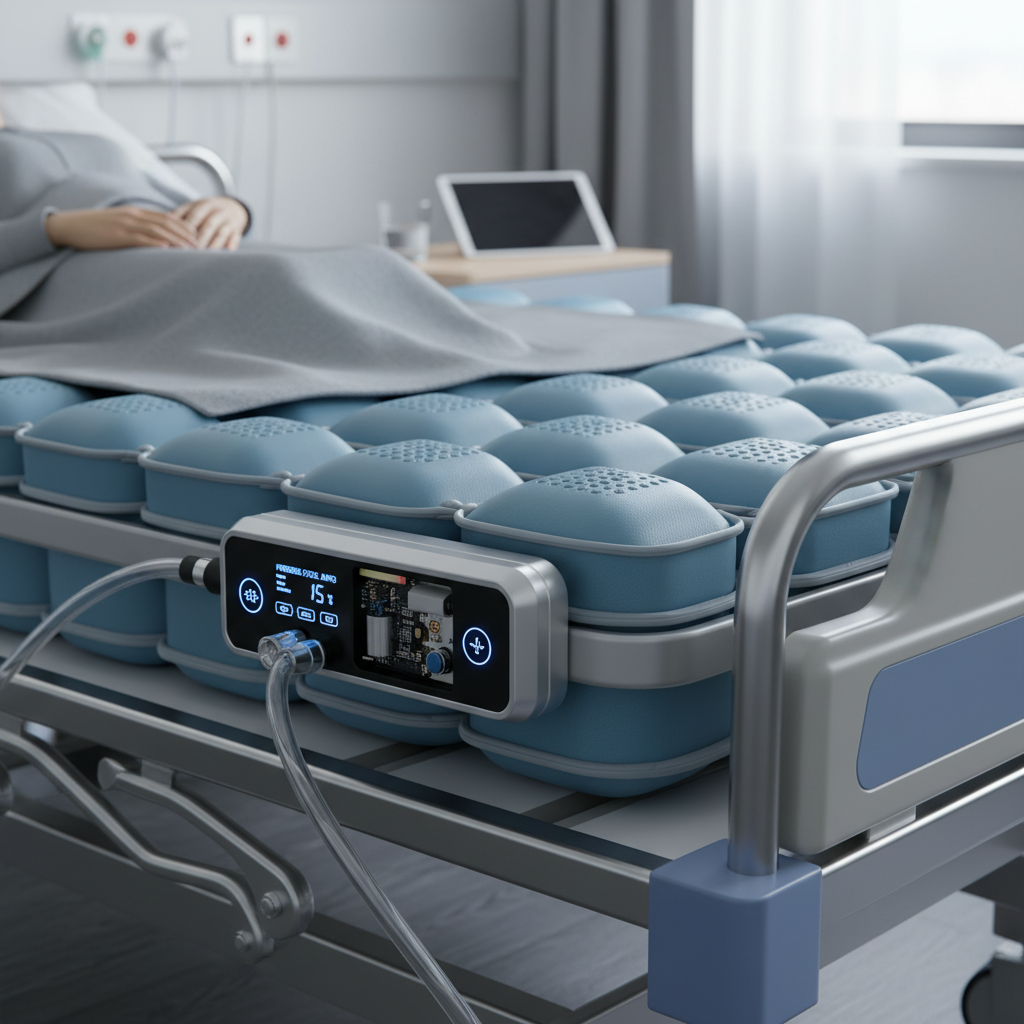
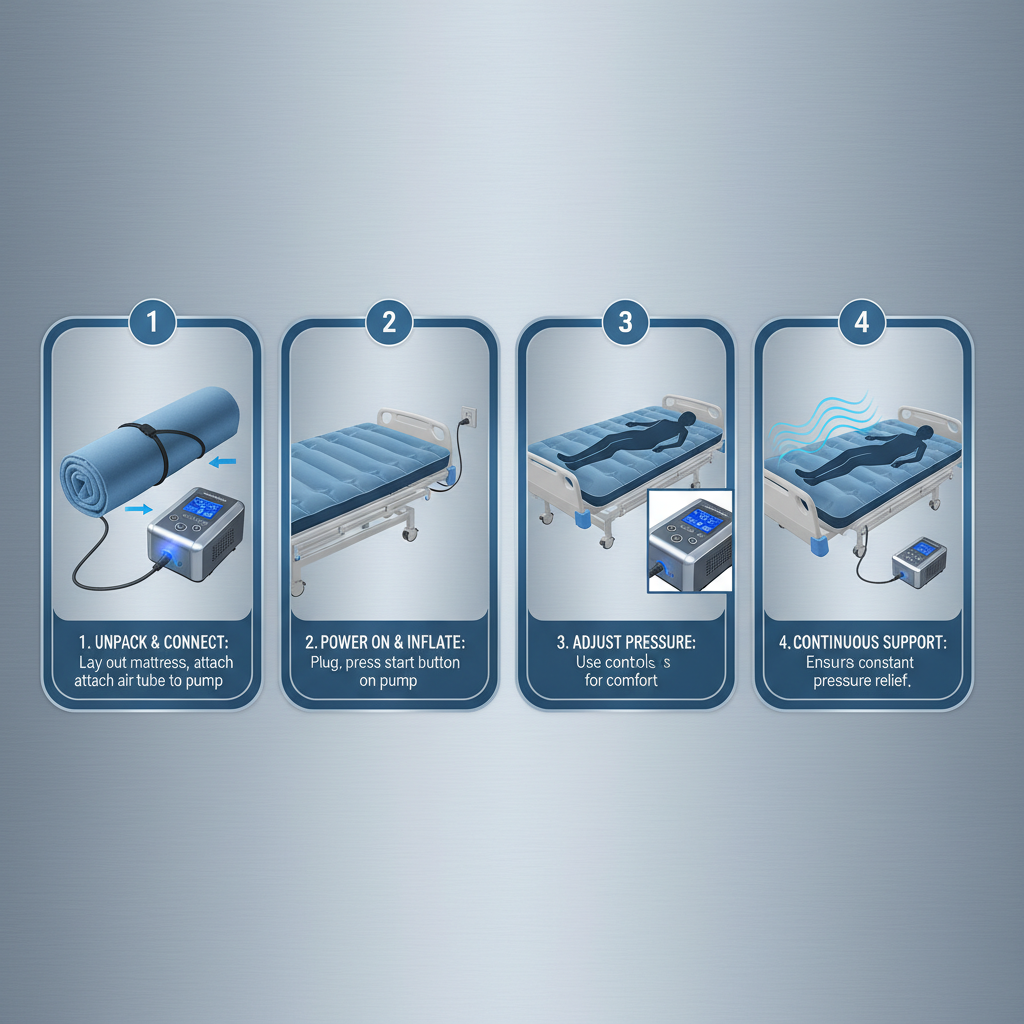
Unlike standard foam mattresses, an air mattress for patient care utilizes an electric pump to inflate and deflate air cells. This process creates a dynamic surface that constantly changes the points of contact between the patient's body and the bed. By alternating pressure, the mattress prevents any single area of the skin from being compressed for too long, which is the primary cause of tissue necrosis and bedsores. Advanced models often feature "low air loss" technology, which helps manage moisture and heat, further protecting the skin's integrity.
Clinical Benefit: Constant pressure redistribution reduces the frequency of manual repositioning required by caregivers, reducing the physical strain on nursing staff and improving patient sleep quality.
Comparing Different Types of Air Mattresses
Not all therapeutic mattresses are created equal. Depending on the stage of the pressure ulcer or the patient's weight and condition, you may need a static, alternating, or hybrid system. While static air mattresses provide a consistent level of support, alternating pressure mattresses are the gold standard for high-risk patients. Understanding these differences is key to ensuring that the air mattress for patient provides the necessary therapeutic intervention.
Key Selection Criteria for an Air Mattress for Patient Care
When shopping for a professional air mattress for patient use, you must look beyond the price tag. Weight capacity is the first priority; a mattress that is too soft for a heavier patient will "bottom out," leaving the patient resting on the hard bed frame. Secondly, consider the noise level of the pump, as excessive noise can disrupt the patient's sleep and increase stress. Lastly, ensure the cover is waterproof yet breathable to prevent skin maceration while remaining easy to sanitize.
Technical Specifications of Medical-Grade Air Mattresses
Medical-grade equipment must adhere to strict safety and performance standards. A high-quality air mattress for patient support usually includes an intelligent control unit that allows caregivers to adjust the firmness based on the patient's needs. Below are the typical technical specifications you will encounter when reviewing professional medical supplies:
Maintaining Your Air Mattress for Patient Longevity
To ensure the longevity of your air mattress for patient use, regular maintenance is essential. Check the air tubes for kinks or leaks daily, as any interruption in airflow can lead to pressure spikes in certain cells. The outer cover should be wiped down with medical-grade disinfectants to prevent the buildup of bacteria. Additionally, ensure the pump is kept in a well-ventilated area to prevent overheating during continuous operation. Proper care not only extends the product's life but also ensures the patient remains safe and comfortable.
The Role of Air Mattresses in Long-Term Care
In long-term care facilities, the use of an air mattress for patient management is a proactive strategy rather than a reactive one. By integrating these systems early in the care plan, facilities can drastically reduce the incidence of Stage III and IV pressure ulcers, which are costly and dangerous to treat. Furthermore, the improved support allows patients to be more comfortable during enteral feeding or respiratory therapy, creating a holistic environment that supports faster healing and psychological well-being.
Conclusion: Elevating Patient Care with the Right Surface
Selecting the appropriate air mattress for patient care is a vital decision that directly impacts health outcomes. From preventing bedsores to managing moisture and improving sleep, the right mattress serves as a silent partner in the healing process. By focusing on quality materials, proper specifications, and consistent maintenance, caregivers can provide a level of comfort and safety that transforms the recovery experience. Invest in professional-grade medical surfaces to ensure every patient receives the dignity and care they deserve.
Frequently Asked Questions (FAQs)
Can an air mattress completely replace the need to turn a patient?
While a high-quality air mattress significantly reduces the pressure on specific points of the body, it is not a total replacement for manual repositioning. Most medical professionals recommend a combination of using an air mattress for patient and a scheduled turning protocol (e.g., every 2 hours). This dual approach ensures that the skin is fully aerated and that the patient's joints remain flexible, providing the highest possible level of care.
How do I know if my patient needs an alternating pressure mattress?
You should consider an alternating pressure system if the patient is completely immobile, has a high Braden Scale score for pressure ulcer risk, or already shows signs of Stage I or II bedsores (redness that doesn't fade). If the patient can shift their own weight, a static air mattress may suffice, but for those trapped in one position, the active redistribution provided by an air mattress for patient care is essential.
What should I do if the air mattress loses pressure?
If you notice the mattress is sagging, first check the connection between the pump and the mattress to ensure the tubes are securely attached and not pinched. Check the pump settings to ensure it is operating on the correct mode. If a leak is suspected in the mattress itself, check for punctures using a mild soap-water solution. For professional-grade equipment from Chuangen Medicals, refer to the user manual for troubleshooting steps or contact technical support for a replacement part to ensure patient safety is not compromised.
Are these mattresses compatible with standard hospital beds?
Most medical air mattresses are designed to be universal and fit standard hospital bed frames. However, it is important to verify the dimensions (width and length) of both the bed and the mattress. Some advanced systems include straps to secure the air mattress for patient to the frame, preventing the mattress from shifting when the patient is moved or when the head of the bed is elevated.