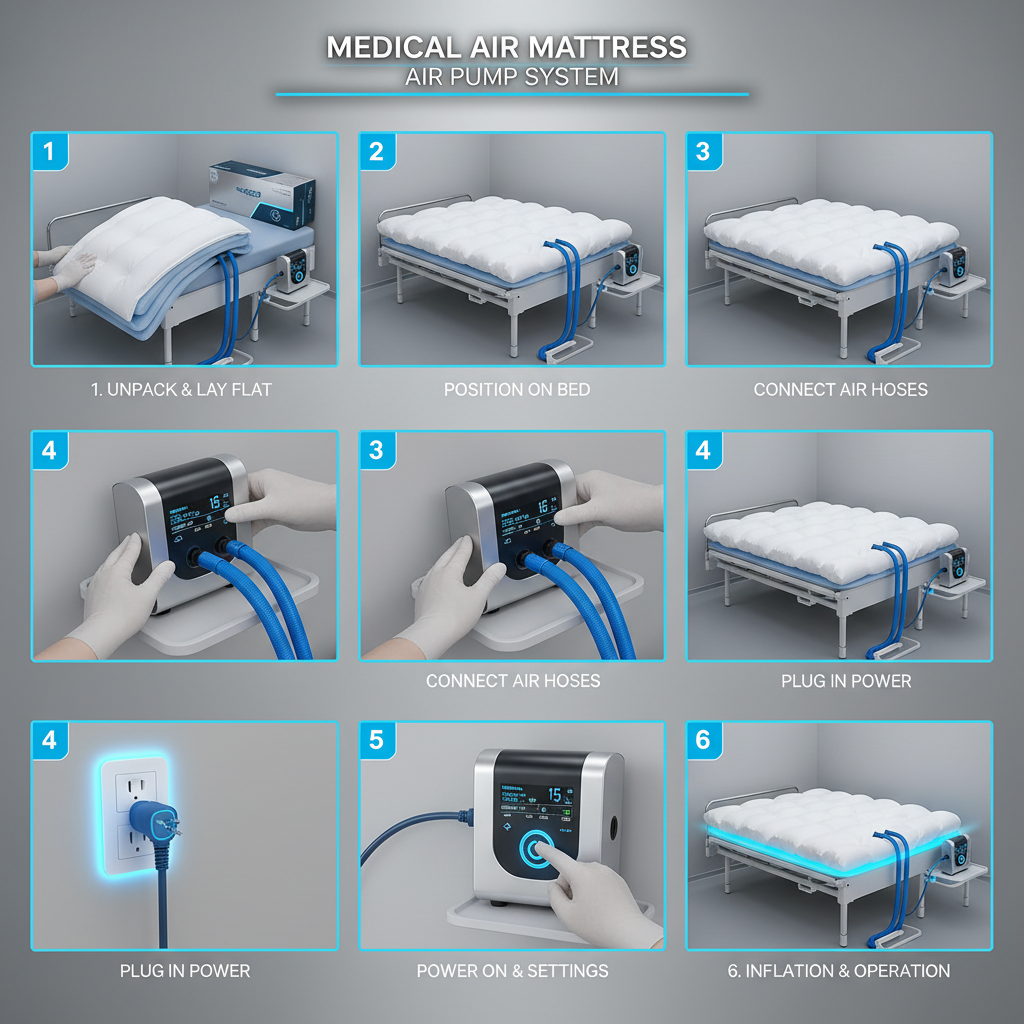
Choosing the Right Air Mattress to Prevent Bed Sores
Bed sores, also known as pressure ulcers, are a serious concern for individuals with limited mobility. Prolonged pressure on the skin can lead to tissue damage and significant discomfort. Utilizing an air mattress to prevent bed sores is a proactive measure to redistribute pressure, improve circulation, and minimize the risk of developing these debilitating wounds. This article will explore the benefits, features, and considerations when selecting an air mattress for pressure injury prevention. We’ll also delve into how these mattresses work and who can benefit from their use.

Understanding How Air Mattresses Prevent Bed Sores
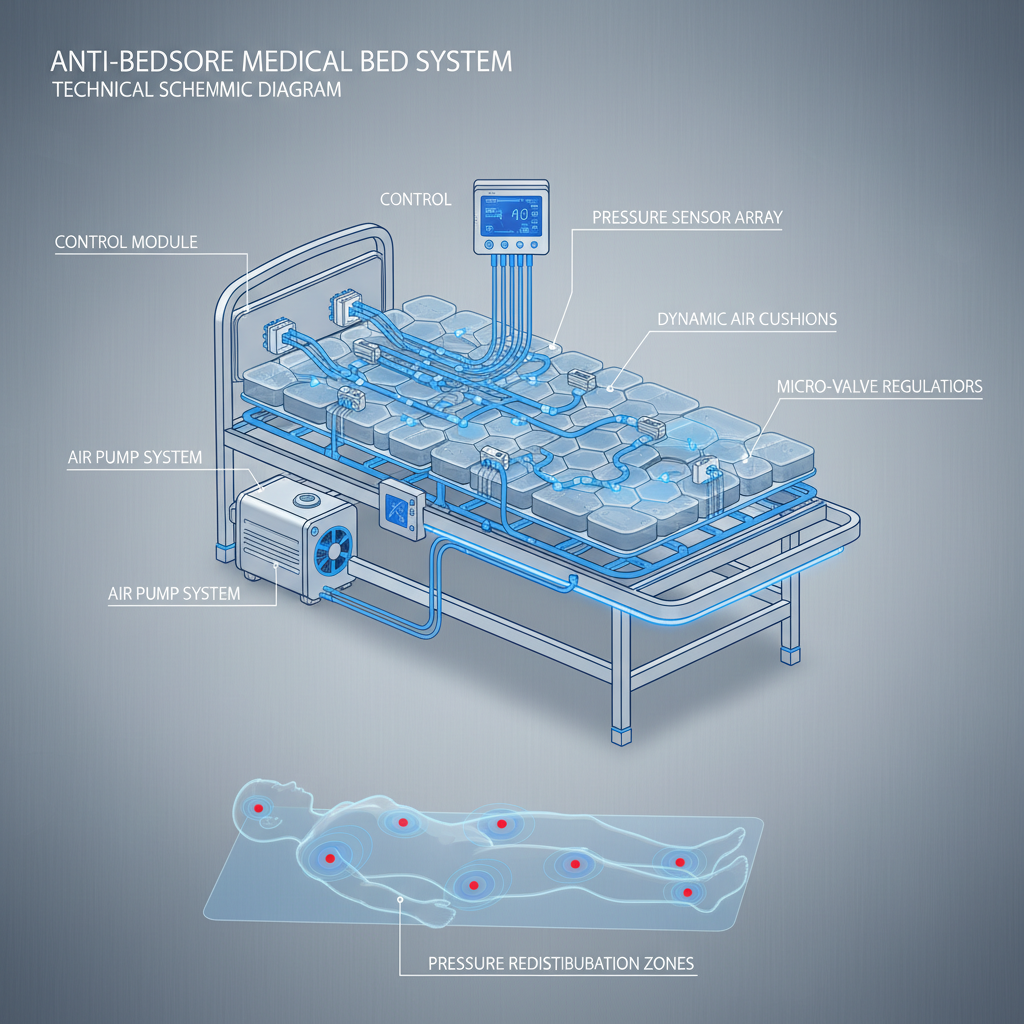
The fundamental principle behind an air mattress for bed sore prevention is pressure redistribution. Traditional mattresses provide static support, meaning pressure is concentrated in areas where the body makes contact. Air mattresses, on the other hand, use adjustable air cells to dynamically shift support, reducing peak pressures. This continuous movement and pressure variation stimulate blood flow and minimize prolonged pressure on any single area of skin. Different types of air mattresses exist, including alternating pressure mattresses and low-air-loss mattresses, each offering unique benefits. These technologies contribute significantly to maintaining skin integrity and preventing tissue breakdown.
Key Benefit: Proactive pressure redistribution minimizes the risk of tissue damage and promotes circulation.
Types of Air Mattresses for Bed Sore Prevention
Several types of air mattresses are available, each designed to address specific needs. Alternating pressure mattresses inflate and deflate air cells in a cyclical pattern, continually changing the pressure points. Low-air-loss mattresses feature tiny perforations that allow a small amount of air to circulate, helping to keep the skin dry and cool, reducing moisture which contributes to skin breakdown. Dynamic air mattresses combine alternating pressure with other features such as humidity control. The best choice depends on the individual's risk level, medical condition, and personal preferences. Chuangen Medicals offers a variety of options to meet diverse requirements.
Air Mattress Types:
• Alternating Pressure
• Low-Air-Loss
• Dynamic Air
Air Mattress to Prevent Bed Sores: Key Features to Consider
When selecting an air mattress, several features are crucial. Consider the pressure range and adjustability – the ability to customize the pressure levels is essential for individual comfort and effectiveness. The material quality affects durability and ease of cleaning. Look for mattresses with waterproof and breathable covers. Cycle time (for alternating pressure mattresses) should be adjustable to suit individual needs. Weight capacity is also an important factor. Finally, ease of use and maintenance are practical considerations. Choosing a mattress with a user-friendly control panel and readily available replacement parts will simplify long-term care.
Who Benefits from Using an Air Mattress for Bed Sore Prevention?
Individuals at risk of developing bed sores can significantly benefit from using an air mattress. This includes those with limited mobility due to paralysis, stroke, or spinal cord injury. Patients who are bedridden or chair-bound for extended periods are also at increased risk. Elderly individuals with fragile skin are particularly vulnerable. Individuals with conditions like diabetes or peripheral vascular disease, which impair circulation, may also benefit. Proactive use of an air mattress can dramatically improve quality of life and reduce the need for costly and painful wound care.
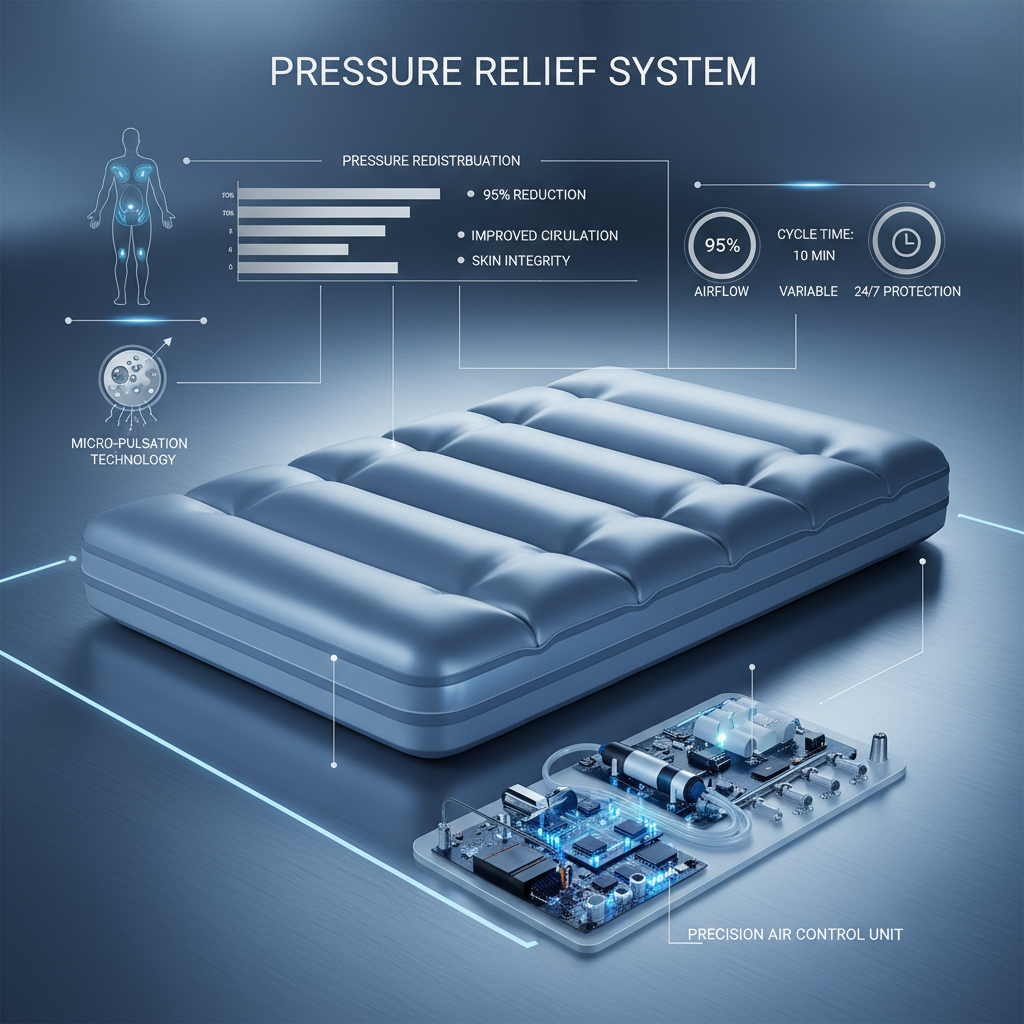
Product Specifications and Choosing the Right Size
Selecting the appropriate size air mattress is vital for optimal comfort and effectiveness. Consider the patient's height and weight when choosing a mattress. Standard sizes include single, double, and queen. It's also important to consider the bed frame dimensions to ensure a proper fit. Chuangen Medicals provides detailed product specifications and sizing guides to assist you in making the right choice.
Conclusion: Investing in Prevention
Choosing the right air mattress to prevent bed sores is an investment in the health and well-being of individuals at risk. By understanding the different types, key features, and appropriate sizing, you can make an informed decision that promotes comfort, prevents tissue damage, and improves quality of life. Don't wait for bed sores to develop – be proactive with pressure injury prevention.
Frequently Asked Questions (FAQs)
How often should the air mattress be inspected?
Regular inspection is crucial. Visually inspect the mattress daily for any signs of damage, such as tears or leaks. Check the control panel to ensure it’s functioning correctly and that the pressure settings are appropriate. Inspect the cover for cleanliness and integrity. A comprehensive inspection should be performed weekly, including checking all connections and air cells. Following the manufacturer’s recommendations for maintenance will prolong the life of the mattress and ensure optimal performance.
Can an air mattress be used with standard sheets and bedding?
Yes, most air mattresses are designed to be used with standard sheets and bedding. However, it’s recommended to use fitted sheets specifically designed for hospital beds or those with extra depth to accommodate the mattress height. Breathable, moisture-wicking sheets are ideal to promote skin health and prevent moisture buildup. Avoid using waterproof underpads that don't allow for airflow, as these can trap moisture against the skin.
What is the difference between alternating pressure and low-air-loss mattresses?
Alternating pressure mattresses cyclically inflate and deflate air cells to redistribute pressure, while low-air-loss mattresses gently circulate air through tiny perforations. Alternating pressure is excellent for overall pressure relief, while low-air-loss is particularly beneficial for individuals with moisture concerns. Some mattresses combine both technologies for enhanced protection. The best choice depends on the patient’s individual needs and risk factors.