In healthcare and home care environments, safely moving individuals with limited mobility is one of the most important—and physically demanding—tasks. This is where a patient transfer chair becomes essential. Designed to assist caregivers and improve patient comfort, this specialized mobility device bridges the gap between traditional wheelchairs and lifting equipment.
In this guide, we’ll explore what a patient transfer chair is, how it works, its benefits, and how to choose the right one for your needs.
What Is a Patient Transfer Chair?
A patient transfer chair is a mobility aid specifically designed to help move individuals from one place to another with minimal physical effort. Unlike standard wheelchairs, which are primarily used for transportation, transfer chairs are built to facilitate safe transfers between surfaces, such as:
Bed to wheelchair
Wheelchair to toilet
Sofa to chair
Car seat to mobility device
These chairs are widely used in hospitals, nursing homes, rehabilitation centers, and increasingly in home care settings. Their main purpose is to reduce the risk of injury for both patients and caregivers during transfers.
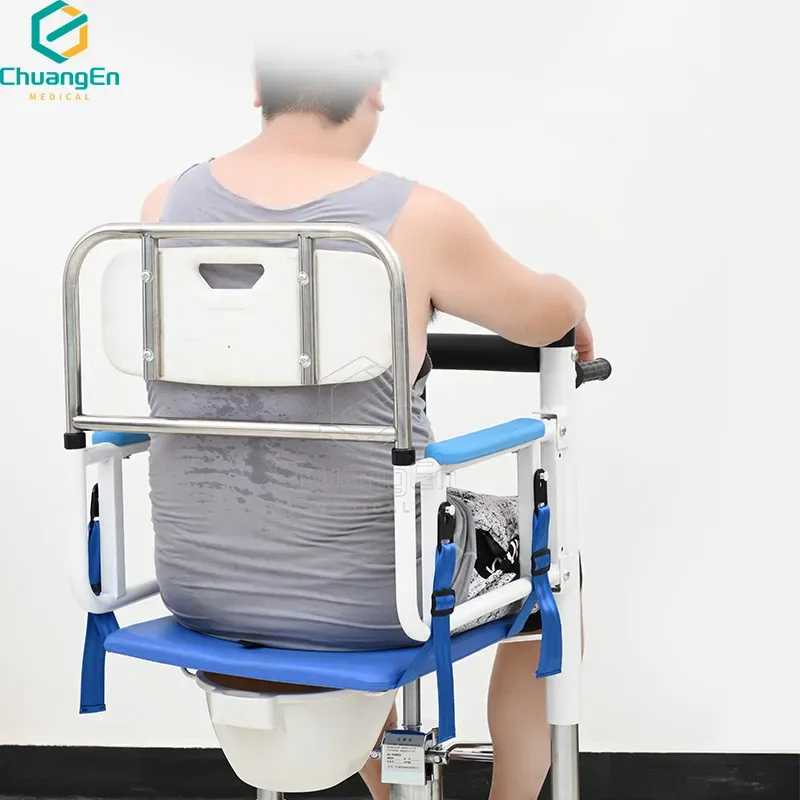
How Does a Patient Transfer Chair Work?
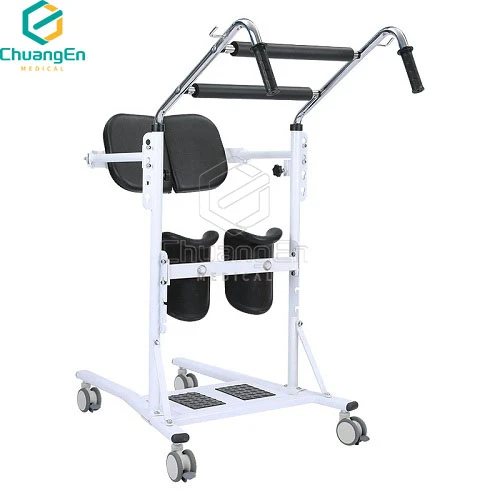
Patient transfer chairs are designed with practical features that make movement easier and safer. While designs vary, most models include:
- Split or opening seats to allow easy positioning under the patient
- Lockable wheels for stability during transfers
- Height adjustment systems (manual or hydraulic)
- Safety belts and armrests for added support
- Footrests and ergonomic seating for comfort
Some advanced models also function as a patient lift transfer chair for home, combining lifting and transport in one device. These models allow caregivers to raise or lower patients without heavy lifting, making daily care much more manageable.
Key Benefits of Using a Patient Transfer Chair
1. Improved Safety
Transfers are one of the most common causes of injury in caregiving. A patient transfer chair minimizes risks by providing stable support and controlled movement.
2. Reduced Caregiver Strain
Manual lifting can lead to back injuries and fatigue. Transfer chairs significantly reduce physical effort, especially in long-term care situations.
3. Enhanced Patient Comfort
With padded seating, smooth movement, and ergonomic design, patients experience less discomfort and anxiety during transfers.
4. Increased Independence
Some users with partial mobility can participate in the transfer process, helping them maintain a sense of independence and dignity.
5. Multi-Functional Use
Many modern transfer chairs can be used as:
Transport chairs
Shower chairs
Commode chairs
Bedside mobility aids
This versatility makes them a cost-effective solution for both families and healthcare providers.
Types of Patient Transfer Chairs
Manual Transfer Chairs
These are simple, cost-effective models that rely on caregiver assistance. Manual transport chairs are ideal for short transfers and light use.
Hydraulic Transfer Chairs
Equipped with a hydraulic system, these chairs allow easy height adjustment and smoother lifting. Hydraulic transfer chairs are commonly used in home care and clinics.
Electric Transfer Chairs
These advanced models use powered lifting systems for maximum convenience. Electric transfer chairs are best suited for patients with very limited mobility.
Foldable and Portable Transfer Chairs
Designed for travel and storage, these chairs are lightweight and easy to transport, making them ideal for use outside the home.
Who Needs a Patient Transfer Chair?
A patient transfer chair is suitable for a wide range of users, including:
- Elderly individuals with reduced mobility
- Patients recovering from surgery
- People with disabilities or chronic conditions
- Individuals with balance or strength limitations
However, it’s important to assess the patient’s physical condition. Fully immobile individuals may require a dedicated patient lift instead of a standard transfer chair.
Patient Transfer Chair vs Wheelchair: What’s the Difference?
Although they may look similar, patient transfer chairs and wheelchairs serve different purposes:
| Feature | Patient Transfer Chair | Wheelchair |
|---|---|---|
| Primary Use | Transfers between surfaces | Mobility and transport |
| User Control | Caregiver-assisted | Can be self-propelled |
| Design | Focused on lifting and positioning | Focused on movement |
| Functionality | Multi-purpose | Primarily transportation |
In short, a transfer chair is not a replacement for a wheelchair, but rather a complementary tool.
How to Choose the Right Patient Transfer Chair
When selecting a transfer chair, consider the following factors:
1. Weight Capacity
Ensure the chair can safely support the user’s weight. Most models support 300–330 lbs, but heavy-duty options are available.
2. Ease of Use
Look for intuitive controls, smooth wheels, and simple assembly. This is especially important for caregivers.
3. Safety Features
Choose models with locking brakes, safety belts, and stable frames to minimize risks.
4. Material and Durability
Waterproof and rust-resistant materials are essential for bathroom use and long-term reliability.
5. Application Needs
Consider where the chair will be used—home, hospital, or travel—and choose accordingly.
Why Patient Transfer Chairs Are Essential in Home Care
As more families choose to care for loved ones at home, the demand for practical mobility solutions continues to grow. A patient lift transfer chair for home provides a safe and efficient way to manage daily tasks such as bathing, toileting, and moving between rooms.
It not only improves the quality of care but also reduces physical and emotional stress for caregivers. Investing in the right transfer chair can make a significant difference in long-term caregiving.
Conclusion
A patient transfer chair is more than just a mobility aid—it is a critical tool for safe, efficient, and dignified patient care. By reducing physical strain, enhancing safety, and improving comfort, it plays a vital role in both professional healthcare settings and home environments.
Whether you are a caregiver, healthcare provider, or family member, understanding how a patient transfer chair works and choosing the right model can greatly improve daily life for everyone involved.