Axillary (underarm) crutches are a common mobility aid for people recovering from injuries or surgery. Proper sizing, posture, and technique are essential to avoid pain or complications. This guide explains how to adjust, walk, sit, stand, and navigate stairs safely using crutches.
Introduction: Why Proper Crutch Use Matters
Axillary crutches are designed to offload weight from one or both legs, helping users maintain mobility during recovery. However, incorrect use can lead to discomfort, nerve compression (especially in the underarms), and even falls. Learning the correct technique ensures both safety and faster rehabilitation.
Whether you’re recovering from a fracture, sprain, or surgery, mastering crutch use is a foundational skill that improves independence and confidence.
What Are Axillary Crutches?
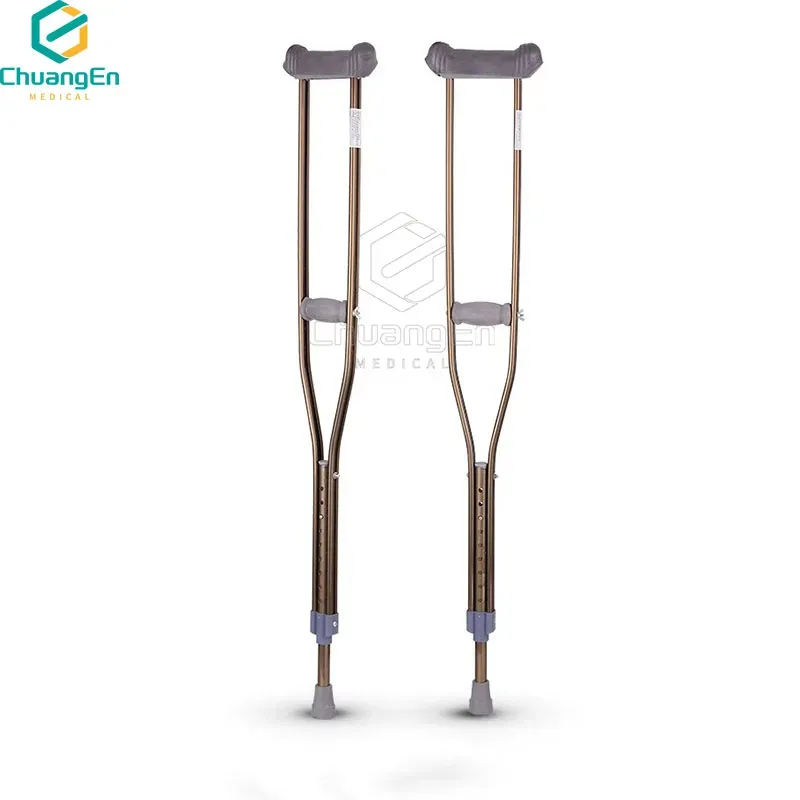
Axillary crutches are mobility aids that fit under the arms and are commonly used for short- to medium-term recovery. They consist of:
- Top pad (rests under the armpit)
- Handgrips (support body weight)
- Adjustable shaft (sets overall height)
- Rubber tips (provide traction)
They are typically prescribed for conditions requiring partial weight-bearing or non-weight-bearing movement.
Step 1: Adjusting Your Crutches Correctly
Before walking, proper adjustment is critical.
Height Adjustment
- Stand upright with shoes on.
- The top of the crutches should be about 1–2 inches (2–3 cm) below your armpits.
- There should be enough space to avoid direct pressure on your underarms.
Handgrip Position
- Adjust the handgrips so your elbows are slightly bent (about 15–30 degrees) when holding them.
- Your hands—not your armpits—should bear your weight.
Why This Matters
Improper height can lead to:
- Shoulder strain
- Poor balance
- Risk of nerve damage (often called “crutch palsy”)
Step 2: Correct Standing Position
Before walking, learn how to stand properly with crutches.
- Place both crutches under your arms.
- Hold the handgrips firmly.
- Keep the crutches slightly to the side of your feet.
- Shift your weight onto your hands.
Important: Never lean your body weight on the underarm pads. This can compress nerves and cause long-term injury.
Step 3: Walking with Axillary Crutches
The walking technique depends on your injury type. The most common is the three-point gait, used when one leg should not bear weight.
Three-Point Gait (Non-Weight-Bearing)
- Move both crutches forward together.
- Lift your injured leg off the ground.
- Push down on the handgrips and swing your body forward.
- Land on your healthy leg.
Repeat this sequence for each step.
Partial Weight-Bearing (Four-Point or Modified Gait)
If your doctor allows partial weight:
- Move one crutch forward
- Move the opposite leg
- Alternate sides for balance
This creates a more natural walking rhythm.
Step 4: Sitting Down Safely
- Back up slowly until you feel the chair behind your legs.
- Hold both crutches in one hand (on the injured side).
- Use your free hand to reach for the chair.
- Lower yourself slowly.
Avoid trying to sit while balancing on both crutches—it increases fall risk.
Step 5: Standing Up from a Chair
- Hold both crutches on one side.
- Push yourself up using the chair and your free hand.
- Once standing, position the crutches under your arms.
Take your time—this is a common moment where balance can be lost.
Step 6: Navigating Stairs
Stairs can be challenging but manageable with the right method.
Going Up Stairs
- Lead with your good leg.
- Then bring crutches and injured leg up together.
Tip to remember: “Up with the good.”
Going Down Stairs
- Place crutches down first.
- Move your injured leg forward.
- Then step down with your good leg.
Tip to remember: “Down with the bad.”
If a handrail is available:
- Use one crutch and the railing for better stability.
Step 7: Common Mistakes to Avoid
1. Leaning on Armpits
This is the most frequent error and can cause nerve damage. Always support weight through your hands.
2. Poor Posture
Keep your back straight and eyes forward. Avoid hunching over.
3. Incorrect Crutch Height
Too high or too low crutches reduce stability and increase fatigue.
4. Moving Too Fast
Rushing increases the risk of slips or falls. Move deliberately and steadily.
5. Ignoring Surface Conditions
Wet floors, loose rugs, or uneven ground can be hazardous.
Step 8: Safety Tips for Everyday Use
- Wear supportive shoes (non-slip soles)
- Check rubber tips regularly for wear
- Keep pathways clear at home
- Use a backpack or crossbody bag to carry items
- Avoid carrying heavy objects while walking
Practical Use Cases
Axillary crutches are widely used in:
- Post-surgery recovery (e.g., knee or ankle procedures)
- Sports injuries (sprains, fractures)
- Temporary mobility limitations
They are particularly useful because they are lightweight, adjustable, and widely available, making them ideal for short-term rehabilitation.
Benefits of Proper Crutch Use
When used correctly, axillary crutches:
- Promote independent mobility
- Reduce pressure on injured limbs
- Prevent further injury
- Support faster recovery timelines
Conclusion
Using axillary crutches effectively requires more than just balance—it involves proper adjustment, correct technique, and awareness of your environment. By following the steps outlined above, you can move safely, reduce discomfort, and maintain independence throughout your recovery.
If you’re unsure about your technique, consult a physical therapist for hands-on guidance. Small adjustments can make a significant difference in comfort and safety.
FAQ
1. How long should I use axillary crutches?
This depends on your injury and your doctor’s recommendation. Most people use them for a few weeks to a few months.
2. Why do my hands hurt when using crutches?
You may be putting excessive weight on your hands or gripping too tightly. Ensure proper adjustment and take breaks if needed.
3. Can I use crutches on wet or uneven surfaces?
Yes, but extra caution is required. Move slowly and ensure the crutch tips have good traction.
4. Are axillary crutches suitable for long-term use?
They are generally intended for short- to medium-term use. For long-term mobility needs, alternatives like forearm crutches or walkers may be more appropriate.
5. What should I do if I feel numbness in my arms?
Stop using the crutches immediately and consult a healthcare professional. This could indicate nerve compression.