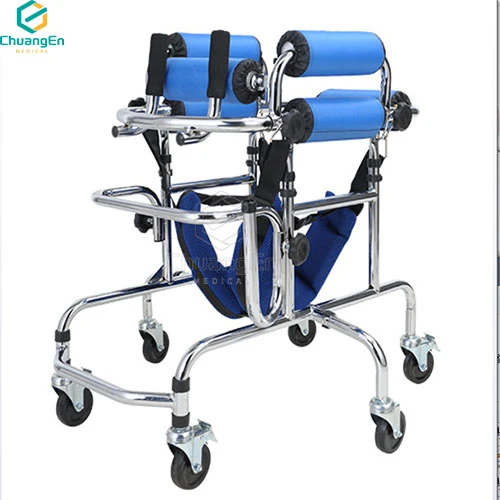
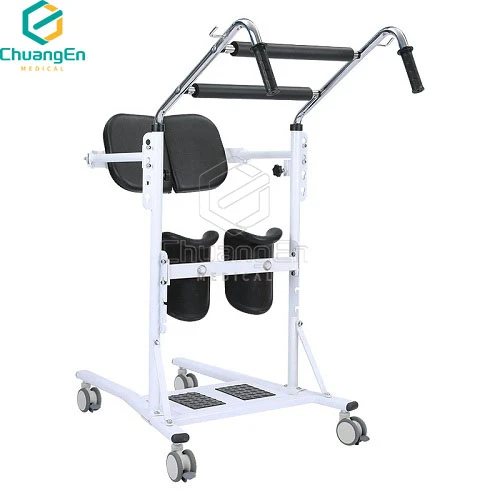
A commode chair over toilet is a practical mobility aid that improves safety, dignity, and independence for elderly and disabled individuals. It reduces fall risks, supports caregivers, and adapts to various living environments—making it an essential solution for home care and rehabilitation settings.
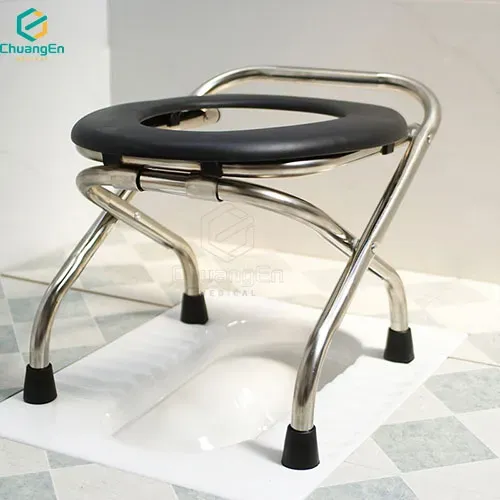
Introduction
As populations age and the demand for home-based care grows, families and caregivers are increasingly seeking solutions that balance safety, comfort, and independence. One such solution is the commode chair—a versatile piece of assistive equipment designed to simplify toileting for individuals with limited mobility.
Whether used temporarily during recovery or as part of long-term care, a commode chair can significantly enhance quality of life. Below, we explore the key benefits and practical value of using a commode chair for elderly and disabled users.
1. Enhanced Safety and Fall Prevention
Bathroom-related falls are one of the leading causes of injury among older adults and people with mobility impairments. Traditional toilets often require walking, turning, and sitting—all of which increase the risk of slips or loss of balance.
A commode chair addresses these risks by:
- Allowing placement near the bed or living area
- Reducing the need for long-distance walking
- Providing stable armrests and back support
For individuals with weakened muscles or balance issues, this can be the difference between safe independence and a serious accident.
2. Improved Independence and Dignity
Maintaining personal dignity is a critical aspect of mental and emotional well-being, especially for those who require assistance with daily activities.
A commode chair empowers users to:
- Manage toileting with minimal or no assistance
- Retain privacy in personal hygiene routines
- Feel less dependent on caregivers
This sense of autonomy can significantly boost confidence and reduce feelings of embarrassment or frustration.
3. Convenience for Bedridden or Limited Mobility Users
For individuals recovering from surgery, injury, or chronic illness, even short trips to the bathroom can be physically exhausting or medically risky.
A commode chair offers:
- Immediate accessibility without needing to transfer to a distant toilet
- Reduced strain on joints and muscles
- Easier nighttime use, especially for those with urgent needs
This convenience is particularly valuable in home care environments where bathroom modifications may not be feasible.
4. Versatility and Multi-Functionality
Modern commode chairs are designed with adaptability in mind. Many models can serve multiple purposes, including:
- Standalone bedside commode
- Raised toilet seat over an existing toilet
- Shower chair (waterproof models)
Some advanced designs even include wheels for transport, detachable buckets for easy cleaning, and foldable frames for storage.
This flexibility makes them suitable for various care scenarios, from short-term rehabilitation to long-term disability support.
5. Reduced Caregiver Burden
Caregiving—whether by family members or professionals—can be physically and emotionally demanding. Tasks like transferring a patient to the bathroom can lead to strain or injury if not managed properly.
A commode chair helps by:
- Minimizing lifting and repositioning efforts
- Simplifying toileting routines
- Allowing safer assisted transfers with armrests and stable frames
This not only protects caregivers from injury but also improves the efficiency of care delivery.
6. Better Hygiene and Infection Control
Maintaining proper hygiene is essential, especially for individuals with compromised immune systems or limited mobility.
Commode chairs are designed for easy sanitation:
- Removable buckets for quick disposal and cleaning
- Smooth, non-porous surfaces that resist bacteria buildup
- Compatibility with disposable liners for added hygiene
This ensures a cleaner environment and reduces the risk of infections.
7. Cost-Effective Home Care Solution
Compared to major bathroom renovations or assisted living facilities, a commode chair is a relatively low-cost investment with high impact.
Benefits include:
- Eliminating the need for expensive structural modifications
- Reducing hospital visits caused by falls
- Supporting aging-in-place strategies
For families managing healthcare budgets, this makes commode chairs a practical and economical choice.
8. Adaptability to Different User Needs
Commode chairs come in a variety of designs tailored to specific requirements, such as:
- Bariatric models for higher weight capacity
- Adjustable height options for ergonomic comfort
- Padded seats for extended use
- Drop-arm designs for easy lateral transfers
This range ensures that users can find a model that aligns with their physical condition and personal preferences.
9. Support for Rehabilitation and Recovery
During post-surgical recovery or physical therapy, minimizing unnecessary movement is often critical.
A commode chair aids recovery by:
- Allowing controlled, safe movement
- Preventing overexertion
- Supporting gradual mobility improvement
Healthcare professionals frequently recommend commode chairs as part of a comprehensive rehabilitation plan.
10. Psychological and Emotional Benefits
Beyond physical advantages, a commode chair can positively impact mental health.
Users often experience:
- Reduced anxiety about reaching the bathroom in time
- Greater sense of control over daily routines
- Increased comfort in familiar home environments
These psychological benefits contribute to overall well-being and recovery outcomes.
Conclusion
A commode chair is more than just a convenience—it is a critical tool for enhancing safety, independence, and quality of life for elderly and disabled individuals. From preventing falls to easing caregiver responsibilities, its benefits extend across physical, emotional, and practical dimensions.
For families and healthcare providers aiming to create a safer and more supportive home care environment, investing in a high-quality commode chair is a logical and impactful decision.
FAQ
Q1: Who should use a commode chair?
Individuals with limited mobility, balance issues, post-surgical recovery needs, or chronic conditions that make accessing a standard toilet difficult.
Q2: Can a commode chair be used over a regular toilet?
Yes, many models are designed to fit over standard toilets, functioning as a raised seat with added support.
Q3: How do you clean a commode chair?
Most chairs feature removable buckets and easy-to-clean surfaces. Regular disinfection is recommended for hygiene.
Q4: Are commode chairs portable?
Many models are lightweight or foldable, making them suitable for travel or storage.
Q5: What features should I look for when buying one?
Key factors include weight capacity, height adjustability, stability, comfort, and ease of cleaning.