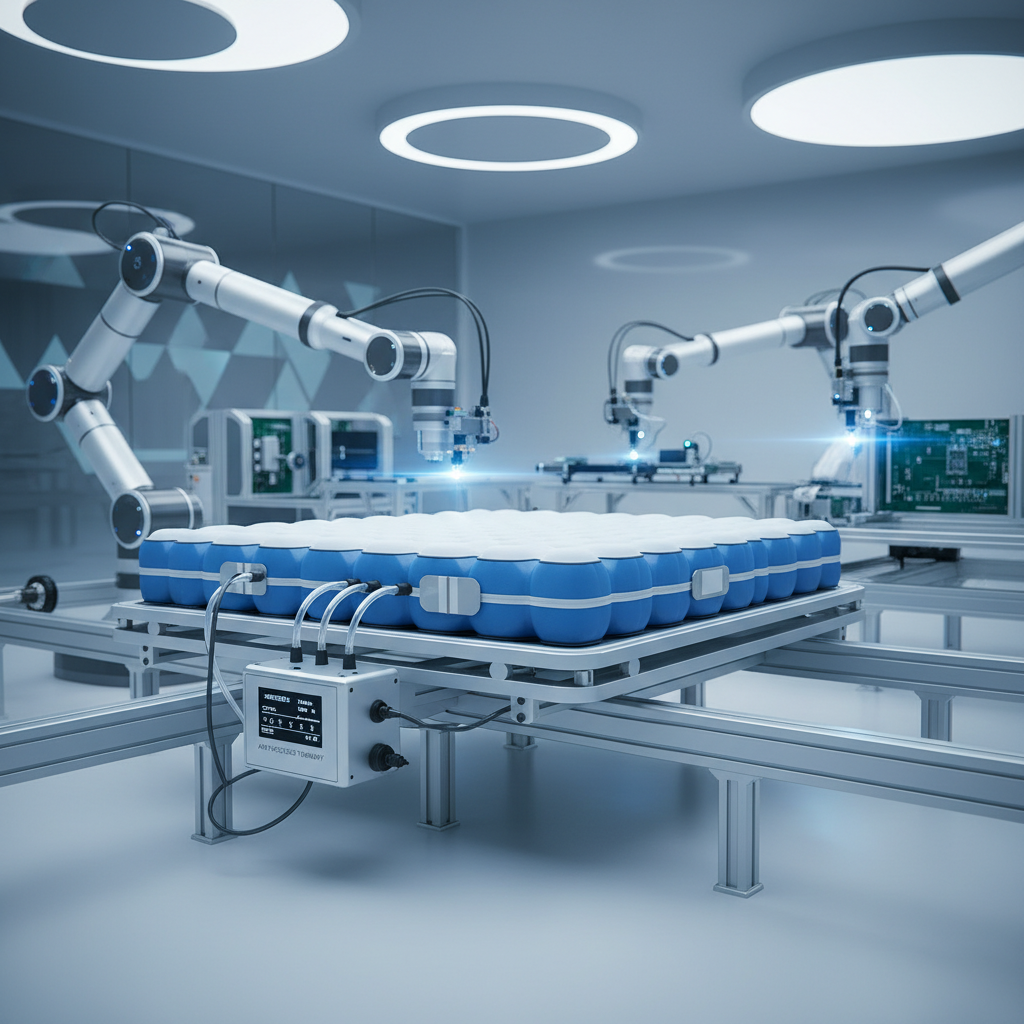
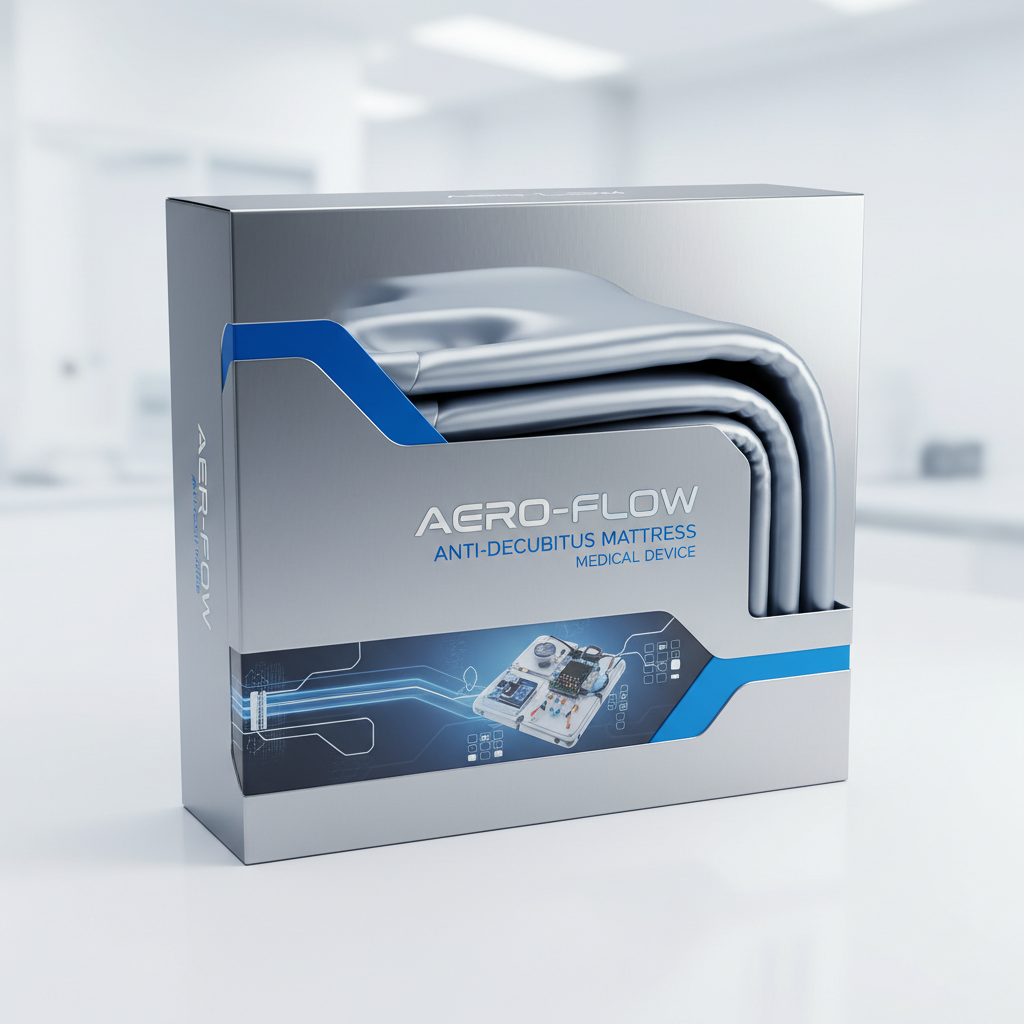
Anti bed sore beds, also known as pressure-relieving beds or low air loss beds, represent a critical advancement in patient care, particularly for individuals at high risk of developing pressure ulcers—commonly known as bedsores. These specialized beds are designed to redistribute pressure, reduce friction, and maintain skin integrity, significantly decreasing the incidence and severity of these debilitating wounds. The growing aging population and increasing prevalence of chronic illnesses globally are driving the demand for effective pressure injury prevention solutions, making anti bed sore bed technology increasingly important.
The significance of anti bed sore beds extends beyond simply treating existing wounds; they are a cornerstone of preventative care. Pressure ulcers not only cause significant pain and discomfort for patients but also lead to increased healthcare costs due to prolonged hospital stays, complex treatments, and potential complications like infections. Innovations in materials, air circulation systems, and monitoring technologies continue to refine the efficacy and accessibility of these beds, contributing to improved patient outcomes and a higher quality of life.
Understanding the nuances of anti bed sore beds is crucial for healthcare professionals, caregivers, and patients alike. This knowledge empowers informed decisions regarding patient positioning, bed selection, and overall pressure injury prevention strategies, ultimately fostering a safer and more comfortable healing environment.
Defining Anti Bed Sore Bed Technology
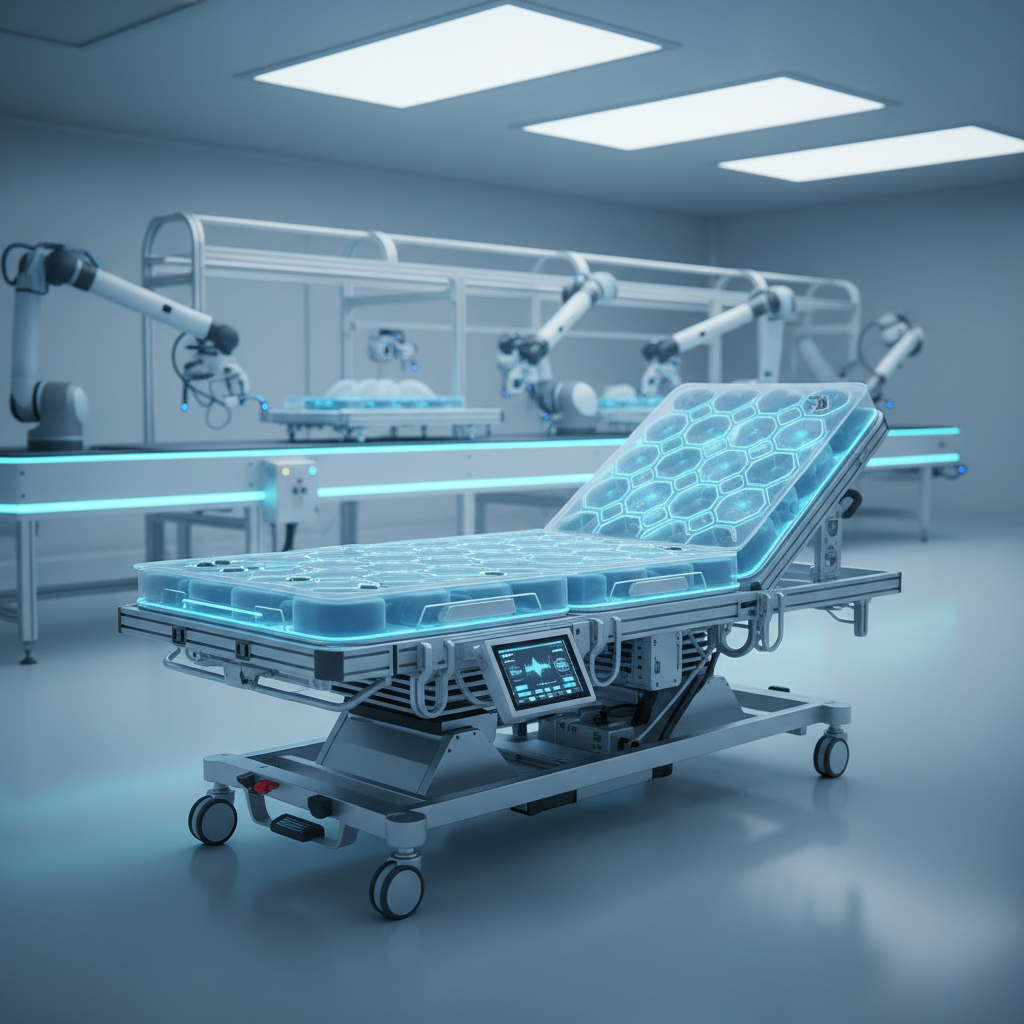
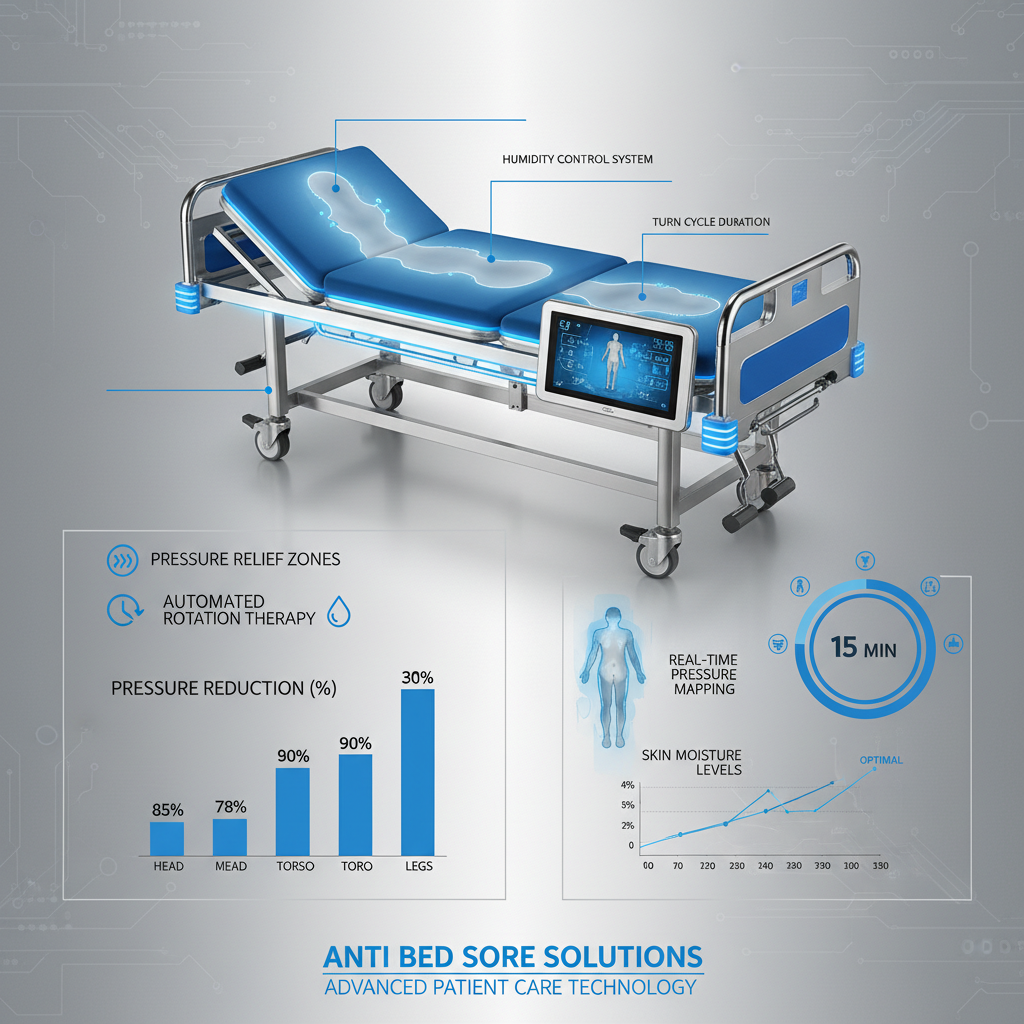
An anti bed sore bed is specifically engineered to mitigate the risk of pressure ulcers. Unlike standard hospital beds, these beds utilize various technologies to redistribute a patient’s weight, minimizing sustained pressure on vulnerable areas like the sacrum, heels, and elbows. This redistribution is achieved through features like alternating pressure air cells, foam mattresses with specialized cutouts, and dynamic air movement systems.
These beds are not merely a reactive solution for treating existing bedsores; they represent a proactive approach to prevention. Their development stems from decades of research into biomechanics, materials science, and wound care, aligning with the modern imperative to prioritize preventative healthcare and reduce the burden on healthcare systems.
The Global Impact of Pressure Ulcers
Pressure ulcers pose a significant global health challenge. The World Health Organization estimates that approximately 1-4% of hospitalized patients develop pressure ulcers, with incidence rates being even higher in long-term care facilities. The financial burden of treating these wounds is substantial, estimated to cost healthcare systems billions of dollars annually. Beyond the economic impact, pressure ulcers significantly diminish patients’ quality of life, causing pain, limiting mobility, and increasing the risk of serious infections.
The prevalence of pressure ulcers is particularly concerning in aging populations and among individuals with chronic conditions such as diabetes, spinal cord injuries, and peripheral vascular disease. Addressing this issue requires a multi-faceted approach, with anti bed sore beds playing a vital role as a preventative measure. International standards like ISO 13485 emphasize the importance of quality management systems in the design and manufacture of medical devices, including these specialized beds, ensuring patient safety and efficacy.
The increasing focus on value-based healthcare is also driving demand for solutions that not only improve patient outcomes but also reduce healthcare costs. Investing in preventative measures like pressure-relieving beds aligns with this trend, offering a cost-effective strategy for minimizing the complications and expenses associated with pressure ulcers.
Key Components of Anti Bed Sore Bed Design
Several key components contribute to the effectiveness of an anti bed sore bed. First, the mattress surface itself is crucial, with options ranging from foam mattresses with strategically placed cutouts to dynamic air mattress systems featuring alternating pressure cells. These systems constantly adjust pressure distribution, preventing prolonged contact in any single area.
Secondly, the bed frame often incorporates features like adjustable height and positioning, allowing healthcare professionals to optimize patient comfort and pressure relief. Integrated side rails and caregiver controls enhance safety and ease of use. Thirdly, material selection plays a vital role; breathable, moisture-wicking fabrics are essential for maintaining skin dryness and preventing maceration.
Finally, advanced beds may include integrated sensors and monitoring systems that track patient movement and pressure distribution, providing valuable data to healthcare providers and enabling proactive adjustments to the bed settings. The interplay of these components ensures a comprehensive approach to pressure injury prevention.
Performance Metrics and Quality Assurance
Evaluating the performance of an anti bed sore bed requires assessing several key metrics. Pressure mapping technology is used to visualize and quantify pressure distribution across the mattress surface, identifying areas of high risk. Clinical trials and observational studies evaluate the incidence of pressure ulcers among patients using these beds compared to those receiving standard care.
Quality assurance is paramount in the manufacturing of these devices. Compliance with international standards, such as ISO 13485 (Medical devices — Quality management systems — Requirements for regulatory purposes), ensures that the beds are designed, manufactured, and tested to meet rigorous safety and performance criteria. Regular inspections and audits are crucial for maintaining product quality and preventing defects.
Comparison of Anti Bed Sore Bed Features
Applications Across Healthcare Settings
Anti bed sore beds find applications in a diverse range of healthcare settings. Hospitals utilize these beds in intensive care units, post-surgical wards, and geriatric departments to prevent pressure ulcers in vulnerable patients. Long-term care facilities rely on them to provide ongoing protection for residents with limited mobility.
Home healthcare agencies deploy these beds for patients receiving care in their own homes, ensuring continuity of pressure injury prevention. Furthermore, specialized rehabilitation centers incorporate these beds into comprehensive treatment plans to promote healing and improve quality of life.
The Long-Term Benefits and Cost-Effectiveness
The long-term benefits of investing in anti bed sore beds extend far beyond the prevention of pressure ulcers. Reduced wound care costs, decreased hospital stay durations, and minimized risk of complications contribute to significant economic savings for healthcare systems. Improved patient comfort and quality of life enhance patient satisfaction and promote faster recovery.
From a societal perspective, preventing pressure ulcers alleviates the burden on caregivers, reduces healthcare disparities, and promotes a more dignified and compassionate approach to patient care. The sustainability of these solutions is also a growing consideration, with manufacturers increasingly focusing on durable materials and energy-efficient designs.
The emotional benefits are also significant. Preventing pressure ulcers reduces patient suffering and enhances their sense of wellbeing, fostering trust in the healthcare system and promoting a positive care experience.
Future Innovations in Pressure Injury Prevention
The field of pressure injury prevention is constantly evolving. Future innovations in anti bed sore beds are likely to focus on integrating artificial intelligence and machine learning to personalize pressure relief strategies based on individual patient needs. Advanced sensor technologies will provide real-time monitoring of skin health and early detection of potential pressure ulcer development.
The development of bio-integrated sensors and smart textiles could enable continuous monitoring of skin microclimate and pressure distribution, providing even more proactive and personalized care. Furthermore, research into novel materials with enhanced pressure-redistributing properties and antimicrobial characteristics will contribute to more effective and durable bed designs.
The convergence of digital health technologies and preventative medicine promises to revolutionize pressure injury prevention, shifting the focus from reactive treatment to proactive, personalized care.
Core Considerations in Anti Bed Sore Bed Implementation
| Patient Risk Level |
Bed Type Selection |
Staff Training Requirements |
Maintenance Schedule |
| Low |
Foam Mattress with Cutouts |
Basic Positioning Techniques |
Monthly Visual Inspection |
| Moderate |
Alternating Pressure Air Mattress |
Operation of Air Control Unit |
Quarterly Filter Replacement |
| High |
Low Air Loss Mattress |
Advanced Positioning and Skin Assessment |
Annual System Check |
| Very High (Immobile) |
Combined Low Air Loss and Alternating Pressure |
Comprehensive Wound Care Training |
Semi-Annual Motor Inspection |
| Neurological Impairment |
Specialized Contour Mattress |
Neurological Assessment and Repositioning Protocol |
Regular Sensor Calibration |
| Acute Critical Care |
Dynamic Air Mattress with Continuous Repositioning |
Critical Care Pressure Injury Prevention Bundle |
Daily System Performance Verification |
FAQS
Foam mattresses, especially those with cutouts, redistribute pressure but offer limited dynamic adjustment. Air mattresses, particularly alternating pressure models, actively change pressure points, providing superior pressure relief. The choice depends on the patient’s risk level. Higher risk patients generally benefit more from the dynamic adjustments of air mattresses.
Repositioning frequency varies based on patient risk and the type of bed. Generally, patients at high risk should be repositioned at least every two hours, even with a pressure-relieving bed. The bed should be utilized in conjunction with a comprehensive repositioning schedule and skin care routine to maximize effectiveness.
Regular maintenance includes visual inspection of the mattress for tears or damage, cleaning according to the manufacturer’s instructions, and checking the functionality of air pumps and control units. Filter replacements and system checks may be required periodically as outlined in the user manual.
While highly effective, anti bed sore beds aren’t a one-size-fits-all solution. Certain medical conditions may necessitate specific bed types or adjustments. Consulting with a healthcare professional is crucial to determine the most appropriate bed and care plan for each patient, considering their individual needs and risk factors.
Comprehensive training programs are essential. These should cover bed operation, pressure mapping interpretation, proper patient positioning, skin assessment techniques, and troubleshooting common issues. Regular refresher courses can reinforce best practices and ensure consistent, safe usage.
The lifespan of an anti bed sore bed varies depending on usage and maintenance. High-quality beds can last for 3-5 years with proper care. However, regular inspections and adherence to manufacturer guidelines are essential for maximizing longevity. Component failures, such as air pump malfunctions, may require repairs or replacement.
Conclusion
Anti bed sore beds represent a vital investment in patient care, offering significant benefits in terms of pressure injury prevention, improved patient outcomes, and reduced healthcare costs. Their continued evolution, driven by technological advancements and a deeper understanding of biomechanics and wound healing, promises even more effective and personalized solutions for managing pressure-related risks.
Looking ahead, the integration of artificial intelligence, advanced sensors, and proactive monitoring systems will undoubtedly reshape the landscape of pressure injury prevention. By embracing these innovations and prioritizing a holistic approach to patient care, we can significantly reduce the incidence and severity of pressure ulcers, enhancing the quality of life for countless individuals. Visit our website: www.chuangenmedicals.com