Understanding the Cost of Air Beds for Patients
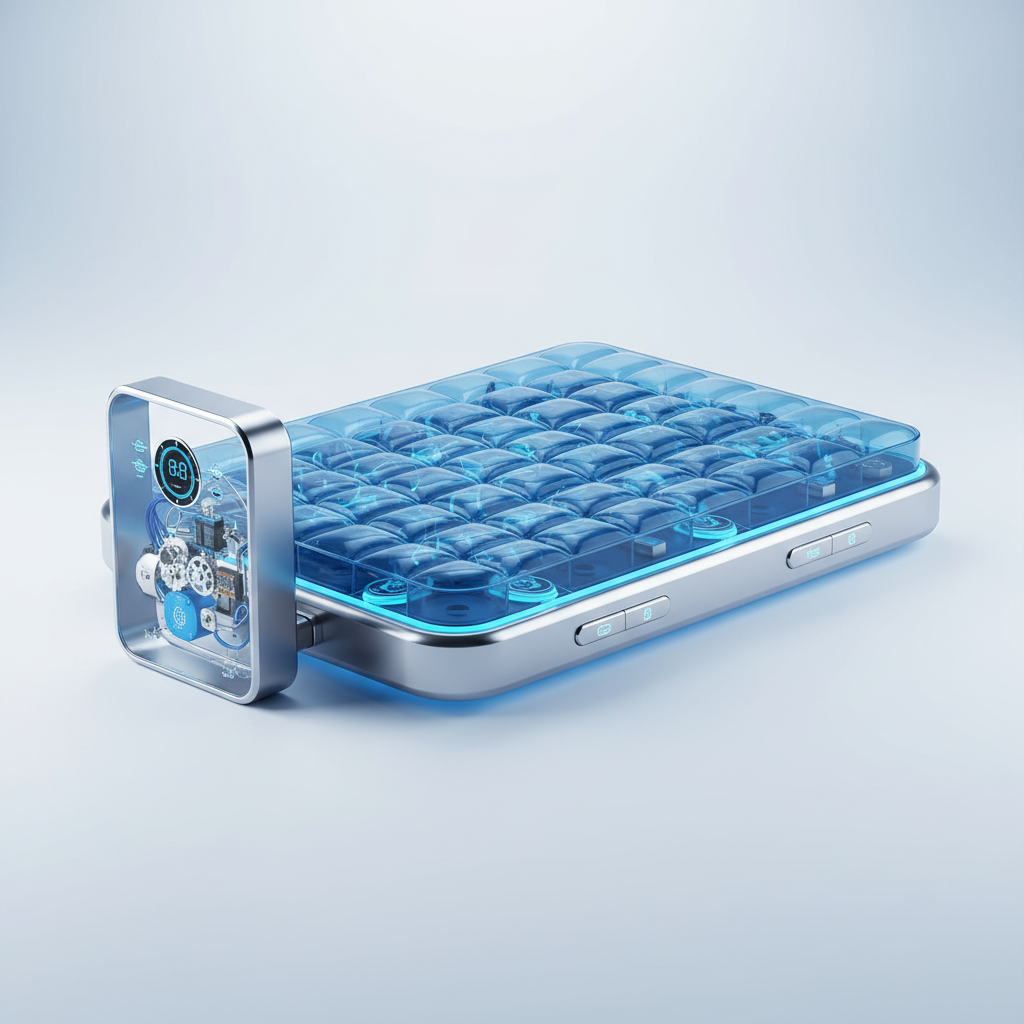
Air beds, also known as alternating pressure mattresses (APMs), are crucial for preventing and treating pressure ulcers in patients with limited mobility. The cost of air beds for patients can vary significantly depending on features, quality, and the supplier. This article provides a comprehensive overview of factors influencing the price, different types available, and what to expect when budgeting for this essential medical equipment. Choosing the right air bed is a vital part of patient care, and understanding the associated costs is paramount for healthcare facilities and individuals alike.

Factors Influencing the Cost of Air Beds
Several factors contribute to the price range of air beds for patients. These include the type of air bed (low air loss, alternating pressure, hybrid), the number of pressure zones, the materials used (vinyl, nylon, polyurethane), the presence of additional features (like digital controls, CPR deflation), and the brand reputation. More advanced features and higher-quality materials generally translate to a higher price point. The size of the bed also matters, with larger sizes often costing more. Furthermore, purchasing directly from a manufacturer versus a distributor can affect the final cost.
Key Considerations: The complexity of the system, material quality, and included features all impact the overall cost. Considering the patient's needs and the required level of support is crucial when assessing budget requirements.
Types of Air Beds and Their Associated Costs
There are several types of air beds available, each with a different price range. Alternating pressure air mattresses, the most common type, typically range from $300 to $1,500. Low air loss mattresses, designed for patients with heavier moisture issues, generally cost between $800 and $3,000. Hybrid mattresses, combining alternating pressure with low air loss, are the most expensive, ranging from $1,500 to $5,000 or more. The air beds from Chuangen Medicals offer various options to suit different budgets and patient needs.
Air Bed Type Comparison:
• Alternating Pressure: $300 - $1,500
• Low Air Loss: $800 - $3,000
• Hybrid: $1,500 - $5,000+
Cost of Air Beds for Patients: A Detailed Breakdown
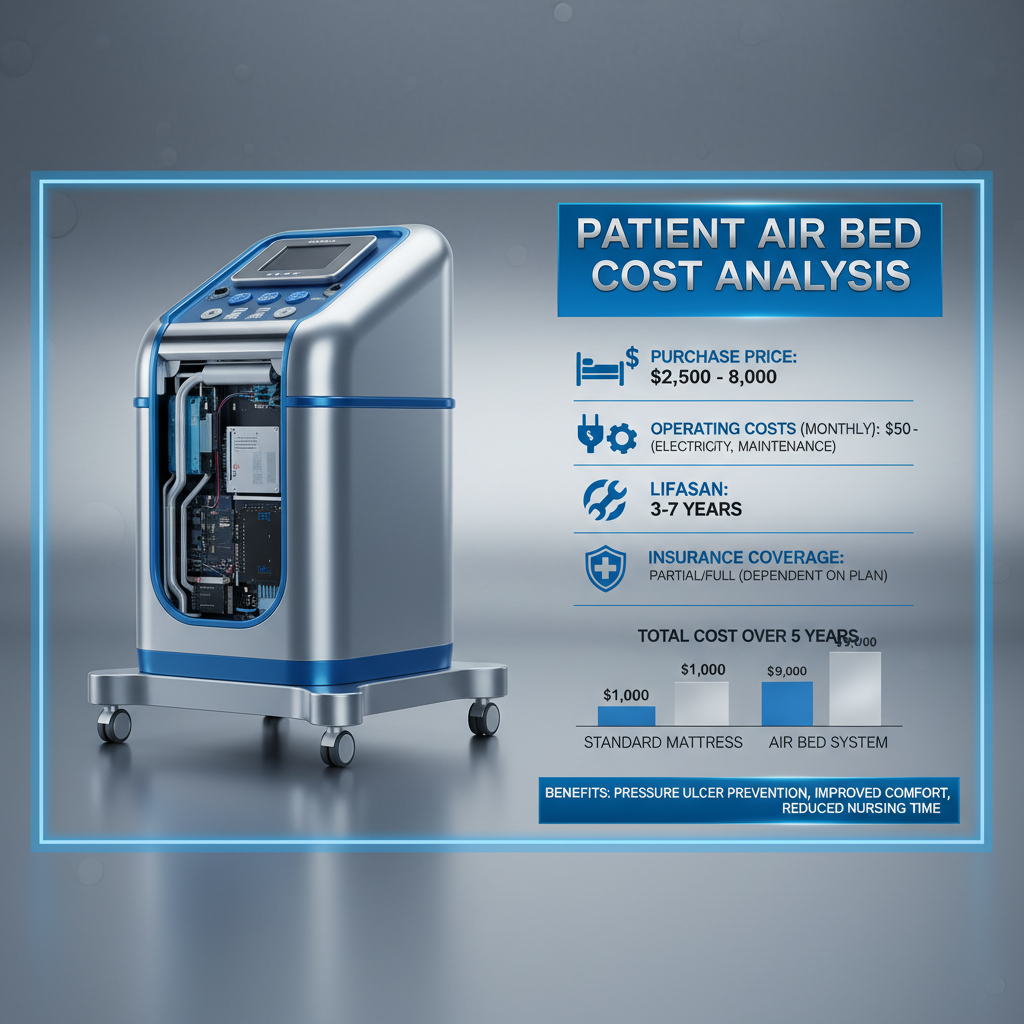
Here’s a more detailed breakdown of the costs associated with different air beds, including typical price ranges and features. Keep in mind these are estimates and prices can vary. Additional costs to consider include pump replacement (typically every 1-2 years, costing $100-$500), mattress covers (around $50-$200 each), and repair costs.
Long-Term Cost Considerations & Maintenance
Beyond the initial purchase price, it’s important to factor in long-term costs. Regular maintenance, including cleaning and inspection, is essential for prolonging the life of the air bed and ensuring its effectiveness. Consider the cost of replacement parts, such as pumps and mattress covers, when budgeting. Proactive maintenance can help prevent costly repairs or replacements down the line.
Factors That May Lower the Cost
Several strategies can help lower the cost of an air bed. Purchasing refurbished models from reputable suppliers can offer significant savings. Negotiating with suppliers, especially for bulk purchases, is another option. Leasing options are available and can be a good choice for short-term needs. Finally, checking for insurance coverage or financial assistance programs may help offset the costs.
Conclusion: Making an Informed Investment
Understanding the cost of air beds for patients requires careful consideration of various factors. By evaluating the patient’s needs, researching different types of air beds, and factoring in long-term costs, healthcare professionals and individuals can make an informed investment in this essential medical equipment. Prioritizing quality and reliability ensures optimal patient care and minimizes the risk of complications.
Frequently Asked Questions (FAQs)
How often should I replace an air bed mattress?
Generally, air bed mattresses should be replaced every 2-5 years, depending on usage and the quality of the mattress. Factors like patient weight, frequency of use, and proper maintenance all influence longevity. Look for signs of wear and tear, such as cracks in the material, compromised cell integrity, or difficulty maintaining pressure. Replacing the mattress proactively can prevent skin breakdown and ensure optimal patient comfort and safety.
Does insurance typically cover the cost of an air bed?
Insurance coverage for air beds varies depending on the policy and the patient's medical needs. Generally, insurance will cover the cost if the air bed is deemed medically necessary by a physician, typically for the prevention or treatment of pressure ulcers. A prescription and documentation outlining the medical necessity are usually required. It's best to contact the insurance provider directly to confirm coverage details and any pre-authorization requirements.
What is the cost of maintaining an air bed?
Maintenance costs include regular cleaning of the mattress and pump, replacement of mattress covers (approximately $50-$200 each), and potential pump replacement (around $100-$500 every 1-2 years). Routine visual inspections for damage are also essential. The cost of electricity to run the pump is relatively low, but should be factored in. Following the manufacturer's maintenance recommendations can help minimize these costs.
Are there affordable alternatives to expensive air beds?
While expensive air beds offer advanced features, more affordable alternatives exist. Foam mattresses designed for pressure relief can be a good option for patients with lower risk levels. Repositioning schedules, frequent turning, and the use of pressure-reducing cushions can also help prevent pressure ulcers, reducing the immediate need for an air bed. Consult with a healthcare professional to determine the most appropriate and cost-effective solution for the patient's specific needs.