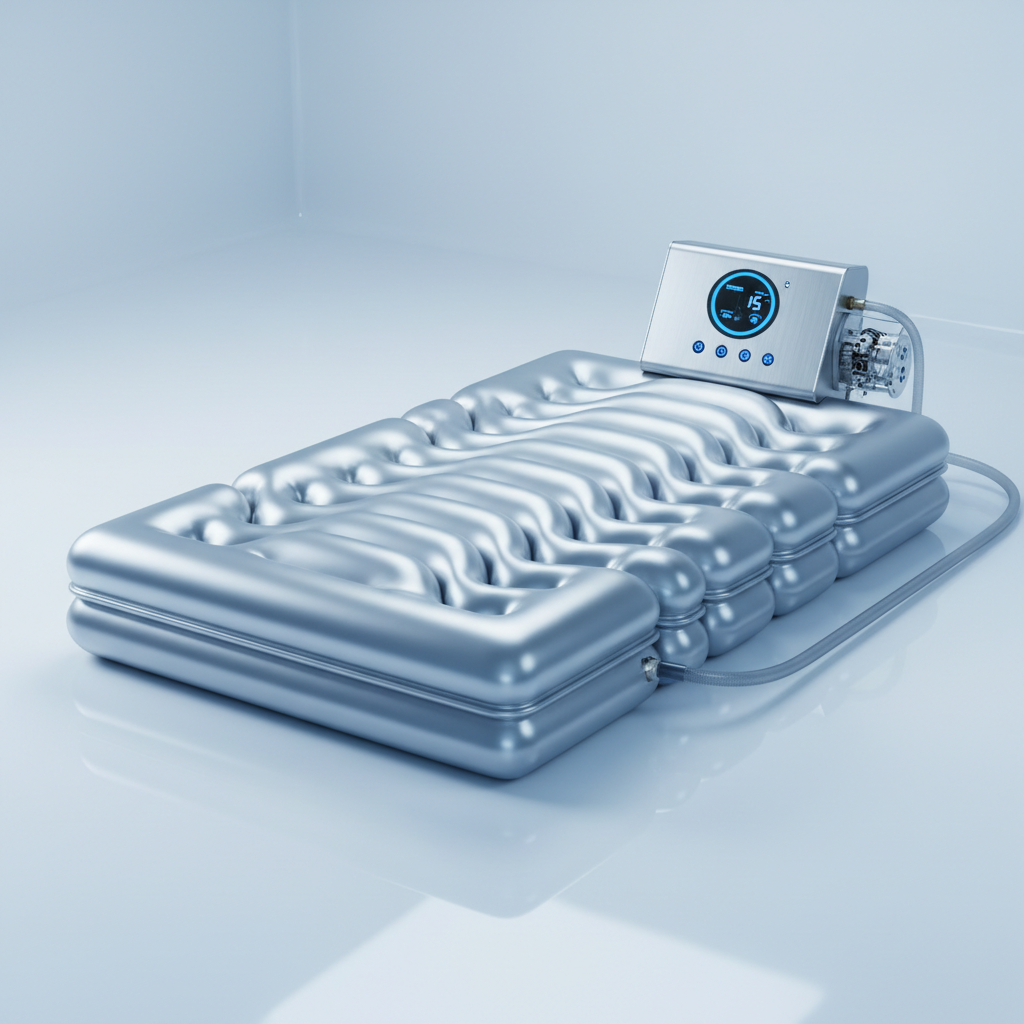
Medical Air Mattress: A Comprehensive Guide
In healthcare settings, patient comfort and pressure ulcer prevention are paramount. A medical air mattress plays a vital role in achieving both. These specialized mattresses distribute weight evenly, reducing pressure points and minimizing the risk of skin breakdown, particularly for patients with limited mobility. This article will explore the benefits, types, features, and considerations when selecting a medical air mattress, helping you make an informed decision for optimal patient care. Understanding the technology and options available is key to providing the best possible support and comfort for those in need.

Why Choose a Medical Air Mattress?
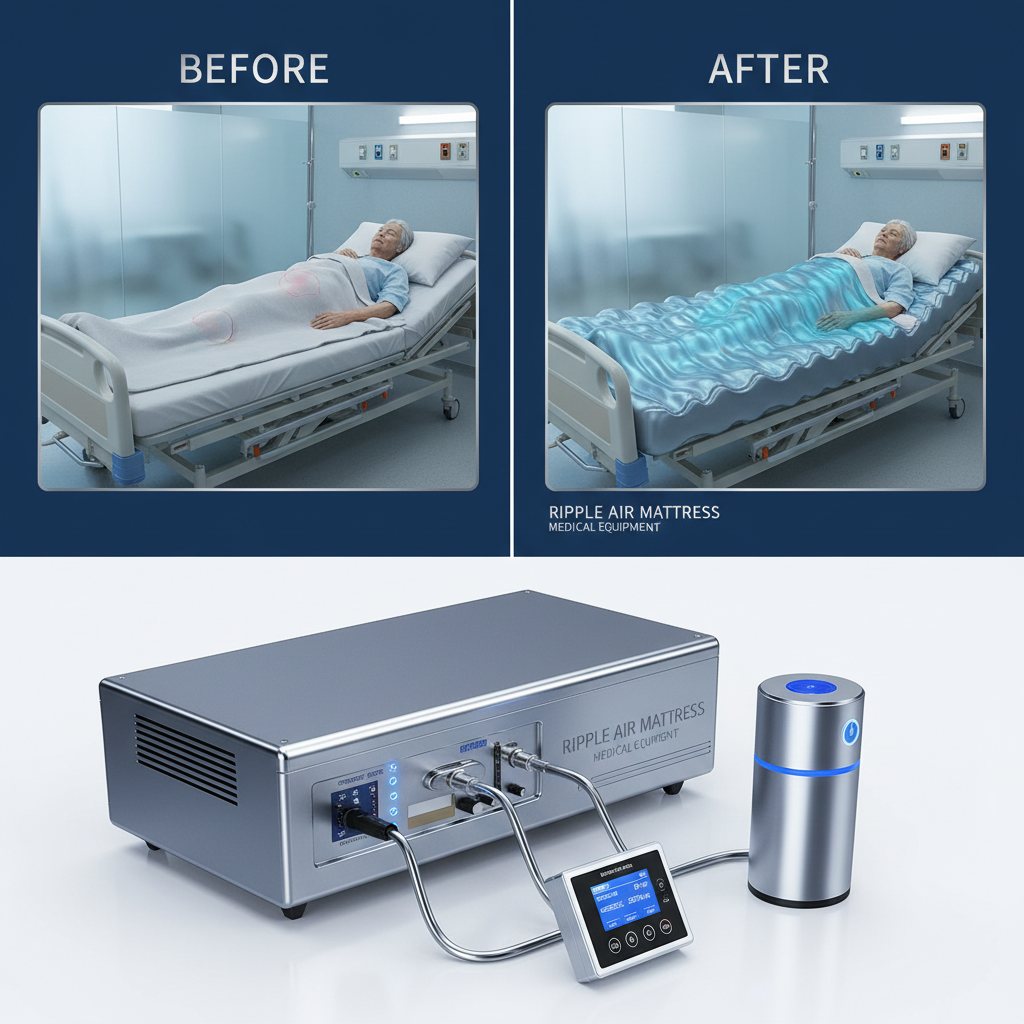
Traditional hospital mattresses often lack the necessary support and pressure redistribution capabilities to adequately protect vulnerable patients. Medical air mattresses address this issue by utilizing air cells that can be individually adjusted to conform to the patient's body contours. This dynamic support system minimizes shear, friction, and prolonged pressure on bony prominences, significantly reducing the risk of pressure injuries. Beyond prevention, these mattresses can also aid in the healing of existing wounds by promoting circulation and offloading pressure. Investing in a quality medical air mattress is a proactive step towards enhancing patient outcomes and reducing healthcare costs associated with wound care.
Key Benefits: Reduced pressure ulcer risk, improved patient comfort, enhanced circulation, and support for wound healing.
Types of Medical Air Mattresses
Medical air mattresses come in various designs, each suited to different patient needs and care settings. The most common types include:
- Alternating Pressure Mattresses: These mattresses cyclically inflate and deflate air cells, continuously changing the pressure points and promoting circulation.
- Low Air Loss Mattresses: These mattresses feature tiny perforations that allow a constant, gentle airflow, keeping the skin dry and cool and reducing moisture buildup.
- Hybrid Mattresses: Combining alternating pressure and low air loss technologies, these mattresses provide comprehensive pressure redistribution and moisture management.
- Static Air Mattresses: These provide constant, uniform support without cycling and are suitable for patients with certain conditions.
The choice of mattress type depends on the patient's risk level, skin condition, and specific medical requirements.
Mattress Type Guide:
• Alternating Pressure: Moderate to High Risk Patients
• Low Air Loss: Patients with moisture concerns or fragile skin
• Hybrid: High Risk Patients requiring both pressure and moisture management.
• Static Air: Low Risk Patients seeking enhanced comfort.
Key Features to Consider When Choosing a Medical Air Mattress
When selecting a medical air mattress, several key features should be considered. Adjustable pressure settings are crucial to customize support levels for individual patients. Look for mattresses with a quiet compressor to minimize noise disruption. The ease of cleaning and disinfection is also important for maintaining hygiene. Durability and the quality of materials impact the mattress's longevity and reliability. Finally, ensure the mattress meets relevant safety standards and certifications.
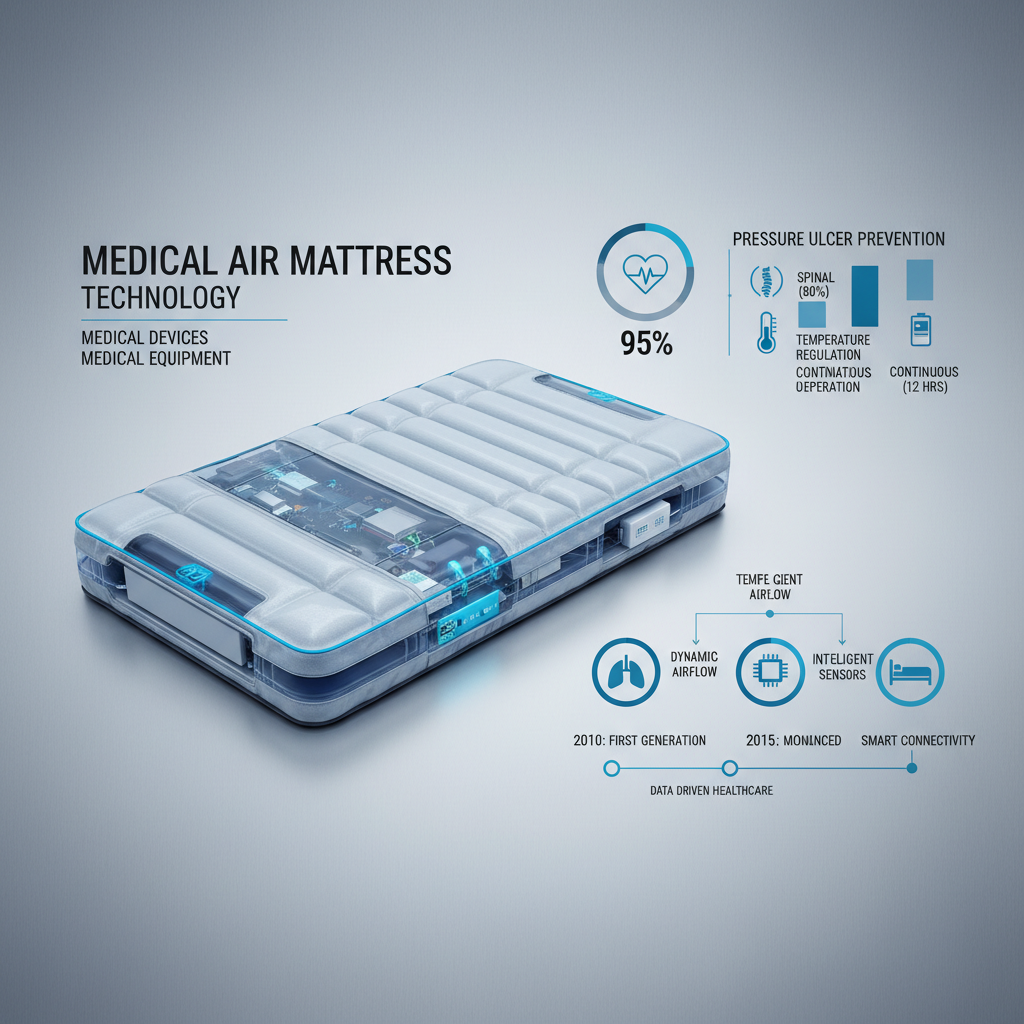
Choosing the Right Mattress: A Comparison of Popular Models
Selecting the ideal medical air mattress requires careful consideration of available options. Here's a brief comparison of some popular models:
Maintaining Your Medical Air Mattress
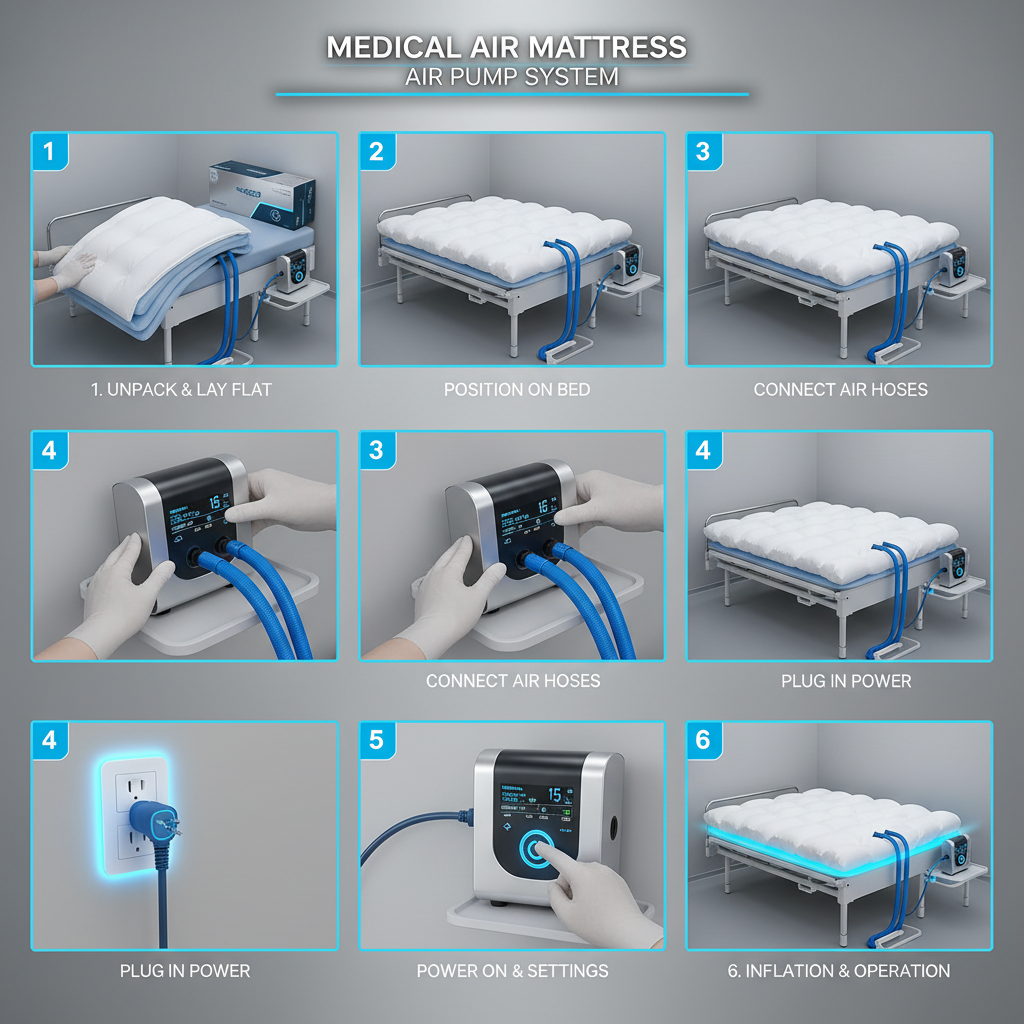
Proper maintenance is crucial to ensure the longevity and effectiveness of your medical air mattress. Regularly inspect the mattress for any signs of damage, such as tears or punctures. Clean the mattress surface according to the manufacturer's instructions. Ensure the compressor is functioning properly and that the air filters are clean. Follow the recommended maintenance schedule to prevent malfunctions and extend the lifespan of the mattress.
Conclusion: Investing in Patient Well-being
Investing in a high-quality medical air mattress is a vital step towards providing optimal patient care and preventing pressure injuries. By understanding the different types, features, and maintenance requirements, healthcare professionals can make informed decisions that enhance patient comfort, promote healing, and improve overall outcomes. Prioritizing patient well-being through the right equipment is an investment that pays dividends in improved quality of life and reduced healthcare costs.
Frequently Asked Questions (FAQs)
How often should a medical air mattress be replaced?
The lifespan of a medical air mattress varies depending on usage and maintenance. Generally, mattresses should be replaced every 3-5 years, or sooner if there are signs of damage like punctures or air leaks. Regular inspection and adherence to the manufacturer's guidelines are crucial. Consistent and proper use in a healthcare setting may necessitate more frequent replacements than in a home environment. It's important to prioritize patient safety and ensure the mattress provides adequate support and pressure redistribution.
Are medical air mattresses suitable for all patients?
While medical air mattresses are beneficial for many patients, they are not suitable for everyone. Patients with unstable spines, certain types of fractures, or specific medical conditions may require alternative support surfaces. It’s crucial to consult with a healthcare professional to determine the most appropriate mattress based on the patient’s individual needs and medical history. The type of mattress (alternating pressure, low air loss, etc.) should also be carefully selected based on the patient's risk factors and skin condition.
How do I clean and disinfect a medical air mattress?
Cleaning and disinfection protocols vary depending on the mattress model. Always refer to the manufacturer's instructions for specific guidance. Generally, the mattress surface can be cleaned with a mild detergent and water, followed by a disinfectant approved for healthcare use. Ensure the mattress is completely dry before applying a protective cover. Regular cleaning and disinfection are essential for preventing the spread of infections and maintaining a hygienic environment.