Understanding Bedsore Mattress Price and Choosing the Right Solution
Pressure injuries, commonly known as bedsores, are a significant concern for individuals with limited mobility. Choosing the right mattress is crucial for prevention and healing. Understanding the bedsore mattress price range and the features that influence it can help you make an informed decision. This article will guide you through the factors affecting price, different mattress types, and how to select the best option for your needs. Investing in a quality bedsore mattress is a proactive step towards improved patient care and overall well-being.
Factors Influencing Bedsore Mattress Price
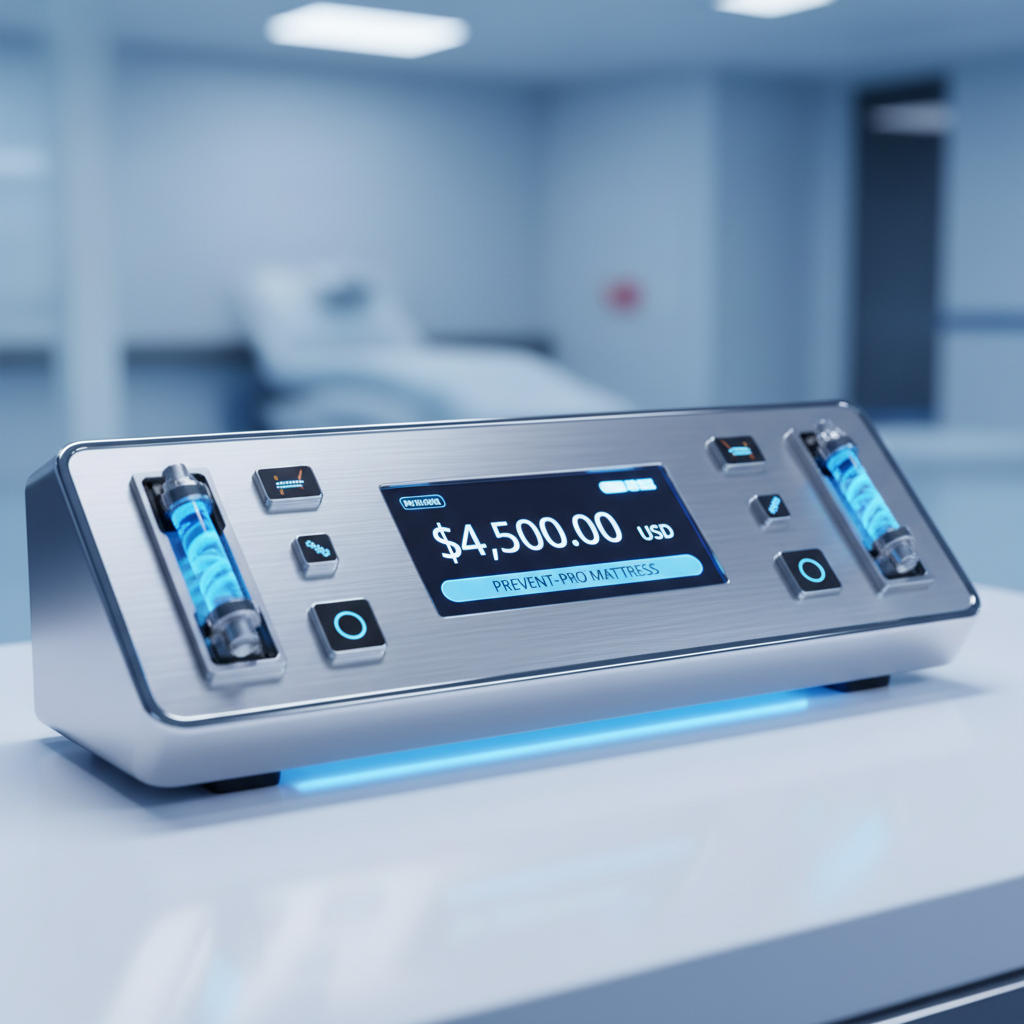
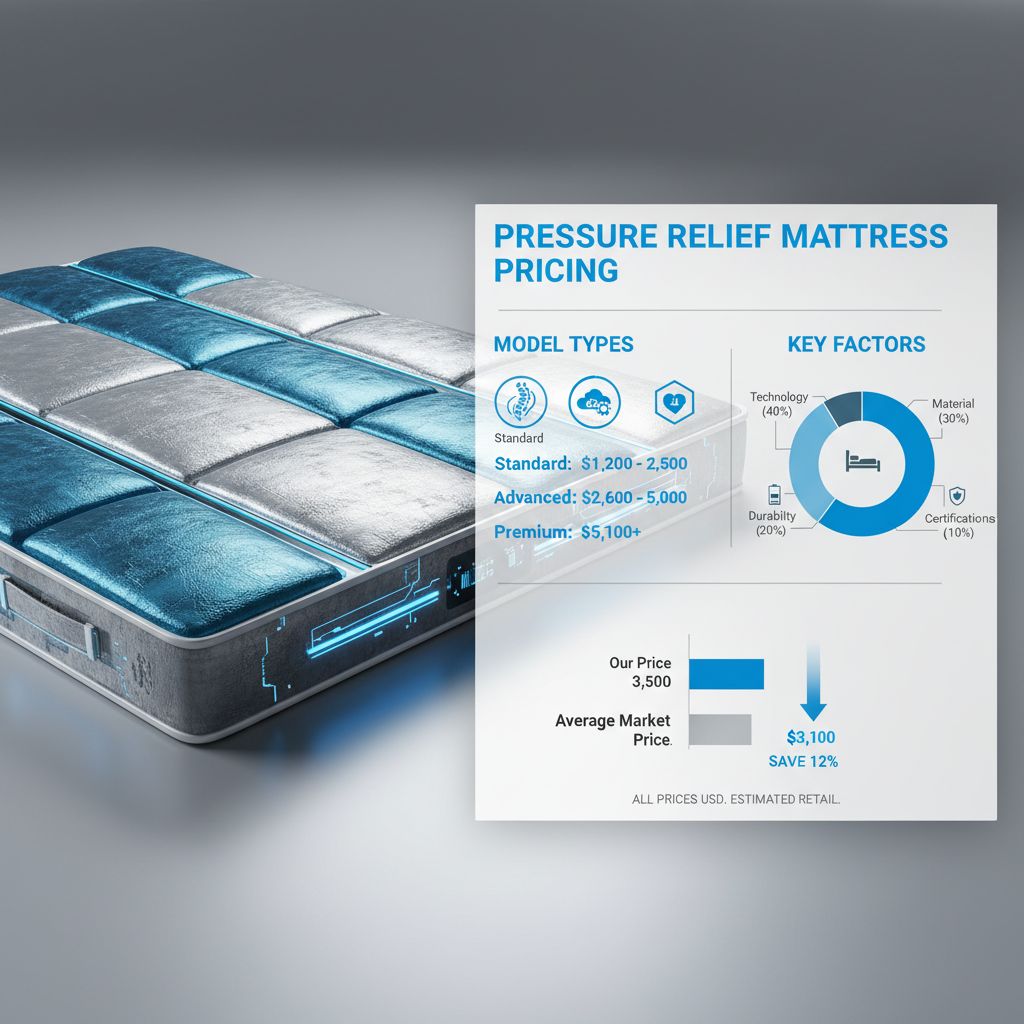
Several factors contribute to the price of a bedsore mattress. The technology used, the materials incorporated, and the level of pressure redistribution capabilities all play a role. Mattresses with advanced features like dynamic air cells or gel infusions generally command a higher price point. Size is also a significant factor, with larger sizes naturally costing more. Finally, the brand reputation and warranty offered can influence the price. It's important to consider these factors when evaluating different options and determining your budget. Chuangen Medicals offers a range of mattresses to fit various needs and budgets.
Key Price Influencers: Technology, Materials, Size, Brand, Warranty.
Types of Bedsore Mattresses and Their Price Ranges
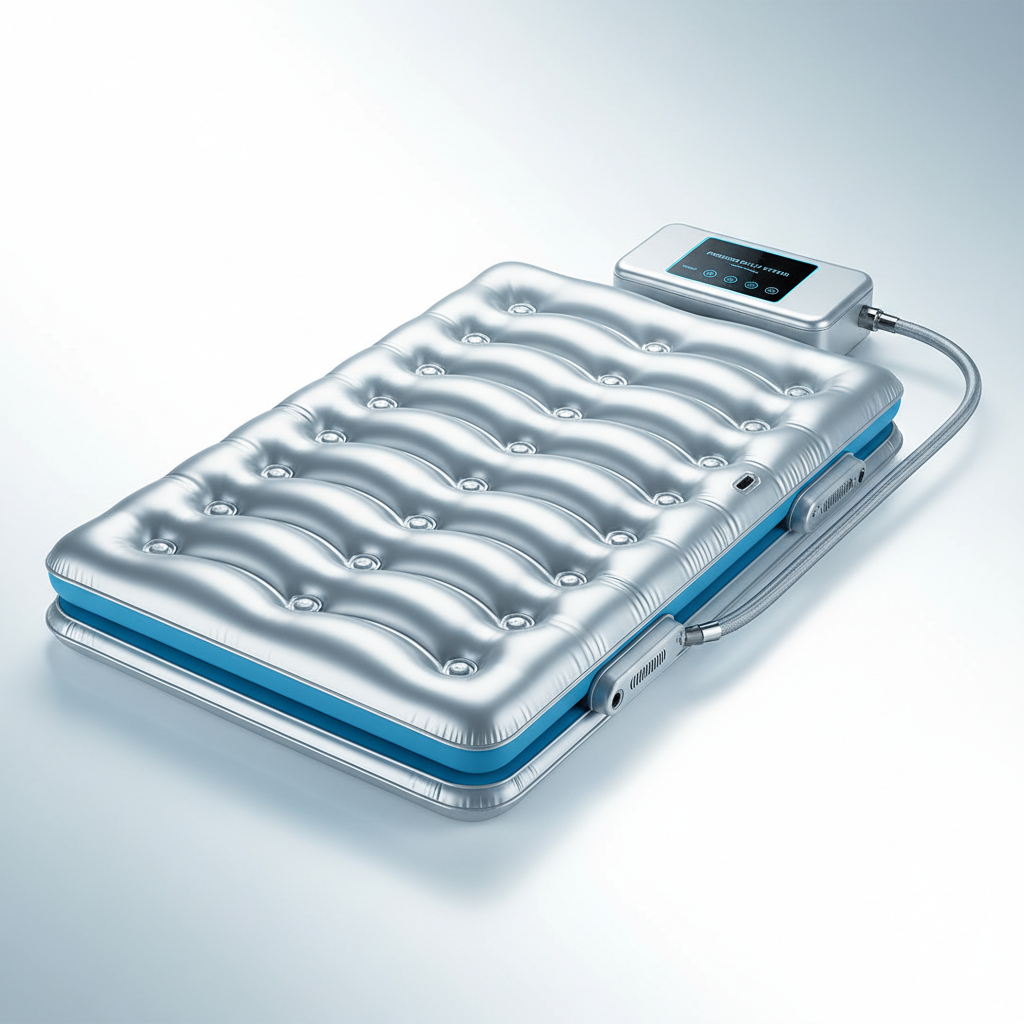
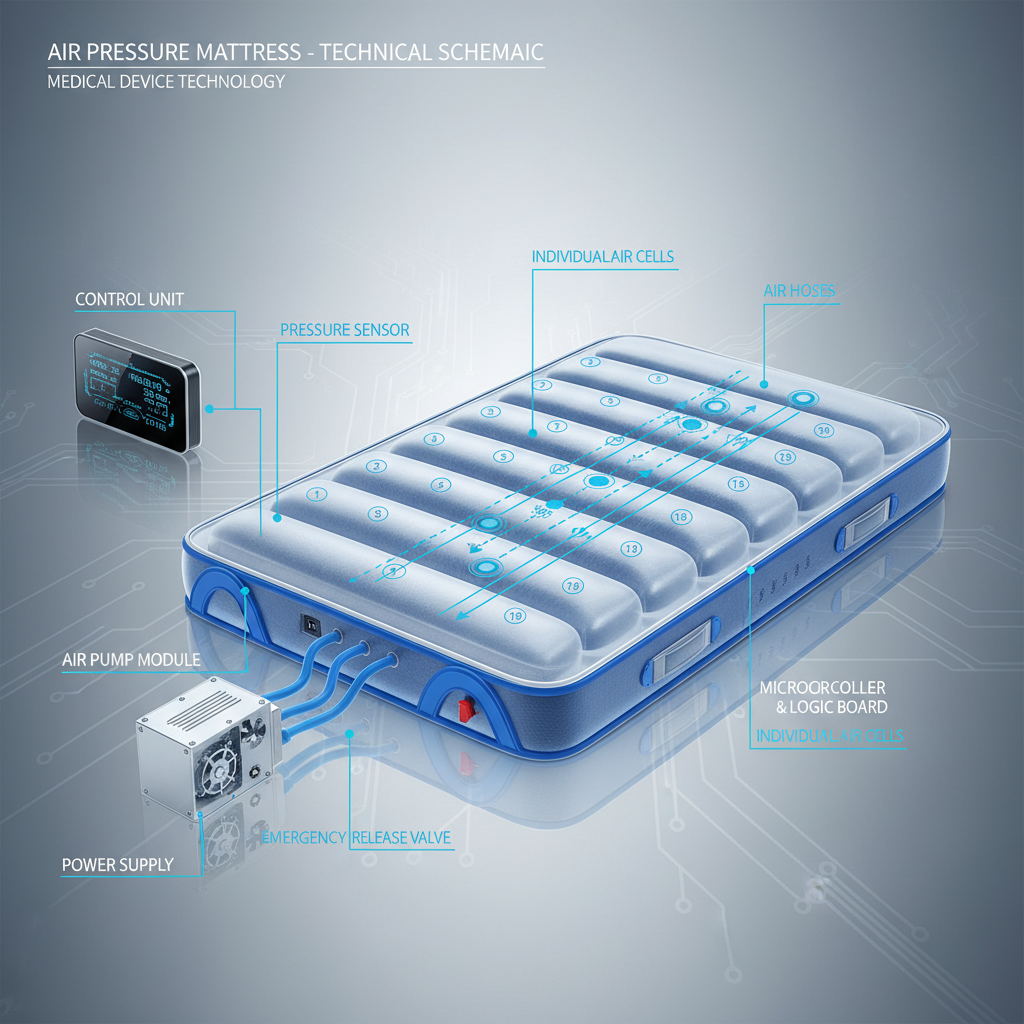
The market offers various types of bedsore mattresses, each with different price points. Foam mattresses, often utilizing high-density or memory foam, are typically the most affordable. Gel mattresses offer enhanced pressure redistribution and fall into a mid-range price category. Alternating pressure mattresses, featuring air cells that inflate and deflate, are more expensive but provide a higher level of protection. Finally, low-air-loss mattresses, designed to maintain skin dryness and reduce shear, are the most premium option. Understanding these options will help you narrow your search based on your needs and budget.
Mattress Type Price Guide:
• Foam Mattresses: $100 - $500
• Gel Mattresses: $300 - $1,000
• Alternating Pressure Mattresses: $800 - $3,000
• Low-Air-Loss Mattresses: $2,000 - $6,000+
Understanding Pressure Redistribution and Mattress Price
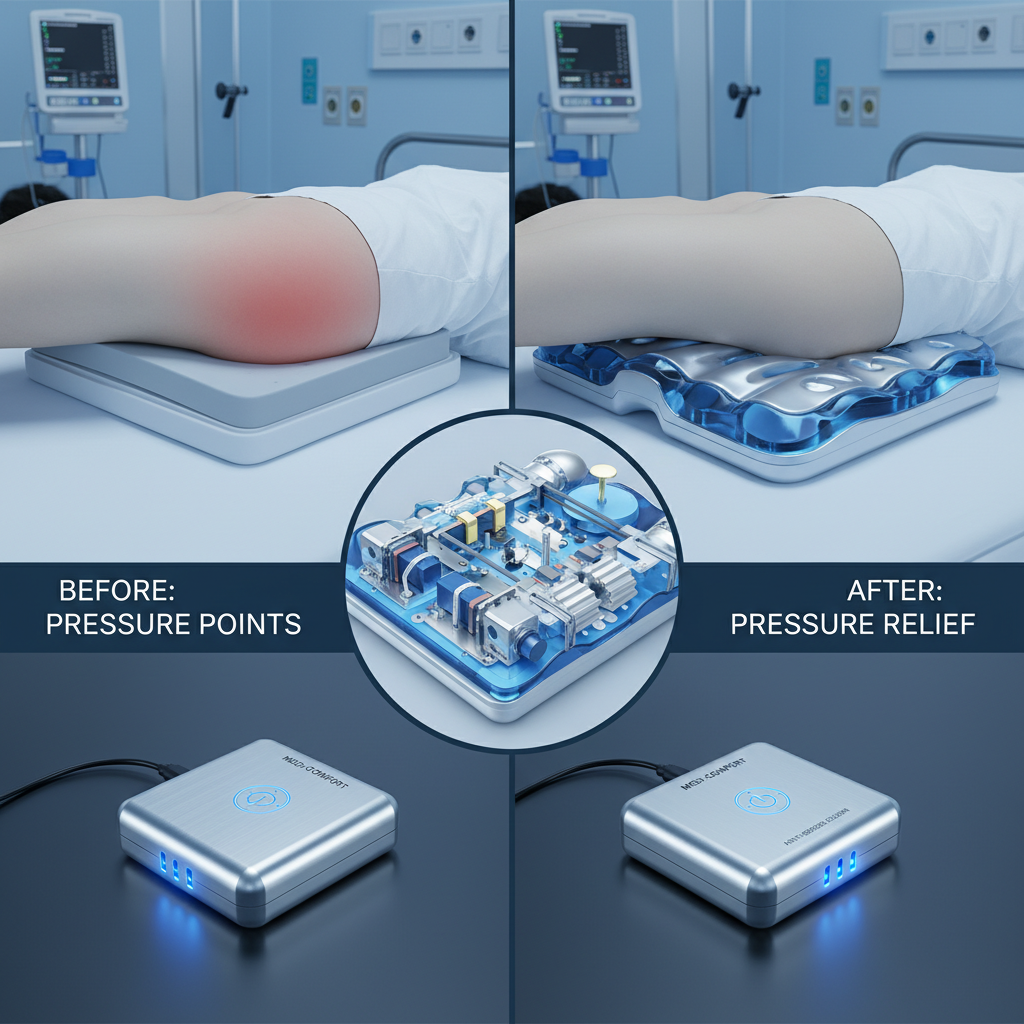
The primary function of a bedsore mattress is to redistribute pressure, minimizing the risk of tissue damage. Mattresses with superior pressure redistribution capabilities generally have a higher bedsore mattress price. This is because they utilize more advanced materials and technologies. For instance, mattresses with multiple zones of support or dynamic air cells excel at adapting to the patient's body shape and weight, reducing concentrated pressure points. Selecting a mattress with appropriate pressure redistribution for the individual's risk level is paramount.
Considering Individual Needs and Risk Factors
The ideal bedsore mattress is tailored to the individual's specific needs and risk factors. Factors to consider include mobility level, weight, skin condition, and medical history. Individuals with limited mobility and pre-existing skin conditions are at higher risk and may require a more advanced mattress. Consulting with a healthcare professional is crucial for determining the appropriate level of support and pressure redistribution. They can help assess the patient's risk factors and recommend a mattress that aligns with their needs and budget. Chuangen Medicals provides expert advice and support to help you make the right choice.
Product Specifications: Chuangen Medicals Pressure Relief Mattress
Here's a look at the specifications of one of our popular pressure relief mattresses:
Conclusion: Investing in Prevention and Comfort
Choosing the right bedsore mattress is an investment in patient well-being and preventative care. Understanding the factors influencing bedsore mattress price, the different types available, and individual patient needs is crucial for making an informed decision. Chuangen Medicals offers a comprehensive range of mattresses designed to provide optimal pressure redistribution, comfort, and support. Don’t hesitate to reach out to our team for personalized guidance.
Frequently Asked Questions (FAQs)
What is the average lifespan of a bedsore mattress?
The lifespan of a bedsore mattress varies depending on the type of mattress, the quality of materials, and the level of usage. Generally, foam mattresses last 3-5 years, gel mattresses 5-7 years, and alternating pressure/low-air-loss mattresses 7-10 years. Regular inspection for wear and tear, and adherence to manufacturer’s recommendations, can extend the lifespan. It’s important to replace the mattress when it begins to show signs of deterioration, such as sagging or loss of support. Ignoring these signs can compromise its effectiveness and increase the risk of pressure injuries.
How do I clean a bedsore mattress?
Cleaning procedures vary based on the mattress type. Generally, spot cleaning with a mild detergent and water is recommended. Avoid harsh chemicals or abrasive cleaners. For foam and gel mattresses, a protective mattress cover is highly recommended and should be laundered regularly. For alternating pressure and low-air-loss mattresses, follow the manufacturer's instructions carefully. Some models may have removable and washable covers. Proper cleaning and maintenance are essential for maintaining hygiene and preventing the growth of bacteria.
What is the difference between a pressure relief mattress and a bedsore mattress?
While often used interchangeably, there's a subtle difference. A 'pressure relief' mattress aims to reduce pressure points for general comfort and to prevent discomfort. A 'bedsore' or 'pressure injury' mattress is specifically designed to prevent and treat existing pressure ulcers. These mattresses offer a higher degree of pressure redistribution and often feature advanced technologies like alternating pressure or low-air-loss capabilities. A bedsore mattress is a more specialized form of pressure relief.
Is a prescription required to purchase a bedsore mattress?
Whether or not a prescription is required depends on the type of mattress and your location. Some basic foam or gel mattresses can be purchased without a prescription. However, more advanced mattresses like alternating pressure or low-air-loss models often require a prescription from a healthcare professional, particularly if you are seeking insurance coverage. Contact your insurance provider to understand their specific requirements.