Understanding and Choosing the Right Anti Bedsore Air Mattress
Pressure ulcers, commonly known as bedsores, pose a significant risk to individuals with limited mobility. Prolonged pressure restricts blood flow, leading to tissue damage and discomfort. An anti bedsore air mattress is a vital preventative and therapeutic tool. This article will delve into the benefits, features, and considerations when selecting an air mattress to mitigate and treat pressure injuries. We'll explore the different types available and how to choose the best option for individual needs, prioritizing comfort and effective pressure redistribution. Protecting skin integrity is crucial for overall health and quality of life.
How Anti Bedsore Air Mattresses Work
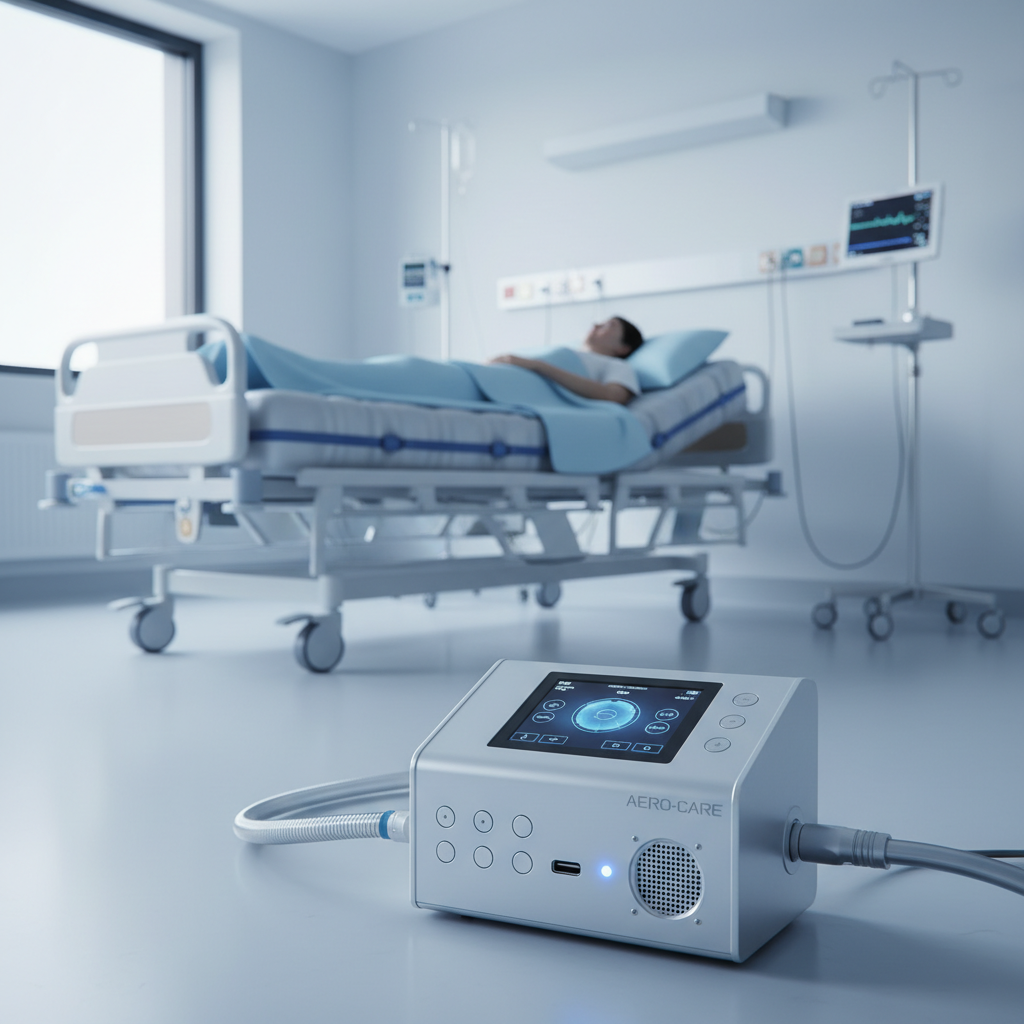
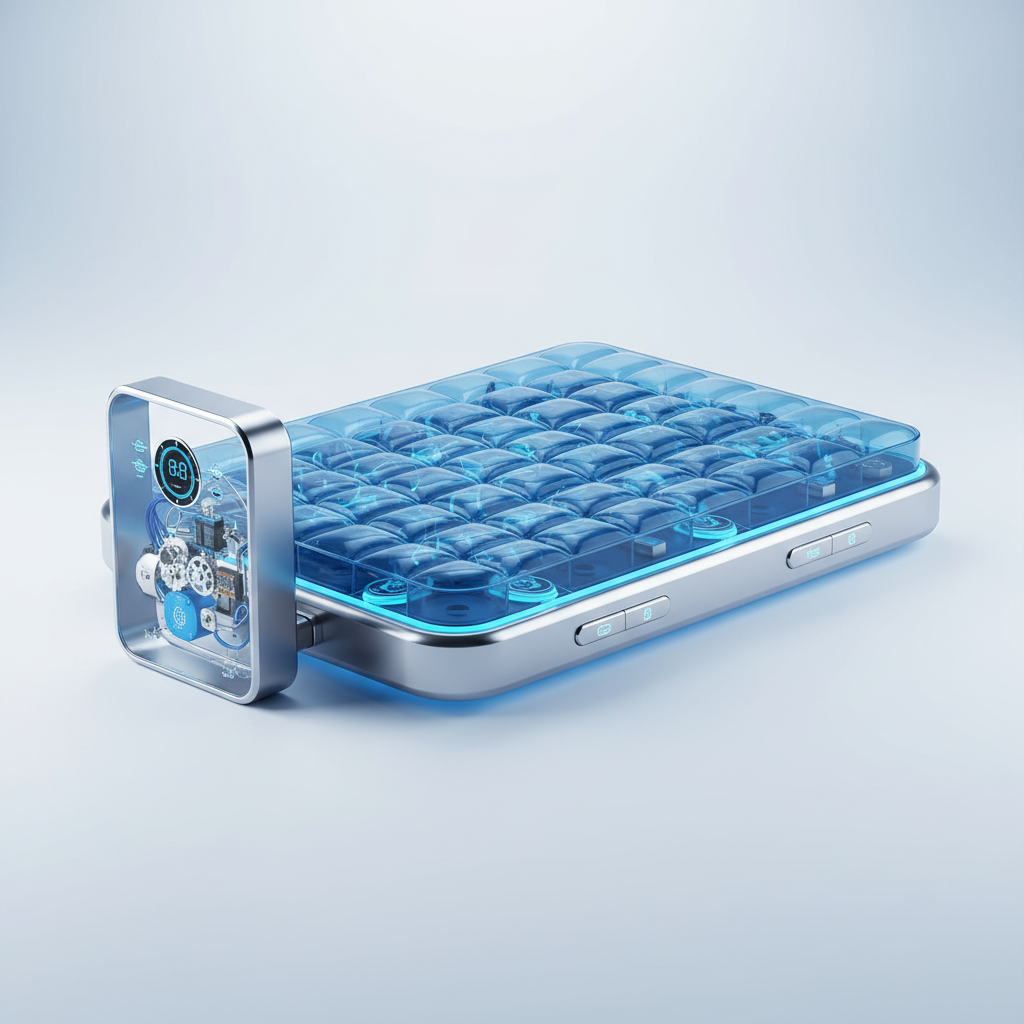
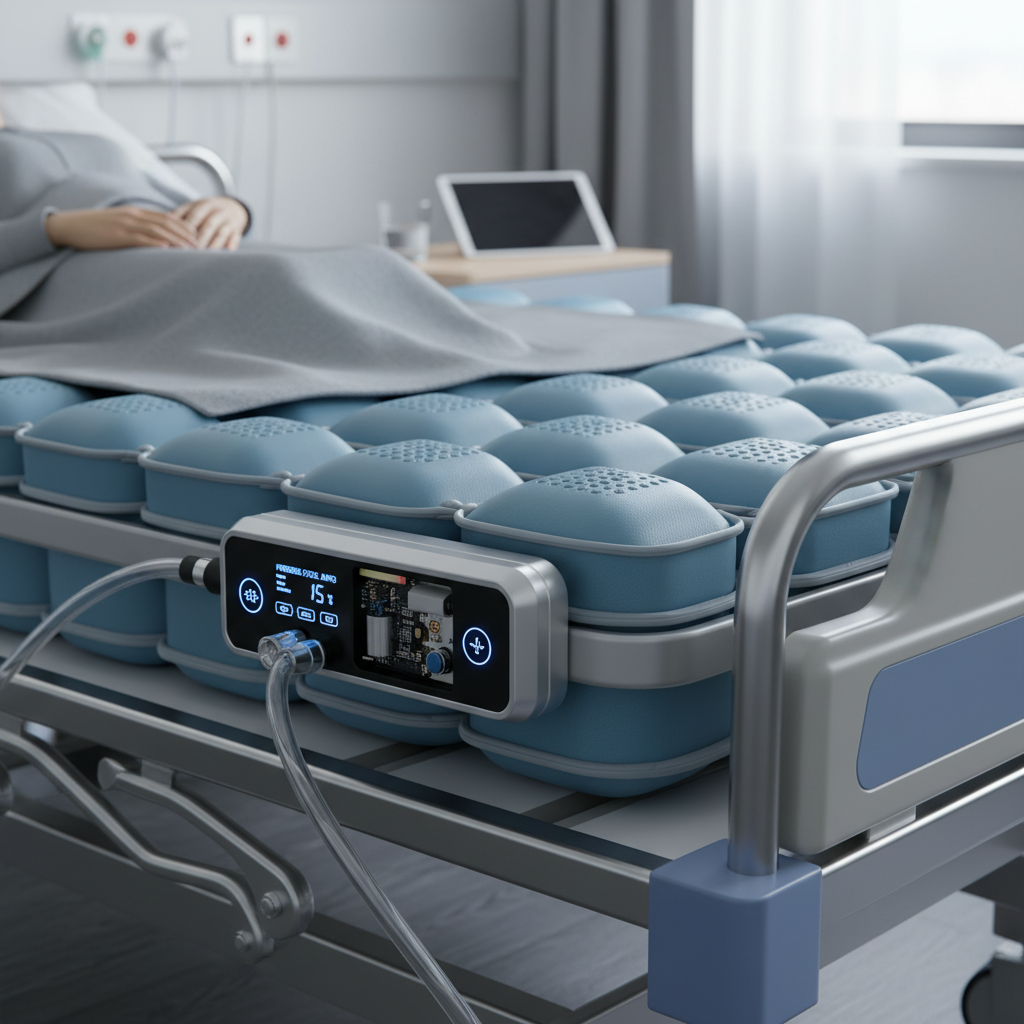
Anti bedsore air mattresses utilize dynamic air displacement to redistribute pressure away from bony prominences, areas most susceptible to ulcer development. They work by inflating and deflating air cells in a cyclical pattern, effectively changing the points of contact between the patient and the mattress surface. This dynamic movement promotes blood circulation and reduces sustained pressure. Some mattresses also feature adjustable firmness levels, allowing customization to individual patient weight and comfort preferences. Advanced models may include features like low air loss therapy, which gently wicks away moisture to keep the skin dry and cool, further minimizing the risk of breakdown. The goal is to create a constantly shifting support surface that prevents localized pressure from building up.
Key Benefits: Reduces pressure on bony prominences, Improves circulation, Prevents and helps heal pressure ulcers, Customizable comfort levels, Moisture management (in some models).
Types of Anti Bedsore Air Mattresses
There are several types of anti bedsore air mattresses available, each with its own advantages and disadvantages. Alternating pressure mattresses are the most common, cycling through inflation and deflation patterns. Low air loss mattresses incorporate tiny perforations to circulate air, keeping the skin cool and dry. Hybrid mattresses combine alternating pressure with low air loss for comprehensive pressure redistribution and moisture management. Finally, static air mattresses provide a consistent level of support without the cyclical changes of alternating pressure models. The best type of mattress depends on the severity of the patient’s risk, their specific needs, and clinical recommendations. Understanding these differences is crucial for making an informed decision.
Mattress Type Comparison:
• Alternating Pressure: Most common, cyclical pressure relief.
• Low Air Loss: Circulates air for cooling and moisture wicking.
• Hybrid: Combines alternating pressure and low air loss.
• Static Air: Constant support, suitable for lower risk patients.
Key Features to Consider When Choosing an Anti Bedsore Air Mattress
Selecting the right anti bedsore air mattress requires careful consideration of several factors. Weight capacity is paramount, ensuring the mattress can safely support the patient. Adjustable firmness allows for personalized comfort. CPR valves enable rapid deflation in emergency situations. The quality of the pump motor affects the mattress's reliability and lifespan. Breathable materials promote air circulation and prevent overheating. Finally, ease of cleaning and maintenance is essential for hygiene and longevity. Looking for certifications and clinical validation can provide added assurance of quality and effectiveness.
The Role of Anti Bedsore Air Mattresses in Pressure Injury Prevention
While an anti bedsore air mattress is a powerful tool, it’s essential to remember it's part of a comprehensive pressure injury prevention plan. Regular repositioning (at least every two hours), meticulous skin care, adequate nutrition, and early identification of risk factors are all crucial components. The mattress serves to reduce pressure and improve circulation, but consistent care and monitoring are necessary to maintain skin health. Collaboration between healthcare professionals, caregivers, and patients (when possible) is key to developing and implementing an effective prevention strategy. Early intervention can significantly reduce the risk of developing serious pressure ulcers.

Conclusion: Investing in Skin Health with Chuangen Medicals
An anti bedsore air mattress is a vital investment in the well-being of individuals at risk of developing pressure ulcers. By understanding the different types, key features, and the importance of a comprehensive prevention plan, you can make an informed decision and ensure optimal skin health. Chuangen Medicals offers a range of high-quality air mattresses designed to provide effective pressure redistribution and promote healing. Prioritizing skin health improves quality of life and reduces the burden of pressure injury management.
Frequently Asked Questions (FAQs)
How often should the air mattress settings be checked?
The air mattress settings should be checked at least daily, and ideally more frequently, to ensure optimal pressure redistribution. Regularly verify that the pressure levels are appropriate for the patient’s weight and that the mattress is inflating and deflating correctly. Look for any signs of malfunction, such as unusual noises or inconsistent pressure. Documenting these checks helps maintain accountability and ensures consistent care. Adjustments may be necessary as the patient's condition changes.
Can anti bedsore air mattresses be used with standard hospital beds?
Most anti bedsore air mattresses are designed to be compatible with standard hospital beds. However, it’s crucial to verify compatibility before use. Some mattresses may require a specific bed frame or adjustment to ensure proper functioning. Ensure the bed has adequate side rails to prevent the patient from rolling off. Always follow the manufacturer's instructions for installation and use. If you're unsure, consult with a healthcare professional or the mattress supplier.
How do I clean and maintain an anti bedsore air mattress?
Regular cleaning is essential to prevent infection and maintain the mattress’s functionality. Most mattresses have a waterproof cover that can be wiped down with a mild disinfectant solution. Follow the manufacturer's instructions for cleaning the cover. Inspect the mattress for any tears or damage and repair them promptly. Periodically check the pump motor and air lines for any obstructions or leaks. Proper maintenance extends the lifespan of the mattress and ensures optimal performance.
What are the signs that an anti bedsore air mattress is no longer effective?
If a patient develops a pressure ulcer despite using an anti bedsore air mattress, it may indicate the mattress is no longer effective. Other signs include persistent redness that doesn't blanch when pressed, skin breakdown, or increased pain. The mattress may have a malfunction, be improperly adjusted, or the patient’s needs may have changed. It’s important to reassess the patient’s risk factors and consult with a healthcare professional to determine the best course of action.