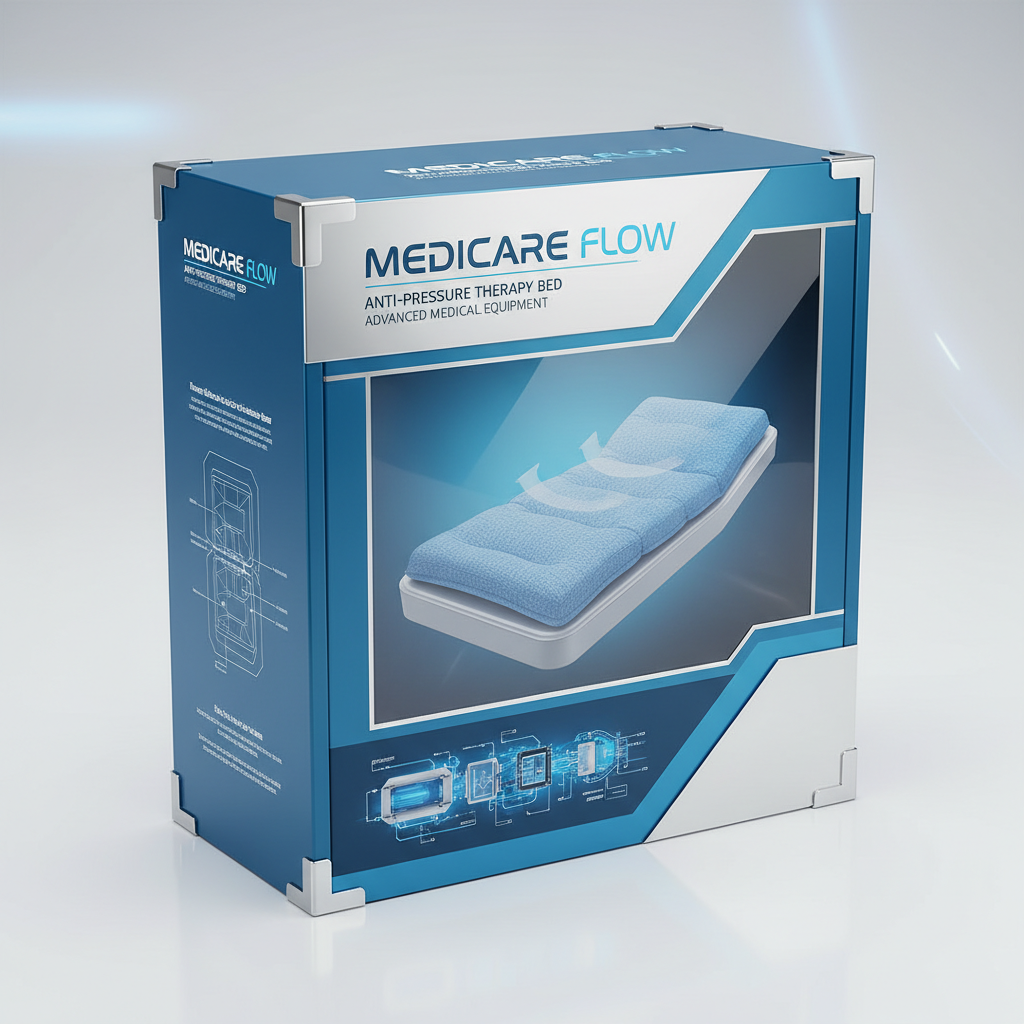
Choosing the Right Anti Pressure Sore Mattress: A Comprehensive Guide
Pressure sores, also known as bedsores, are a serious concern for individuals with limited mobility. Selecting the correct mattress is paramount in prevention and management. An anti pressure sore mattress is designed to redistribute pressure, reduce friction, and improve circulation, ultimately minimizing the risk of developing these painful and debilitating wounds. This article explores the key features, benefits, and considerations when choosing an anti pressure sore mattress, with a focus on providing optimal comfort and care. Investing in the right mattress can significantly improve the quality of life for patients and caregivers.

Understanding the Importance of Pressure Redistribution
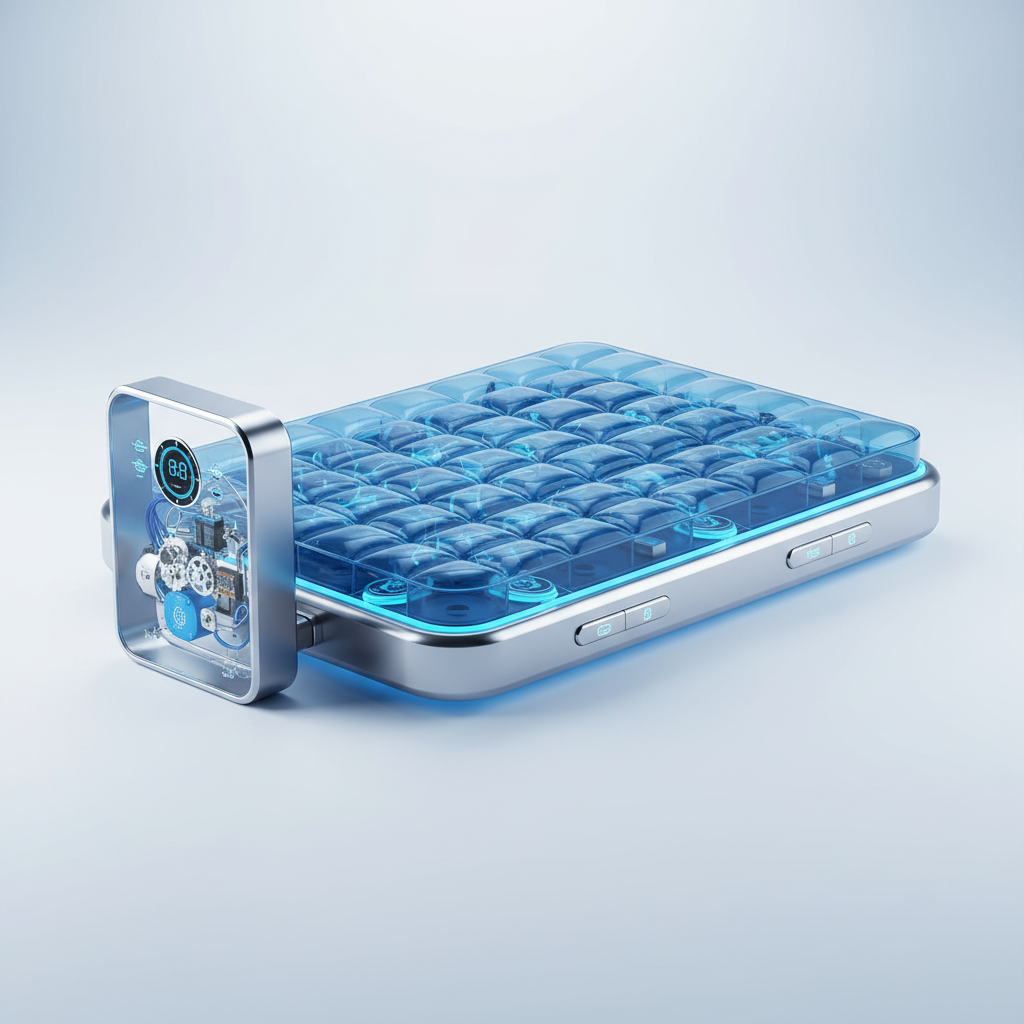
Prolonged pressure on bony prominences, such as the heels, hips, and sacrum, restricts blood flow, leading to tissue damage and ultimately, pressure sores. An anti pressure sore mattress tackles this issue by redistributing weight evenly across the mattress surface. Different technologies achieve this, including alternating air cells, foam layers with varying densities, and gel infusions. The goal is to minimize peak pressures and shear forces, allowing for adequate perfusion and preventing tissue breakdown. Choosing a mattress appropriate to the individual's risk level and needs is essential. Furthermore, regular repositioning of the patient is crucial to complement the mattress's function.
Key Benefit: Reduced risk of pressure sore development and accelerated healing for existing sores through consistent pressure relief and optimized circulation.
Types of Anti Pressure Sore Mattresses: A Comparison
Several types of anti pressure sore mattresses are available, each with its own strengths and weaknesses. These include alternating pressure air mattresses, dynamic air mattresses, foam mattresses, and hybrid options. Alternating pressure mattresses use air cells that inflate and deflate sequentially to redistribute pressure. Dynamic air mattresses offer more sophisticated pressure mapping and adjustments. Foam mattresses utilize various foam densities to provide support and cushioning, while hybrid mattresses combine foam and air technologies. The best choice depends on the patient’s individual needs, risk level, and budget. It is important to consult with a healthcare professional to determine the most suitable option.
Mattress Type Comparison:
• Alternating Pressure Air: Effective, moderately priced, requires electricity.
• Dynamic Air: Most effective, highest cost, requires electricity, adjustable settings.
• Foam: Lower cost, no electricity needed, may not be suitable for high-risk patients.
• Hybrid: Combines benefits of air and foam, moderate cost, may require electricity.
Key Features to Consider When Purchasing
When selecting an anti pressure sore mattress, several features should be considered. Pressure mapping capabilities allow the mattress to adjust to the individual's body contours. Breathability is crucial to prevent moisture buildup and skin breakdown. Durability ensures the mattress can withstand regular use and cleaning. Ease of cleaning and maintenance is also important for infection control. Consider the weight capacity of the mattress and whether it’s compatible with the existing bed frame. Finally, look for certifications from reputable organizations to ensure the mattress meets safety and quality standards.
Understanding Risk Levels and Mattress Selection
Patients are categorized into different risk levels for pressure sore development: low, moderate, and high. Low-risk individuals may benefit from a foam mattress with pressure-relieving properties. Moderate-risk patients often require an alternating pressure air mattress. High-risk patients, particularly those with existing pressure sores, generally need a dynamic air mattress with advanced features. A thorough risk assessment by a healthcare professional is essential to guide mattress selection. The ChuangEn Medicals website provides resources and support to help you navigate these considerations.

Product Specifications: ChuangEn Medicals Anti Pressure Sore Mattress
At ChuangEn Medicals, we offer a range of high-quality anti pressure sore mattresses designed to meet diverse needs. Here's a brief overview of our flagship model:
Conclusion: Investing in Prevention and Comfort
Choosing the right anti pressure sore mattress is a crucial investment in patient care and well-being. By understanding the different types, key features, and risk levels, you can make an informed decision that optimizes pressure redistribution, prevents tissue damage, and enhances comfort. At ChuangEn Medicals, we are dedicated to providing innovative and high-quality solutions for pressure sore prevention and management.
Frequently Asked Questions (FAQs)
How often should a patient be repositioned when using an anti pressure sore mattress?
Even with an anti pressure sore mattress, regular repositioning is vital. For patients confined to a bed, repositioning should occur at least every two hours. For those in a chair, repositioning should happen every hour. This helps to prevent pressure from concentrating in any one area and promotes circulation. Encourage patients to participate in their repositioning as much as possible. Consider using a repositioning schedule and documenting each change in position to ensure consistency. The mattress provides support, but repositioning is the key to active prevention.
What are the signs that a pressure sore is developing?
Early signs of a pressure sore include areas of skin that are discolored (red, blue, or purple), warmer or cooler to the touch than surrounding skin, and feel different in texture (softer, firmer, or blistered). The area may also be painful, itchy, or burning. It's important to inspect the skin regularly, especially over bony prominences. If you suspect a pressure sore is developing, consult with a healthcare professional immediately for proper assessment and treatment.
Can an anti pressure sore mattress be used preventatively?
Absolutely. Anti pressure sore mattresses are highly effective for preventative care, especially for individuals who are at risk due to limited mobility, chronic illness, or advanced age. Using a mattress proactively can significantly reduce the likelihood of developing pressure sores, improving quality of life and reducing healthcare costs associated with treatment. Even individuals with no existing sores can benefit from the added comfort and pressure relief provided by these mattresses.
What is the best way to clean an anti pressure sore mattress?
Cleaning instructions vary depending on the mattress type. For air mattresses, follow the manufacturer’s guidelines for cleaning the cover and air cells. Generally, mild soap and water are recommended. For foam mattresses, spot cleaning with a mild detergent is usually sufficient. Avoid harsh chemicals or abrasive cleaners. Ensure the mattress is thoroughly dry before reassembling or using it. Regular cleaning helps to maintain hygiene and prevent infection.