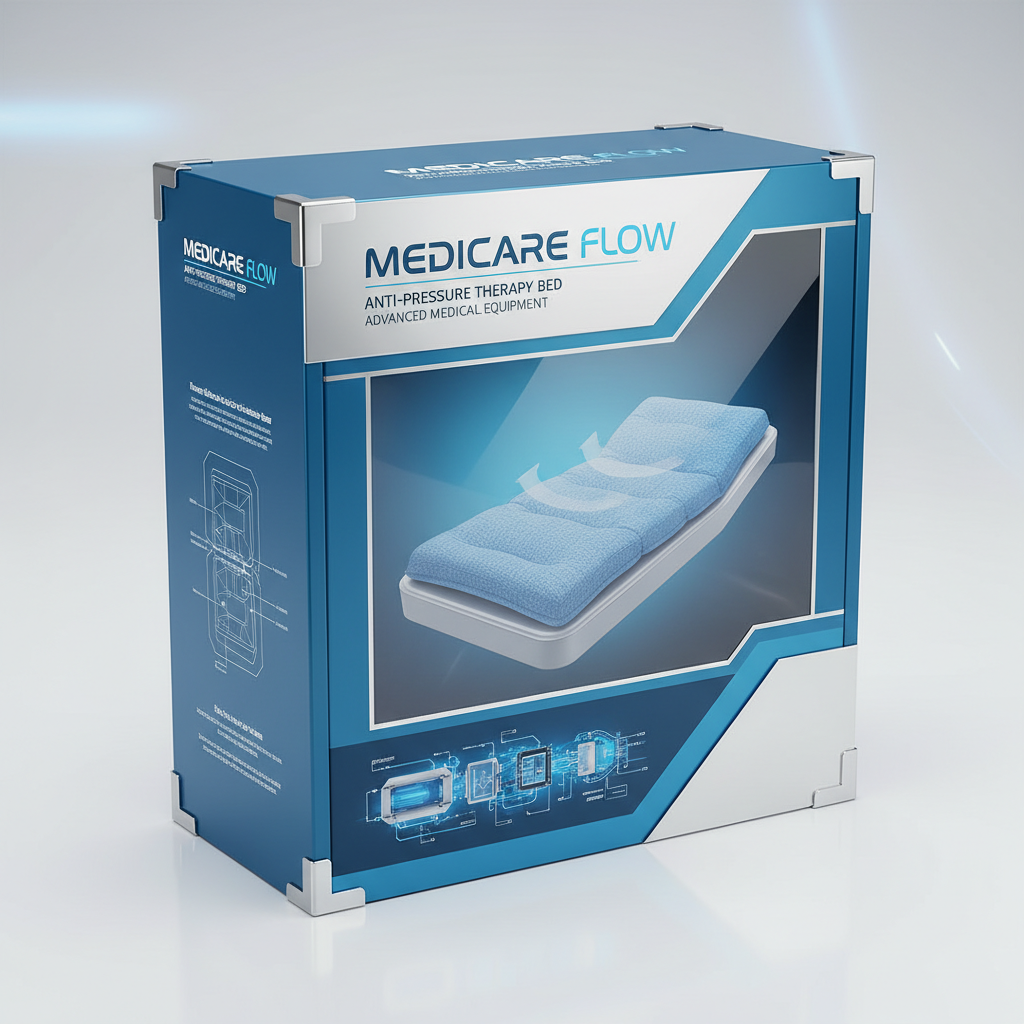
Understanding the Different Types of Pressure Relieving Mattresses
Pressure ulcers, also known as bedsores, are a serious concern for individuals with limited mobility. Choosing the right mattress is crucial for preventing and managing these wounds. Different pressure relieving mattresses utilize various technologies to redistribute pressure and improve circulation. This article will explore the common types available, helping you understand which option might be best suited to individual needs. Effective pressure relief can significantly enhance quality of life and reduce the risk of complications.
Foam Pressure Relieving Mattresses: A Versatile Solution
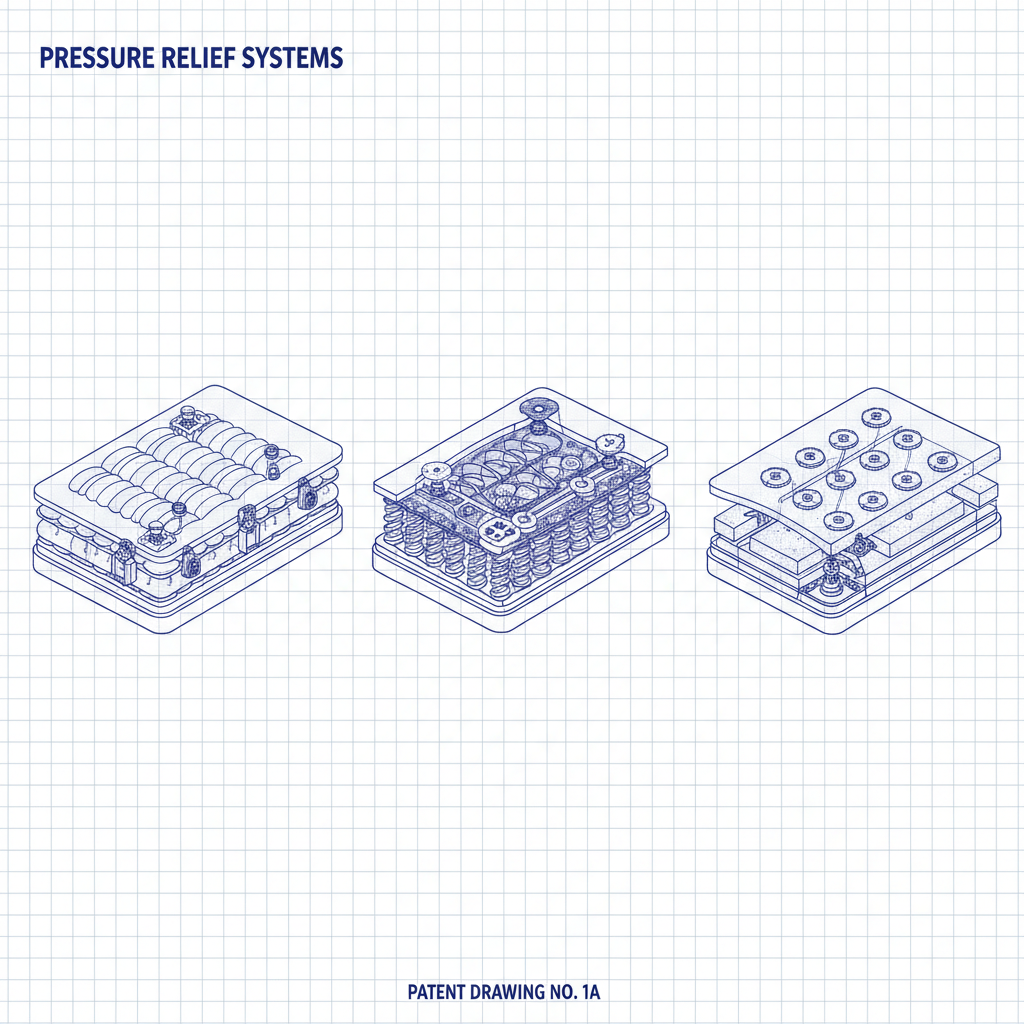
Foam mattresses are a widely used and generally affordable option for pressure relief. They come in several varieties, each offering different levels of support and comfort. High-density foam provides good support, while memory foam conforms to the body's contours, distributing weight more evenly. Viscoelastic foam combines characteristics of both, offering a balance of comfort and support. These mattresses are excellent for individuals needing moderate pressure relief. They're generally quieter than air mattresses and require less maintenance.
Key Highlights: Foam mattresses offer a cost-effective and comfortable solution for moderate pressure relief, with various foam types available to suit different needs.
Air Pressure Relieving Mattresses: Customized Comfort
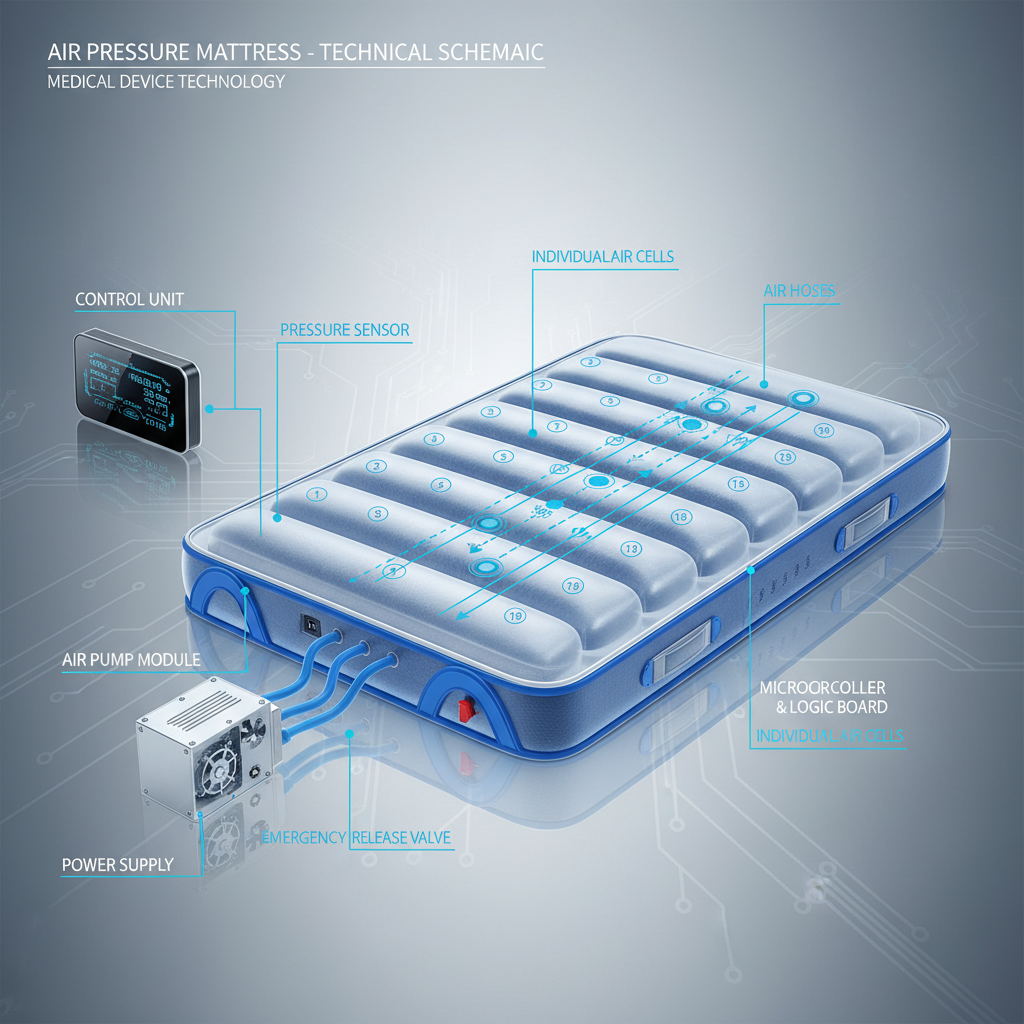
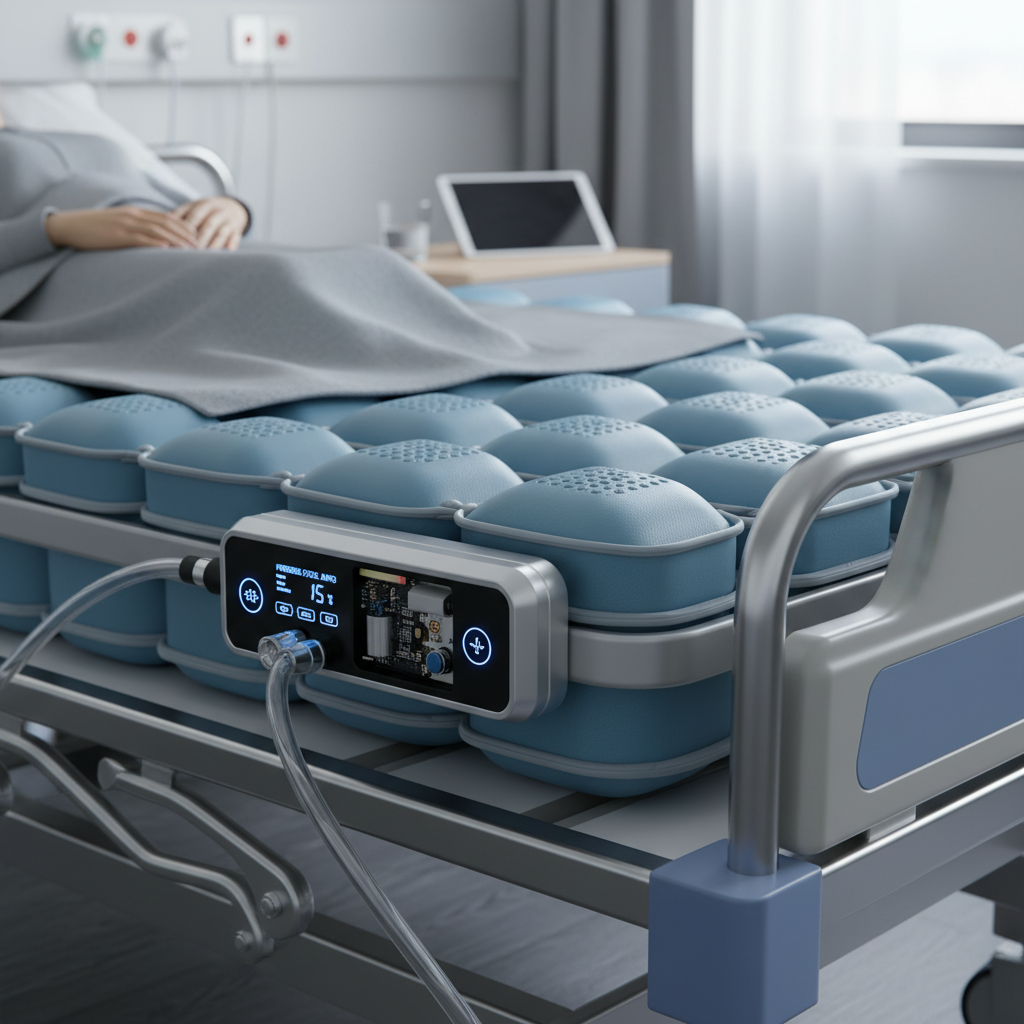
Air mattresses utilize air-filled cells that can be individually adjusted to customize the level of support. These are particularly beneficial for individuals requiring more significant pressure relief, such as those with severe mobility limitations. Alternating pressure air mattresses cycle through inflation and deflation, constantly changing the pressure points and promoting circulation. These systems can be either powered or passive, with powered systems offering more precise control. Chuangen Medicals offers a range of air mattresses tailored to various needs.
Air Mattress Benefits:
• Highly customizable pressure relief.
• Excellent for individuals with severe mobility limitations.
• Promotes circulation through constant pressure changes.
• Available in powered and passive options.
Gel Pressure Relieving Mattresses: Combining Cooling with Comfort
Gel mattresses incorporate gel-infused foam or gel layers to dissipate heat and provide enhanced pressure relief. The gel helps regulate body temperature, preventing overheating and increasing comfort. These mattresses are a good option for individuals who tend to sleep hot or are prone to sweating. They offer a good balance of support and comfort, making them suitable for a range of needs. Gel mattresses are often a slightly more expensive option than traditional foam mattresses.
Hybrid Pressure Relieving Mattresses: The Best of Both Worlds
Hybrid mattresses combine different technologies, such as foam and air, to offer a comprehensive pressure relief solution. These often feature a foam core with air cells strategically placed to provide customized support. Hybrid mattresses can be a good choice for individuals with complex needs, offering both comfort and targeted pressure relief. They can also be more expensive than single-technology options.
Choosing the Right Mattress: Considerations
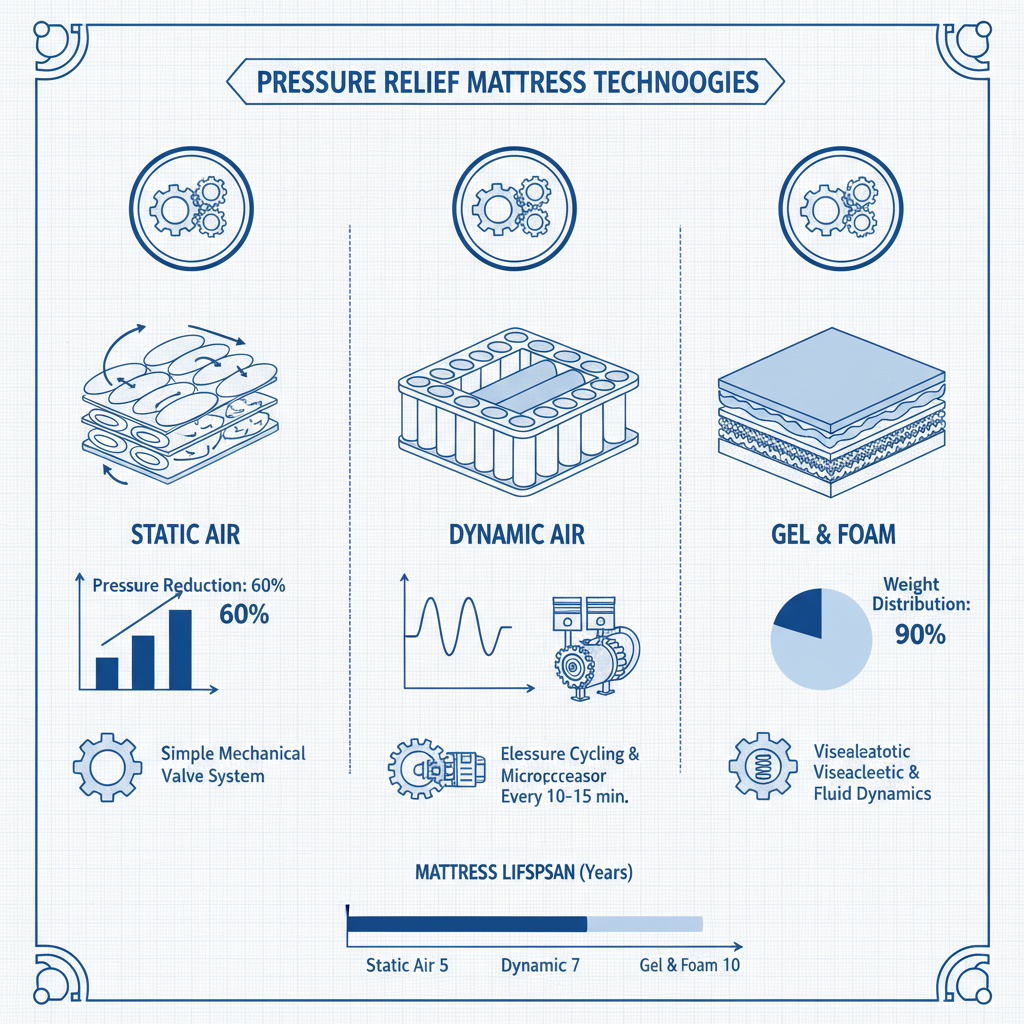
Selecting the ideal pressure relieving mattress requires careful consideration of individual factors. Mobility level, weight, skin integrity, and underlying medical conditions all play a role. Consulting with a healthcare professional is crucial to determine the most appropriate mattress type. Regular repositioning, along with a pressure-relieving mattress, is essential for preventing and managing pressure ulcers. Proper skin care and nutrition are also vital components of a comprehensive prevention strategy.
Conclusion: Prioritizing Pressure Relief for Enhanced Well-being
Investing in a high-quality pressure relieving mattress is a crucial step in protecting vulnerable individuals from pressure ulcers. Understanding the different types available and their respective benefits allows for informed decision-making. Chuangen Medicals is dedicated to providing innovative solutions for pressure relief and improved patient care. Don't compromise on comfort and health – choose the right mattress for optimal well-being.
Frequently Asked Questions (FAQs)
How often should a pressure relieving mattress be replaced?
The lifespan of a pressure relieving mattress depends on its type and usage. Foam mattresses generally last 3-5 years, while air mattresses may require replacement every 2-3 years due to wear and tear on the air cells. Regular inspection for signs of damage, such as tears, punctures, or loss of support, is crucial. It’s also important to follow the manufacturer’s recommendations for cleaning and maintenance. A decrease in the mattress's ability to redistribute pressure effectively is a key indicator it's time for replacement.
What is the best type of mattress for someone completely bedridden?
For individuals who are completely bedridden, an alternating pressure air mattress is often the most effective solution. These mattresses continuously cycle through inflation and deflation, providing dynamic pressure relief and promoting circulation. They minimize prolonged pressure on any single area of the body, reducing the risk of pressure ulcer development. It’s crucial to consult with a healthcare professional to determine the appropriate settings and ensure proper use.
Can a pressure relieving mattress completely prevent pressure ulcers?
While a pressure relieving mattress is a vital component of pressure ulcer prevention, it’s not a standalone solution. A comprehensive prevention program includes regular repositioning (at least every two hours), meticulous skin care, adequate nutrition and hydration, and ongoing monitoring for early signs of skin breakdown. The mattress works in conjunction with these other strategies to minimize the risk of developing pressure ulcers.