Understanding and Choosing the Right Anti Decubitus Air Mattress
Pressure ulcers, commonly known as bedsores, pose a significant risk to individuals with limited mobility. An anti decubitus air mattress is a crucial tool in preventing and managing these conditions. This article provides a comprehensive guide to understanding these mattresses, their benefits, key features, and how to choose the right one for your needs. We will explore the technology behind these mattresses and how they contribute to patient comfort and care.
What is an Anti Decubitus Air Mattress?
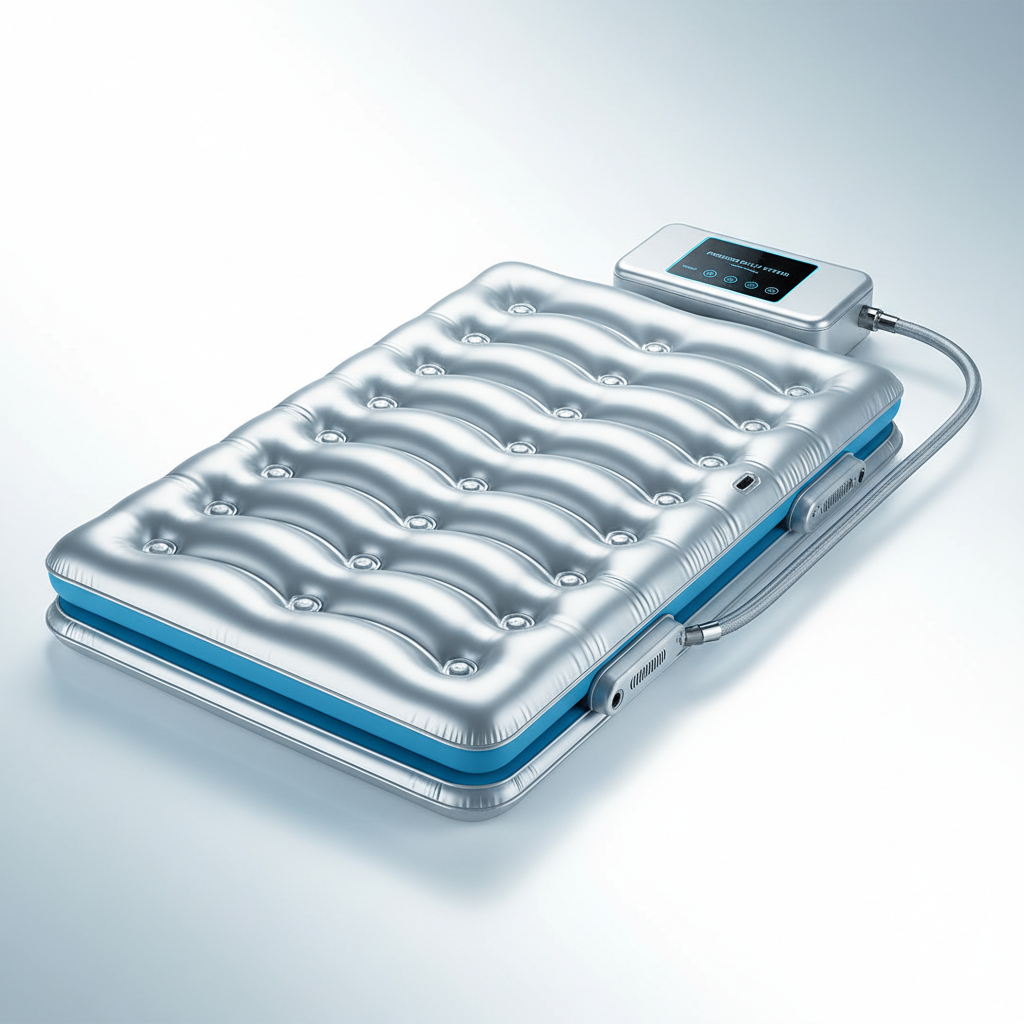
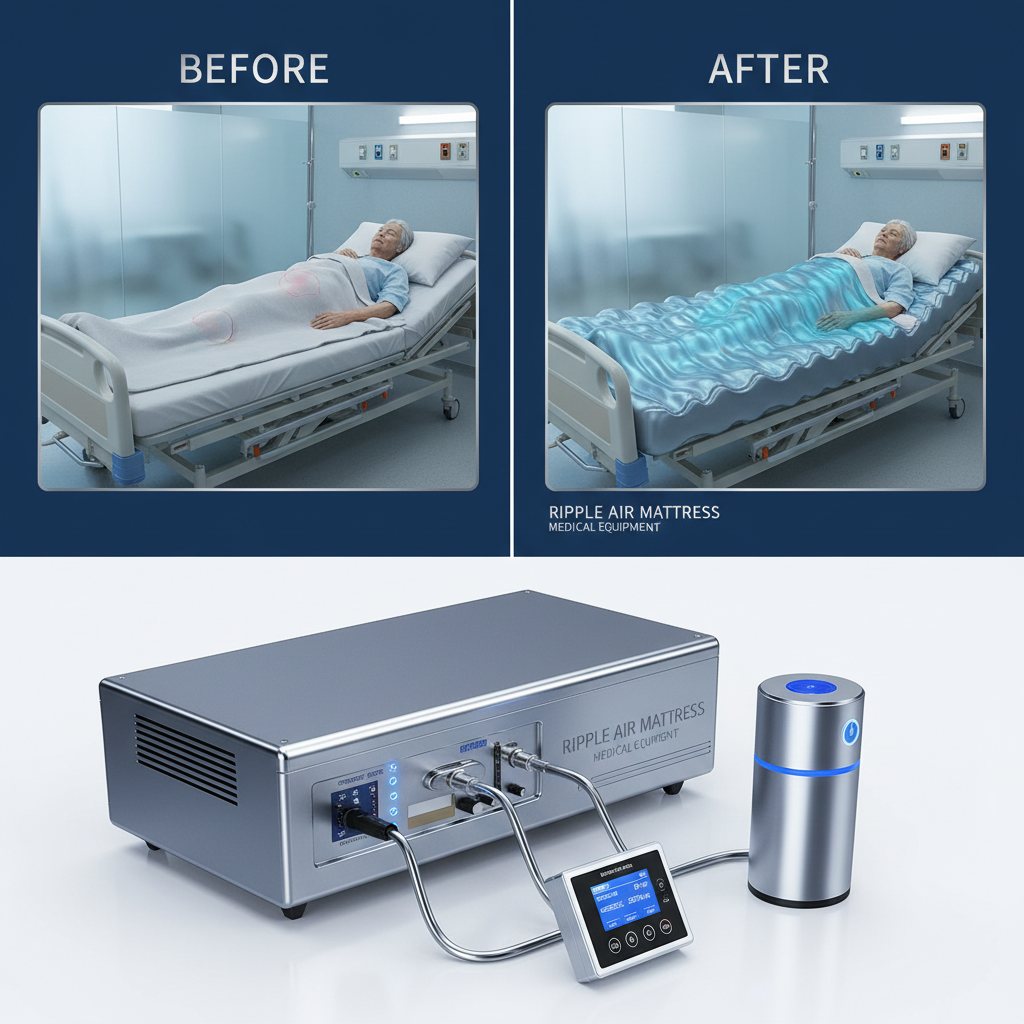
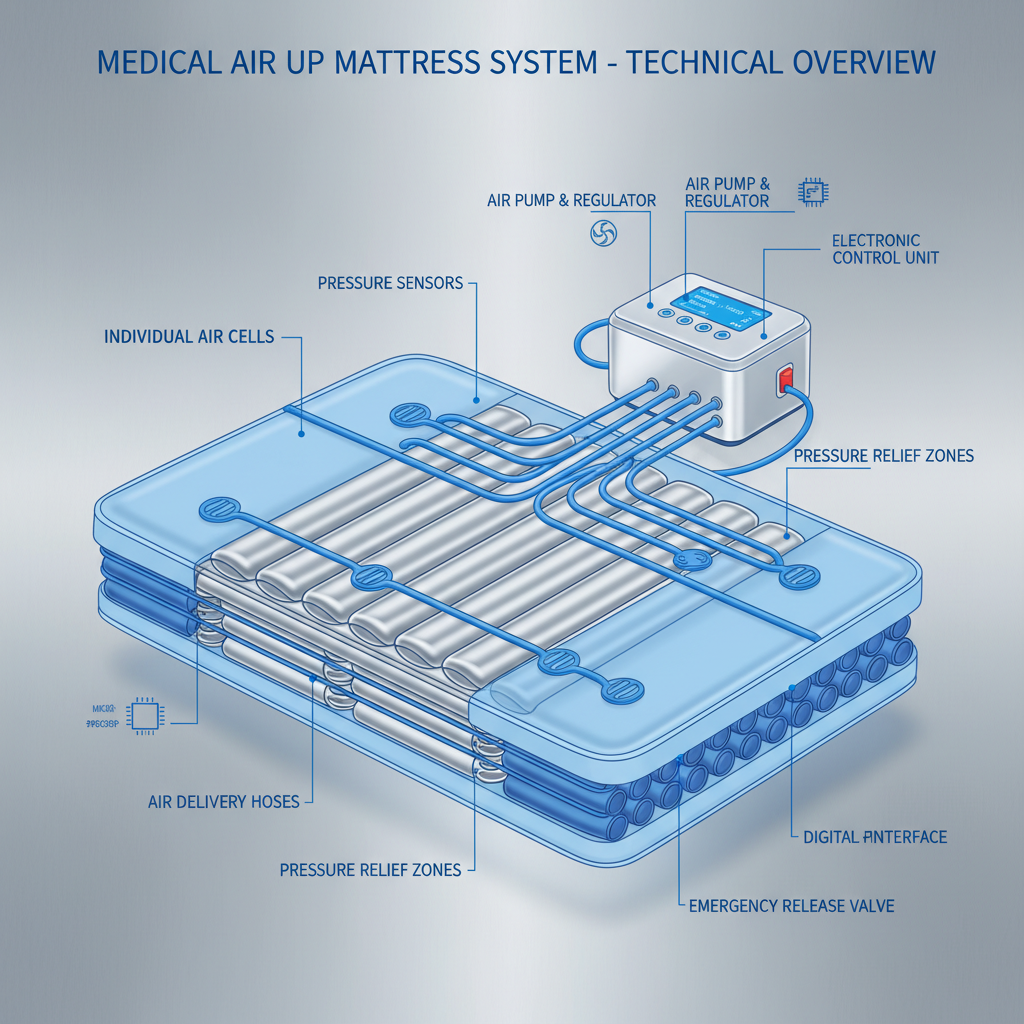
An anti decubitus air mattress, also known as a pressure-relieving mattress, is designed to redistribute pressure away from bony prominences – areas of the body most vulnerable to pressure ulcer development. Unlike standard mattresses, these utilize air cells that inflate and deflate, dynamically adjusting to the patient’s body weight and position. This continuous movement prevents prolonged pressure on any single area, promoting healthy circulation and reducing the risk of skin breakdown. The technology is critical for individuals confined to bed for extended periods, those with limited mobility, or those at high risk of developing pressure injuries.
Key Benefits: Reduces pressure, promotes circulation, prevents skin breakdown, enhances patient comfort, and supports healing.
Types of Anti Decubitus Air Mattresses
There are several types of anti decubitus air mattresses available, each with its own unique features and benefits. These broadly fall into two categories: static and dynamic air mattresses. Static air mattresses feature a series of air-filled cells that remain inflated, providing basic pressure redistribution. Dynamic air mattresses, on the other hand, utilize alternating or rotating air cells to constantly shift pressure points. Choosing the right type depends on the individual’s risk level, mobility, and specific needs. Hybrid mattresses combining both static and dynamic features are also available, offering a versatile solution.
Understanding the Types:
• Static Air Mattresses: Basic pressure redistribution, suitable for low-risk individuals.
• Dynamic Air Mattresses: Alternating/rotating air cells for continuous pressure relief, ideal for high-risk patients.
• Hybrid Air Mattresses: Combine static and dynamic features for versatile pressure management.
Key Features to Consider When Choosing an Anti Decubitus Air Mattress
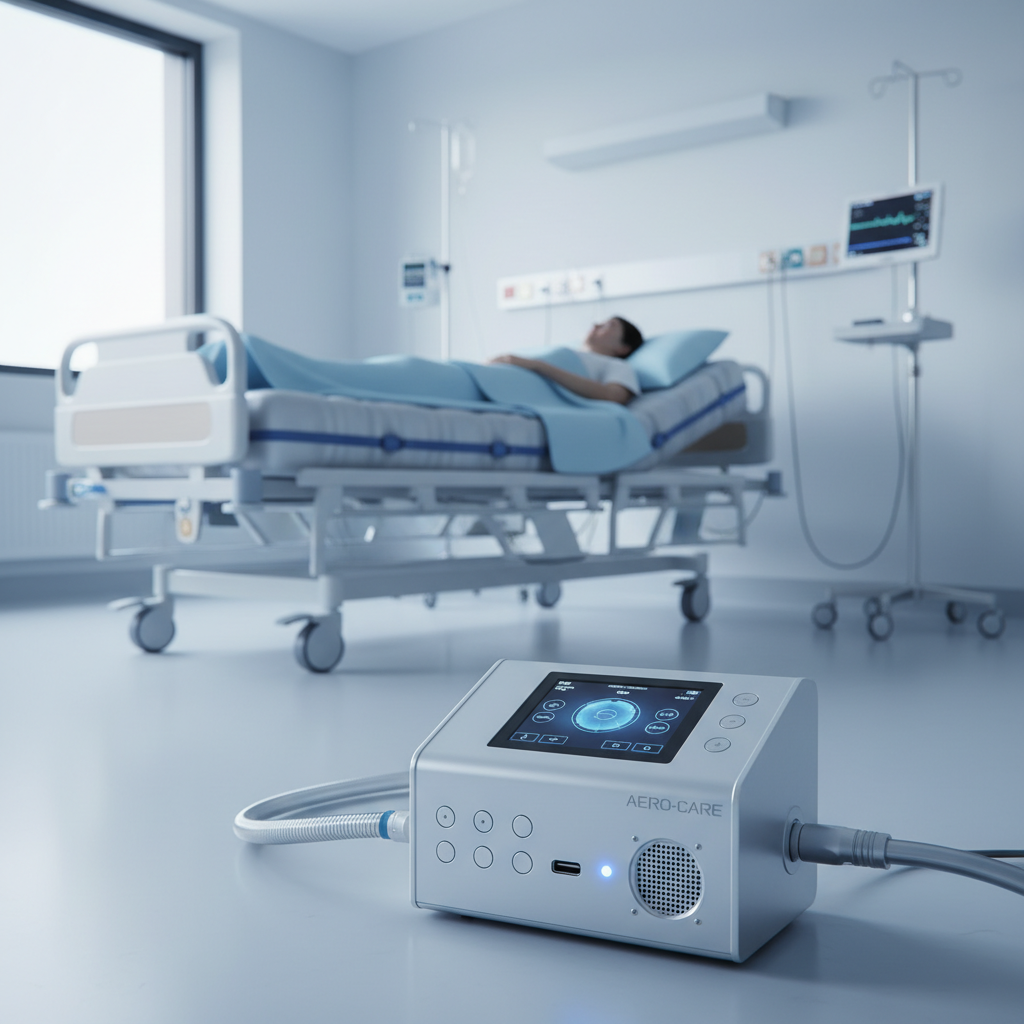
Selecting the right anti decubitus air mattress requires careful consideration of several key features. Pressure adjustment is vital, allowing caregivers to tailor the mattress to the individual’s weight and needs. The mattress's material should be durable, waterproof, and easy to clean. Consider also the noise level of the pump – a quieter model will improve patient comfort. Finally, features like CPR valves (for quick deflation in emergencies) and low-air-loss technology (for patients with excessive moisture) may be important depending on the patient's specific condition.
Choosing the Right Mattress: Risk Assessment and Patient Needs
The selection process should begin with a thorough risk assessment. The Braden Scale is a commonly used tool to evaluate a patient’s risk of developing pressure ulcers. Factors considered include sensory perception, moisture, activity, mobility, nutrition, and friction/shear. A higher score indicates a lower risk. Based on the assessment, a mattress can be selected that provides the appropriate level of pressure relief. For example, a patient with a very low Braden Score would likely benefit from a dynamic air mattress with advanced features like low-air-loss technology. Consider also the patient’s weight, body type, and any specific medical conditions.

Product Specifications: Chuangen Medicals Anti Decubitus Air Mattress
At Chuangen Medicals, we offer a range of high-quality anti decubitus air mattresses designed to meet diverse needs. Here are the specifications for our flagship model:
Conclusion: Investing in Proactive Pressure Injury Prevention
Investing in an anti decubitus air mattress is a proactive step towards safeguarding patient well-being. By understanding the different types, key features, and proper selection criteria, healthcare providers can significantly reduce the risk of pressure ulcers and enhance the quality of life for those at risk. Chuangen Medicals is committed to providing innovative and reliable solutions for pressure injury prevention.
Frequently Asked Questions (FAQs)
How often should the air pressure in the mattress be checked?
Regular pressure checks are crucial for maintaining optimal performance. It is recommended to check the air pressure at least once daily, or more frequently if indicated by the mattress’s control panel. Insufficient pressure can compromise the effectiveness of the mattress, while excessive pressure may cause discomfort. The control panel will usually have a visual indicator of optimal pressure levels. Following the manufacturer’s guidelines is essential. If the mattress continuously loses air, investigate for leaks or consult with a qualified technician.
Can an anti decubitus air mattress be used with a standard bed frame?
Generally, yes, most anti decubitus air mattresses are designed to be compatible with standard bed frames. However, it’s essential to ensure the bed frame provides adequate support and a flat surface for the mattress. Slatted bed frames may require a solid base to be placed on top to prevent the air cells from being punctured. Always refer to the mattress’s user manual for specific compatibility guidelines. Confirm the bed frame’s weight capacity is sufficient to support the mattress and the patient.
What is the typical lifespan of an anti decubitus air mattress?
The lifespan of an anti decubitus air mattress typically ranges from 2 to 5 years, depending on usage, maintenance, and the quality of the mattress. Regular inspection for leaks, damage to the air cells, and proper cleaning are essential for maximizing its lifespan. Following the manufacturer’s recommendations for maintenance and replacement is crucial. Signs that the mattress needs replacing include a noticeable decrease in performance, persistent leaks, or damage to the control panel.
Are these mattresses noisy during operation?
The noise level of an anti decubitus air mattress can vary depending on the model. Newer models from reputable manufacturers like Chuangen Medicals are designed with quiet pumps to minimize disruption. However, some level of noise is inevitable due to the pump cycling. Choosing a mattress with a low decibel rating and placing the pump away from the patient's head can help reduce noise-related discomfort.