Ripple mattresses for bedsores, also known as alternating pressure mattresses, represent a critical advancement in patient care, particularly for individuals at risk of developing pressure ulcers. Globally, the incidence of pressure injuries is a significant concern, impacting healthcare systems and diminishing quality of life for millions. These mattresses offer a proactive solution by redistributing pressure, preventing prolonged stress on vulnerable tissues, and promoting healing. Understanding the technology and benefits of ripple mattresses is crucial for healthcare professionals, caregivers, and patients alike, leading to improved outcomes and reduced healthcare costs.
The increasing aging population, coupled with rising rates of chronic diseases like diabetes and spinal cord injuries, fuels the demand for effective pressure ulcer prevention strategies. According to the World Health Organization, pressure ulcers affect an estimated 0.4% to 8.2% of hospitalized patients worldwide. The economic burden associated with treating these injuries is substantial, including prolonged hospital stays, increased infection risks, and the need for specialized wound care. Ripple mattresses address this challenge by offering a dynamic support surface that minimizes pressure and shear forces, reducing the likelihood of ulcer formation.
The adoption of ripple mattress technology is not limited to hospitals; they are increasingly utilized in long-term care facilities, rehabilitation centers, and even in-home settings. As awareness grows regarding the importance of preventative care, and as technology advances to offer more comfortable and user-friendly designs, ripple mattresses are becoming an indispensable tool in the fight against pressure injuries, directly enhancing patient wellbeing and reducing the strain on healthcare resources. ripple mattress for bedsores are a key component of preventative care.
The Global Significance of Ripple Mattresses for Bedsores
Pressure injuries, commonly known as bedsores, represent a significant global health challenge, particularly affecting vulnerable populations such as the elderly, individuals with limited mobility, and those hospitalized for extended periods. The prevention of these injuries is paramount, and ripple mattresses for bedsores play a crucial role in minimizing risk and promoting patient wellbeing. The economic impact is also substantial, with treatment costs adding significantly to healthcare expenditure worldwide.
The use of ripple mattress for bedsores is becoming increasingly recognized as a standard of care in many countries. Healthcare institutions are prioritizing preventative measures to reduce the incidence of pressure ulcers, leading to greater demand for innovative solutions like these. This trend is further supported by growing awareness among caregivers and patients about the importance of proactive pressure relief.
Defining Ripple Mattresses for Bedsores
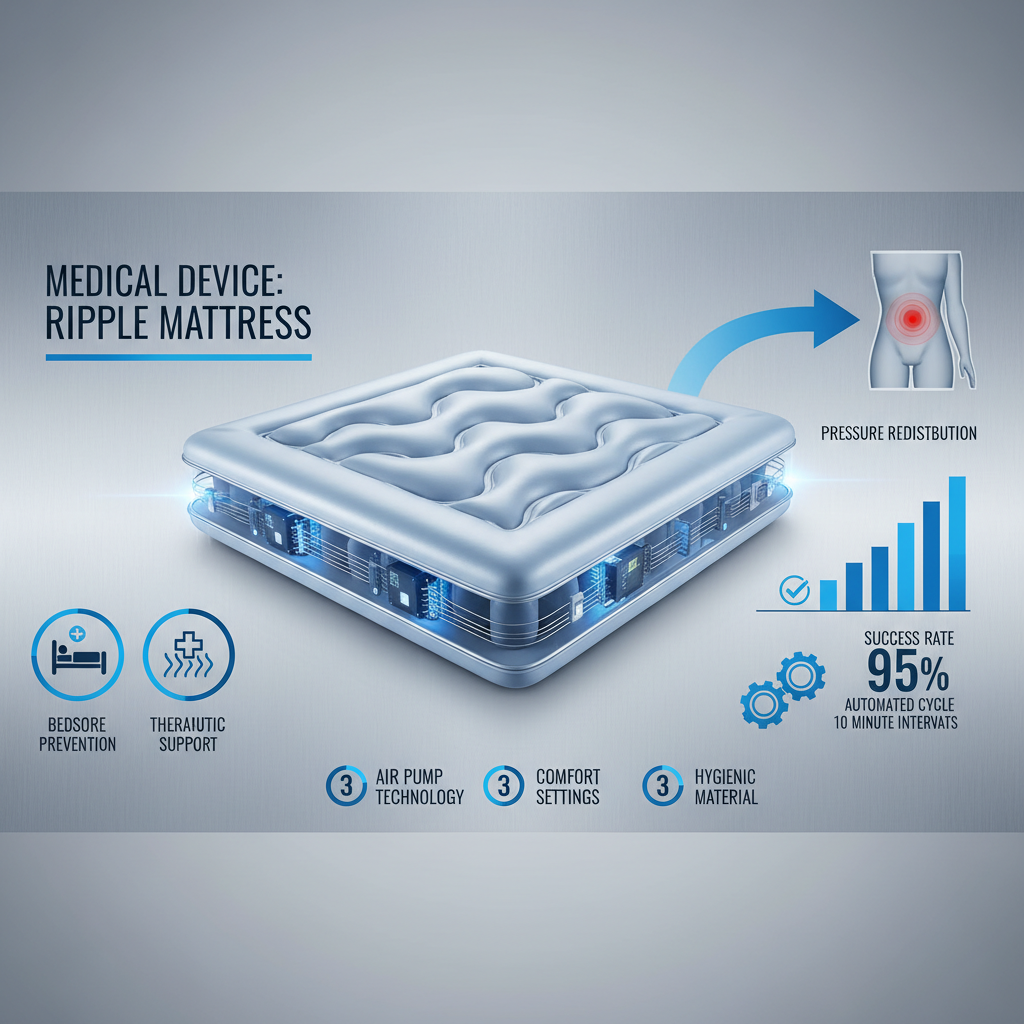
A ripple mattress for bedsores is a specialized support surface designed to redistribute pressure and reduce shear forces on the skin. These mattresses typically consist of inflatable cells that alternately inflate and deflate, creating a dynamic wave-like motion—hence the "ripple" effect. This constant shifting prevents prolonged pressure on any single area of the body, minimizing the risk of tissue damage and ulcer formation.
Unlike static foam mattresses, ripple mattresses actively work to prevent pressure buildup. They are often used in conjunction with other preventative measures, such as regular repositioning and proper skin care. The technology behind ripple mattresses is rooted in the principles of biomechanics and physiology, recognizing the importance of maintaining adequate blood flow and oxygenation to skin tissues.
The connection to modern healthcare needs is profound. With an aging population and an increasing prevalence of chronic conditions, the demand for effective pressure ulcer prevention strategies has never been greater. Ripple mattresses represent a significant advancement in this area, offering a practical and reliable solution for protecting vulnerable patients.
Core Components of Effective Ripple Mattress Technology
Several key factors determine the effectiveness of a ripple mattress for bedsores. Pressure Redistribution: The primary function is to evenly distribute weight across the mattress surface, preventing concentrated pressure points. The alternating inflation/deflation cycles achieve this dynamic redistribution, minimizing the risk of tissue ischemia. Proper pressure mapping is critical to ensuring optimal performance.
Air Cell Design: The size, shape, and arrangement of the air cells significantly influence the mattress's performance. Smaller cells generally provide more precise pressure redistribution, while larger cells may offer greater comfort. The material used for the air cells must be durable, puncture-resistant, and capable of maintaining consistent inflation.
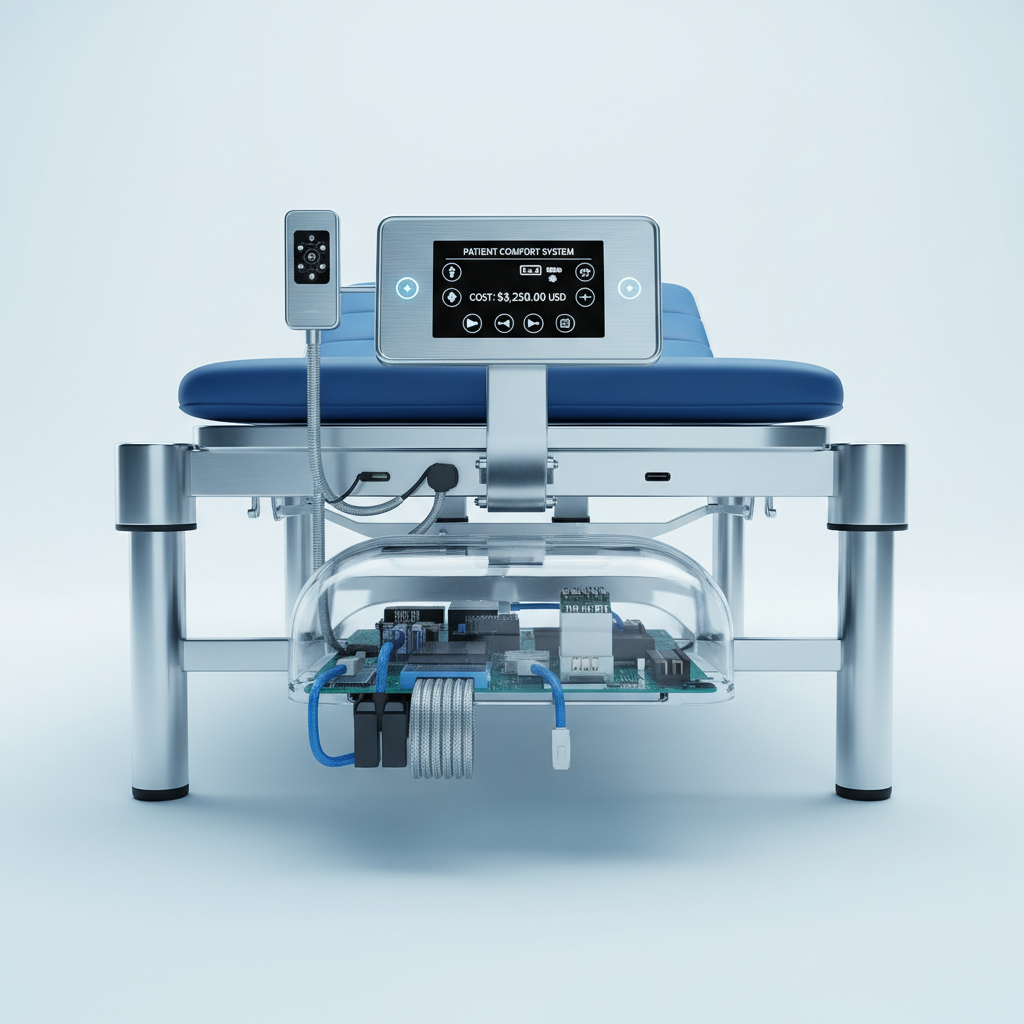
Control System: A reliable control system is essential for regulating the inflation/deflation cycles and adjusting the pressure levels. Advanced control systems offer customizable settings to accommodate individual patient needs and weight ranges. Features such as automatic pressure adjustment and alarm systems enhance safety and effectiveness.
Material Quality: The overall quality of materials used in the construction of the mattress, including the cover and base, impacts durability, hygiene, and patient comfort. Breathable, waterproof, and antimicrobial materials are desirable features.
Noise Level: Excessive noise from the pump or air cells can disrupt patient sleep and create a negative environment. Manufacturers strive to minimize noise levels through optimized design and quiet pump technology.
Ease of Use: The mattress should be easy to set up, operate, and maintain. Simple controls, clear instructions, and readily available replacement parts are important considerations.
Global Applications and Use Cases of Ripple Mattresses
Ripple mattresses for bedsores find application in a diverse range of healthcare settings globally. Hospitals frequently utilize them in intensive care units (ICUs), post-operative recovery rooms, and long-term care wards to prevent pressure ulcers in patients at high risk. In the United Kingdom’s National Health Service (NHS), ripple mattress for bedsores are integrated into pressure ulcer prevention protocols.
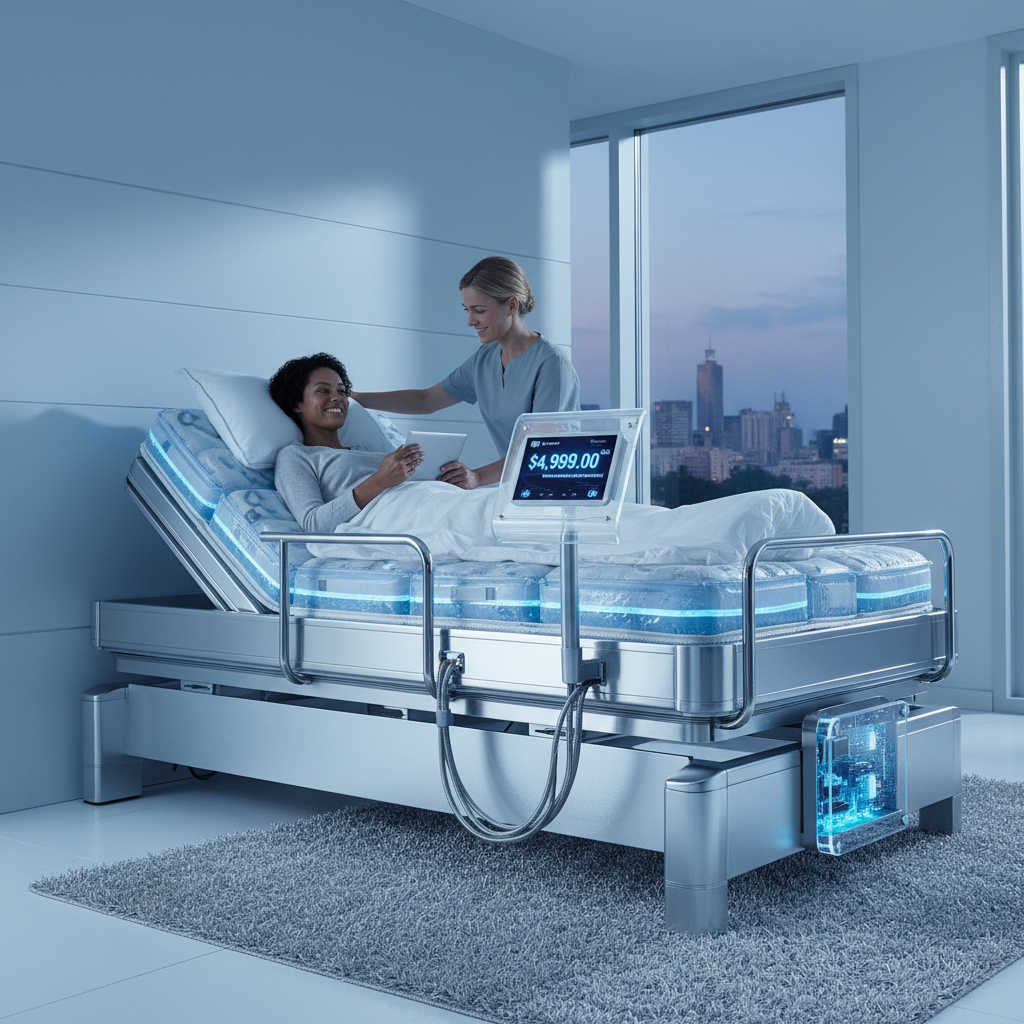
Long-term care facilities and nursing homes rely heavily on these mattresses to protect residents with limited mobility. Rehabilitation centers employ them to aid in the recovery of patients following spinal cord injuries or strokes. Furthermore, an increasing number of individuals are utilizing ripple mattresses in their homes, particularly those receiving palliative care or managing chronic conditions that increase their risk of pressure injury.
In resource-limited settings, where access to advanced wound care may be limited, ripple mattresses serve as a crucial preventative measure, reducing the burden on already strained healthcare systems. Humanitarian organizations deploying medical aid often include ripple mattresses in their supplies to provide comprehensive patient care in emergency situations.
Comparative Effectiveness of Ripple Mattress Methods
Advantages and Long-Term Value of Ripple Mattress Implementation
The benefits of implementing ripple mattresses for bedsores extend far beyond immediate pressure ulcer prevention. Reduced healthcare costs associated with treating pressure injuries represent a significant economic advantage. Fewer complications such as infections, prolonged hospital stays, and surgical interventions translate to substantial savings for healthcare institutions and patients alike.
From a patient perspective, ripple mattresses enhance comfort and dignity, contributing to an improved quality of life. By minimizing the risk of painful pressure ulcers, these mattresses allow patients to focus on their recovery and overall wellbeing. The preventative nature of the technology also fosters a sense of security and peace of mind for both patients and their families.
Future Trends and Innovations in Ripple Mattress Technology
The future of ripple mattress technology is poised for exciting advancements. Integration with smart sensors and data analytics is enabling real-time monitoring of pressure distribution and patient movement, allowing for personalized adjustments and proactive interventions. Wireless connectivity and remote monitoring capabilities are further enhancing the efficiency and effectiveness of these systems.
The development of more sustainable and eco-friendly materials is also gaining momentum. Manufacturers are exploring the use of recycled materials and biodegradable polymers to reduce the environmental impact of ripple mattresses. Advances in microfluidics and airflow control promise to create even more sophisticated and responsive pressure redistribution systems.
Challenges and Solutions in Ripple Mattress Application
Despite their numerous benefits, the implementation of ripple mattresses faces certain challenges. Cost can be a barrier for some healthcare facilities and individuals, particularly in developing countries. Ensuring proper training for staff and caregivers is crucial to maximizing the effectiveness of the technology.
Maintenance requirements, such as regular cleaning and inspection, must be addressed to prevent infection and ensure optimal performance. Addressing these challenges requires innovative financing models, comprehensive training programs, and the development of more user-friendly and durable designs. ripple mattress for bedsores are an essential part of preventative care.
Furthermore, patient acceptance is essential. Addressing concerns about noise, comfort, and perceived restriction can improve compliance and maximize the benefits of the technology. Open communication and individualized adjustments can help alleviate these concerns.
Summary of Solutions for Challenges in Ripple Mattress Application
| Challenge |
Impact on Ripple Mattress Effectiveness |
Proposed Solution |
Implementation Level (1-5, 5=Highest) |
| High Initial Cost |
Limits accessibility for smaller facilities |
Leasing programs, government subsidies |
3 |
| Insufficient Staff Training |
Incorrect operation, reduced effectiveness |
Mandatory certification courses, online resources |
4 |
| Maintenance Requirements |
Potential for infection, reduced lifespan |
Scheduled maintenance checks, antimicrobial materials |
3 |
| Patient Discomfort/Noise |
Reduced compliance, limited effectiveness |
Adjustable settings, quiet pump technology |
4 |
| Durability Concerns |
Frequent replacements, increased costs |
High-quality materials, robust construction |
3 |
| Limited Awareness |
Underutilization of preventative technology |
Educational campaigns for healthcare professionals |
2 |
FAQS
Ripple mattresses provide dynamic pressure redistribution, constantly shifting weight and reducing prolonged pressure on any single area. Standard foam mattresses offer static support, which can still lead to pressure buildup over time. Ripple mattresses are particularly beneficial for patients at high risk due to immobility or underlying medical conditions. This dynamic pressure relief significantly lowers the risk of tissue damage and ulcer formation.
While ripple mattresses significantly reduce pressure, they don’t eliminate the need for repositioning. Patients should still be repositioned at least every two hours to promote circulation and prevent shear forces. Repositioning complements the mattress's functionality, ensuring comprehensive pressure ulcer prevention. The frequency may vary depending on the individual’s risk factors and medical condition.
The lifespan of a ripple mattress typically ranges from 2 to 5 years, depending on usage and maintenance. Regular cleaning with approved disinfectants is crucial to prevent infection. Inspect the mattress and pump for damage, such as leaks or punctures, and address any issues promptly. Follow the manufacturer's guidelines for maintenance and replacement schedules.
Ripple mattresses are generally suitable for most patients at risk of developing pressure ulcers. However, there are certain contraindications, such as patients with unstable spinal fractures or severe open wounds. It’s essential to consult with a healthcare professional to determine if a ripple mattress is appropriate for an individual’s specific condition. A thorough patient assessment is crucial.
Ripple mattresses typically offer adjustable pressure settings to accommodate different patient weights and needs. Lower pressure settings are suitable for lighter individuals, while higher settings are necessary for heavier patients. Start with a lower setting and gradually increase it until optimal pressure redistribution is achieved. It's crucial to monitor the patient's skin regularly to ensure effectiveness.
The noise level of the pump can be disruptive for some patients, potentially impacting their sleep and wellbeing. Manufacturers are increasingly developing quieter pump technologies to minimize noise pollution. Look for models specifically designed for low noise operation. Patient feedback should be considered when selecting a mattress.
Conclusion
In conclusion, ripple mattresses for bedsores represent a significant advancement in pressure ulcer prevention, offering a dynamic and effective solution for protecting vulnerable patients. Their ability to redistribute pressure, enhance comfort, and reduce healthcare costs makes them a valuable asset in a wide range of healthcare settings. Embracing this technology is a proactive step towards improving patient care and quality of life.
Looking ahead, continued innovation in materials, sensor technology, and data analytics will further refine ripple mattress performance and personalize preventative care. Prioritizing education for healthcare professionals and ensuring equitable access to these technologies are crucial steps to maximize their impact. Visit our website at www.chuangenmedicals.com to learn more about our range of ripple mattresses and comprehensive pressure ulcer prevention solutions.