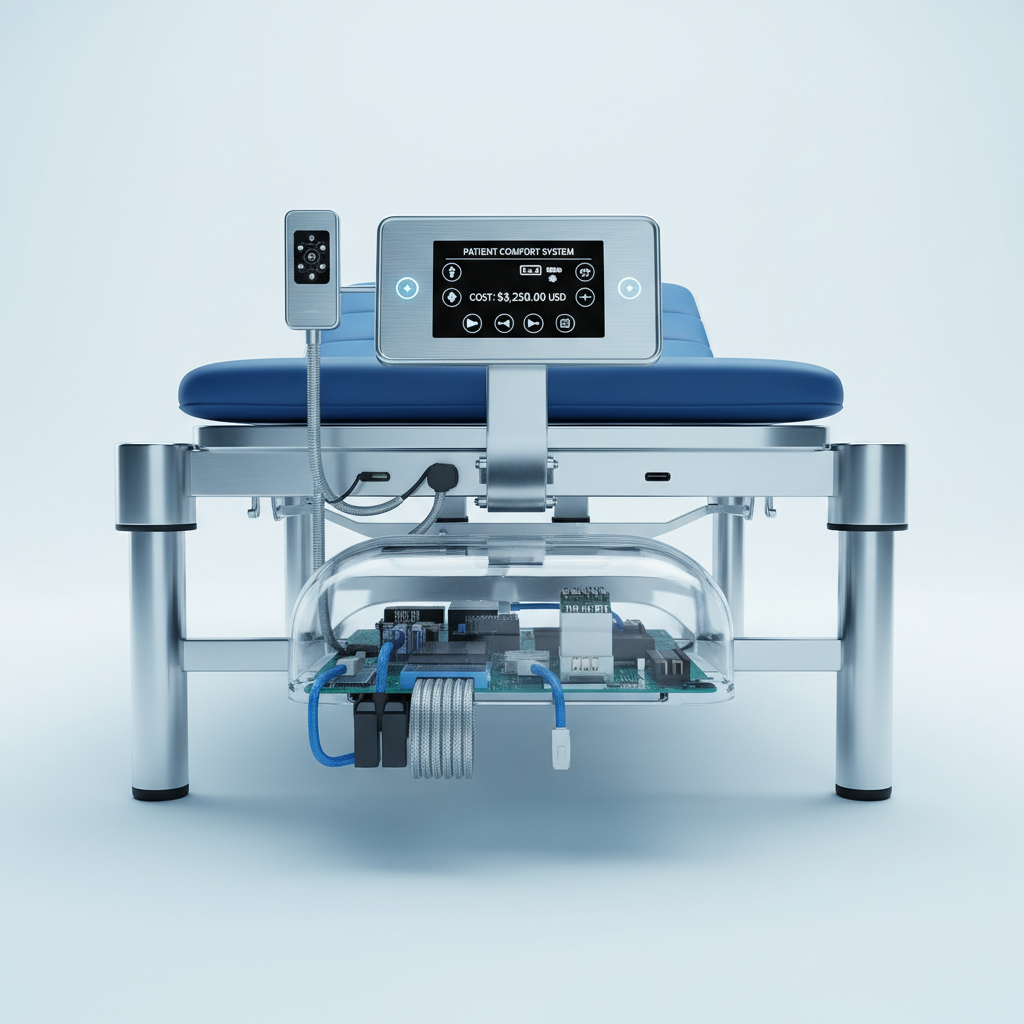
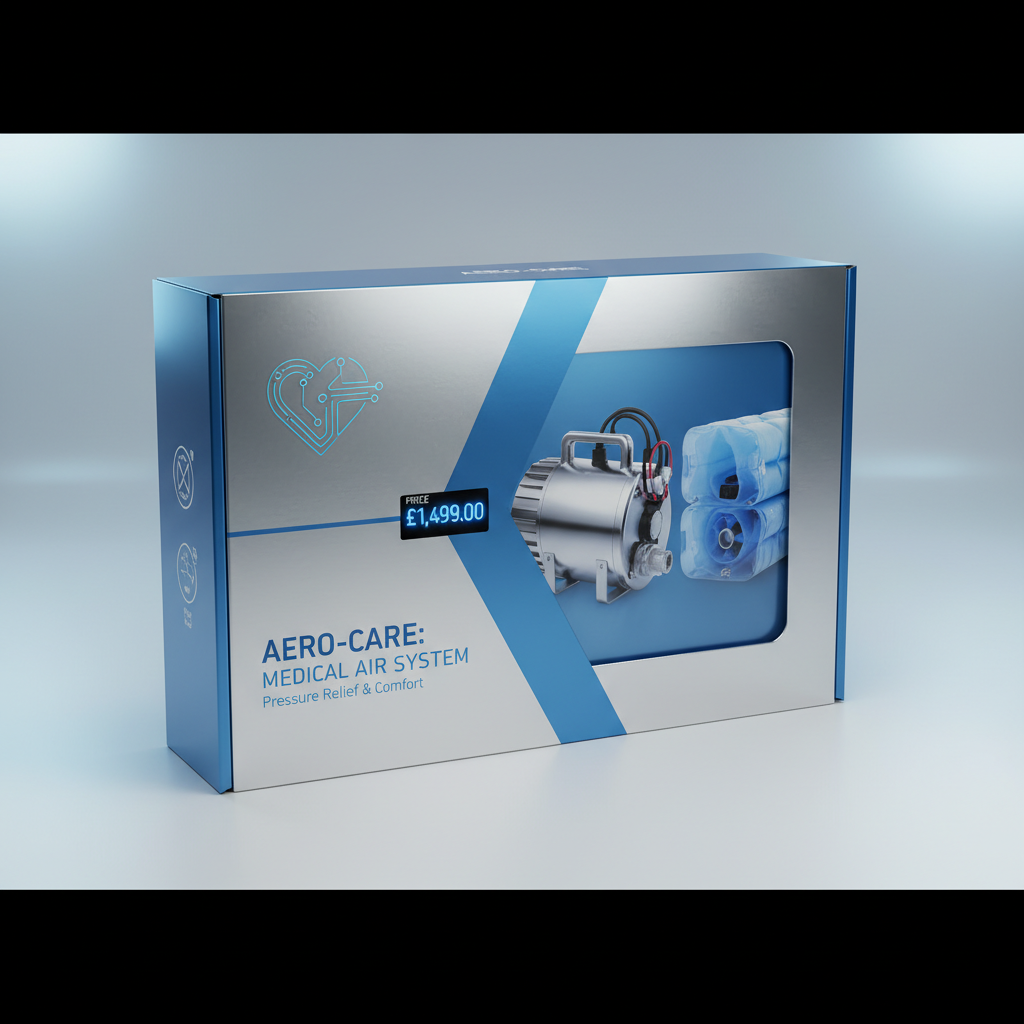
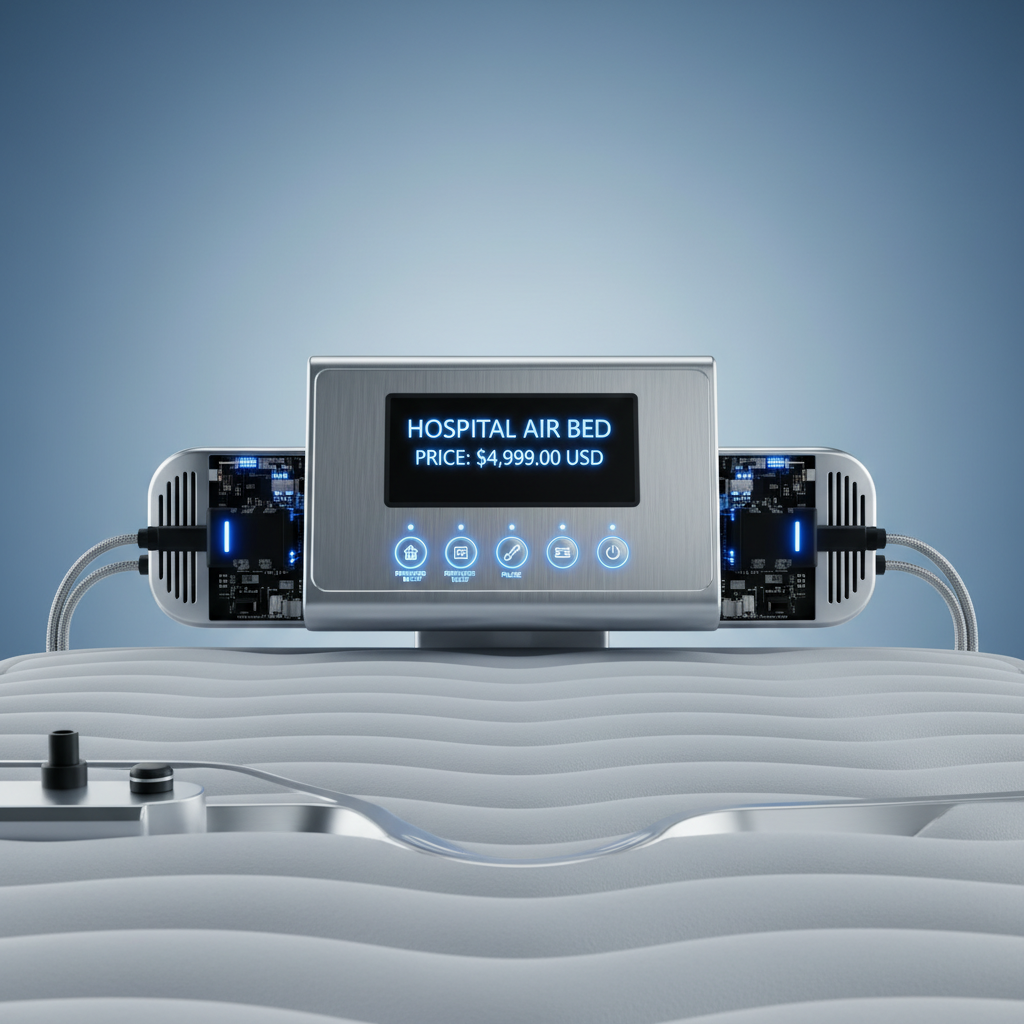
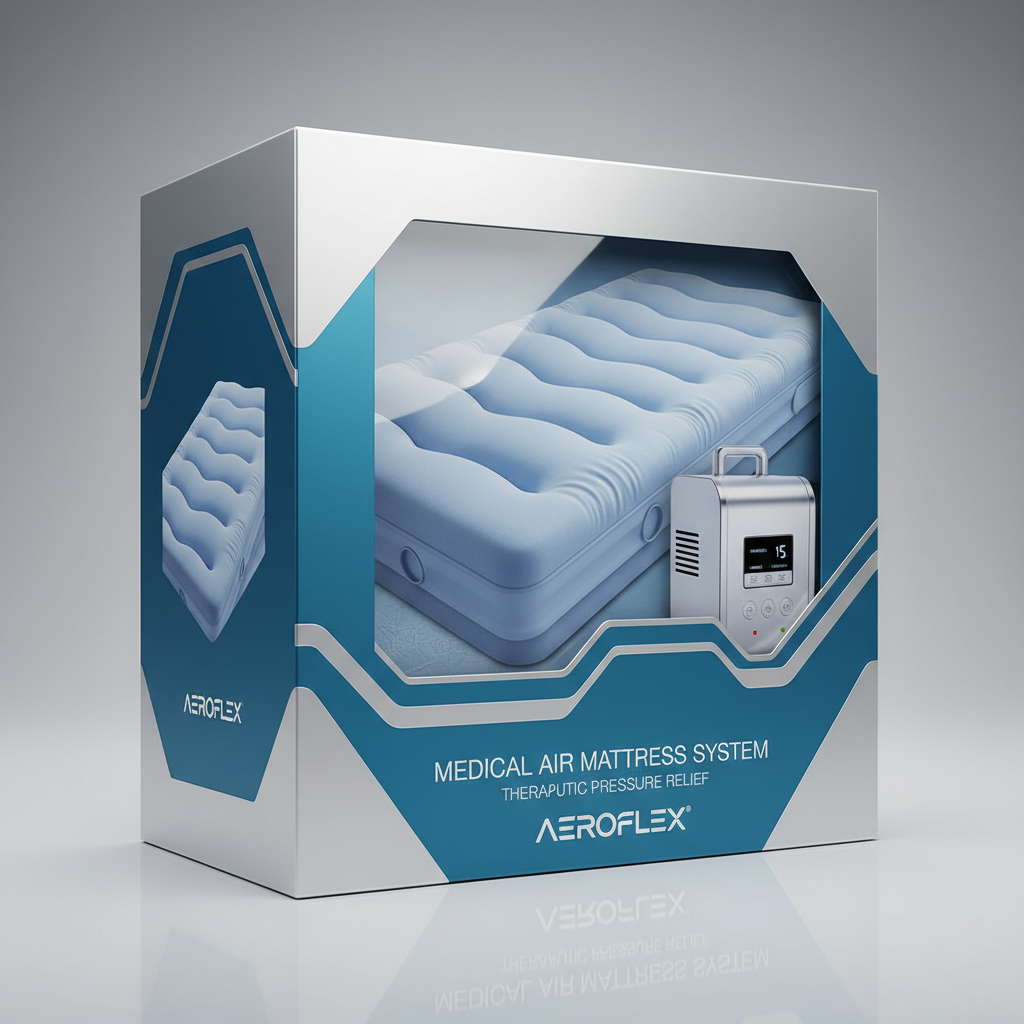
The cost of air bed for patients is a critical consideration for healthcare facilities, home healthcare providers, and individuals requiring prolonged bed rest. As populations age and chronic conditions become more prevalent, the demand for comfortable and effective pressure injury prevention solutions increases. Understanding the various factors influencing this cost – from bed type and features to ongoing maintenance – is essential for making informed decisions that balance patient care and budgetary constraints. This understanding is crucial globally, especially in regions with limited resources or aging infrastructure.
Globally, the need for effective pressure ulcer prevention is rising due to increasing longevity and the prevalence of conditions like diabetes and spinal cord injuries. The World Health Organization estimates that pressure ulcers affect millions annually, leading to significant morbidity, mortality, and healthcare costs. The cost of air bed for patients is not merely an expense; it’s an investment in patient well-being, reduced hospital readmissions, and optimized healthcare resource allocation. The ISO 13485 standard for medical devices ensures quality and safety, impacting manufacturing costs and ultimately, the final price for consumers.
The increasing demand for specialized medical equipment, combined with supply chain challenges and fluctuating material costs, directly influences the cost of air bed for patients. Navigating these complexities requires a comprehensive understanding of the market and a focus on value-based purchasing decisions. Addressing this need proactively can significantly improve patient outcomes and reduce the overall burden on healthcare systems worldwide.
Defining the Cost of Air Beds for Patients
The cost of air bed for patients encompasses more than just the initial purchase price. It's a multifaceted consideration including the type of air bed (low air loss, alternating pressure, hybrid), features like pressure mapping and adjustable firmness, and the potential for ongoing maintenance and repair. Understanding these components is key to a realistic cost assessment.
The term refers to the total expenditure associated with acquiring and utilizing an air mattress designed to prevent pressure ulcers in patients. This can range from basic, manually adjustable models to sophisticated, digitally controlled systems. Factors like manufacturing materials, labor costs, and distribution networks all contribute to the final price point.
The Global Landscape and Market Dynamics
The global market for pressure ulcer prevention products, including air beds, is experiencing steady growth driven by aging populations and rising healthcare expenditure. North America and Europe currently hold the largest market share, but Asia-Pacific is expected to witness the fastest growth rate due to increasing awareness and improving healthcare infrastructure. This drives competition and impacts the cost of air bed for patients.
Supply chain disruptions, raw material price fluctuations (particularly for polymers and electronics), and regulatory requirements all play a role in shaping market dynamics. Manufacturers are increasingly focused on innovation to differentiate their products and justify premium pricing. Furthermore, government initiatives promoting pressure ulcer prevention can create demand and influence purchasing decisions.
Economic conditions in different regions also affect affordability and accessibility. In developing countries, the cost of air bed for patients can be a significant barrier to access, highlighting the need for affordable solutions and potential donor funding. The competitive landscape includes both established multinational corporations and emerging local manufacturers.
Key Factors Influencing the Cost
Several factors directly impact the cost of air bed for patients. The type of technology used – alternating pressure, low air loss, or a hybrid system – is a primary determinant. More advanced features, such as microclimate control and individualized pressure mapping, add to the expense.
Manufacturing quality and materials also play a significant role. Durable, high-grade materials designed for prolonged use will naturally be more expensive than lower-quality alternatives. The brand reputation and associated warranty also contribute to the overall price. Additional costs include shipping, installation, and training for healthcare staff.
Finally, the volume of purchase can influence the price. Hospitals and large healthcare organizations often negotiate bulk discounts. Furthermore, lease-to-own options or rental agreements can provide a more affordable alternative to outright purchase. Ongoing maintenance contracts are another cost consideration.
Air Bed Technology and Cost Breakdown
The cost of air bed for patients varies significantly depending on the underlying technology. Alternating pressure air beds, which cyclically inflate and deflate air cells to redistribute pressure, are generally the most affordable option. Low air loss beds, which continuously circulate air to maintain a dry and cool microclimate, are typically more expensive.
Hybrid systems, combining alternating pressure with low air loss, offer the most comprehensive pressure ulcer prevention but also carry the highest price tag. The cost breakdown includes the air mattress itself (40-60%), the control unit (10-20%), the pump (10-15%), and the cover material (5-10%). Labor and manufacturing overhead account for the remaining portion.
Cost Comparison of Air Bed Technologies
Applications in Healthcare Settings
Air beds are widely used in acute care hospitals, long-term care facilities, and home healthcare settings. They are particularly crucial for patients at high risk of developing pressure ulcers, such as those with limited mobility, spinal cord injuries, or chronic illnesses. The cost of air bed for patients must be justified by the potential to prevent costly complications.
In intensive care units (ICUs), air beds help prevent skin breakdown in critically ill patients who are often immobile for extended periods. In rehabilitation centers, they support the healing process and facilitate patient comfort during recovery. Home healthcare providers utilize air beds to maintain the quality of life for individuals receiving care in their own homes.
Advantages and Long-Term Value Proposition
Investing in a high-quality air bed offers significant long-term value. Primarily, it drastically reduces the incidence of pressure ulcers, which can lead to prolonged hospital stays, increased healthcare costs, and diminished patient quality of life. The cost of air bed for patients is offset by these savings.
Beyond cost savings, air beds enhance patient comfort and dignity. They provide a supportive and stable sleep surface, reducing pain and promoting better rest. Moreover, advanced features like pressure mapping and microclimate control contribute to improved skin health and faster healing. The reliability and durability of a well-maintained air bed contribute to its long-term value.
From a healthcare provider’s perspective, utilizing air beds demonstrates a commitment to patient safety and quality of care. This builds trust with patients and their families and can enhance the reputation of the facility. Furthermore, proactive pressure ulcer prevention aligns with best practices and can help avoid potential legal liabilities.
Future Trends and Innovations in Air Bed Technology
The future of air bed technology is focused on enhancing comfort, personalization, and data integration. Smart air beds equipped with sensors and AI algorithms are emerging, capable of automatically adjusting pressure levels based on individual patient needs. These advancements contribute to the ongoing evolution of the cost of air bed for patients and its benefits.
The integration of telehealth and remote monitoring capabilities will allow healthcare providers to track patient status and adjust air bed settings remotely. Sustainable materials and energy-efficient designs are also gaining prominence, reflecting a growing emphasis on environmental responsibility. Further research is focused on developing biocompatible materials and innovative air cell designs.
Nanotechnology and microfluidics are being explored to create air beds with even more precise pressure control and enhanced skin health benefits. The use of 3D printing to customize air beds to individual patient anatomy is also a promising area of development, potentially lowering the overall cost of effective care.
Table Summarizing Factors Affecting Air Bed Selection and Cost
| Technology Type |
Patient Risk Level |
Feature Set |
Estimated Cost Range (USD) |
| Alternating Pressure |
Low to Moderate |
Basic Pressure Redistribution |
$500 - $800 |
| Low Air Loss |
Moderate to High |
Microclimate Control, Moisture Wicking |
$800 - $1500 |
| Hybrid System |
High to Very High |
Alternating Pressure + Low Air Loss |
$1200 - $2500 |
| Gel Overlay |
Low to Moderate |
Pressure Redistribution, Cooling |
$300 - $600 |
| Foam Overlay |
Low |
Basic Cushioning |
$100 - $300 |
| Smart Air Bed |
Any |
AI-Powered Adjustment, Remote Monitoring |
$2000+ |
FAQS
The lifespan of an air bed typically ranges from 3 to 5 years, depending on the quality of the materials, frequency of use, and proper maintenance. Regular inspections for leaks, damage to the air cells, and functionality of the control unit are crucial for maximizing its lifespan. Following the manufacturer’s guidelines for cleaning and disinfection also contributes to longevity. Ultimately, the cost of air bed for patients should be considered alongside its expected useful life.
Yes, many medical equipment suppliers offer financing and rental options for air beds. Financing allows healthcare facilities and individuals to spread the cost over time, while rental provides a more affordable short-term solution. Rental is particularly beneficial for patients requiring temporary pressure ulcer prevention, such as during post-operative recovery. Exploring these options can significantly reduce the upfront cost of air bed for patients.
The cost of treating a pressure ulcer far exceeds the initial investment in a high-quality air bed. Pressure ulcers require extensive wound care, antibiotics, and potentially surgery, leading to prolonged hospital stays and increased healthcare expenses. The cost of air bed for patients is a preventative measure that can save significant costs in the long run by reducing the risk of ulcer development. Studies show that preventative measures are substantially more cost-effective than reactive treatment.
Regular maintenance for an air bed includes visual inspections for damage, cleaning of the cover material, and checking the functionality of the pump and control unit. Replacement of filters and minor repairs may be necessary over time. The annual maintenance cost typically ranges from 5% to 10% of the initial purchase price. Some manufacturers offer maintenance contracts that cover routine servicing and repairs, providing predictable costs.
Insurance coverage for air beds varies depending on the patient’s insurance plan and medical necessity. Some insurance providers cover the cost of air beds when prescribed by a physician for pressure ulcer prevention. Government subsidies may be available in certain regions for individuals with limited financial resources. Checking with the insurance provider and exploring local assistance programs can help offset the cost of air bed for patients.
The materials used in air bed construction significantly influence both cost and durability. Nylon and polyurethane are common materials for the air cells, with polyurethane generally offering greater durability and resistance to punctures. The cover material also plays a role, with vinyl being less expensive but less breathable than fabric covers. Investing in higher-quality materials can increase the initial cost of air bed for patients but result in a longer lifespan and reduced need for replacements.
Conclusion
The cost of air bed for patients is a complex equation involving initial purchase price, ongoing maintenance, and the immeasurable value of preventing debilitating pressure ulcers. By carefully considering the technology, features, and long-term benefits, healthcare providers and individuals can make informed decisions that optimize patient care and budgetary responsibility. Ultimately, prioritizing preventative measures like air bed therapy contributes to improved quality of life and reduced healthcare burdens.
Looking ahead, continued innovation in air bed technology – driven by advancements in materials, sensors, and AI – promises to deliver even more effective and personalized pressure ulcer prevention solutions. Investing in these technologies and advocating for broader access can significantly impact patient outcomes and reduce the overall cost of healthcare. Visit our website at www.chuangenmedicals.com to learn more about our range of air beds and related products.