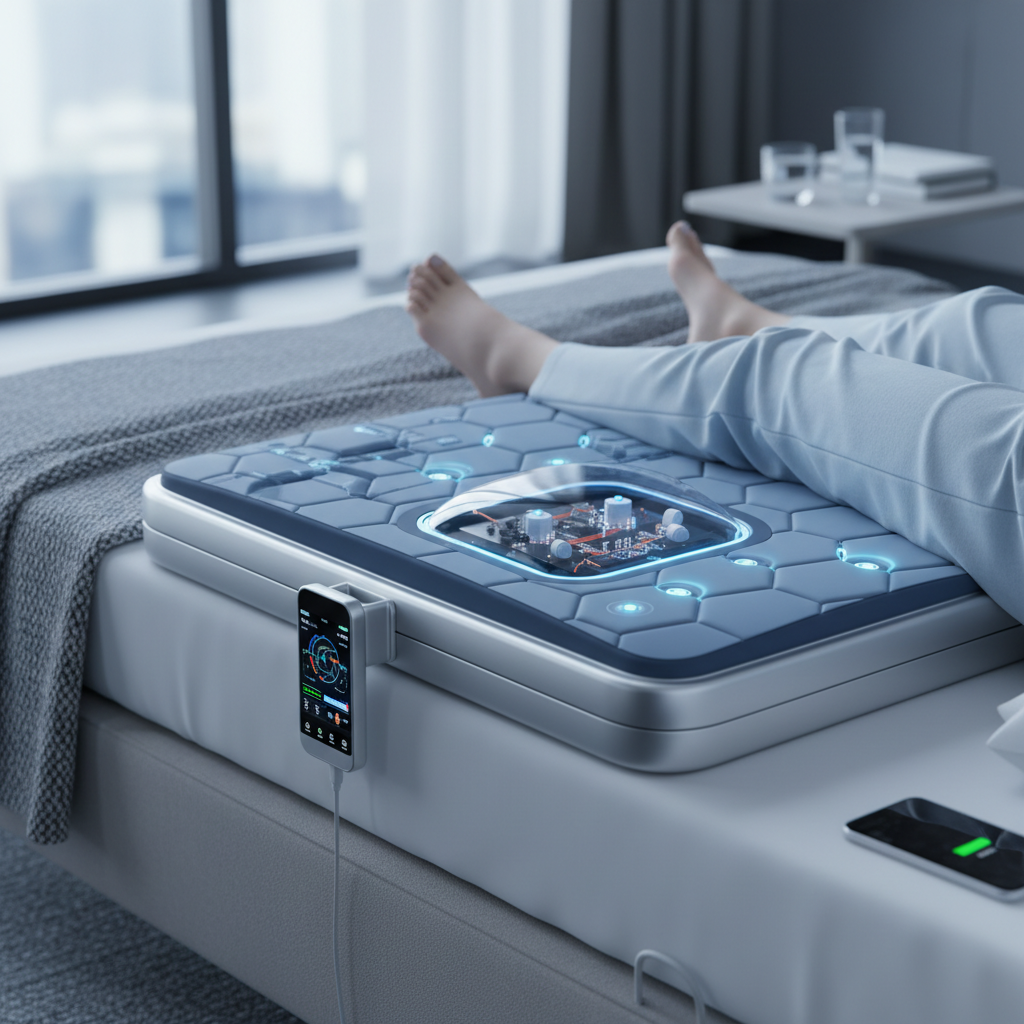
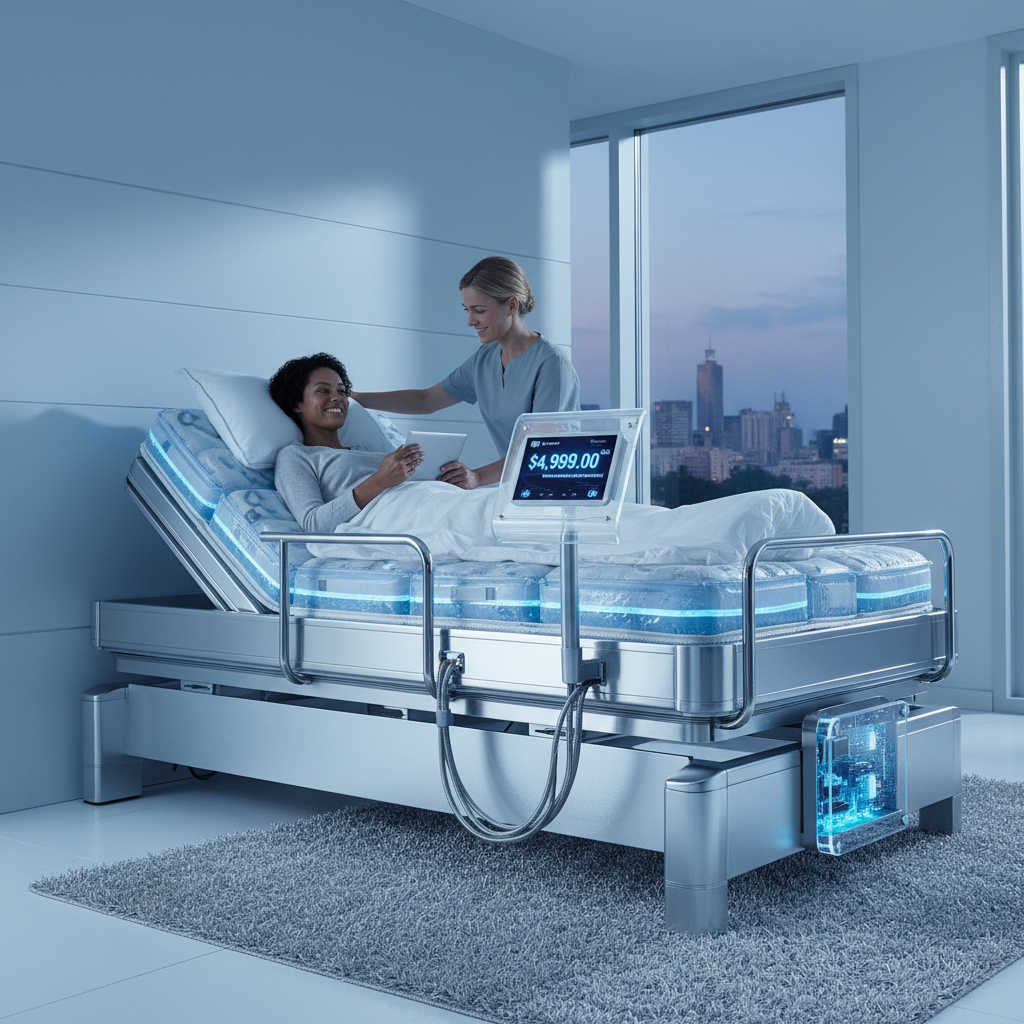
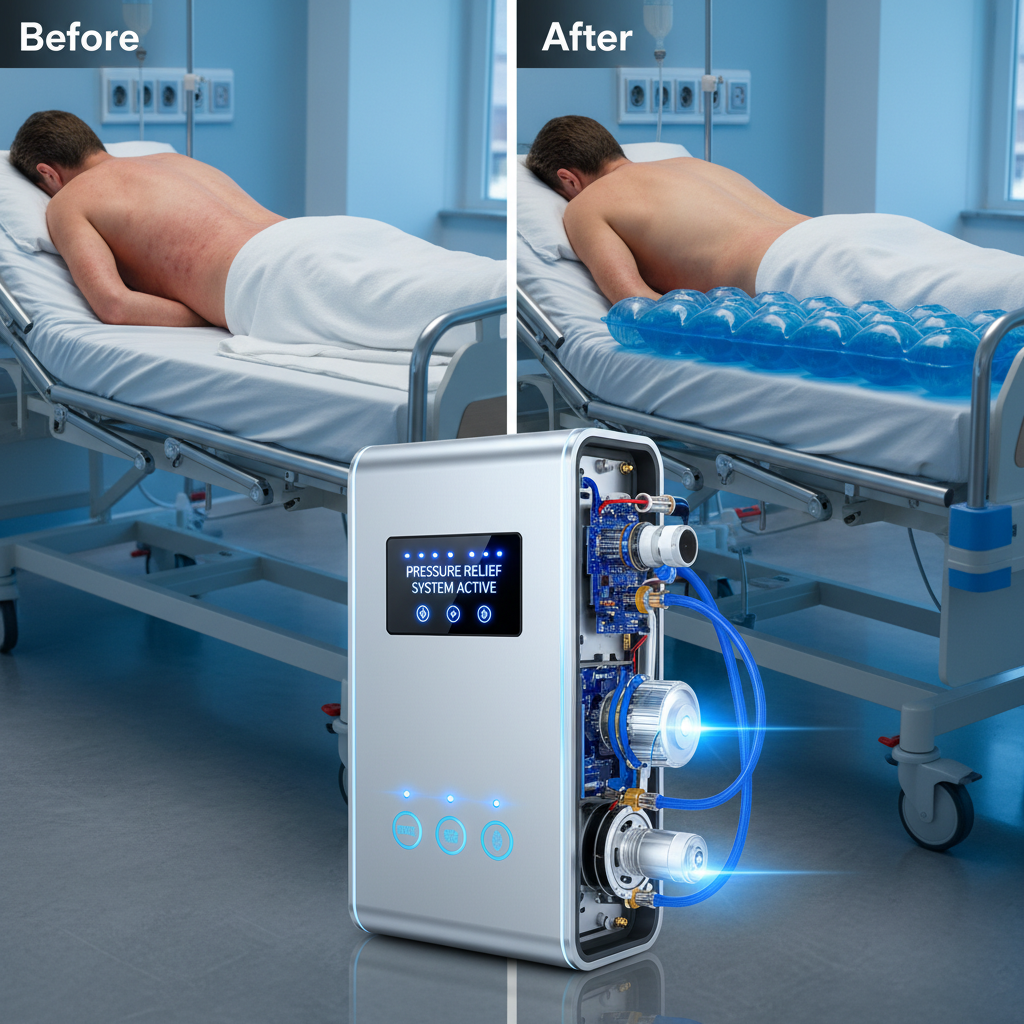
Anti bedsore cushions, also known as pressure relief cushions, are crucial tools in preventing and managing pressure ulcers, commonly called bedsores. These cushions distribute weight evenly, reducing pressure on bony prominences – areas like the tailbone, hips, and heels – where skin breakdown often begins. Understanding the design, materials, and proper use of an anti bedsore cushion is vital for healthcare professionals, caregivers, and individuals at risk.
Globally, pressure ulcers pose a significant healthcare burden. The World Health Organization estimates that they affect millions annually, leading to prolonged hospital stays, increased healthcare costs, and diminished quality of life. Factors like immobility, poor nutrition, and underlying medical conditions contribute to their development. Effective preventative measures, with the anti bedsore cushion as a cornerstone, are essential for mitigating these risks.
The increasing aging population and the rise in chronic illnesses worldwide are driving demand for pressure-reducing technologies. An effective anti bedsore cushion is not merely a product; it’s an investment in patient wellbeing, reducing suffering and promoting faster recovery. Its importance extends beyond hospitals and care facilities to home healthcare settings, supporting independence and comfort for individuals requiring long-term care.
The Core Principles of Anti Bedsore Cushion Design
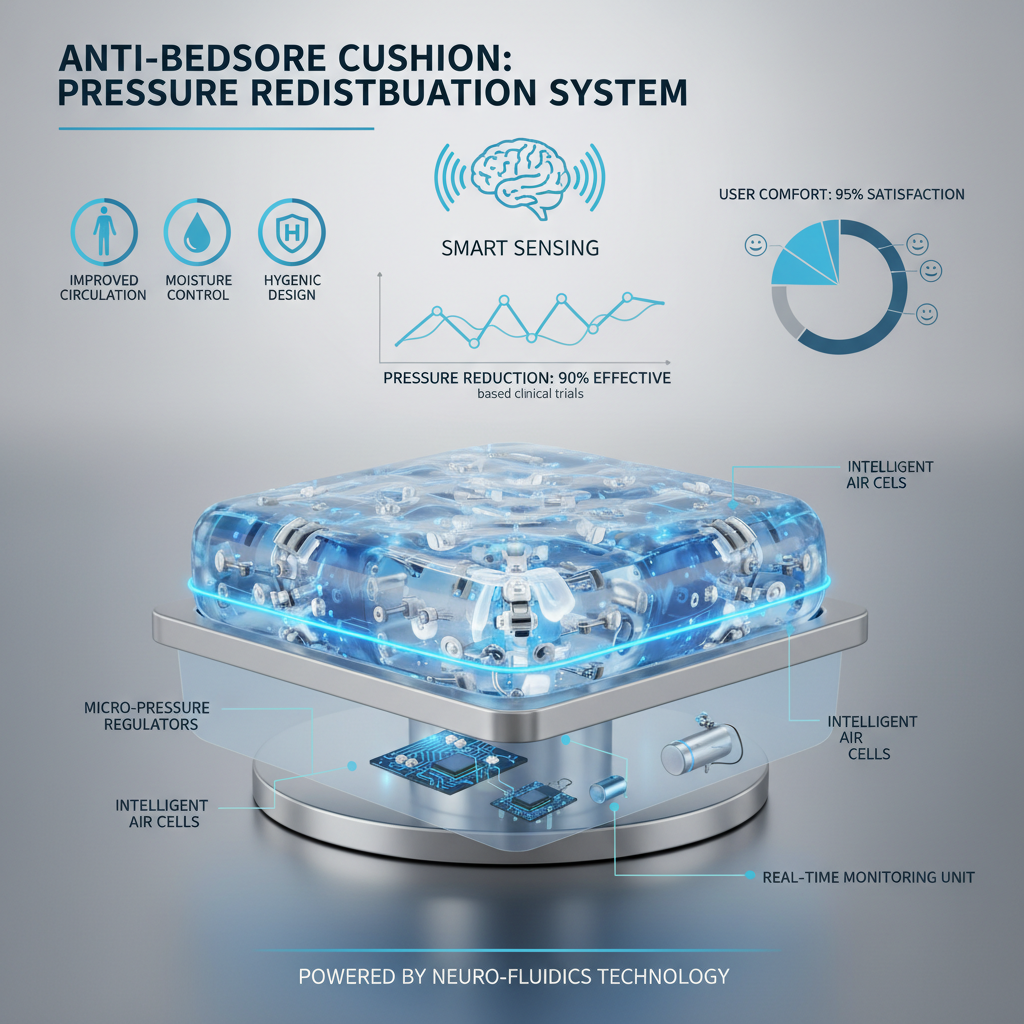
The fundamental principle behind an effective anti bedsore cushion is pressure redistribution. This is achieved through various design features, including specialized foam densities, fluid or gel fills, and strategically placed cutouts. These elements work together to minimize concentrated pressure on vulnerable areas, promoting healthy circulation and preventing tissue damage.
Modern cushion designs also prioritize microclimate control, regulating temperature and moisture to prevent maceration (skin softening due to prolonged moisture). Breathable fabrics and ventilation systems contribute to a drier, more comfortable environment, further reducing the risk of skin breakdown. Choosing a cushion with appropriate features for individual needs is paramount.
The Global Impact and Demand for Anti Bedsore Cushions
Pressure ulcers represent a significant, and often underestimated, global health challenge. In the United States alone, they affect an estimated 2.5 million patients annually, costing the healthcare system billions of dollars. Globally, the incidence rates are similarly alarming, particularly within aging populations and in settings where mobility is restricted. Consequently, the demand for anti bedsore cushions is steadily increasing.
This demand is not limited to developed countries. Emerging economies with growing elderly populations and improved healthcare access are also experiencing a rise in pressure ulcer cases. Healthcare facilities and home care providers worldwide are recognizing the crucial role of preventative measures, driving the demand for reliable and affordable pressure redistribution solutions.
Furthermore, increased awareness among patients and caregivers about the importance of preventative care is fueling the demand for self-management tools, including high-quality anti bedsore cushions for use at home. This shift towards proactive care represents a positive trend in the fight against pressure ulcers.
Defining and Understanding Anti Bedsore Cushion Technology
An anti bedsore cushion isn’t a single, monolithic product. It encompasses a range of technologies designed to reduce pressure and shear forces on the skin. These technologies include foam cushions (convoluted, high-density), air-filled cushions (alternating pressure), gel cushions, and hybrid designs combining different materials for optimal performance.
Understanding the specific mechanisms of each technology is vital. For example, alternating pressure cushions inflate and deflate different sections, dynamically shifting weight distribution. Gel cushions conform to the body's contours, providing even support. High-density foam cushions offer static support and pressure redistribution. The appropriate technology depends on the individual’s risk factors and clinical needs.
The effectiveness of an anti bedsore cushion is determined by its ability to reduce interface pressure – the force exerted between the body and the supporting surface. Regular skin assessments and adjustments to the cushion are essential to ensure continued effectiveness and prevent pressure ulcer development.
Key Factors Influencing Anti Bedsore Cushion Effectiveness
Several key factors dictate how well an anti bedsore cushion performs. These include the cushion's material composition, its weight-bearing capacity, and its ability to conform to the individual’s body shape. Durability and ease of cleaning are also crucial considerations for long-term use.
Proper fit is paramount. A cushion that is too large or too small will not provide adequate pressure relief. Regular assessment by a healthcare professional is recommended to ensure the cushion remains appropriate for the individual’s needs and that the individual is using it correctly.
Comparison of Anti Bedsore Cushion Technologies
Global Applications and Diverse Use Cases of Anti Bedsore Cushions
Anti bedsore cushions are deployed across a wide spectrum of healthcare settings, including hospitals, long-term care facilities, rehabilitation centers, and home healthcare. They are critical for individuals with spinal cord injuries, multiple sclerosis, stroke, and other conditions that impair mobility.
In post-disaster relief operations, where access to medical care is limited, these cushions can provide vital support for individuals injured and requiring prolonged immobility. They are also increasingly utilized in ambulance transport to minimize the risk of pressure ulcer development during patient transfer.
Advantages and Long-Term Value of Investing in Quality Cushions
Investing in a high-quality anti bedsore cushion offers numerous advantages. Beyond preventing painful pressure ulcers, they reduce the risk of complications such as infection and prolonged hospital stays, ultimately lowering healthcare costs. The improved comfort and dignity they provide also contribute to enhanced patient well-being.
The long-term value extends to caregivers, reducing the physical and emotional burden associated with managing pressure ulcers. Choosing a durable, easy-to-clean cushion minimizes replacement costs and ensures continued effectiveness, making it a cost-effective solution over time.
Future Trends and Innovations in Anti Bedsore Cushion Technology
The future of anti bedsore cushion technology is focused on integration with smart sensors and data analytics. Cushions equipped with pressure mapping sensors can provide real-time feedback on weight distribution, allowing for personalized adjustments and proactive intervention.
Research is also underway to develop new materials with enhanced pressure-redistributing properties and improved breathability. Sustainable and eco-friendly materials are gaining traction, aligning with the growing demand for environmentally responsible healthcare products. Digital health platforms will enable remote monitoring of cushion performance and patient positioning, further optimizing preventative care.
The integration of artificial intelligence (AI) to analyze data from these sensors and predict pressure ulcer risk will be a game-changer, moving us towards truly personalized preventative care.
Summary of Key Challenges and Potential Solutions in Anti Bedsore Cushion Technology
| Challenge |
Impact on Anti Bedsore Cushion Performance |
Potential Solution |
Implementation Difficulty (1-5, 5=High) |
| Cost |
Limited access for low-income individuals |
Subsidized programs, affordable material development |
3 |
| User Adherence |
Inconsistent use reduces effectiveness |
Education, simplified cushion designs, integrated reminders |
4 |
| Material Durability |
Premature wear and tear diminishes performance |
Advanced material science, rigorous testing standards |
2 |
| Data Integration |
Lack of real-time monitoring and personalized adjustments |
Smart sensor integration, AI-powered data analysis |
5 |
| Proper Fit & Sizing |
Incorrect size limits pressure redistribution |
Standardized sizing guides, individualized assessments |
3 |
| Cleaning & Hygiene |
Difficult cleaning promotes bacterial growth |
Antibacterial materials, easily removable and washable covers |
2 |
FAQS
Foam cushions offer static support and redistribute pressure through their density and construction, while gel cushions conform more closely to the body’s contours, providing dynamic pressure relief. Gel cushions generally offer better pressure distribution, especially for individuals at high risk, but may be heavier and more expensive. The best choice depends on individual needs and risk factors.
The lifespan of an anti bedsore cushion varies depending on its quality, usage frequency, and the individual’s weight. Generally, cushions should be inspected regularly for signs of wear and tear, such as compression or damage to the material. Replacement is recommended every 12-24 months, or sooner if signs of degradation are observed.
No, anti bedsore cushions vary significantly in terms of their materials, construction, and features. Some cushions are designed for specific risk levels, while others are more versatile. Factors to consider include pressure redistribution capabilities, microclimate control, weight capacity, and ease of cleaning. It's crucial to select a cushion that meets the individual’s specific needs.
Cleaning instructions vary depending on the cushion’s material. Generally, the cover should be regularly cleaned according to the manufacturer’s recommendations, often involving wiping with a mild disinfectant or machine washing. The cushion itself should be kept dry and free from damage. Inspect regularly for tears or punctures and address them promptly.
Signs that an anti bedsore cushion is no longer effective include visible compression or flattening of the cushion, decreased support, or the development of new pressure areas on the skin. If these signs are observed, a reassessment of the cushion’s suitability is necessary.
While you can purchase an anti bedsore cushion without a prescription, it’s always best to consult with a healthcare professional. They can assess your risk level and recommend the most appropriate cushion for your individual needs. This is especially important if you have underlying medical conditions or are at high risk of developing pressure ulcers.
Conclusion
In conclusion, the anti bedsore cushion stands as a critical component in preventing and managing pressure ulcers. Its effective design, encompassing pressure redistribution, microclimate control, and material durability, significantly impacts patient well-being and reduces healthcare burdens. From hospitals and care facilities to home healthcare settings, these cushions offer a proactive solution for individuals at risk.
Looking ahead, the integration of smart technologies, sustainable materials, and personalized data analysis promises to revolutionize the field, providing even more effective and tailored preventative care. By prioritizing investment in high-quality anti bedsore cushions and promoting awareness of preventative measures, we can significantly reduce the incidence of pressure ulcers and improve the quality of life for millions worldwide. Visit our website today to learn more: www.chuangenmedicals.com