Air mattresses for hospital beds represent a crucial component in modern healthcare, offering solutions for patient comfort, pressure ulcer prevention, and overall improved care quality. The global demand for these specialized mattresses is driven by an aging population, increasing prevalence of chronic illnesses, and a growing emphasis on patient well-being. Understanding the nuances of air mattress for hospital bed price is paramount for healthcare providers, facility managers, and procurement specialists seeking optimal value and patient outcomes.
The healthcare industry’s commitment to reducing hospital-acquired pressure injuries (HAPIs) significantly impacts the demand for advanced air mattresses. These mattresses are not simply comfort items; they are essential medical devices. The air mattress for hospital bed price varies widely depending on features, technology, and manufacturer, creating a complex landscape for buyers. Efficient procurement and a clear understanding of the available options are vital.
Global healthcare expenditure continues to rise, placing increasing pressure on facilities to optimize costs without compromising care. Air mattresses for hospital beds offer a cost-effective solution compared to traditional turning and repositioning protocols, reducing nursing workload and potentially shortening hospital stays. The accessibility of quality air mattress for hospital bed price, particularly in developing nations, is also a growing concern addressed by international health organizations.
Introduction to air mattress for hospital bed price
The market for air mattresses designed for hospital beds is a significant segment of the broader medical device industry. The air mattress for hospital bed price is affected by technological advancements, material costs, and regulatory requirements. It's an area with consistent demand, driven by the need for effective pressure injury prevention and patient comfort in healthcare settings globally.
Understanding the variations in air mattress for hospital bed price is crucial. From basic static air mattresses to sophisticated dynamic systems with features like microclimate control and integrated scales, costs differ substantially. This impacts purchasing decisions, particularly for institutions operating with limited budgets or facing fluctuating healthcare funding.
Defining Air Mattresses for Hospital Beds
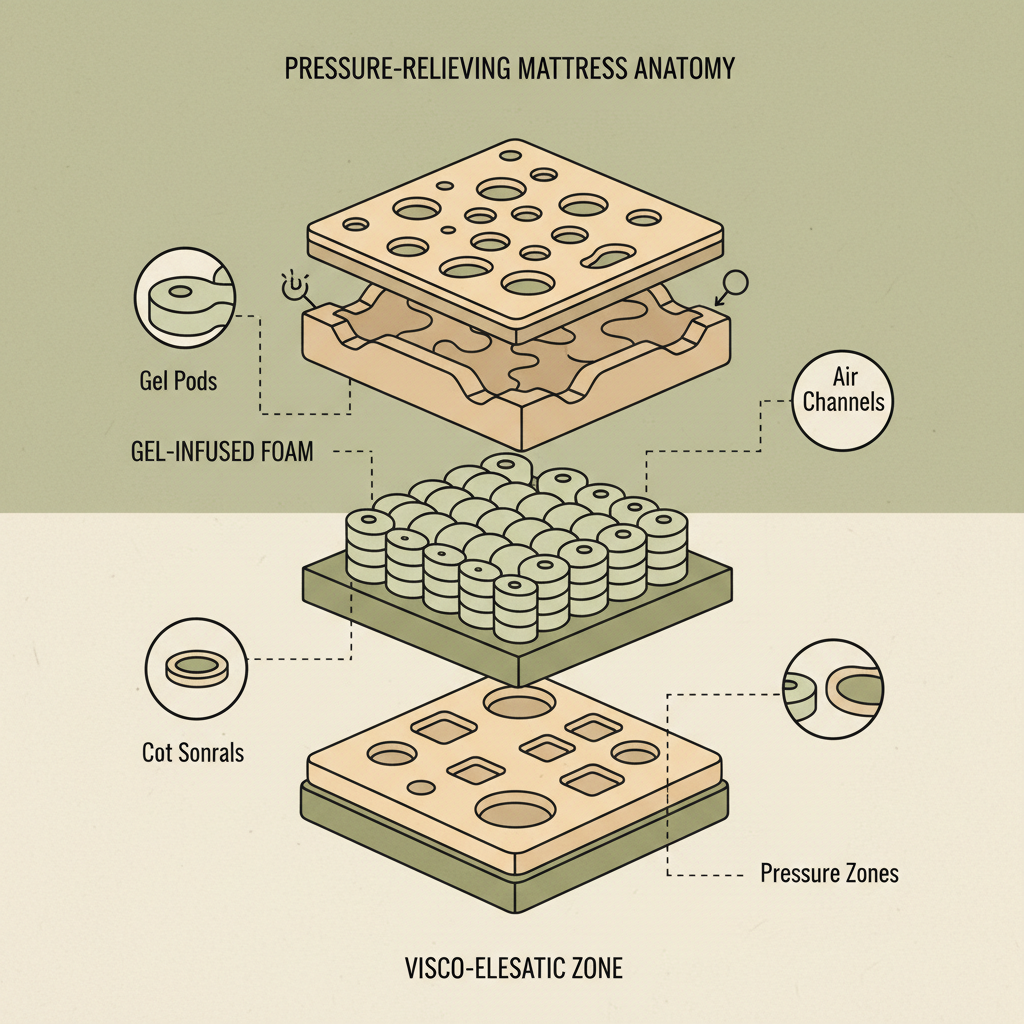
Air mattresses for hospital beds are specialized medical devices designed to distribute a patient’s weight evenly across the bed surface, thereby reducing pressure points. These mattresses come in various designs, including static air mattresses (which maintain a constant pressure) and dynamic air mattresses (which cycle through pressure changes to further reduce pressure and improve circulation). air mattress for hospital bed price often reflects the complexity and technology incorporated into the design.
The core function of these mattresses extends beyond simple comfort. They play a vital role in preventing pressure ulcers (bedsores), a common and costly complication for patients with limited mobility. The severity of a patient’s condition and their risk factors heavily influence the type of air mattress required, directly impacting the air mattress for hospital bed price.
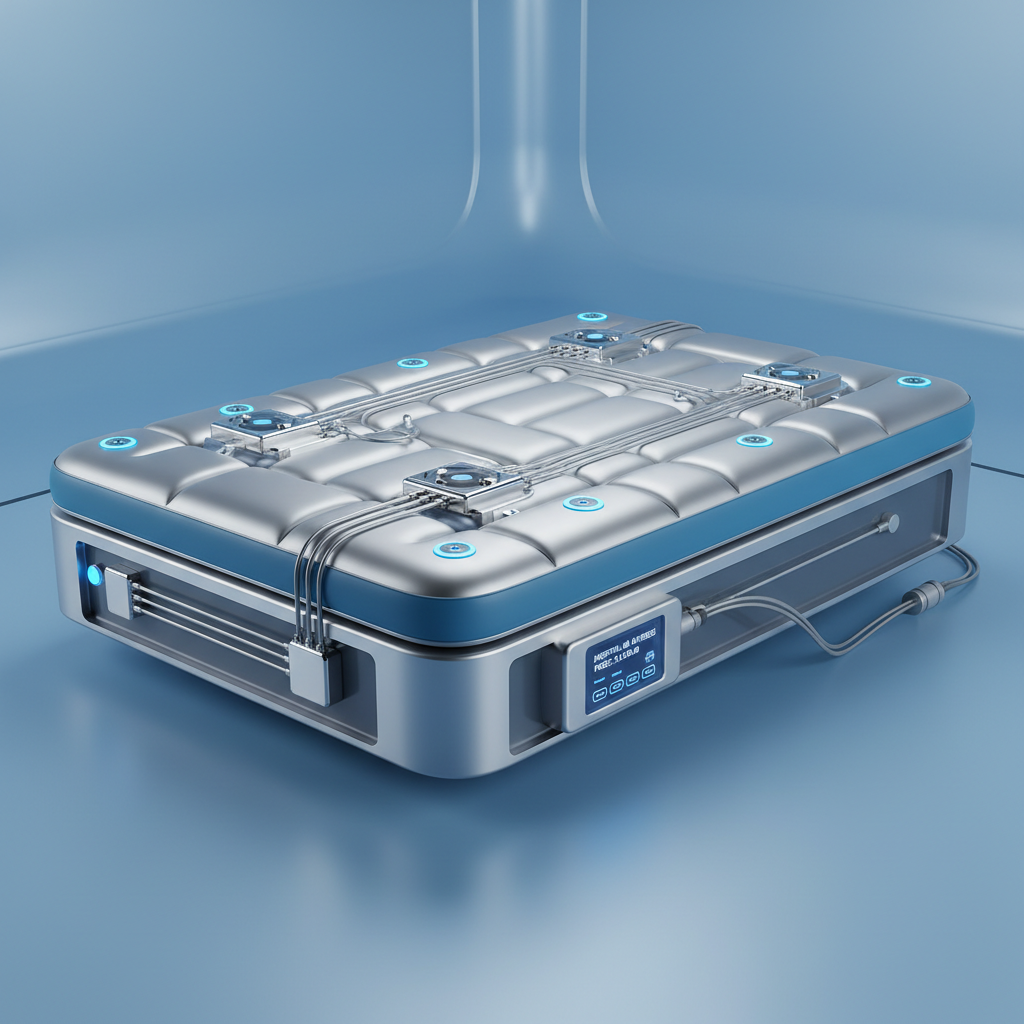
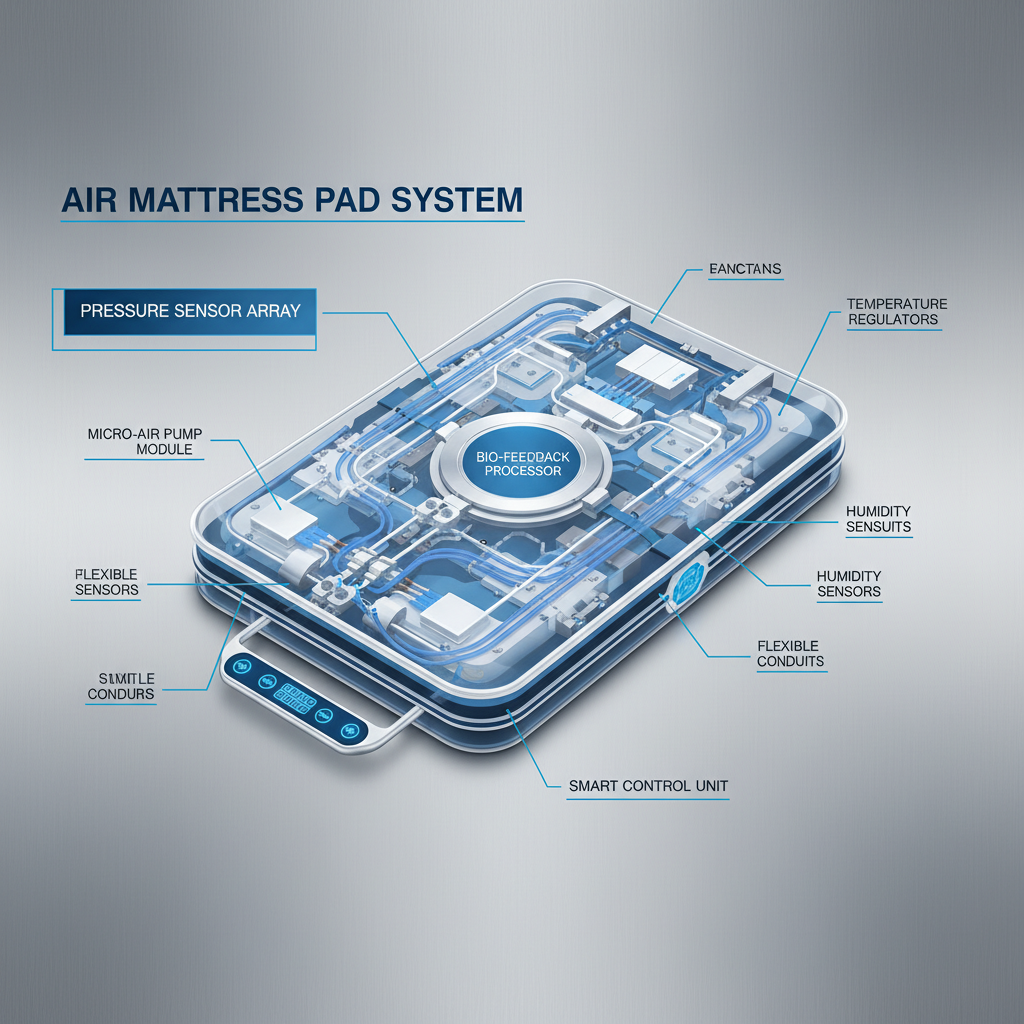
Modern air mattresses incorporate features such as adjustable firmness settings, breathable materials, and antimicrobial surfaces to enhance patient care and infection control. They connect to a pump system which maintains appropriate pressure levels and ensures optimal functionality. This connection directly influences the overall air mattress for hospital bed price.
Core Components Influencing air mattress for hospital bed price
The air mattress for hospital bed price is directly linked to the materials used in its construction. High-quality, durable materials like polyurethane or medical-grade vinyl are essential for longevity and infection control, driving up costs. Cheaper materials may offer a lower initial air mattress for hospital bed price but can lead to premature failure and compromised patient safety.
The type of pump system is another major cost factor. Sophisticated pumps with features like low-air loss technology, variable pressure settings, and audible alarms contribute significantly to the air mattress for hospital bed price. Simpler pumps are less expensive but offer fewer functionalities.
The control panel’s complexity and the inclusion of smart features, such as integrated weight sensors or data logging capabilities, also affect the overall cost. These advanced features enhance patient monitoring and treatment but naturally increase the air mattress for hospital bed price.
Key Factors Affecting air mattress for hospital bed price
The primary factor influencing air mattress for hospital bed price is the level of technology embedded within the system. Dynamic alternating pressure mattresses, designed for high-risk patients, command a higher price compared to static mattresses. The complexity of the control system, pressure adjustment capabilities, and the inclusion of features like shear reduction mechanisms all contribute.
Manufacturer reputation and brand recognition play a significant role. Established brands often charge a premium for their perceived quality, reliability, and after-sales service. However, emerging manufacturers can offer competitive air mattress for hospital bed price without necessarily compromising quality.
Comparison of air mattress for hospital bed price by Feature
Global Applications of Hospital Air Mattresses
Air mattresses for hospital beds are utilized across a diverse range of healthcare settings globally. This includes acute care hospitals, long-term care facilities, rehabilitation centers, and even home healthcare environments. Demand is particularly strong in regions with aging populations, such as Europe and North America.
In post-disaster relief operations, temporary medical facilities often rely on inflatable air mattresses to provide basic patient care and comfort. International organizations like the Red Cross frequently deploy these mattresses to address immediate medical needs in affected areas. The air mattress for hospital bed price, though a consideration, is often secondary to the urgent requirement for patient support.
Advantages and Long-Term Value
The advantages of using air mattresses for hospital beds extend beyond pressure injury prevention. They contribute to improved patient comfort, potentially reducing anxiety and promoting faster recovery. This translates to shorter hospital stays and reduced healthcare costs overall.
Investing in high-quality air mattresses represents a long-term value proposition. While the initial air mattress for hospital bed price may be higher, the reduction in HAPI incidence, associated treatment costs, and potential legal liabilities can result in significant savings over time.
From a humanitarian perspective, providing comfortable and supportive care to patients enhances their dignity and well-being. This is particularly crucial for vulnerable populations and individuals requiring long-term care.
Future Trends in Air Mattress Technology
Future trends in air mattress technology are focused on enhancing personalization and integration with smart healthcare systems. This includes developing mattresses with sensors that continuously monitor patient vital signs and adjust pressure levels accordingly.
The integration of antimicrobial technologies and biocompatible materials is also gaining traction, aiming to reduce the risk of healthcare-associated infections. Furthermore, research into sustainable materials and manufacturing processes will contribute to environmentally friendly air mattress options and potentially influence the air mattress for hospital bed price in the long run.
Summary of air mattress for hospital bed price Factors
| Feature Category |
Impact on Price |
Typical Price Range (USD) |
Long-Term Value |
| Mattress Type (Static vs. Dynamic) |
Dynamic significantly increases price |
$300 - $2000 |
Higher HAPI prevention, reduced treatment costs |
| Pump System Complexity |
More features = higher price |
$200 - $800 (pump alone) |
Improved pressure control, patient comfort |
| Material Quality |
Medical-grade materials are more expensive |
$100 - $500 (mattress material) |
Durability, infection control, patient safety |
| Smart Features (Sensors, Data Logging) |
Substantially increases price |
$500 - $1500 (additional cost) |
Enhanced patient monitoring, proactive care |
| Brand Reputation |
Established brands often charge a premium |
Variable, 10-20% increase |
Reliability, service, warranty |
| Manufacturing Location & Supply Chain |
Global supply chain fluctuations impact costs |
Variable, dependent on conditions |
Cost stability, availability |
FAQS
Several factors influence the price, including the mattress type (static vs. dynamic), the complexity of the pump system, the materials used in construction, and the inclusion of smart features like sensors. Brand reputation and manufacturing costs also contribute to the overall air mattress for hospital bed price. Ultimately, the level of technology and features directly correlate with the cost.
The pump system is a significant cost driver. Basic pumps offer limited functionality and a lower air mattress for hospital bed price, while advanced pumps with features like low-air loss, adjustable pressure settings, and alarm systems increase the price considerably. Pumps with digital controls and remote monitoring capabilities further elevate the cost.
Static air mattresses maintain a consistent pressure, offering basic pressure redistribution. Dynamic air mattresses alternate pressure levels, providing more effective pressure injury prevention. Dynamic mattresses are considerably more expensive due to their complex design and technology. The air mattress for hospital bed price for dynamic systems is typically double or triple that of static mattresses.
Not necessarily. While higher-priced mattresses often offer advanced features, the “best” mattress depends on the patient’s specific needs and risk factors. A static mattress may suffice for low-risk patients, while high-risk patients require a dynamic system. It's important to assess the patient's condition and choose a mattress that provides appropriate support and pressure relief.
Healthcare facilities should conduct a thorough needs assessment, comparing features and prices from multiple vendors. Consider the long-term cost of ownership, including maintenance, repairs, and potential savings from reduced HAPI incidence. Negotiating bulk discounts and exploring leasing options can also help to optimize the air mattress for hospital bed price.
The lifespan of a hospital air mattress typically ranges from 3 to 5 years, depending on usage, maintenance, and the quality of materials. Regular inspection and cleaning are crucial for extending the lifespan. Factors like patient weight and the frequency of use can also influence durability. Replacing worn or damaged mattresses is essential for maintaining patient safety and preventing infection.
Conclusion
In conclusion, the air mattress for hospital bed price is a complex issue influenced by a multitude of factors, ranging from technology and materials to manufacturer reputation and market conditions. Investing in the right air mattress is a critical decision that directly impacts patient care, comfort, and safety, as well as long-term healthcare costs. A thoughtful approach to procurement, considering patient needs and budget constraints, is essential.
Looking ahead, we anticipate continued innovation in air mattress technology, driven by a desire for greater personalization, enhanced monitoring capabilities, and sustainable manufacturing practices. Healthcare facilities should remain informed about these developments to ensure they are providing the best possible care. For the most up-to-date information and a wide selection of quality air mattresses, visit our website: www.chuangenmedicals.com.