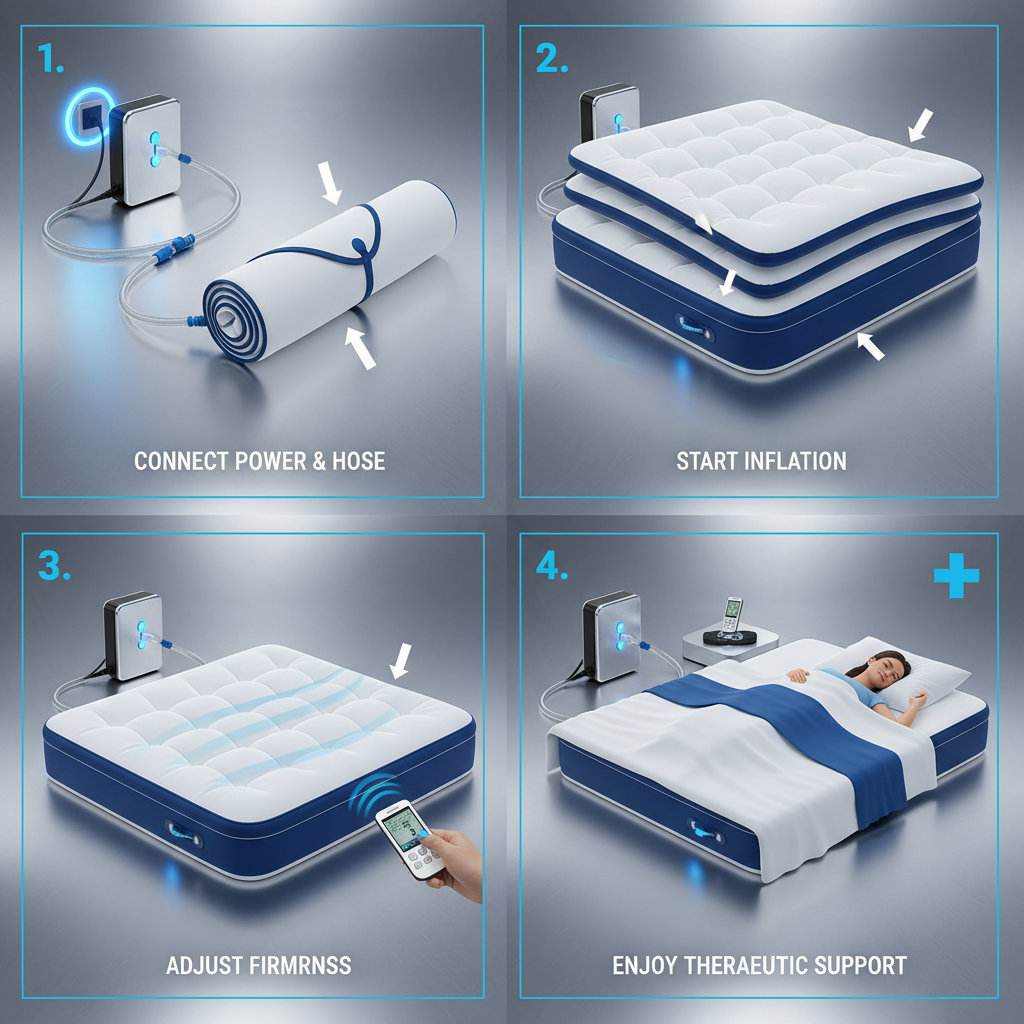
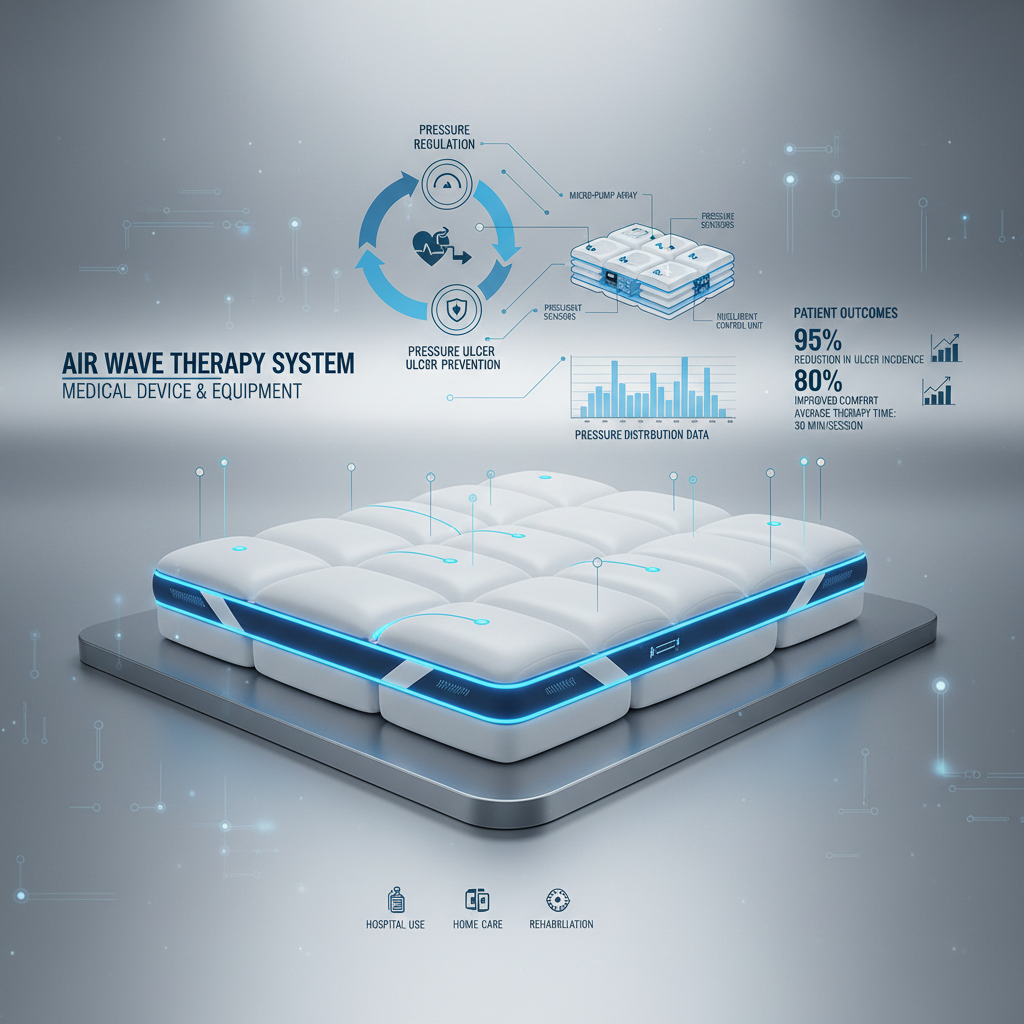
The management of pressure ulcers has become a critical priority in global healthcare, particularly for patients with limited mobility. An inflate bed air mattress serves as a sophisticated therapeutic tool designed to redistribute body weight and minimize localized pressure on bony prominences. By utilizing alternating pressure technology, these systems prevent the tissue ischemia that leads to debilitating bedsores, ensuring patient comfort and accelerating the healing process.
Across the globe, the aging population and the rise in chronic conditions have increased the demand for advanced nursing equipment. The implementation of an inflate bed air mattress is not merely a matter of convenience but a medical necessity in intensive care units and home-care settings. These devices bridge the gap between standard hospital bedding and specialized medical intervention, offering a scalable solution for various levels of patient risk.
Understanding the technical nuances of these systems allows healthcare providers and caregivers to make informed decisions. From the materials used in the air cells to the precision of the pump mechanisms, every detail of a high-quality inflate bed air mattress is engineered to maintain skin integrity. This comprehensive guide explores the industry standards, applications, and future innovations that define modern pressure-relief technology.
Global Relevance of Inflate Bed Air Mattress Systems
The global prevalence of pressure ulcers is a significant burden on healthcare systems, with statistics indicating that millions of patients worldwide suffer from skin breakdown during prolonged hospitalization. According to ISO standards for medical devices, the ability to effectively redistribute pressure is paramount. The inflate bed air mattress addresses this challenge by replacing static support with dynamic airflow, significantly reducing the incidence of Stage III and IV ulcers.
In many developing regions, the lack of specialized nursing staff makes automated pressure relief essential. By integrating an inflate bed air mattress into the care protocol, facilities can ensure a consistent standard of care that does not rely solely on manual repositioning, which is often labor-intensive and prone to human error. This technological shift is transforming patient outcomes in both high-resource and low-resource environments.
Defining the Mechanics of the Inflate Bed Air Mattress
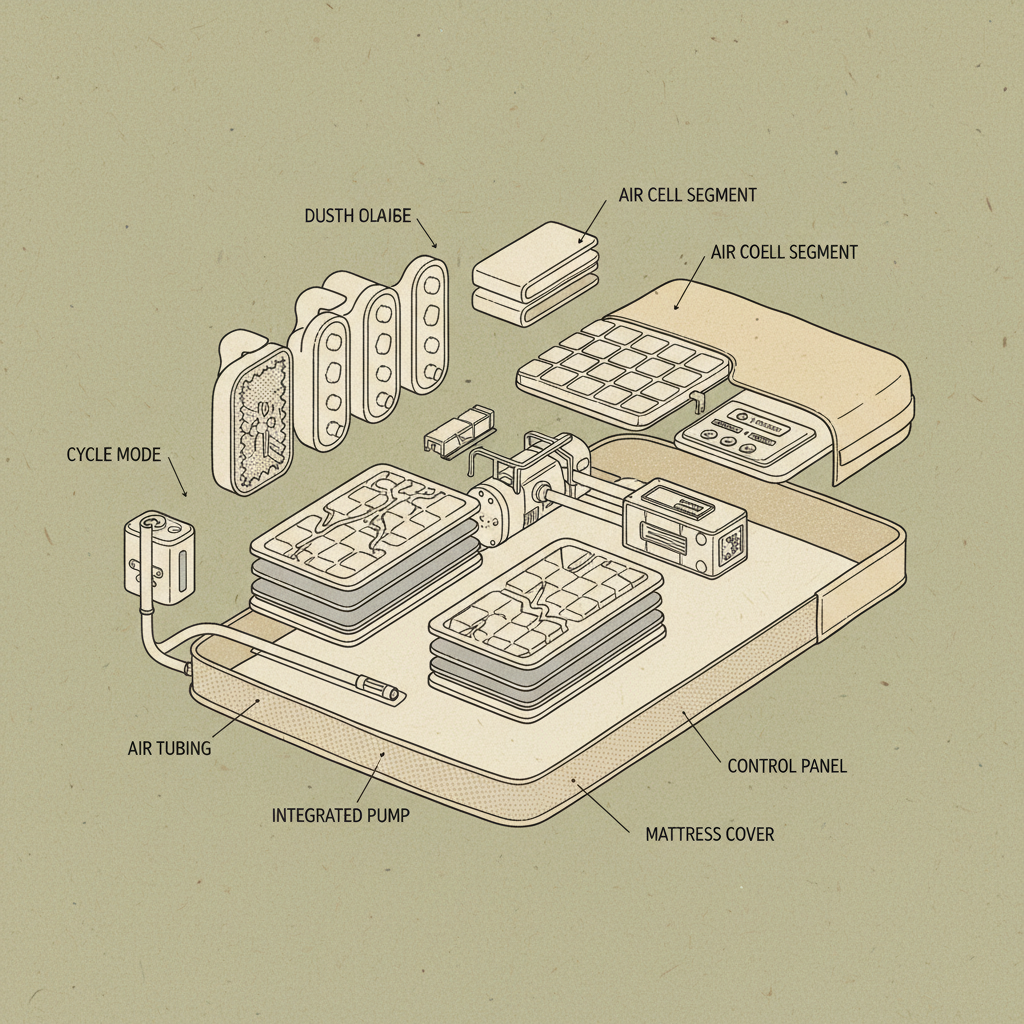
At its core, an inflate bed air mattress is a medical-grade support system consisting of a series of interconnected air cells controlled by an external pump. Unlike standard air beds, these medical devices are engineered to create a "fluid-like" immersion, where the patient's body sinks into the mattress to increase the surface area of contact. This redistribution of weight ensures that no single point of the body bears an excessive load.
The humanitarian need for these devices is most evident in long-term care facilities and post-operative recovery wards. By managing the interface between the skin and the support surface, the inflate bed air mattress prevents the occlusion of capillaries, allowing oxygenated blood to reach the tissues. This basic biological requirement is what makes the air mattress a cornerstone of modern rehabilitative medicine.
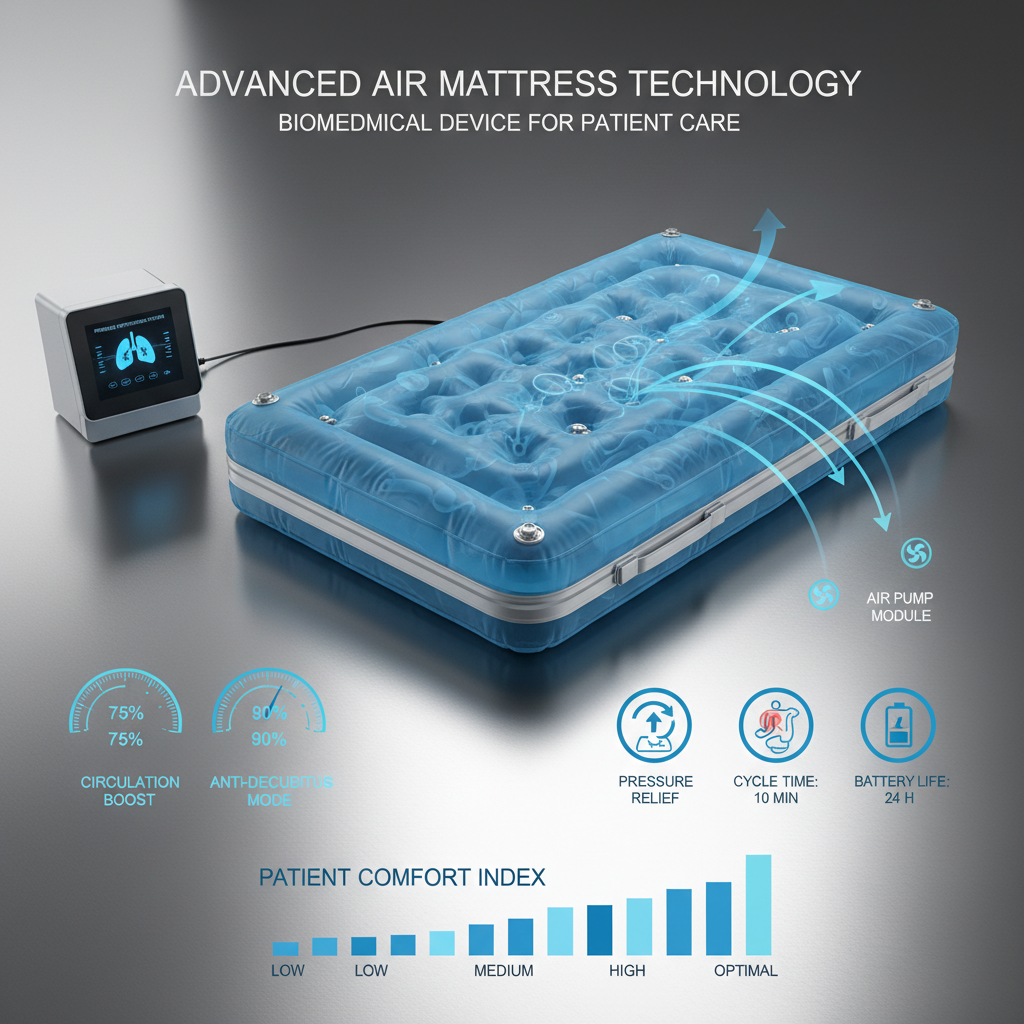
Furthermore, modern iterations of the inflate bed air mattress incorporate "low air loss" technology. This means the mattress doesn't just manage pressure, but also manages the microclimate of the skin by allowing air to permeate through the surface, reducing moisture and heat buildup—two primary catalysts for skin maceration and ulceration.
Core Components for Maximum Pressure Relief
The efficiency of an inflate bed air mattress depends heavily on the quality of its TPU or PVC materials. These materials must be durable enough to withstand constant inflation cycles while remaining hypoallergenic to prevent skin irritation. The seamless welding of the air cells ensures that air is distributed evenly across the entire surface.
A critical component is the intelligent control unit, which regulates the inflation and deflation cycles. In a high-end inflate bed air mattress, the pump uses sensors to detect the patient's weight and adjust the pressure automatically. This ensures that the "immersion" depth is optimal regardless of the patient's body mass index.
Finally, the cover material plays a vital role in the system's overall performance. Most professional-grade inflate bed air mattress units utilize vapor-permeable, waterproof covers. This allows the air from the low-air-loss system to reach the patient while protecting the internal air cells from fluids, ensuring long-term hygiene and durability.
Performance Metrics and Effectiveness Analysis
Evaluating the success of an inflate bed air mattress involves measuring its ability to maintain skin perfusion over 24-hour periods. Clinical data suggests that alternating pressure systems are significantly more effective than static foam mattresses for high-risk patients. The key metric is the "pressure relief coefficient," which determines how effectively the mattress offsets the gravitational force acting on the patient's sacrum and heels.
When comparing different types of inflation methods, it becomes clear that automated, sensor-driven systems provide the most consistent results. By analyzing the redistribution of pressure, we can see a clear correlation between the precision of the pump and the rate of wound healing.
Effectiveness Comparison of Inflate Bed Air Mattress Variants
Global Applications and Clinical Use Cases
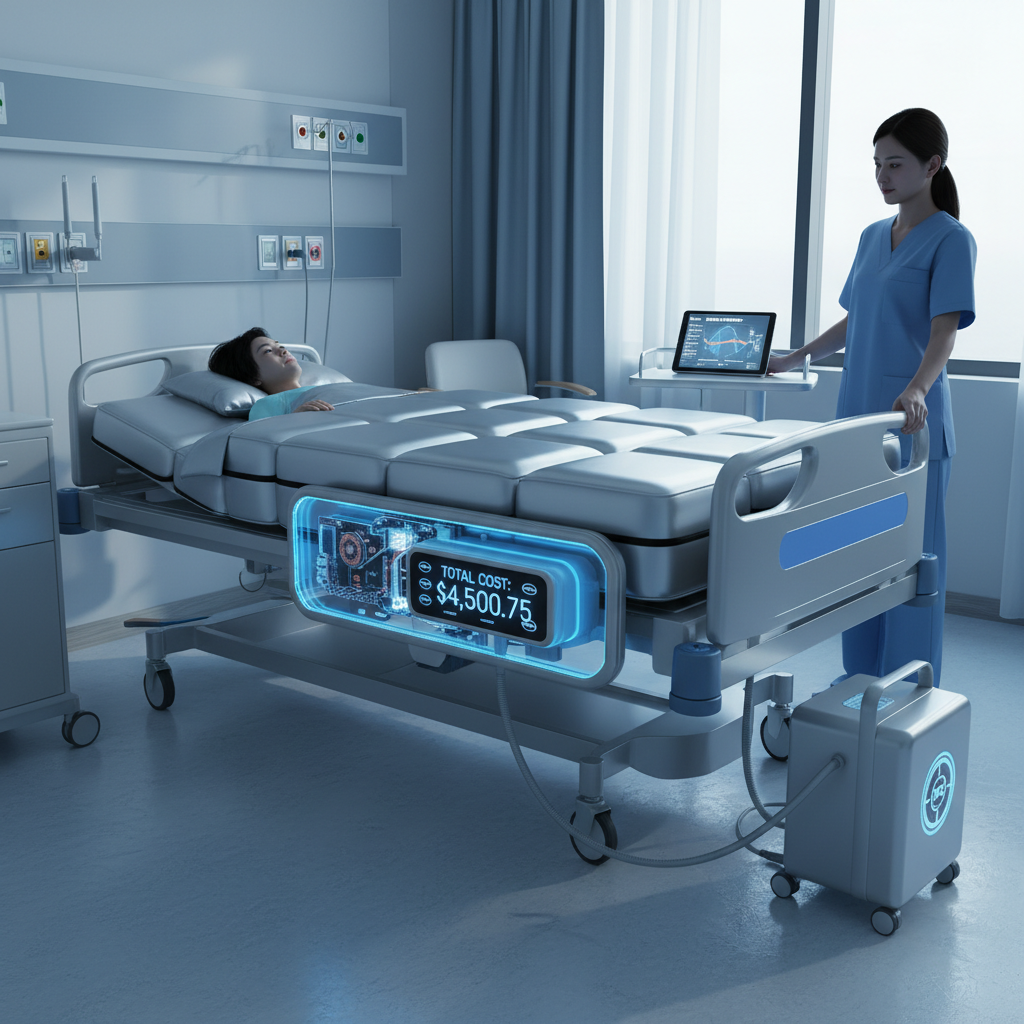
In real-world clinical settings, the inflate bed air mattress is deployed across various environments. In Intensive Care Units (ICUs), where patients are often sedated and immobile, these mattresses are the first line of defense against hospital-acquired pressure injuries. The ability to customize pressure settings allows nurses to tailor the support to the specific needs of a patient, whether they are underweight or obese.
Beyond the hospital, these solutions are invaluable in home-care scenarios. For families managing elderly parents with limited mobility, an inflate bed air mattress provides professional-grade care in a domestic setting, reducing the frequency of expensive hospital readmissions. In disaster relief operations, lightweight, rapidly deployable air mattresses are used in temporary field hospitals to provide essential care to injured persons in remote industrial zones or conflict areas.
Long-Term Value and Patient Dignity
The long-term value of investing in a high-quality inflate bed air mattress extends beyond simple medical metrics. Preventing a single Stage IV pressure ulcer can save healthcare systems tens of thousands of dollars in surgical interventions and prolonged nursing care. From a financial perspective, the cost of the device is a fraction of the cost of treating the complications resulting from poor pressure management.
Moreover, there is a profound emotional component to this technology. Patients who suffer from bedsores often experience a loss of dignity and an increase in psychological distress due to pain and the odor associated with open wounds. By utilizing an inflate bed air mattress, patients maintain a higher quality of life, feeling more secure and comfortable in their environment.
Trust between the caregiver and the patient is also strengthened. When a patient knows they are resting on a surface designed for their safety, anxiety levels drop, which in turn can lead to better sleep and faster cognitive recovery. Innovation in this field is not just about air and plastic; it is about restoring the human right to a painless recovery.
Future Trends in Air Mattress Technology
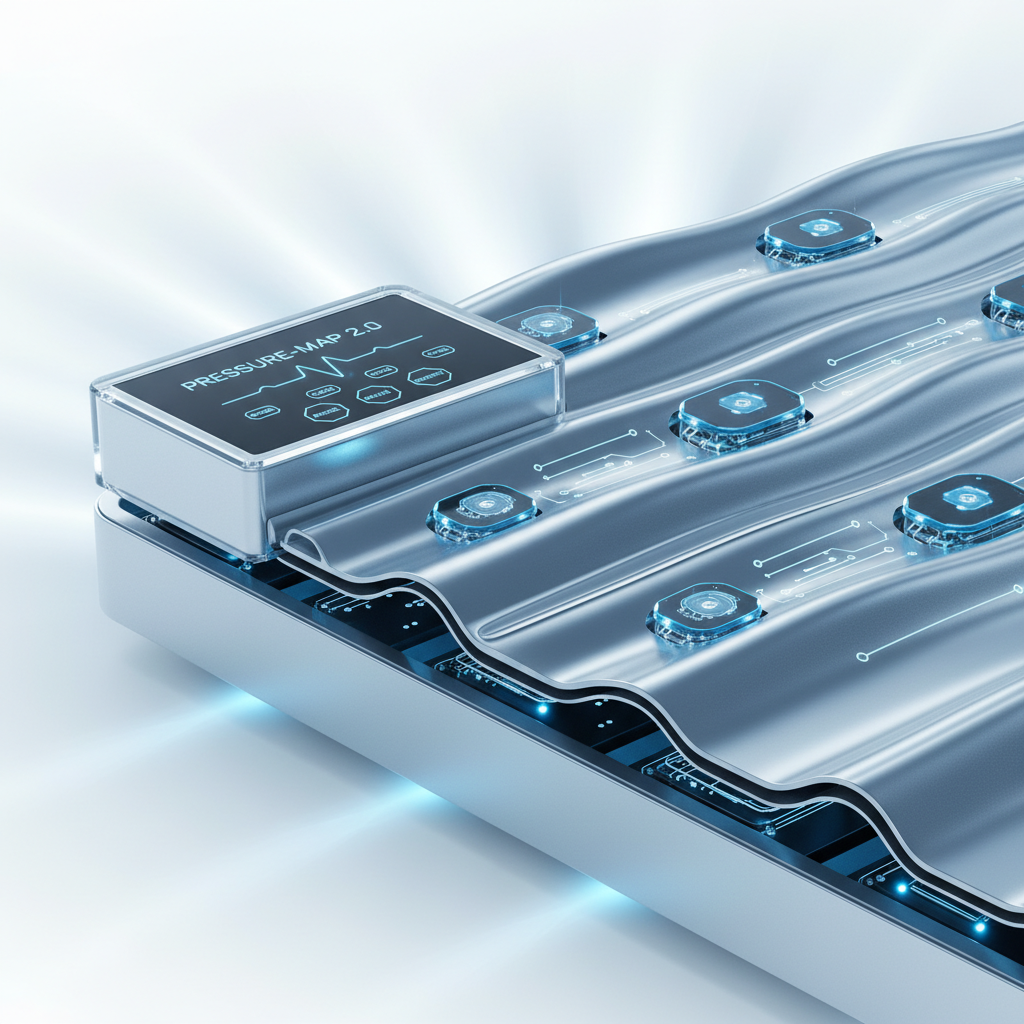
The future of the inflate bed air mattress is leaning heavily toward digitalization and "smart" materials. We are seeing the integration of AI-driven sensors that can predict the onset of a pressure ulcer before it becomes visible to the human eye. These systems will likely connect to hospital-wide monitoring networks, alerting nursing staff in real-time when a patient needs a manual position change.
Sustainability is also becoming a key driver in manufacturing. The industry is shifting toward medical-grade, recyclable polymers to reduce the environmental footprint of disposable mattress covers and replaced air cells. The goal is to create a circular economy where the durability of the inflate bed air mattress is matched by its eco-friendliness.
Additionally, we expect to see the rise of "active" surfaces that can subtly tilt or shift the patient's center of gravity without the need for manual lifting. This automation will further reduce the physical strain on caregivers and minimize the risk of shear injuries during patient movement.
Technical Specification and Comparative Analysis of Air Mattress Systems
| System Type |
Pressure Redistribution |
Microclimate Control |
Maintenance Level |
| Standard Static Air |
Moderate |
Low |
Low |
| Alternating Pressure |
High |
Moderate |
Medium |
| Low Air Loss (LAL) |
Very High |
Very High |
Medium |
| Smart Sensor Bed |
Adaptive |
High |
High |
| Hybrid Foam/Air |
Moderate |
Moderate |
Low |
| Medical Grade TPU |
High |
Moderate |
Low |
FAQS
For maximum safety, the pressure should be checked at least once per shift in a clinical setting or daily in a home-care setting. Most modern systems include a pressure alert alarm, but manual verification ensures that the patient is neither "bottoming out" (touching the bed frame) nor resting on a surface that is too firm, which would defeat the purpose of the mattress.
While an inflate bed air mattress significantly reduces the frequency of required turns, it is not a complete replacement for manual repositioning. Clinical guidelines still recommend manual turns every 2-4 hours to address shear forces and improve patient circulation. The mattress acts as a supplement that makes these intervals safer and more manageable.
Yes, provided you select a heavy-duty model designed for higher weight capacities. High-capacity inflate bed air mattresses feature reinforced seams and more powerful pumps to maintain the necessary air cushion. It is crucial to check the maximum weight rating of the specific model to ensure both patient safety and device longevity.
Alternating pressure refers to the cycling of air cells to change the weight-bearing areas of the body. Low air loss refers to a system that allows small amounts of air to escape through the surface, creating a cooling effect and removing moisture from the skin. Many premium inflate bed air mattress models combine both technologies for comprehensive care.
Most medical-grade covers are waterproof and can be wiped down with a mild detergent or a medical-grade disinfectant. Avoid using harsh chemicals or bleach that could degrade the vapor-permeable membrane. Regular inspection for punctures or tears is also essential to prevent air leaks that could compromise pressure redistribution.
Absolutely. Lightweight, portable versions of the inflate bed air mattress are specifically designed for rapid deployment in field hospitals. They provide a critical layer of care for patients who may be immobilized due to trauma, ensuring that skin integrity is maintained even in unstable environments with limited medical infrastructure.
Conclusion
The integration of the inflate bed air mattress into modern healthcare protocols represents a vital intersection of engineering and empathy. By addressing the fundamental physiological needs of immobilized patients through advanced pressure redistribution, microclimate control, and intelligent automation, these systems drastically reduce the prevalence of pressure ulcers. From the clinical precision of alternating pressure cells to the humanitarian impact of portable care, the air mattress is an indispensable tool in the pursuit of patient recovery.
Looking forward, the shift toward AI-integrated sensing and sustainable materials will further refine the efficacy of these devices. Caregivers and healthcare administrators are encouraged to prioritize high-quality, certified systems to ensure long-term patient safety and operational efficiency. For those seeking industry-leading solutions in pressure relief and patient mobility, we invite you to explore our professional range. Visit our website: www.chuangenmedicals.com