Understanding and Choosing the Right Anti Bedsore Bed
Pressure ulcers, commonly known as bedsores, pose a significant risk for individuals with limited mobility. An anti bedsore bed is a critical tool in prevention and treatment. This article will explore the factors to consider when selecting an anti bedsore bed, the benefits they offer, and how they contribute to improved patient care. We will cover the different types available, essential features, and the importance of regular maintenance. Investing in the right bed can dramatically enhance the quality of life for those at risk of developing pressure injuries.
What is an Anti Bedsore Bed and Why is it Important?
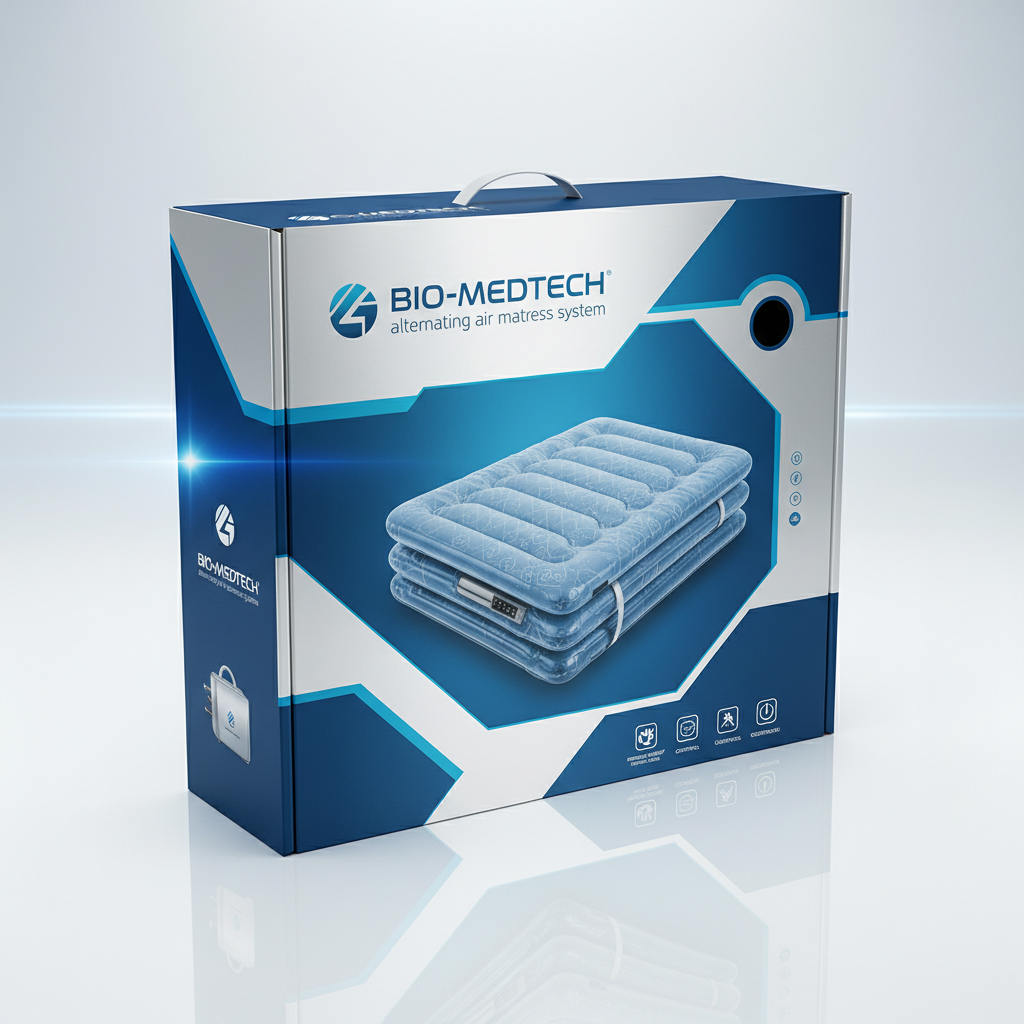
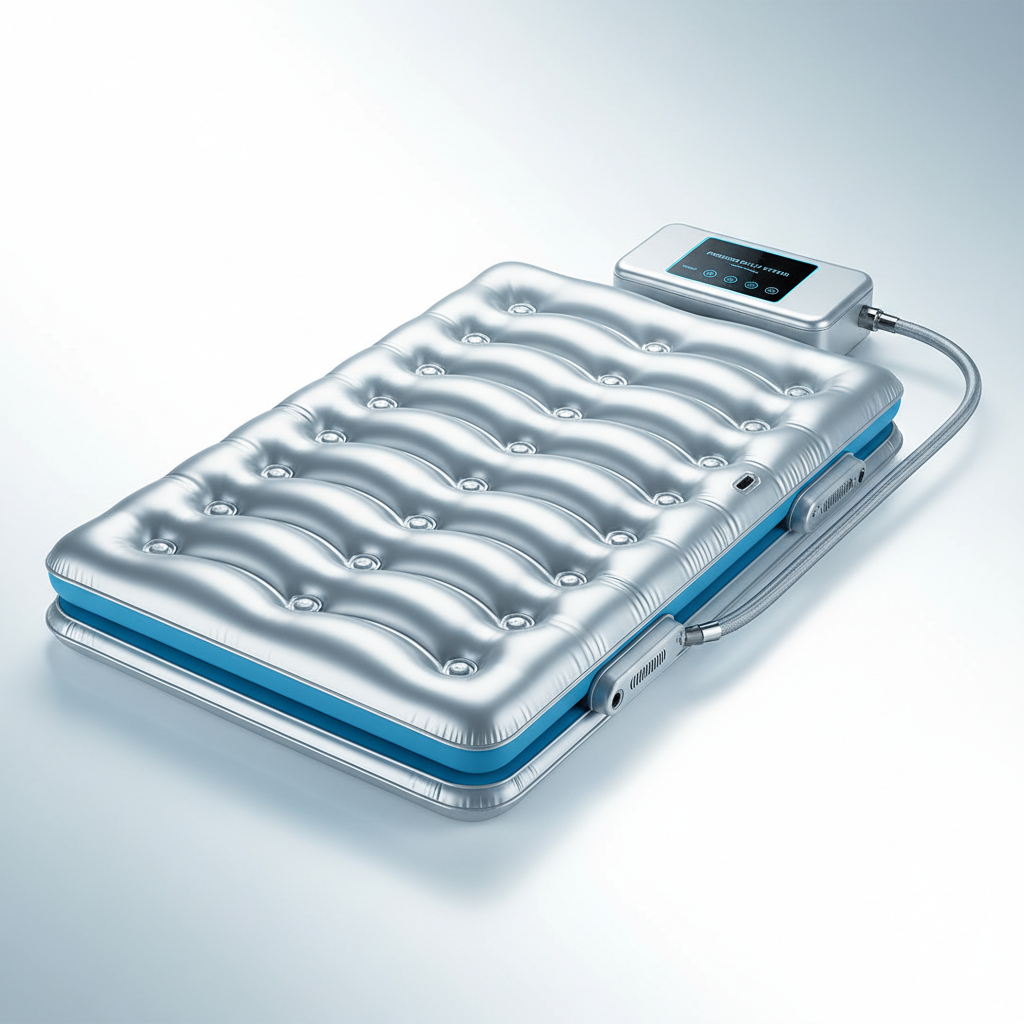
An anti bedsore bed, also known as a pressure relieving bed or low air loss bed, is specifically designed to redistribute pressure away from bony prominences. These are the areas most susceptible to breakdown, such as the heels, sacrum, and hips. These beds utilize various technologies, including alternating pressure, low air loss, and foam mattresses, to minimize sustained pressure and promote circulation. The importance of these beds stems from the debilitating and potentially life-threatening consequences of pressure ulcers. Beyond the pain and discomfort, bedsores can lead to infections, hospitalization, and prolonged recovery times. Choosing the right anti bedsore bed is a proactive step towards patient well-being and reducing healthcare costs.
Key Benefits: Minimizes sustained pressure, promotes circulation, reduces the risk of pressure ulcers, enhances patient comfort, and can aid in the healing of existing wounds.
Types of Anti Bedsore Beds
Several types of anti bedsore beds are available, each with its strengths and weaknesses. The most common include:
- Alternating Pressure Beds: These beds inflate and deflate air cells in a cycle, regularly shifting the patient's weight.
- Low Air Loss Beds: These beds circulate air through a permeable mattress surface, creating a low-pressure environment.
- Foam Mattresses: These utilize specialized foam designed to distribute weight more evenly. They can be static or include alternating pressure capabilities.
- Dynamic Air Fluid Beds: Combine air and fluid to provide a comprehensive approach to pressure redistribution.
The best choice depends on the patient's individual risk factors, medical condition, and budget. A healthcare professional can help determine the most appropriate option.
Key Considerations When Choosing a Bed:
• Patient's weight and body type
• Level of immobility
• Presence of existing pressure ulcers
• Budget
Anti Bedsore Bed Features to Look For
When selecting an anti bedsore bed, consider these essential features:
Proper Maintenance for Longevity
Regular maintenance is vital for ensuring the effectiveness and longevity of your anti bedsore bed. This includes:
- Regular Cleaning: Wipe down the mattress surface with a disinfectant solution.
- Inspection: Check for any signs of damage, such as tears or leaks.
- Filter Replacement: Replace air filters as recommended by the manufacturer.
- Electrical Safety Checks: Ensure all electrical components are in good working order.
Following the manufacturer's guidelines for maintenance will help prevent breakdowns and ensure the bed continues to provide optimal pressure relief.
Conclusion: Investing in Patient Well-being
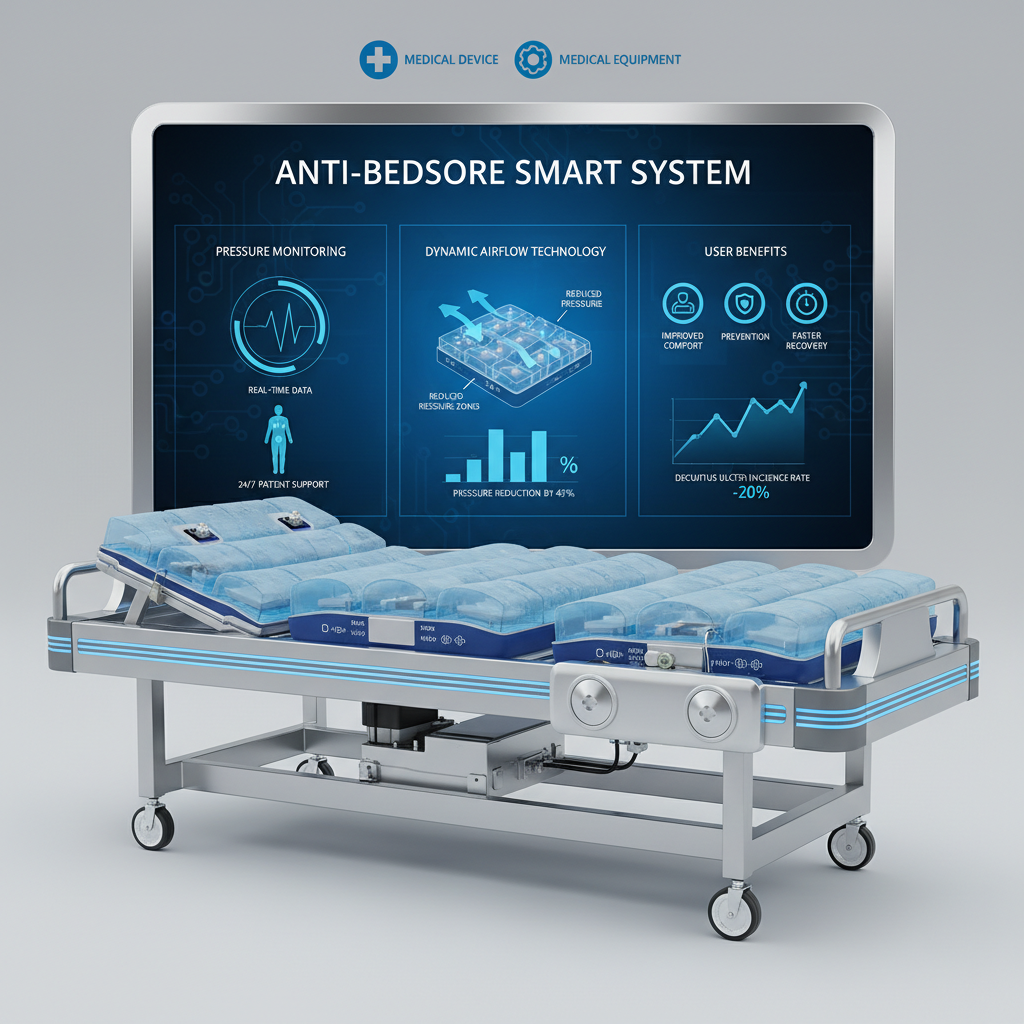
Choosing the right anti bedsore bed is a significant investment in patient care and quality of life. By understanding the different types, key features, and maintenance requirements, you can select a bed that effectively prevents and manages pressure ulcers. Chuangen Medicals provides a range of high-quality anti bedsore beds designed to meet the diverse needs of patients and healthcare providers.
Frequently Asked Questions (FAQs)
What is the difference between an alternating pressure bed and a low air loss bed?
Alternating pressure beds cycle through inflation and deflation of air cells, periodically shifting the patient’s weight. Low air loss beds, on the other hand, continuously circulate air through a permeable mattress surface. This creates a cooler, drier environment and reduces pressure build-up. Low air loss beds are generally preferred for patients with excessive moisture or those at higher risk of skin breakdown. Alternating pressure beds are effective for patients needing general pressure redistribution. The best choice will depend on individual patient needs and a healthcare professional's assessment.
How often should a patient be repositioned on an anti bedsore bed?
Even with an anti bedsore bed, regular repositioning is crucial. Patients should be repositioned at least every two hours, or more frequently if their skin is fragile or they are at high risk. Repositioning helps to relieve pressure on different areas of the body and promotes circulation. Consider using pillows and supports to maintain proper alignment and prevent shearing forces. A consistent repositioning schedule, combined with the use of an appropriate bed, significantly reduces the risk of pressure ulcer development.
Are anti bedsore beds suitable for home use?
Yes, many anti bedsore beds are suitable for home use, particularly for individuals with limited mobility due to chronic conditions or post-surgery recovery. However, it's essential to consult with a healthcare professional to determine the appropriate bed type and ensure proper setup and training. Home healthcare providers can offer guidance on bed operation, maintenance, and patient positioning. It's also important to consider the space available in the home and ensure the bed fits comfortably without creating hazards.
What is the typical lifespan of an anti bedsore mattress?
The typical lifespan of an anti bedsore mattress ranges from 3 to 5 years, depending on usage, maintenance, and the quality of the mattress. Regular inspection for wear and tear, such as tears or leaks, is crucial. Following the manufacturer’s maintenance guidelines, including cleaning and filter replacement, can extend the mattress’s lifespan. It’s essential to replace the mattress if it shows signs of damage or if it’s no longer providing adequate pressure relief.