Choosing the Right Air Mattress for Pressure Sores: A Comprehensive Guide
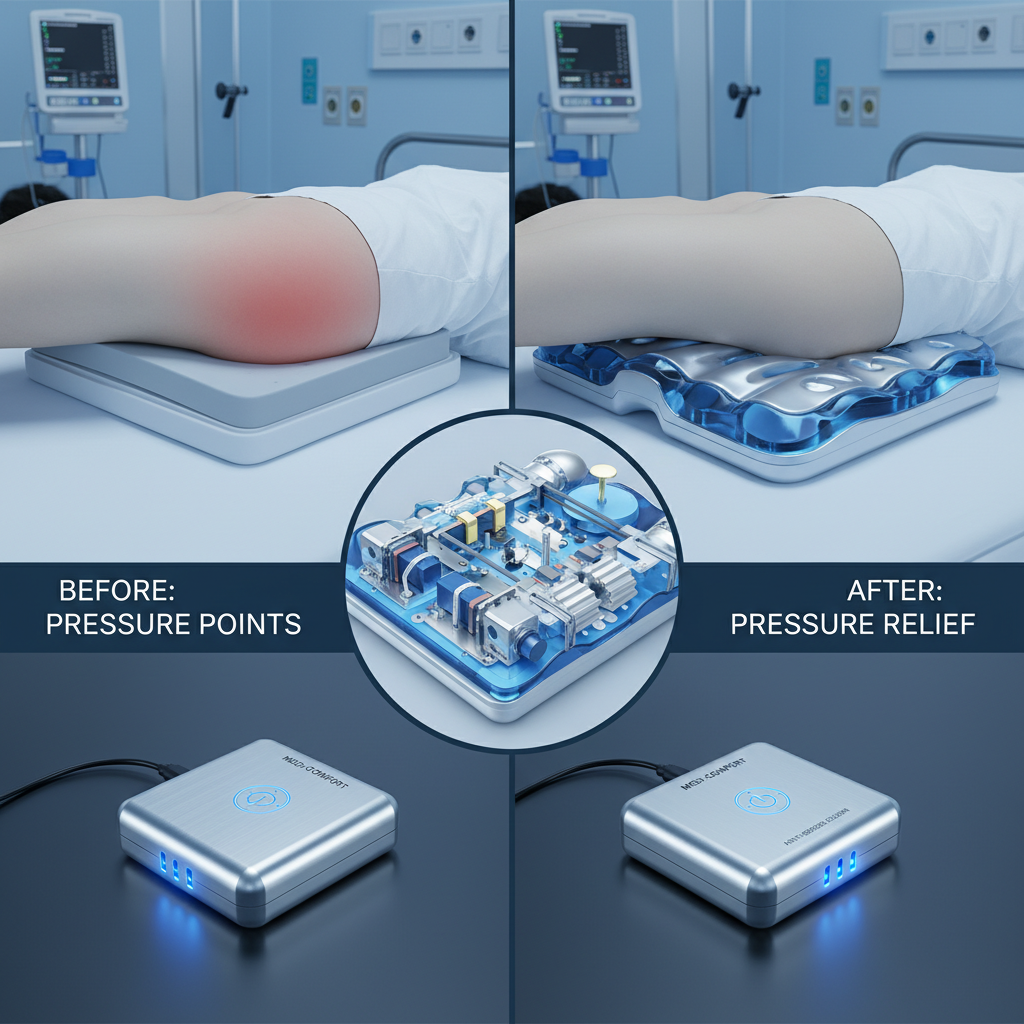
Pressure sores, also known as bedsores, can significantly impact the quality of life for individuals with limited mobility. Selecting the appropriate air mattress for pressure sores is a crucial step in both prevention and treatment. This article will delve into the key features to consider, the different types available, and how to choose a mattress that provides optimal comfort and protection. We'll explore how these mattresses work and why they’re essential for those at risk, offering a detailed overview to help you make an informed decision.
Understanding Pressure Sores and the Role of Air Mattresses
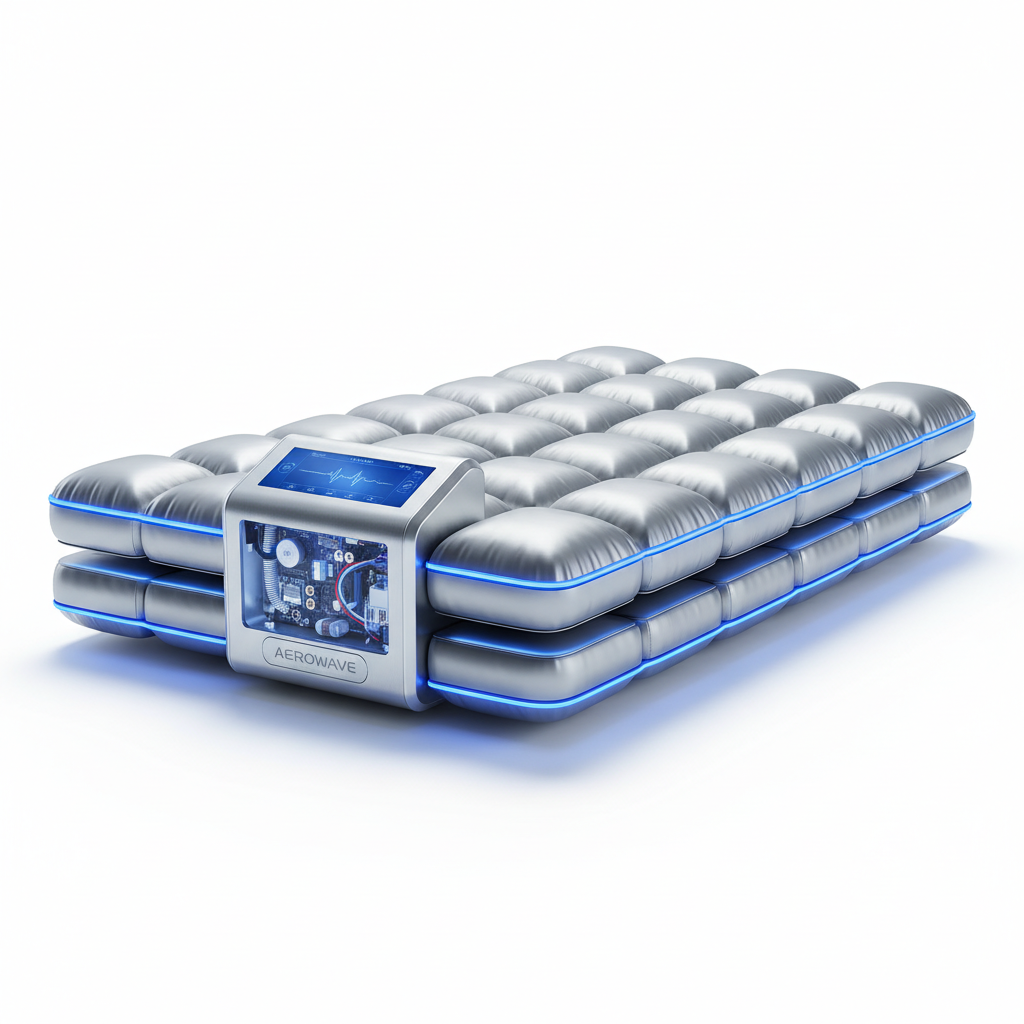
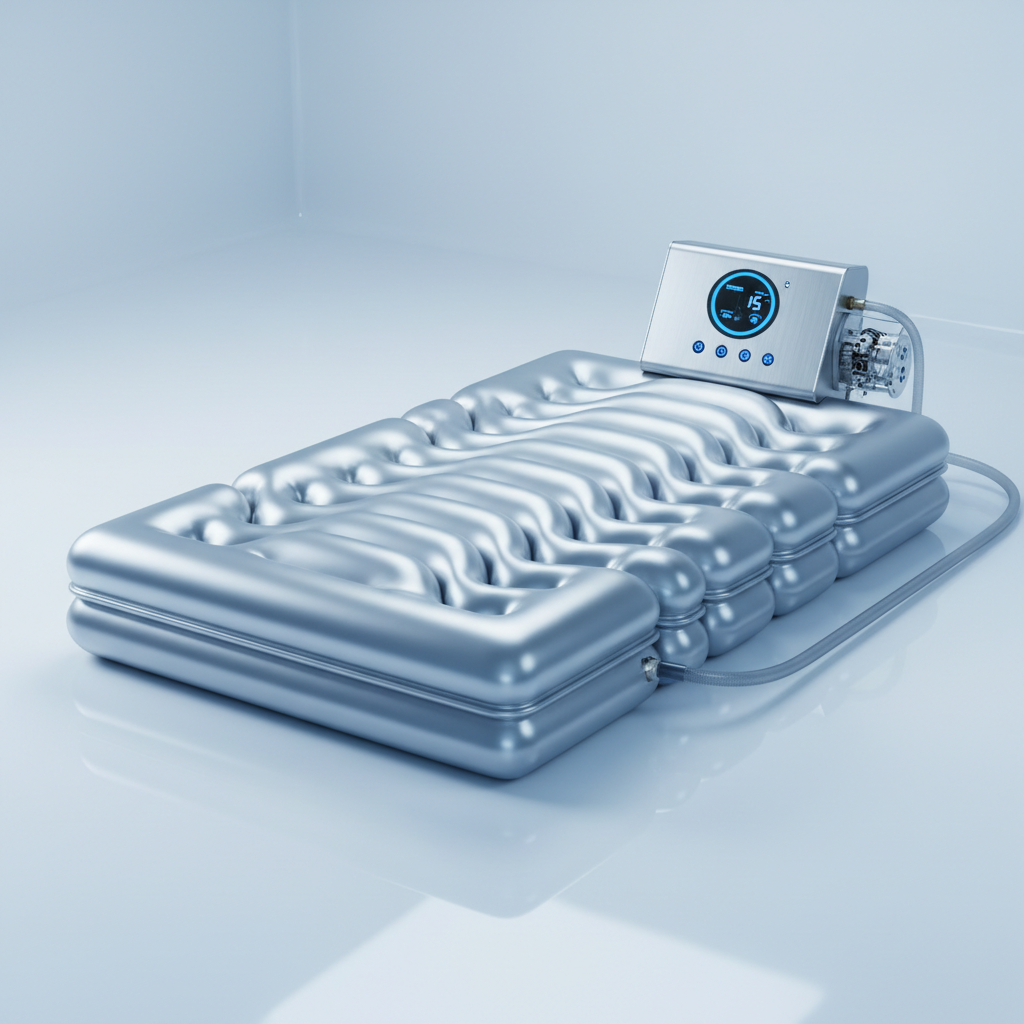
Pressure sores develop when sustained pressure cuts off blood supply to the skin. This is particularly common in individuals who are bedridden or have limited mobility. Air mattresses help mitigate this risk by redistributing pressure, reducing shear forces, and promoting circulation. Unlike traditional mattresses, air mattresses feature adjustable air cells that conform to the body's contours, minimizing pressure points. They're often categorized by their inflation method and the level of pressure redistribution they offer, ranging from basic alternating pressure mattresses to more advanced dynamic air mattresses.
Key Benefit: Air mattresses actively reduce pressure, promoting healthy blood flow and decreasing the likelihood of pressure sore development or exacerbation.
Types of Air Mattresses for Pressure Sores
Several types of air mattresses are designed to address pressure sore risk. Here's a breakdown of the most common options:
- Alternating Pressure Mattresses: These mattresses inflate and deflate air cells in a cyclical pattern, shifting pressure points regularly. They're a good option for moderate-risk individuals.
- Low Air Loss Mattresses: These mattresses feature small perforations that allow a constant, gentle airflow, keeping the skin dry and cool while minimizing pressure. Ideal for individuals with existing pressure sores or those at high risk.
- Dynamic Air Mattresses: These advanced mattresses combine alternating pressure with dynamic movement, providing even greater pressure redistribution and microclimate control.
Key Features to Consider When Choosing an Air Mattress for Pressure Sores
Selecting the right air mattress involves considering several crucial features. These include the mattress's weight capacity, the type of pump used (and its noise level), the breathability of the material, and the ease of cleaning. Look for mattresses with adjustable firmness settings to cater to individual needs. Also, consider whether the mattress is compatible with other medical equipment, such as overhead trapezes.
Choosing the Right Mattress Based on Risk Level
The appropriate type of air mattress for pressure sores depends on the individual's risk level. A low-risk patient (minimal mobility restrictions) may benefit from a simple alternating pressure mattress. A moderate-risk patient (limited mobility, some sensory impairment) may require a low air loss mattress. High-risk patients (completely immobile, significant sensory loss, history of pressure sores) will likely need a dynamic air mattress for the highest level of protection. Consulting with a healthcare professional is essential to determine the most suitable option.

Maintenance and Care for Your Air Mattress
Proper maintenance is vital for extending the lifespan and effectiveness of your air mattress. Regularly inspect the mattress for punctures or tears. Clean the mattress surface according to the manufacturer's instructions, using a mild detergent and avoiding harsh chemicals. Ensure the pump is functioning correctly and that air cells are inflating and deflating as intended. Following these simple steps will help maintain a hygienic and effective pressure redistribution surface.
Conclusion: Investing in Comfort and Health
Choosing the right air mattress for pressure sores is a significant investment in health and well-being. By understanding the different types available, considering individual risk factors, and practicing proper maintenance, you can ensure optimal comfort, prevent pressure sores, and improve the quality of life for those at risk. Don't hesitate to consult with healthcare professionals to determine the best solution for your specific needs.
Frequently Asked Questions (FAQs)
How often should I replace an air mattress for pressure sores?
The recommended replacement schedule varies depending on the mattress type and usage. Generally, air mattresses should be replaced every 2-5 years. However, it's crucial to inspect the mattress regularly for signs of wear and tear, such as cracks, leaks, or compromised air cells. If any damage is detected, the mattress should be replaced immediately. Following the manufacturer's guidelines is also important. Consider the patient’s weight and overall health as factors contributing to the lifespan.
Are air mattresses noisy?
The noise level of air mattresses can vary. Older models with less advanced pumps tend to be louder. However, many modern air mattresses are designed with quiet pumps to minimize disruption. Look for mattresses specifically labeled as "quiet operation." Some also feature vibration dampening technology to further reduce noise. When choosing a mattress, consider the sensitivity of the patient and the surrounding environment.
Can I use a standard mattress protector with an air mattress?
While you can technically use a standard mattress protector, it's essential to choose one that is breathable and waterproof. Avoid thick or heavily padded protectors, as they can interfere with the mattress’s pressure redistribution capabilities. Specifically designed air mattress protectors are available that offer optimal breathability and protection without compromising performance. These protectors are often made from materials that won’t trap heat or moisture.