Look, I’ve spent the last fifteen years crawling around construction sites, wrestling with blueprints, and arguing with engineers. And let me tell you, when someone’s laid up, dealing with pressure sores, it throws everything off schedule. That’s where a good air mattress for patients with bedsores comes in. It's not just about comfort, it's about keeping projects moving and, frankly, doing right by the people building them. We see injuries happen, and preventing bedsores is a huge part of that.
It's easy to think of these mattresses as just a hospital thing. But we’re talking about guys and gals who are physically demanding jobs all day. Extended periods of immobility after an accident or surgery, even for a few days, can quickly lead to problems. A quality air mattress isn’t a luxury; it’s a critical piece of recovery, helping them get back on their feet – and back on the job – faster. We're pushing for more preventative use on larger sites now, just as a standard safety procedure.
And I’m not talking about the cheap stuff you find online. We’re talking durable, reliable equipment that can withstand the rough-and-tumble environment of a field hospital or even a basic onsite first aid station. It's about minimizing downtime, maximizing recovery, and making sure everyone goes home safe at the end of the day.
The Core Principles of air mattress for patients with bedsores
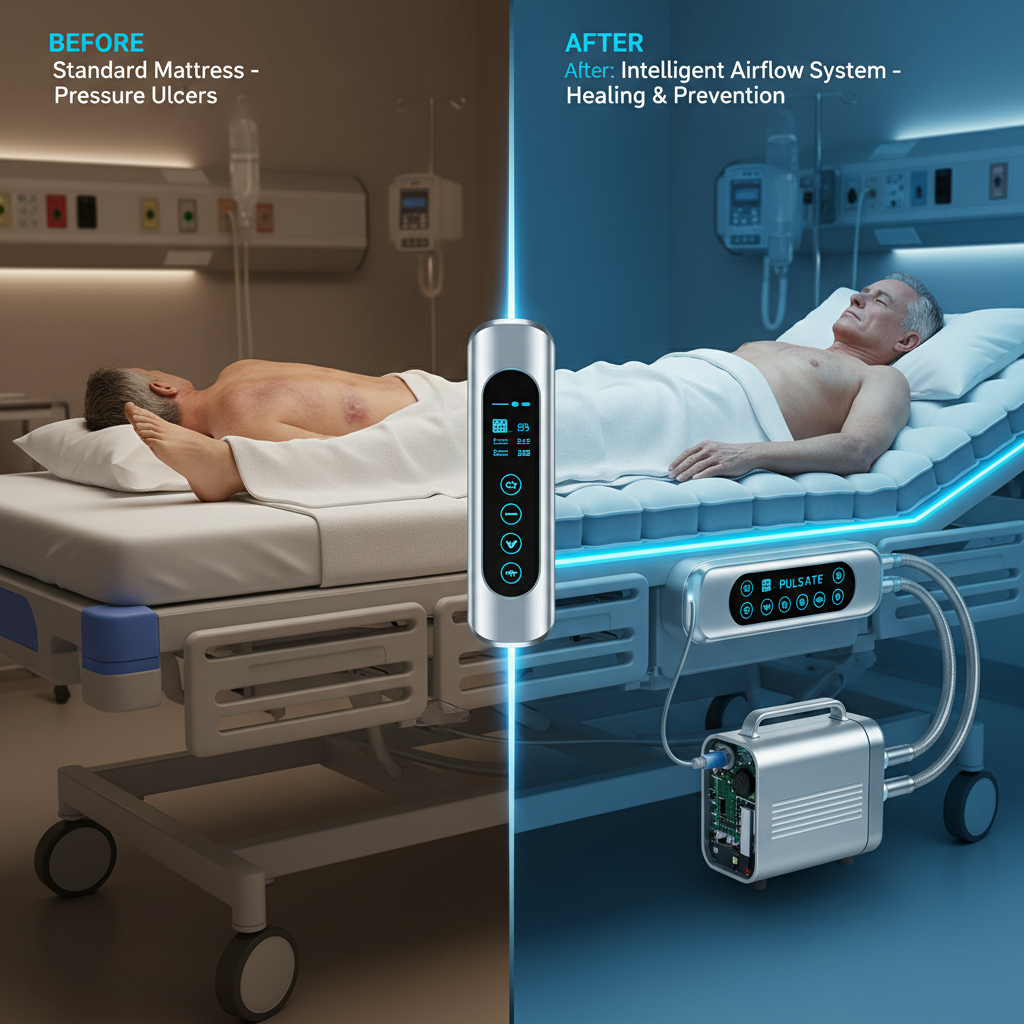
The fundamental principle behind any good air mattress for patients with bedsores is pressure redistribution. I've seen guys with Stage 1 sores turn into Stage 3 nightmares in a matter of days. These mattresses, when they’re designed right, constantly adjust to the patient's weight and movement, preventing constant pressure on any one area. It's simple physics, really.
Beyond that, it's about materials and build quality. You need something that's durable enough to handle regular use, cleaning, and even the occasional mishap on a busy worksite. Forget flimsy vinyl; you’re looking for robust, puncture-resistant materials and reliable air pumps. That’s the difference between a tool that saves lives and a waste of money.
The Global Need for air mattress for patients with bedsores
Honestly, the need is huge. Globally, millions suffer from pressure injuries every year. According to the World Health Organization, prolonged immobility is a major risk factor, especially in hospital settings. But it's not just hospitals. Think about long-haul transport, disaster relief situations, or even patients recovering at home. The numbers are staggering, and the impact on quality of life is significant.
We've been working with a disaster relief organization that's been deploying these mattresses in earthquake zones. They told me stories about patients stuck under rubble for days, and how these mattresses literally saved them from developing life-threatening sores. That really drives home the point - it’s about more than just comfort.
And it's a cost issue, too. Treating pressure sores is incredibly expensive, consuming valuable healthcare resources. Preventing them in the first place – with a good air mattress for patients with bedsores – is a far more economical approach.
Defining air mattress for patients with bedsores
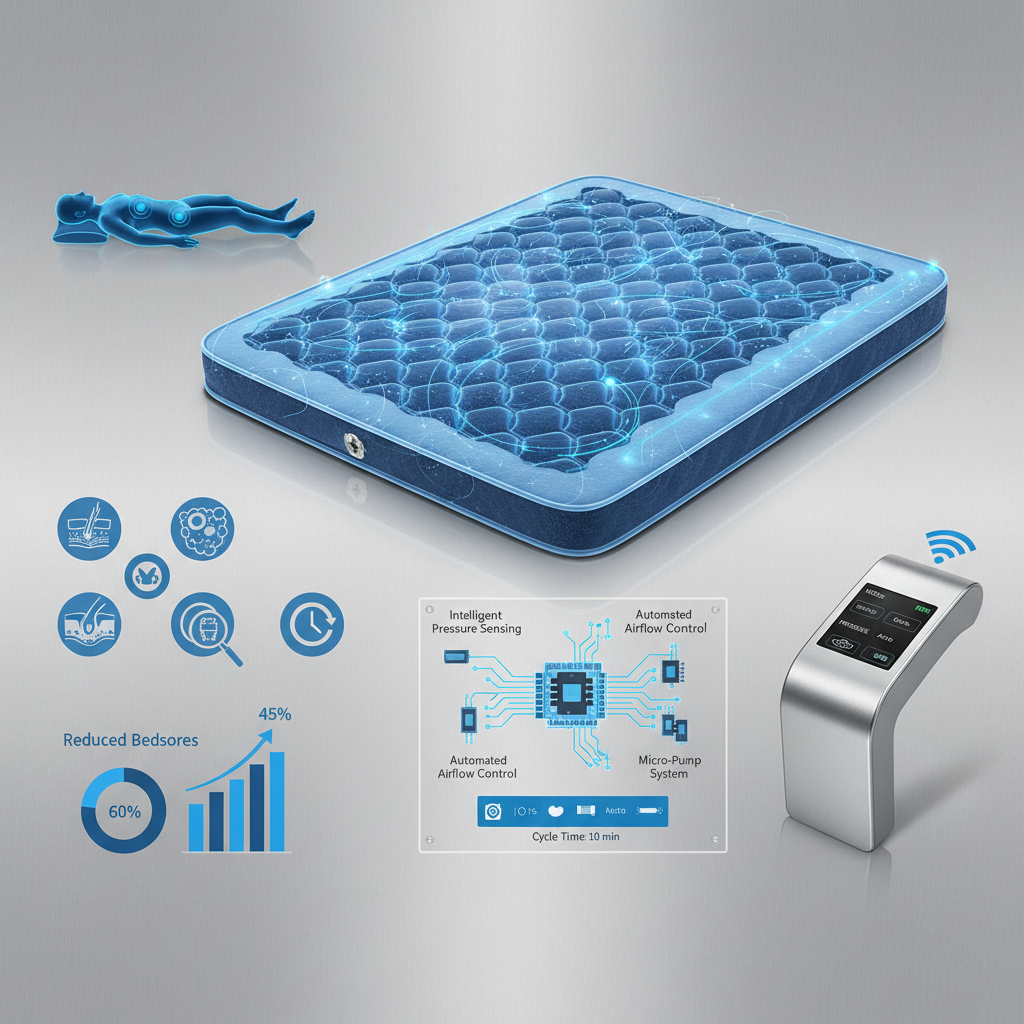
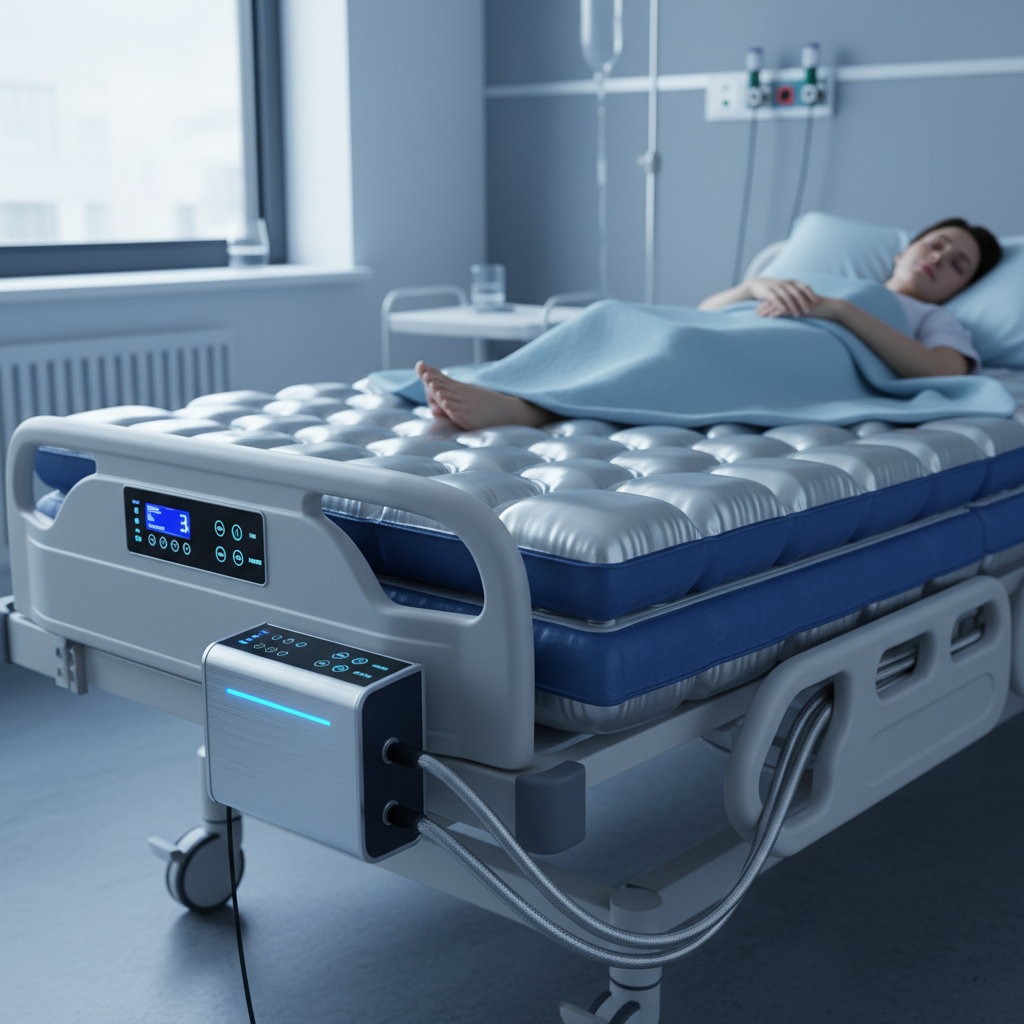
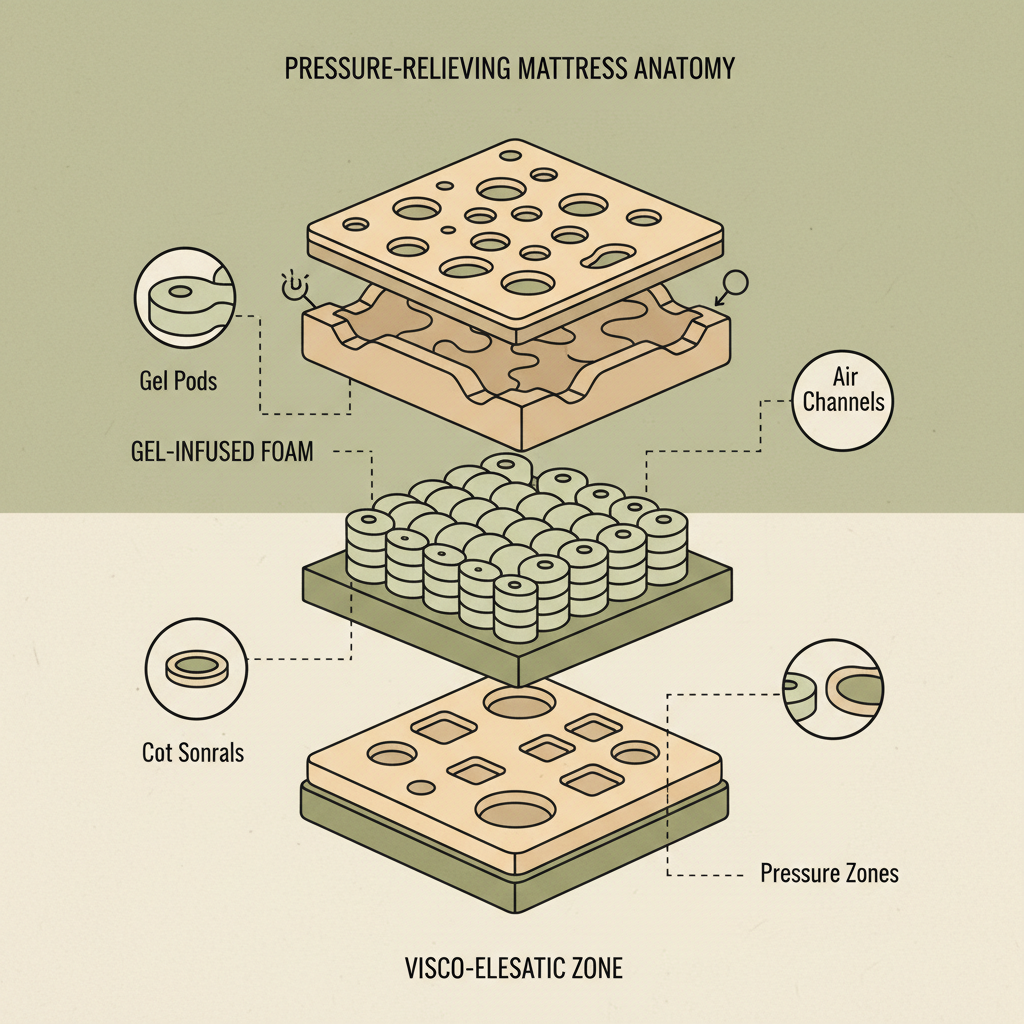
Simply put, an air mattress for patients with bedsores is a specialized bed surface designed to prevent and treat pressure injuries. Unlike a standard mattress, it utilizes air-filled cells that can be independently inflated and deflated to redistribute pressure away from bony prominences – areas like the heels, sacrum, and hips that are most vulnerable to breakdown.
It’s more than just blowing air into something. Modern systems often feature alternating pressure cycles, low air loss capabilities, and even microclimate control to help keep the skin dry and cool – factors that are crucial in preventing sores. We’ve seen designs that integrate sensors to monitor pressure levels in real-time, providing valuable data for caregivers.
This isn’t a new concept, but the technology has come a long way. It’s a vital tool in modern healthcare, particularly for patients who are unable to change position independently. It bridges the gap between essential care and ensuring a patient’s dignity and wellbeing during recovery.
Key Factors in air mattress for patients with bedsores Design
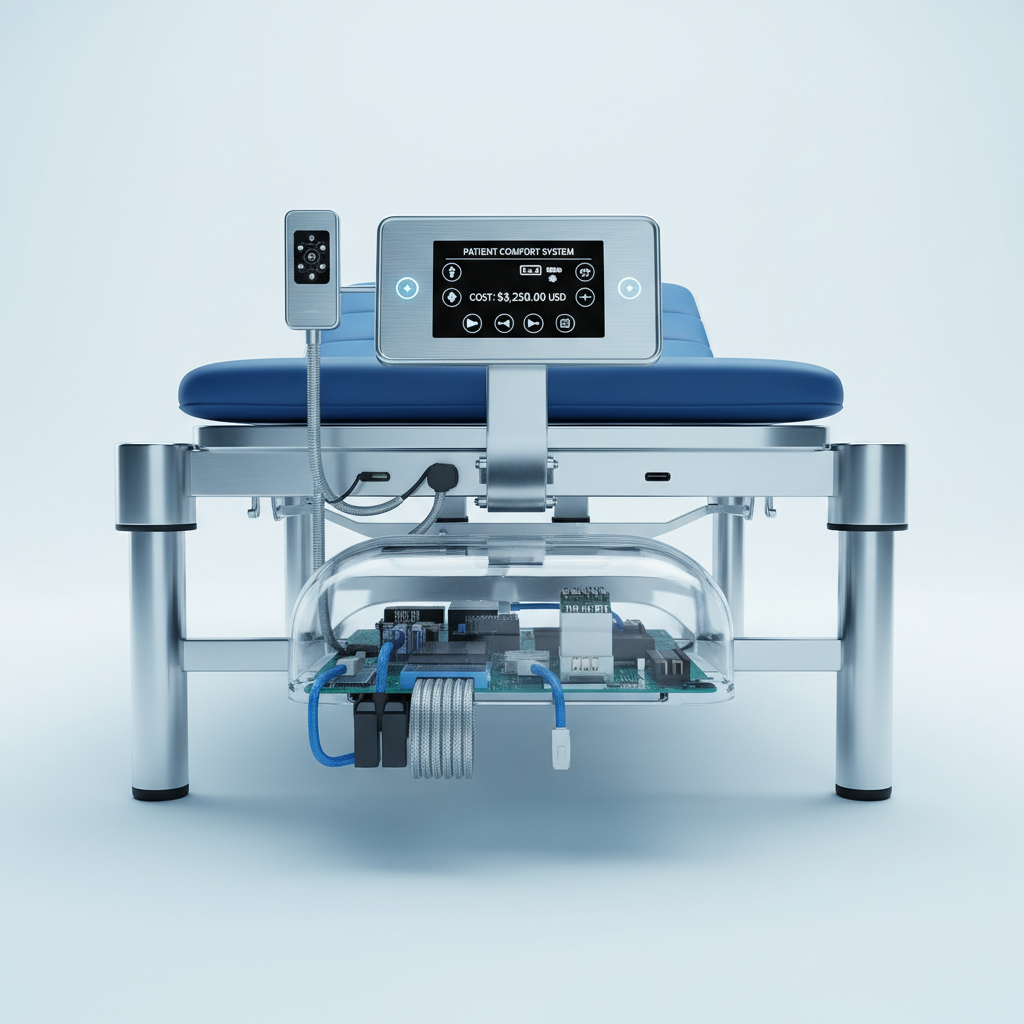
There are a few things I look for straight away when I’m evaluating these mattresses. First, the air cell design. Smaller cells generally provide more precise pressure redistribution. Then there’s the pump. It needs to be reliable, quiet, and have a backup power source – you don't want a mattress deflating in the middle of the night.
Material is huge. We need something that’s easy to clean and disinfect, resistant to tears and punctures, and won’t harbor bacteria. And finally, weight capacity. You need a mattress that can accommodate patients of all sizes.
Pressure Redistribution Effectiveness of air mattress for patients with bedsores Systems
Real-World Applications of air mattress for patients with bedsores
We see these mattresses used in hospitals, long-term care facilities, and even home healthcare settings. But their applications extend beyond traditional medical environments. I've seen them used in disaster relief operations, where patients may be lying on makeshift beds for extended periods.
They are also used in the transport of critically ill patients, particularly during long journeys. And increasingly, we’re seeing them used proactively, as part of a preventative care plan for patients at high risk of developing pressure sores.
The Long-Term Value of Investing in air mattress for patients with bedsores
Look, these aren't cheap. A good air mattress for patients with bedsores is an investment. But when you factor in the cost of treating pressure sores – the wound care, the antibiotics, the potential surgeries – it pays for itself many times over. Plus, you’re improving the patient’s quality of life, reducing their pain and suffering, and speeding up their recovery.
There’s also a huge ethical component. We have a responsibility to provide the best possible care for those in our charge. And preventing pressure sores is a fundamental part of that. It’s about dignity, respect, and ensuring that people can heal with the least amount of suffering possible.
And from a purely practical standpoint, preventing bedsores reduces hospital readmissions and lengths of stay, freeing up resources for other patients. It’s a win-win for everyone involved.
Future Trends in air mattress for patients with bedsores Technology
We’re starting to see a lot of exciting developments in this field. Smart mattresses with integrated sensors that monitor pressure, temperature, and moisture are becoming more common. These systems can provide real-time data to caregivers, allowing them to make adjustments as needed.
There’s also a growing focus on incorporating antimicrobial materials into mattress covers to help prevent infections. And we're exploring the use of new materials that are lighter, more durable, and more breathable.
I think we’ll also see more personalized solutions, with mattresses that can be customized to meet the specific needs of individual patients. The goal is to create a system that proactively prevents pressure sores, rather than just reacting to them.
Summary of Key Considerations for air mattress for patients with bedsores Implementation
| Patient Risk Level |
Mattress Type |
Maintenance Frequency |
Training Requirements for Staff |
| Low |
Static Air |
Weekly Inspection |
Basic Operation |
| Moderate |
Alternating Pressure |
Daily Inspection |
Cycle Settings & Monitoring |
| High |
Low Air Loss |
Bi-Daily Filter Checks |
Advanced System Management |
| Very High |
Microclimate Control |
Daily System Calibration |
Comprehensive Troubleshooting |
| Post-Operative |
Dynamic Air |
Continuous Monitoring |
Pressure Mapping Interpretation |
| Chronic Conditions |
Hybrid Systems |
Preventative Maintenance Schedule |
Patient-Specific Configuration |
FAQS
A standard hospital mattress offers basic support, while an air mattress for bedsores features individually inflatable cells that dynamically redistribute pressure, minimizing concentrated force on vulnerable areas. This dynamic adjustment is key to preventing tissue damage. They also often include features like low air loss or alternating pressure, which further aid in circulation and skin health.
Air pressure should be checked at least daily, and ideally more frequently for patients at higher risk. Most modern mattresses have pressure indicators, but regular manual checks are still important. Adjustments should be made based on the patient’s weight, position, and skin condition, following the manufacturer’s guidelines. Consistent monitoring is crucial for optimal pressure redistribution.
Regular cleaning is essential. The mattress cover should be cleaned according to the manufacturer’s instructions, typically with mild detergent and disinfectant. Inspect for tears or damage regularly. The pump and tubing should also be cleaned to prevent bacterial growth. Following proper hygiene protocols minimizes the risk of infection.
Yes, each mattress model has a specified weight limit. Exceeding this limit can compromise the mattress’s ability to provide adequate pressure redistribution. It’s crucial to select a mattress with a weight capacity that is appropriate for the patient’s size and weight. Always refer to the manufacturer’s specifications before use.
In some cases, yes, but it depends on the specific devices and the patient’s needs. Combining an air mattress with foam overlays or cushions can provide additional pressure relief. However, it’s crucial to consult with a healthcare professional to ensure the devices are compatible and used correctly to maximize benefit and avoid unintended consequences.
Signs include inconsistent air pressure, unusual noises from the pump, visible tears or punctures in the mattress, and a lack of responsiveness to adjustments. If any of these issues are detected, the mattress should be inspected and repaired or replaced immediately to maintain optimal pressure redistribution.
Conclusion
At the end of the day, a good air mattress for patients with bedsores isn’t just about preventing a medical problem, it’s about providing comfort, dignity, and a better quality of life. It’s about minimizing suffering and getting people back on their feet. It's an essential tool for any healthcare facility or worksite that prioritizes the wellbeing of its patients and workers.
Investing in high-quality, well-maintained air mattresses is a smart decision that can save lives, reduce costs, and improve overall patient care. As technology continues to advance, we can expect to see even more innovative solutions that will further enhance our ability to prevent and treat pressure injuries. Visit our website at www.chuangenmedicals.com to learn more about our range of mattresses and how we can help you protect your patients.