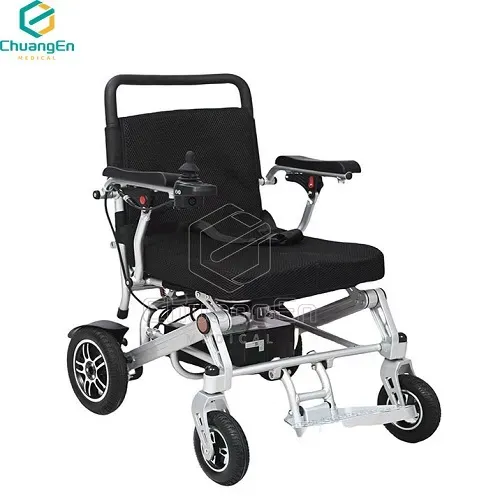
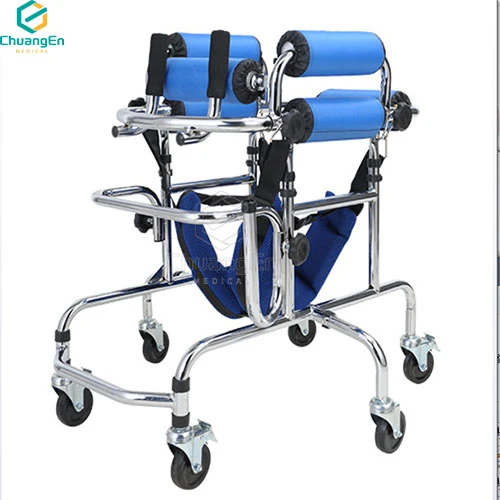
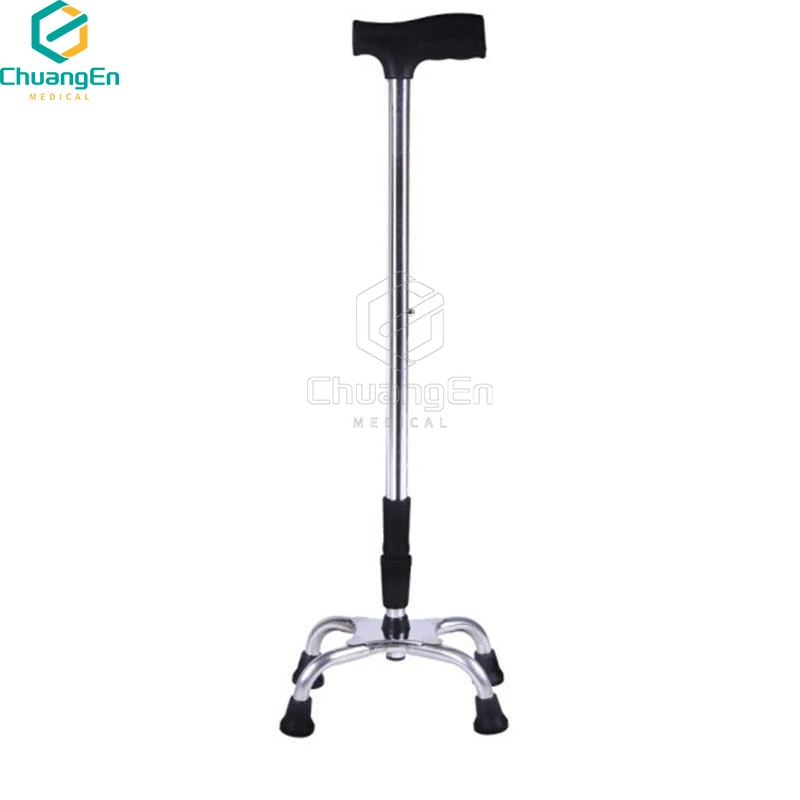
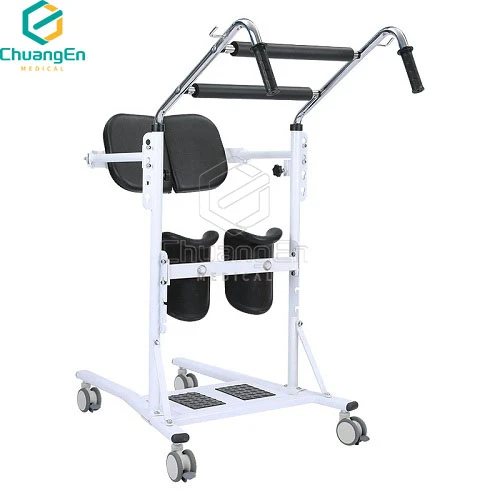
Lightweight electric wheelchairs have become an essential mobility solution in modern healthcare and rehabilitation. As populations age and medical technology advances, the application of electric wheelchairs is no longer limited to hospitals—it now extends to homes, public spaces, workplaces, and even travel environments. Their growing role reflects a broader shift toward user-centered mobility design, where independence, comfort, and accessibility are prioritized.
1. Medical Rehabilitation Applications of Electric Wheelchairs
One of the primary applications of electric wheelchairs is in medical rehabilitation. Patients recovering from surgery, fractures, stroke, or neuromuscular conditions often experience temporary or long-term mobility limitations. In these cases, electric wheelchairs provide a reliable support system that reduces physical strain while promoting safe movement.
Unlike manual wheelchairs, electric models require minimal upper body strength, making them suitable for patients with weakened arms or limited endurance. This allows users to focus on recovery without overexerting themselves. In rehabilitation centers and hospitals, electric wheelchairs are commonly used to assist patients in transitioning from bed to mobility, helping improve circulation, mental well-being, and overall recovery speed.
2. Elderly Care and Aging Population Support of Electric Powered Wheelchair
With the global aging population increasing rapidly, electric wheelchairs have become a key tool in elderly care. Many seniors face reduced mobility due to arthritis, muscle degeneration, or balance issues. Electric wheelchairs offer a safe and independent way for elderly individuals to move around without constant caregiver assistance.
In home care environments, they help seniors maintain daily routines such as going to the kitchen, visiting neighbors, or attending outdoor activities. This independence significantly improves emotional health and reduces feelings of isolation. In assisted living facilities, electric wheelchairs also reduce the workload of caregivers while enhancing resident mobility and dignity.
3. Daily Urban Mobility and Independent Living of Electric Powered Wheelchair
Electric wheelchairs are increasingly used in urban environments for daily transportation. Modern designs are compact, maneuverable, and capable of handling indoor and outdoor surfaces such as sidewalks, ramps, and shopping malls.
Users can perform everyday activities such as grocery shopping, commuting short distances, or visiting public offices without relying on others. Many models now include features such as adjustable speed control, anti-tip systems, and extended battery life, making them suitable for long-term independent living.
For individuals who value autonomy, electric wheelchairs represent more than just medical equipment—they are a gateway to self-sufficiency and social participation.
4. Travel and Outdoor Activity Applications of Electric Powered Wheelchair
Travel accessibility has improved significantly with the development of lightweight and foldable electric wheelchairs. These models are designed for portability, allowing users to transport them in cars, trains, and even airplanes.
Outdoor applications include parks, tourism sites, campuses, and recreational areas. Advanced models are equipped with shock absorption systems and durable tires, enabling smooth navigation across uneven terrain. This allows users to enjoy outdoor experiences without physical limitations.
As global tourism becomes more inclusive, electric wheelchairs play a key role in ensuring that mobility-impaired individuals can participate in travel and leisure activities on equal terms.
5. Workplace and Educational Use of Electric Powered Wheelchair
Electric wheelchairs also support inclusion in professional and educational environments. In workplaces, they enable individuals with mobility impairments to move freely between departments, attend meetings, and participate in daily operations.
In educational institutions, students using electric wheelchairs can navigate campuses independently, attend classes, and access libraries and laboratories. This promotes equal opportunities and supports inclusive education policies worldwide.
By reducing physical barriers, electric wheelchairs help create more accessible environments where individuals can focus on performance rather than mobility limitations.
6. Industrial and Technical Advantages Supporting Applications of Electric Powered Wheelchair
The effectiveness of electric wheelchair applications depends heavily on product design and manufacturing quality. Modern electric wheelchairs integrate lightweight frames, efficient battery systems, and ergonomic controls to meet diverse user needs.
For example, companies like Shijiazhuang Chuangen Technology Co., Ltd. have contributed to improving product reliability through advanced welding and cutting production technologies. Established in 2019, Chuangen has developed mature intelligent production lines supported by strict inspection systems and quality control processes. This ensures that each unit meets high standards of safety, durability, and performance stability—critical factors in real-world applications.
Such manufacturing strength allows electric wheelchairs to perform consistently across different environments, whether in healthcare facilities, homes, or outdoor settings.
7. Social Inclusion and Quality of Life Improvement of Electric Powered Wheelchair
Beyond functional use, electric wheelchairs play a significant role in promoting social inclusion. They allow users to participate in community activities, maintain relationships, and engage in public life without dependence on others.
This psychological and social impact is often as important as physical mobility. Increased independence leads to improved confidence, better mental health, and a stronger sense of belonging. In modern society, accessibility is not just a convenience—it is a fundamental part of equality.
Conclusion
The application of electric wheelchairs spans across healthcare, elderly care, urban mobility, travel, education, and workplace inclusion. Their value lies not only in assisting movement but in restoring independence and improving quality of life.
With continuous innovation in design and manufacturing—supported by companies like Chuangen—electric wheelchairs are becoming more efficient, durable, and user-friendly. As accessibility awareness grows globally, their applications will continue to expand, shaping a more inclusive and mobile future for all.